





 Portuguese
  English
  Spanish
 4 min of reading
  0 comments


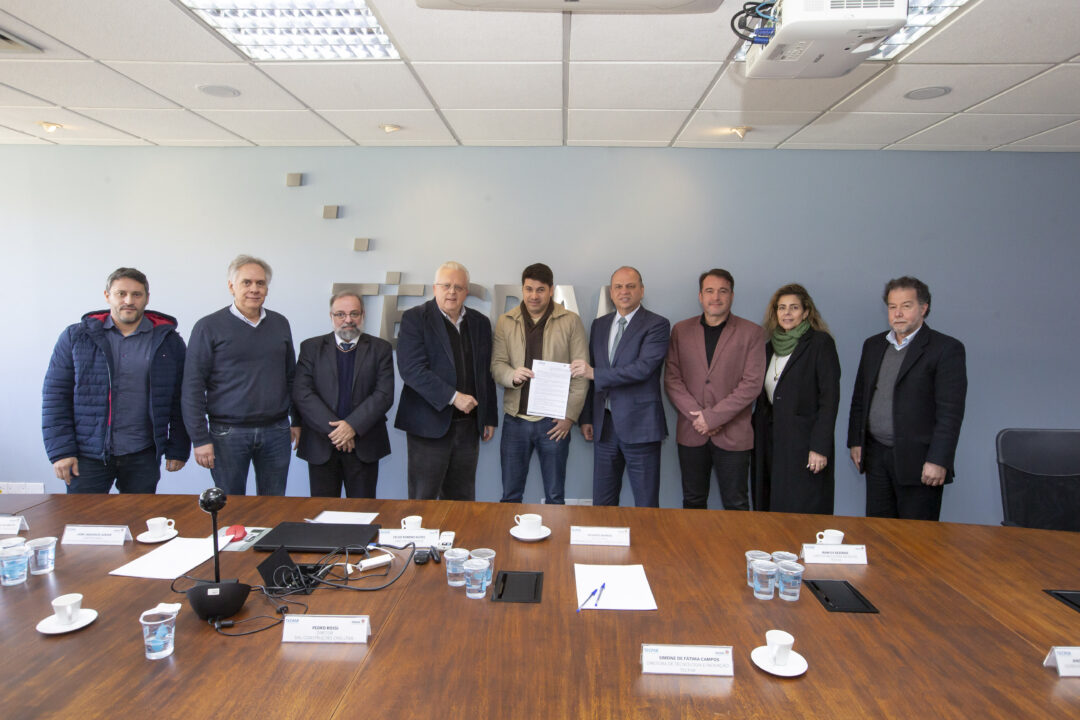
Tecpar Signs Contract With Sial Construções For Paving And Building The Technological Park In Maringá, With An Investment Of R$ 22.9 Million.
The Technology Institute of Paraná (Tecpar) has signed a contract with Sial Construções to begin the paving and construction works for the Technological Park located in Maringá. This initiative represents a significant investment of R$ 22.9 million, ensuring the development of modern and efficient infrastructure for the park.
With this contract, Tecpar aims to transform the site into a cutting-edge technology complex that will attract new companies and startups. The Technological Park in Maringá promises to be a central hub for innovation and technological advancement in the region. Moreover, the construction of this infrastructure will boost economic growth and create new job opportunities.
Sial Construções Civis was selected as the company that submitted the lowest bid for the execution of the works for the Technological Park, with a total investment of R$ 22.9 million. The signing of the contract with the winning company marks the beginning of phase 1 of the implementation of the technology complex, which will be built on a 100,000 square meter plot donated by the City Hall of Maringá to Tecpar.
-
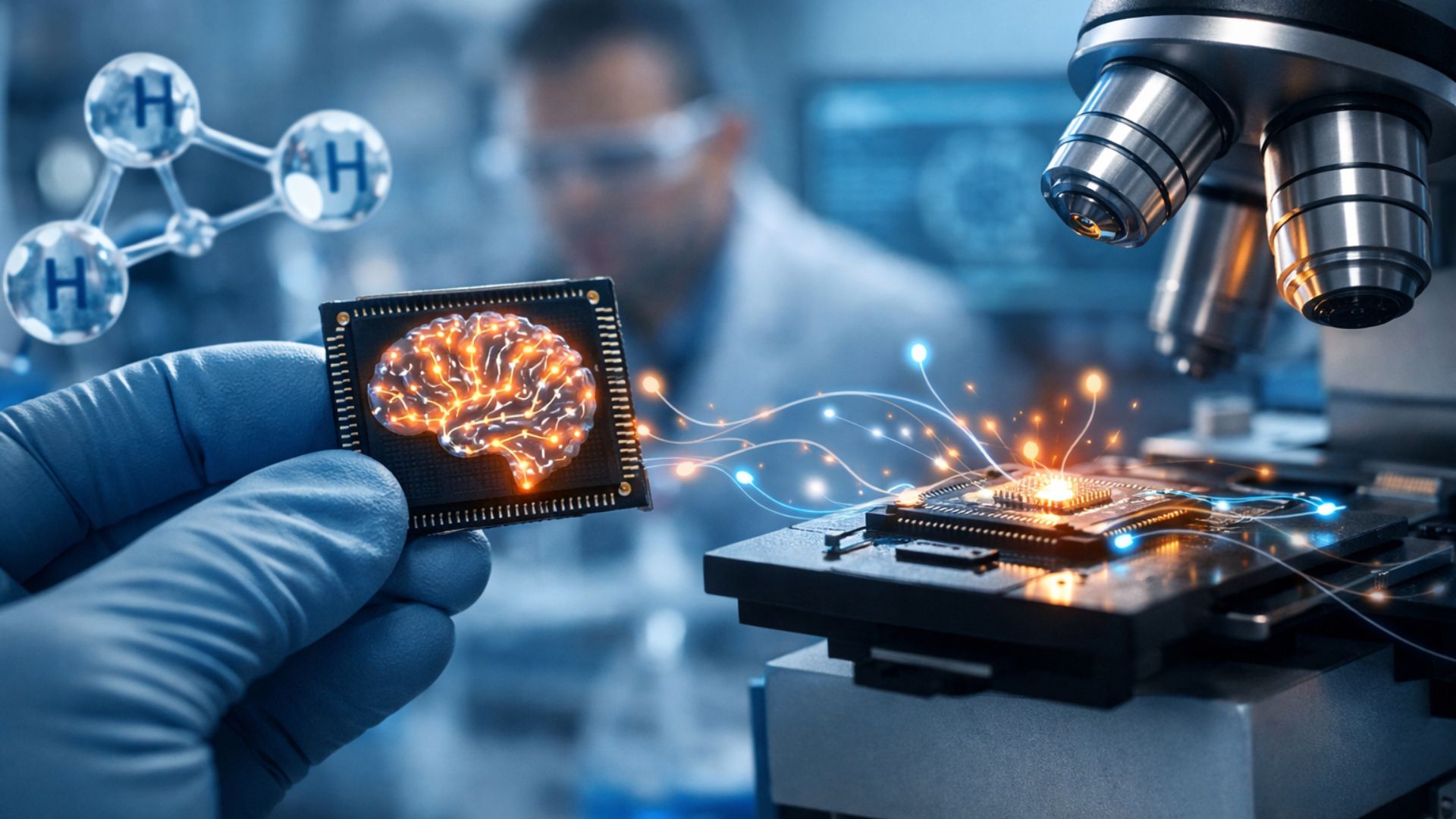
Scientists create a semiconductor that mimics the human brain using hydrogen and boost a new generation of smart chips with learning capabilities and the potential to revolutionize artificial intelligence applications.
-
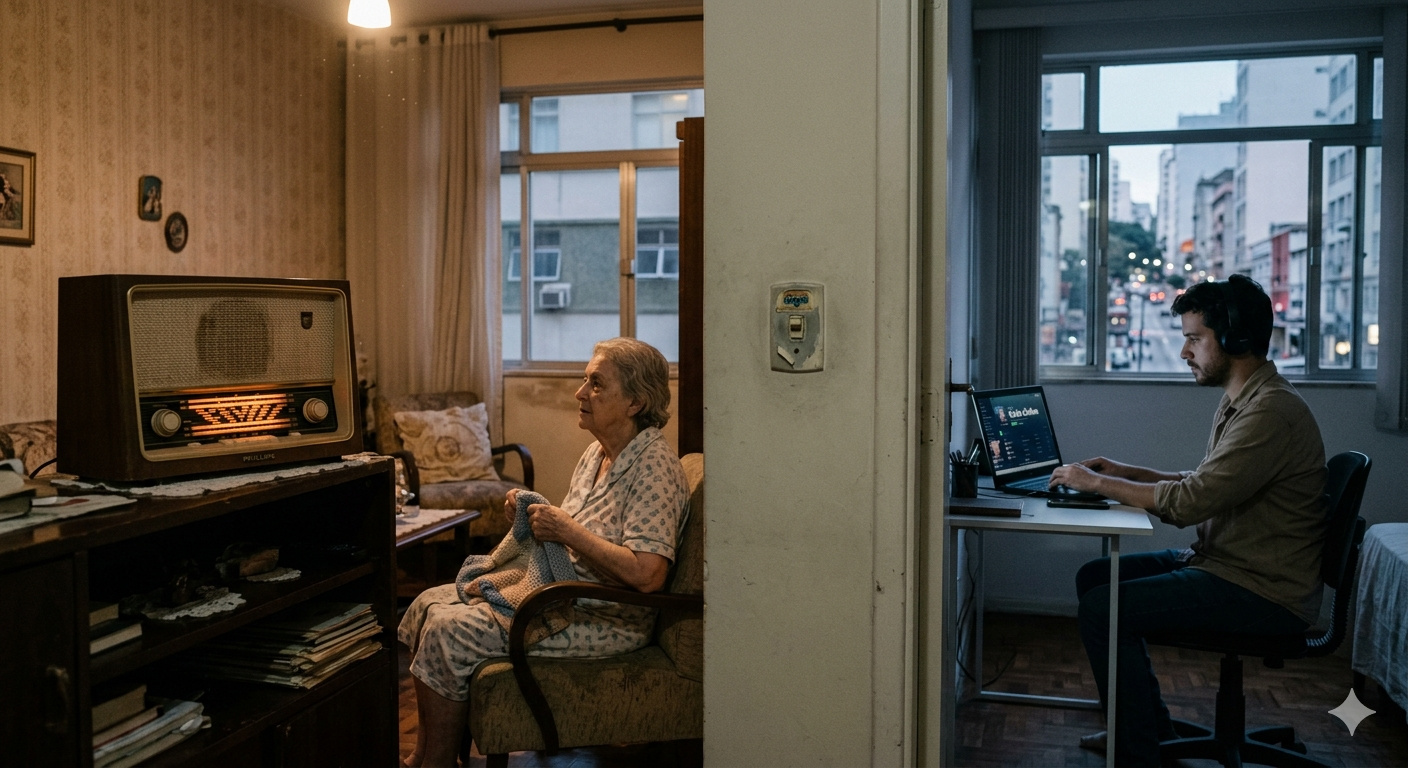
The radio has been in more than half of Brazilian households for decades, and in 2024, for the first time in history, the number of households without a device surpassed those with a device, with a decrease of 2.3 million in just one year.
-
A “silent skill” is allowing Brazilians to earn up to R$ 22,000 per month without a degree and become indispensable for companies that rely on millions of data to survive.

-
Researchers at the Toyota Research Institute found that if a human uses robotic arms to flip a pancake 300 times in an afternoon, the robot learns to do it on its own the next morning, and this is currently the most promising method to solve the biggest bottleneck in modern robotics.


Phase 1 Of Implementation And Infrastructure
The company is responsible for carrying out all the necessary works for the implementation of the Technological Park infrastructure. This includes the paving and fencing of the area, as well as the construction of an administrative building and a utility center, among other essential buildings for the full operation of the park.
Celso Kloss, president of Tecpar, highlighted the importance of this moment, which represents the realization of a project that will strengthen public health in Brazil, especially by allowing the expansion of the institute’s activities. ‘Tecpar is an official public laboratory, which means that one of its goals is the supply of products to the Unified Health System (SUS)’, stated Kloss.
Funding And Institutional Collaborations
The institute’s history is marked by significant contributions to Brazilian public health. Now, with this new project, Tecpar will further establish itself as a public supplier on a national level. Additionally, the Technological Park will provide a significant boost to development in Maringá. Sial Construções Civis was represented at the contract signing by director Pedro Rossi.
The resources for the construction of the Technological Park come from the Paraná Fund, which is intended for scientific and technological promotion. This fund is managed by the Secretariat of Science, Technology and Higher Education (Seti), and aims to finance strategic projects in the state of Paraná. The forecast is that the construction will be completed within a period of up to two years.
Benefits And Goals Of The Project
‘What we are doing now is laying the physical groundwork for the biopharmaceutical industries that will be established in Maringá’, stated the Secretary of Industry, Commerce, and Services, Ricardo Barros. He explained that the initiative will start with the production of dietary therapeutic products, but the ultimate goal is also to produce biopharmaceuticals, helping to reduce Brazil’s significant dependence on imports of these products.
Jamil Abdanur Júnior, general director of Seti, emphasized the importance of the project for the state. ‘Creating another Technological Park focused on health in Maringá, a region already recognized for its expertise in the sector, is a major achievement’, he pointed out. This initiative will allow for the development of new products that will meet the needs of both human and animal health.
Technology Transfer And Local Impact
For Paraná, this not only reduces dependence on foreign products but also enhances the existing infrastructures. Local educational institutions, for example, will be actively involved in the project, providing their support and knowledge. Last May, the Government of Paraná signed a protocol of intentions with Astra Medical Supply, marking the beginning of phase 2 of the project.
The implementation of the factory of Astra Medical Supply is part of phase 2 and aims to attract companies specialized in research and development of innovative health products. This phase was initiated following a public call, from which the consortium formed by Astra Medical Supply and Nucitec emerged as the winner.
Joy In Partnership With Nutrition Companies
In addition to installing the industrial unit for the national production of specialized clinical nutrition formulas, the partnership also provides for the transfer of technology to the Paraná institute. The first nutritional formulas to be produced in the Technological Park will focus on the nutrition of individuals with Cow’s Milk Protein Allergy (CMPA). This health issue is a specific immune response triggered by exposure to the protein found in cow’s milk.
The products developed in this new industrial development platform will be intended for the Unified Health System (SUS), meeting a national demand. Having a structure in Brazil dedicated to creating pediatric formulations, such as those necessary to treat CMPA, is a fundamental strategy for the Ministry of Health. This step aims to address a neglected disease and is a public health challenge and productive solution that will be vital for SUS. The recommendation from the Ministry is to ensure the national supply of medicines and proper formulations for the pediatric population’s treatment.
Source: Tecpar Press






Seja o primeiro a reagir!