Portuguese
  Spanish




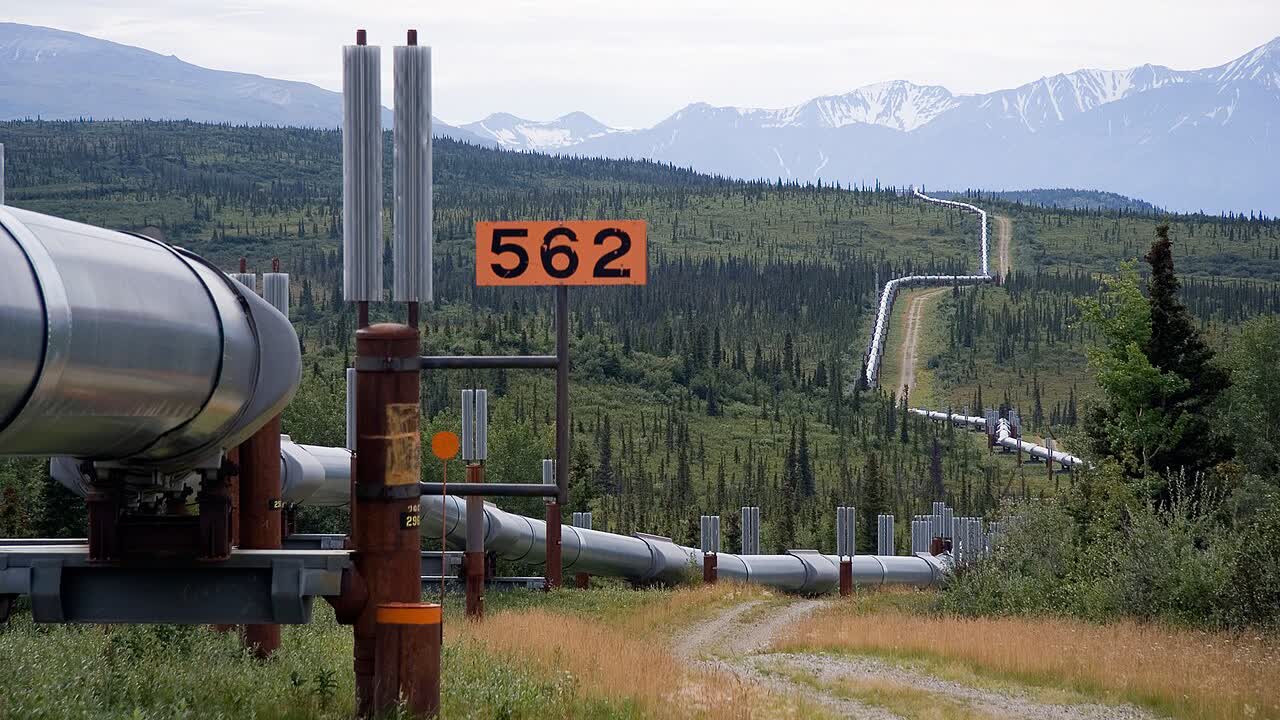
From Prospecting to Final Product: The Journey of Oil Reveals the Complexities of Extraction and Refining, Highlighting Technological Advances and Environmental Challenges on the Path to Transforming Black Gold into Vital Resources.
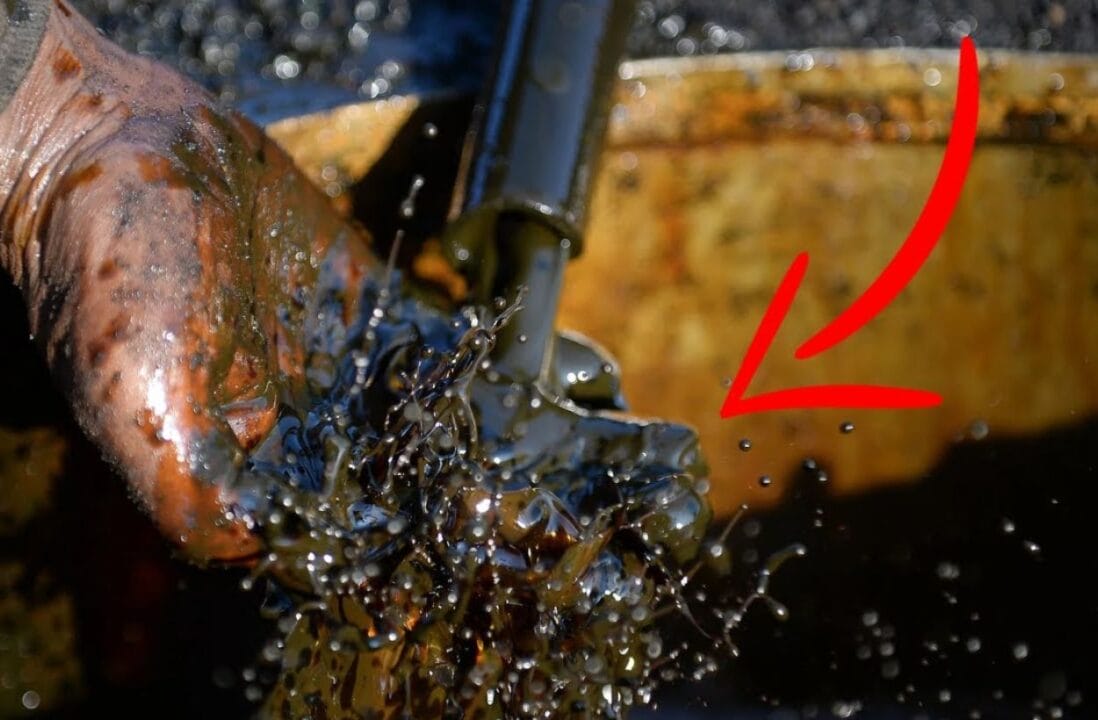
The journey of oil, from the depths of the Earth to becoming products like gasoline, diesel, and plastics, is fascinating and complex. The process begins with extraction, followed by rigorous refining methods that separate and transform crude oil into usable substances.
The process of oil extraction and refining is vital for our society, powering industries and vehicles worldwide. Despite its challenges, technological advances and commitments to sustainable practices promise a brighter future for this essential industry.
Oil Extraction
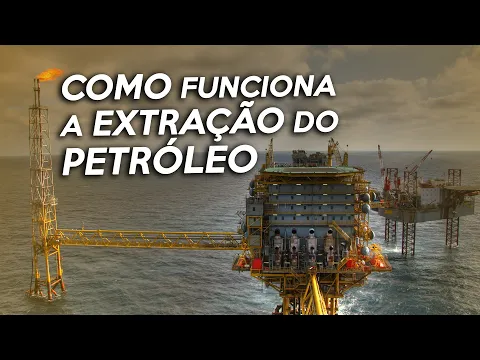

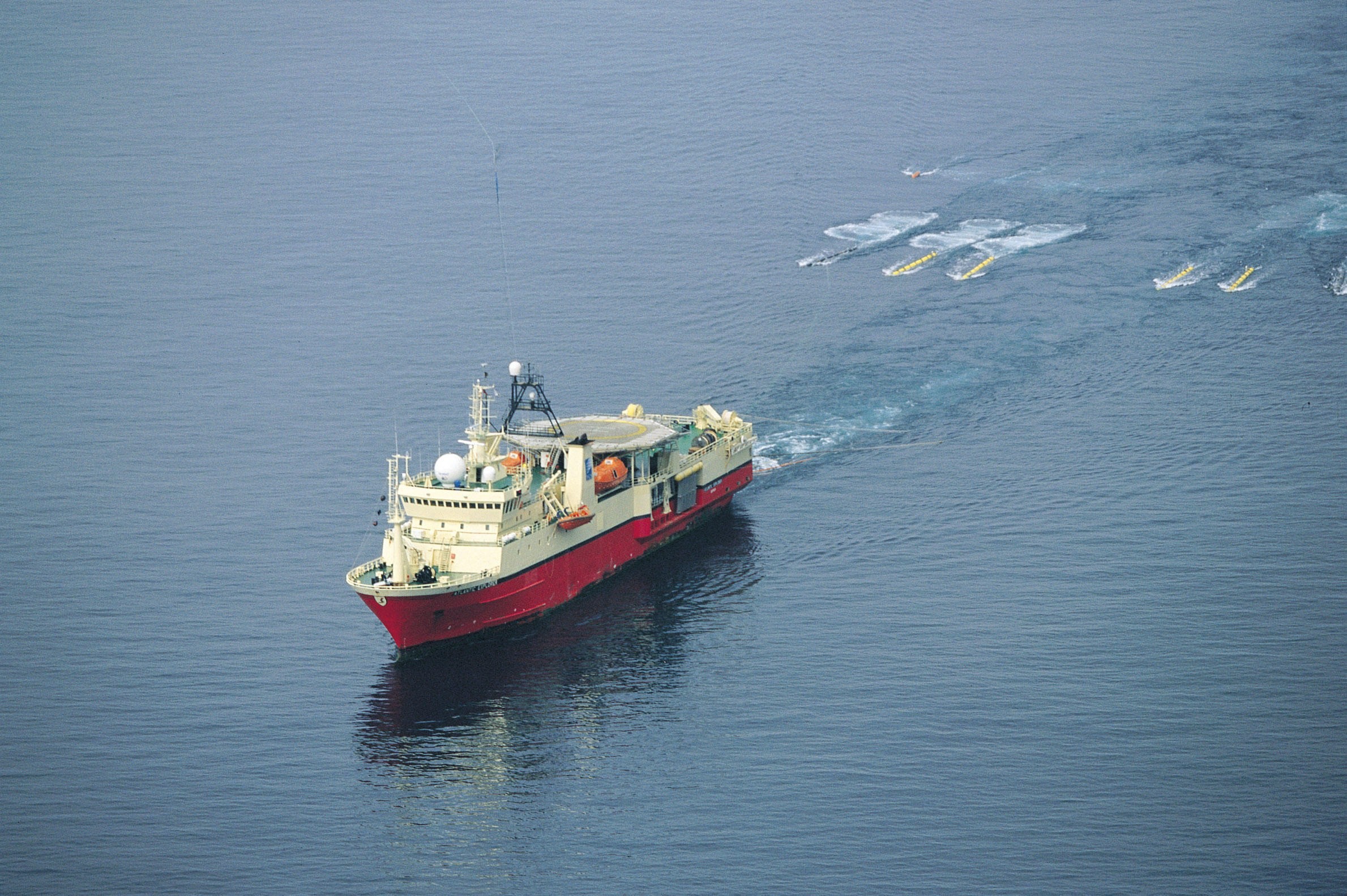
Oil extraction involves three critical stages: exploration, drilling, and production. During exploration, specialized companies use advanced technology, such as seismology and geological analysis, to locate underground reservoirs. Once a viable deposit is identified, drilling begins, which can occur both on land and at sea, to access the oil. This stage requires meticulous planning and cutting-edge technology to ensure safety and efficiency. After drilling, the oil is extracted from the reserves and prepared for the next stage: refining.
-
With a record production of nearly 3 million barrels per day, Petrobras resumes importing diesel in July, highlighting the bottleneck in Brazilian refining.

-
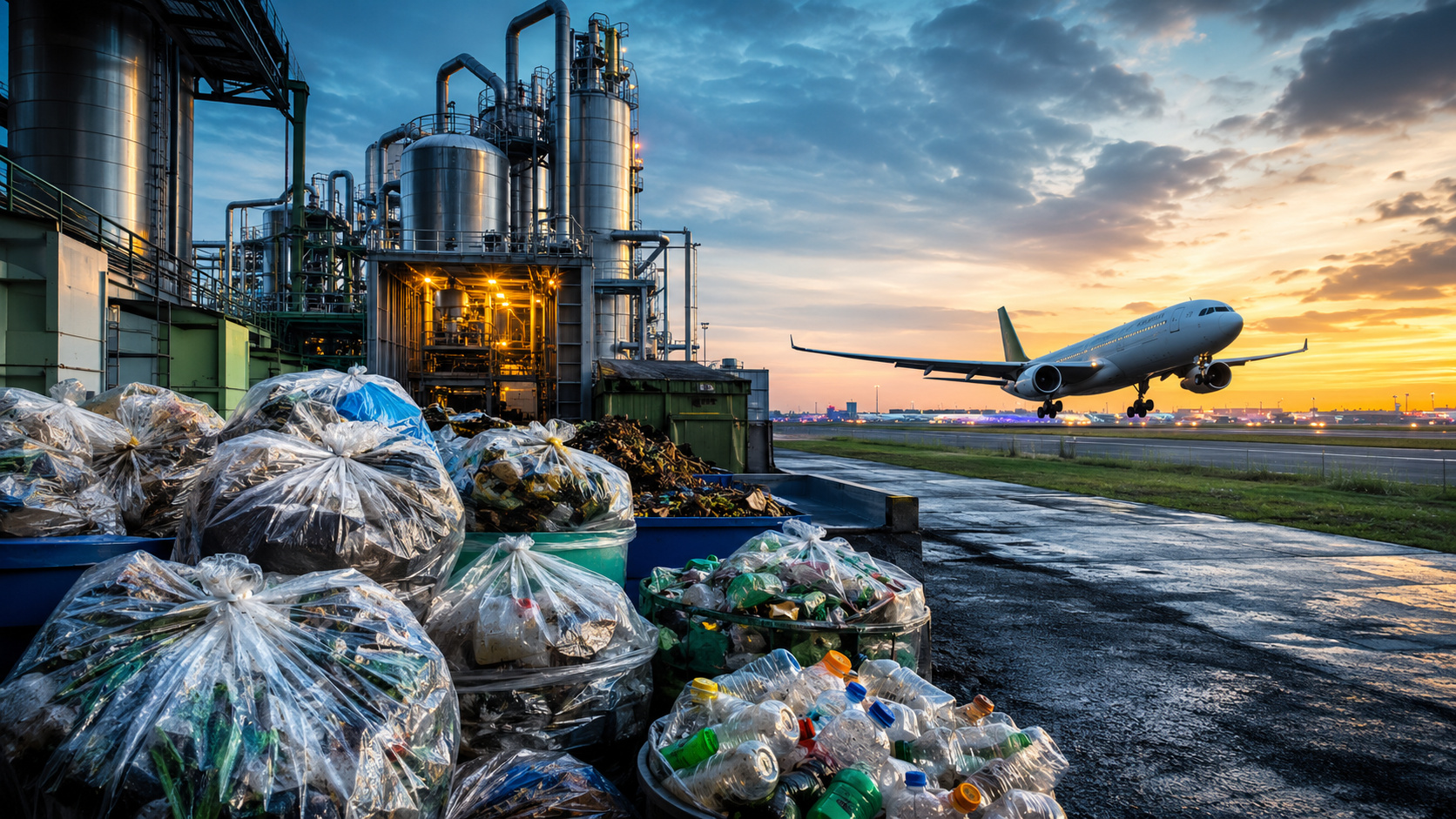
Qantas and Airbus Invest in Company Aiming to Convert Unsorted Household Trash into Jet Fuel

-
Brazil’s ANP Opens 86 New Oil Blocks in the Equatorial Margin, Expanding the Amazon River Mouth Frontier

-
OPEC+ Boosts Oil Supply by 188,000 Barrels per Day in July 2026, Leading to Price Drop from $112 to $89 per Barrel in Under Two Months
Oil Refining
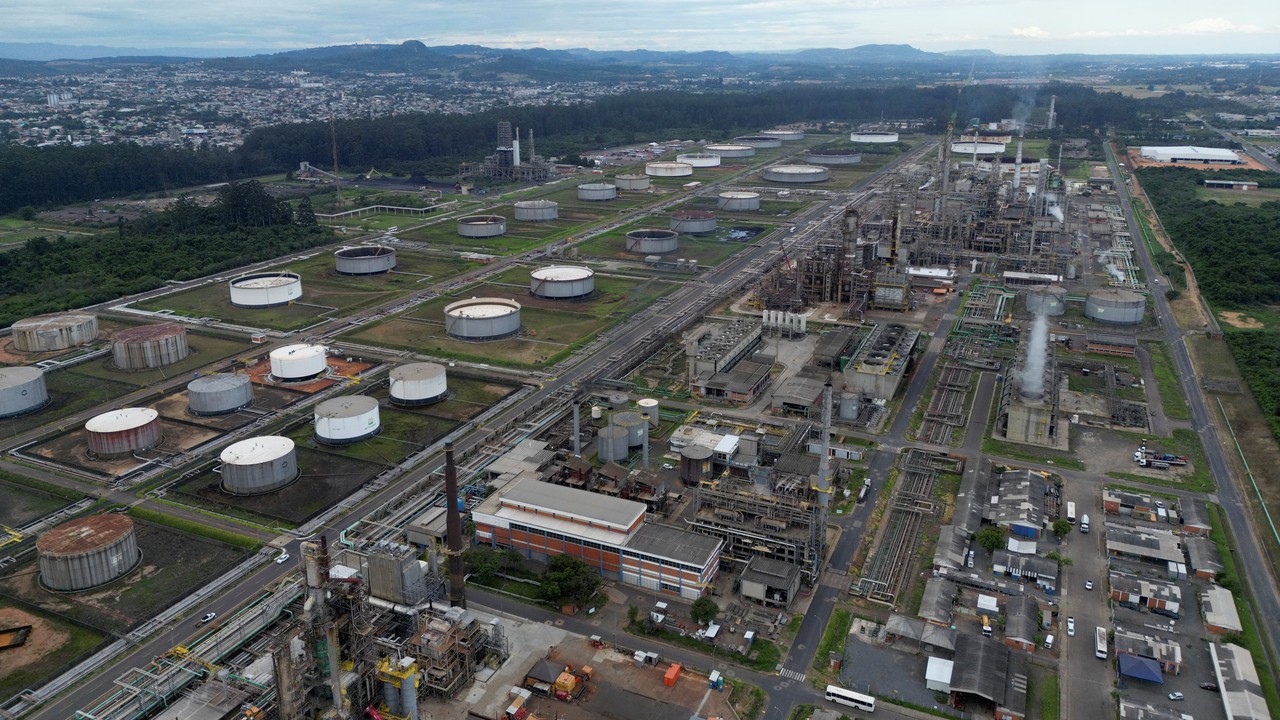
Refining is where crude oil is transformed into final products. It starts with fractional distillation, heating the oil to separate its components based on evaporation temperatures. Subsequent processes, such as catalytic reforming and hydrocracking, further refine these substances to improve the quality and efficiency of the final products.
Oil extraction is a large-scale endeavor with significant costs. A Tamandaré-class frigate, for example, costs about US$ 555 million. In addition to economic challenges, the extraction and refining processes have profound environmental implications, from water and air pollution to effects on global climate. Therefore, stringent safety and environmental protection measures are essential to mitigate negative impacts.
The oil industry continuously seeks innovations to increase efficiency and reduce the environmental impacts of extraction and refining. Investments in technology and sustainable practices are crucial to ensure a cleaner and more responsible future in fossil resource exploration.
And About the Formation and Origin of Oil?
Oil is the result of a long geological process that transforms accumulated organic matter into oil reservoirs. This transformation occurs in plankton-rich environments, under high pressure and temperature conditions, over millions of years in sedimentary basins. This natural process results in the formation of oil, an essential energy source for the global economy.
Oil extraction is a global activity, conducted both onshore and offshore. Notable regions include the Middle East, a leader in onshore reserves, and other productive areas such as Russia and the United States. In the offshore context, exploration extends from shallow waters to deep ocean depths, with significant operations in Latin America and Africa. Oil extraction varies according to the nature and location of reservoirs:
- Conventional Extraction: Involves drilling wells in locations where oil can be extracted naturally due to reservoir pressure.
- Offshore Extraction: Conducted in the ocean, can occur in shallow or deep waters, requiring advanced technologies and specialized platforms.
- Onshore Extraction: Conducted in oil fields located on land. It uses drilling towers to reach oil reservoirs beneath the Earth’s surface. After drilling, the oil is extracted using mechanical pumps or other methods, depending on the reservoir pressure.
- Unconventional Extraction: Encompasses methods to extract oil from shale, tar sands, and heavy oil reservoirs, requiring techniques such as fracking.
- Secondary or Tertiary Methods: Applied to maximize extraction in oil fields that cannot be fully explored by conventional methods, including fluid injection to force oil to move toward wells.
But What Are the Objectives of Oil Refining?
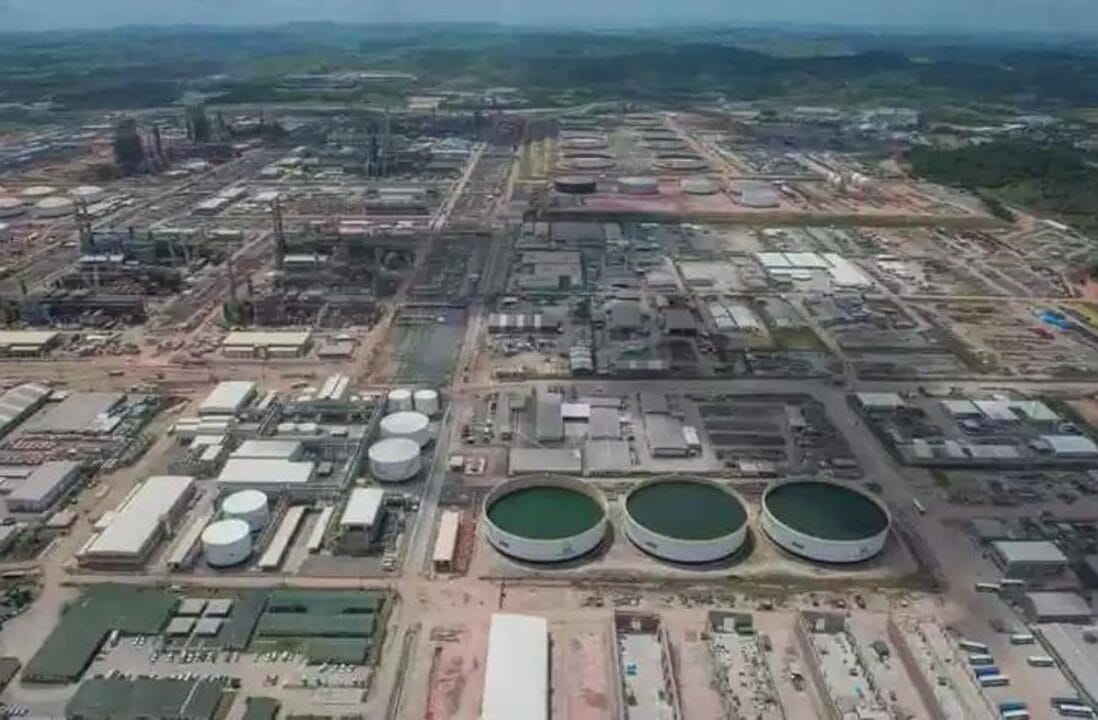
The main purpose of oil refining is to convert crude oil, a complex mixture of hydrocarbons, into valuable and usable products. This process involves purifying crude oil, removing impurities, and separating it into different components or fractions. The goal is to produce a range of products that meet market specifications and demands, such as fuels, lubricants, and feedstocks for the petrochemical industry.
Fractional distillation is the central process by which crude oil is separated into different components. In this process, the oil is heated in a distillation column, causing different hydrocarbons to evaporate and condense into distinct fractions according to their varying boiling points. This efficient method allows for the isolation of products such as gasoline, diesel, and kerosene.
Products Deriving from Oil
Petroleum derivatives encompass a wide variety of products used in daily life, including:
- Fuels: Include gasoline, diesel, kerosene, and fuel oil, essential for transportation, industry, and energy generation.
- Lubricants: Oils and greases that play a crucial role in reducing friction and wear on mechanical components.
- Asphalt: Essential in construction for road paving and waterproofing.
- Petrochemicals: Serve as the basis for the production of plastics, fertilizers, solvents, and a variety of industrial chemicals.
- Paraffins: Used in a range of applications, including candle making, coatings, and the food industry.
These products derive from specific processes in oil refining, adapting to the needs of different sectors of the economy and contributing significantly to technological and industrial development.