






 Portuguese
  Spanish


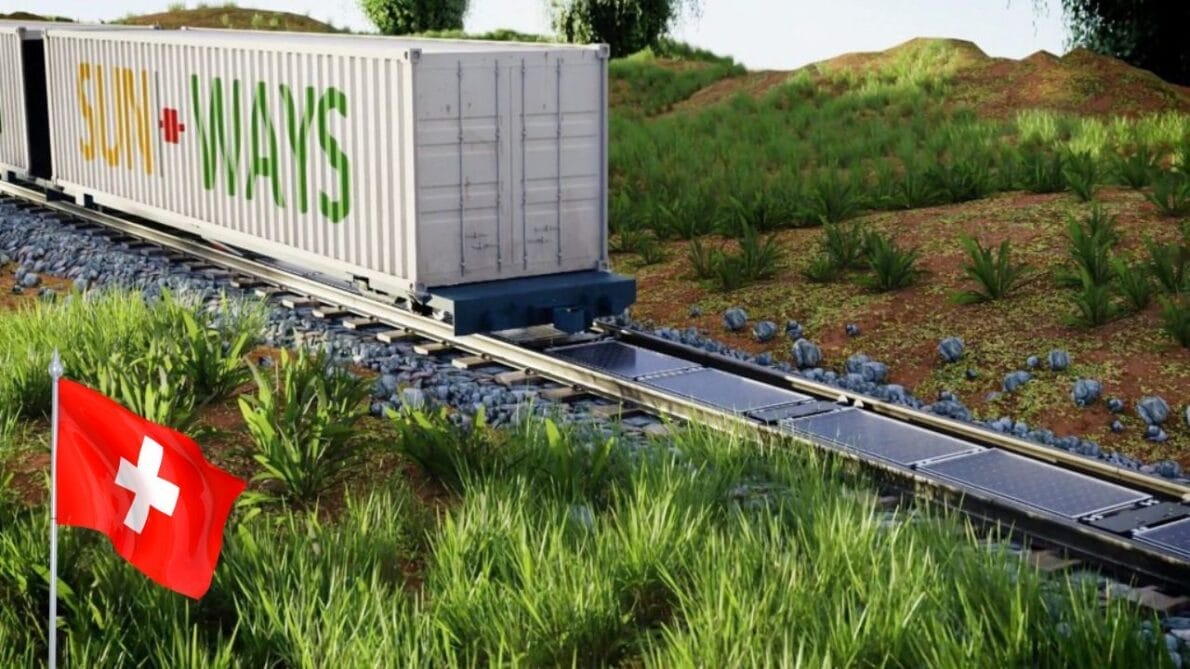

In a Pioneering Initiative in Switzerland, a Startup Installed Solar Panels Directly on Rail Tracks, Leveraging Existing Infrastructure to Generate Solar Energy Without Impacting Agricultural Lands or Other Development Areas. This Innovative Project, Launched in May 2023, Demonstrates How Rail Tracks Can Be Converted Into Significant Sources of Renewable Energy, With the Capacity to Generate One Terawatt-Hour of Solar Energy Per Year, Sufficient to Power Numerous Homes and Reduce Dependence on Fossil Fuels.
In the global scenario, solar energy has been gaining increasing traction as one of the main renewable sources of energy. In Brazil, this advance is evidenced by over 2.5 million solar installations in homes and properties. However, the search for suitable spaces for solar panel installation presents challenges, primarily due to high costs and competition with other activities such as agriculture. To solve this problem, a Swiss startup, Sun-Ways, innovated by installing solar panels on train tracks, an ingenious solution that maximizes the use of existing spaces without interfering with arable land.
This pioneering initiative, which started as a pilot project in May 2023 in the western region of Switzerland, represents a milestone in the use of railway infrastructure for renewable energy generation. The panels, one meter wide, are easily installed on the tracks and can be removed when necessary. The system includes a train equipped with brushes for automatic cleaning of the panels and a monitoring system for maintaining efficiency and safety.
Can Generate Approximately One Terawatt-Hour of Solar Energy Annually


The implementation of this technology on Swiss tracks could cover an area equivalent to 760 football fields and generate approximately one terawatt-hour of solar energy annually. This amount of energy is sufficient to power hundreds of thousands of homes each year, demonstrating the massive potential of this innovation.
-
After a Year of Success in Switzerland, Solar Railway Attracts Italy’s Interest for Clean Energy Transformation

-
Robots Clean Solar Panels in Desert Power Plants Without Water, Preventing Energy Losses
-
Brazil’s Offshore Wind Energy Potential Worth $1 Trillion Stalled by Long-Delayed Agreement

-
World’s Largest Engie Solar Plant in Brazil Highlights Billion-Dollar Energy Waste Issue: Company Considers Batteries and Bitcoin Mining to Avoid Wasting Production

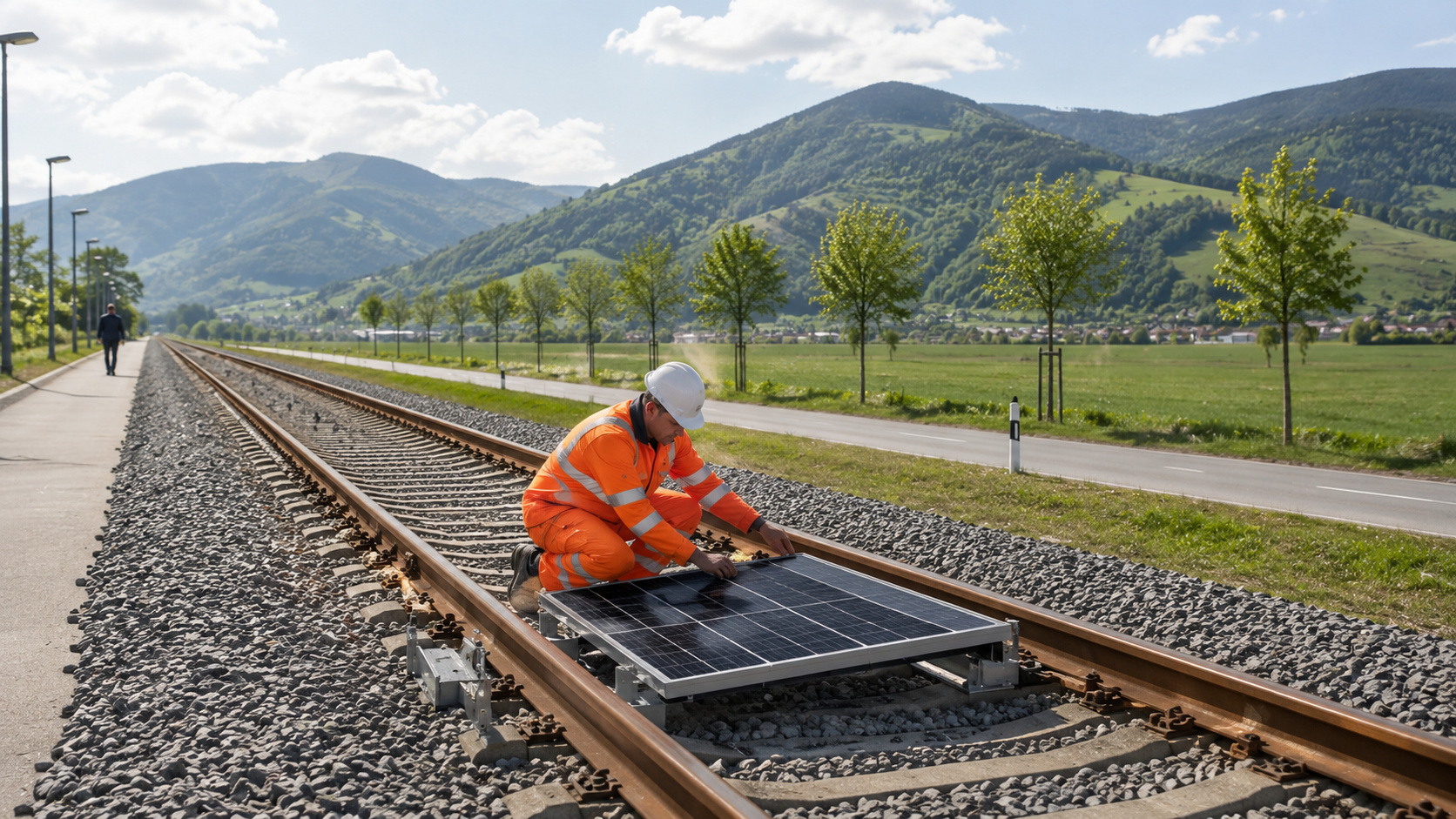


Technology Still Faces Challenges, Such as the Risk of Microcracks in Solar Panels
Despite initial success, the technology still faces challenges, such as the risk of microcracks in solar panels, which can increase the likelihood of fires, and the potential for distraction of train operators due to reflections. The company responsible for the project is working to improve the durability of the panels and reduce reflections with anti-reflective filters.
With plans to expand this technology to other regions of Europe and, eventually, to the United States and Asia, solar tracks present themselves as a promising and sustainable solution for the future of solar energy. The question remains: will this innovation reach Brazil? This development could mean a significant transformation in the way the country approaches renewable energy, aligning with global sustainability and innovation needs.







Bela iniciativa, mas no Brasil todos os painéis solares seriam furtados em menos de uma semana. Já
na Suíça tem tudo para funcionar!