





 Portuguese
  English
  Spanish
  4 min of reading
  0 comments


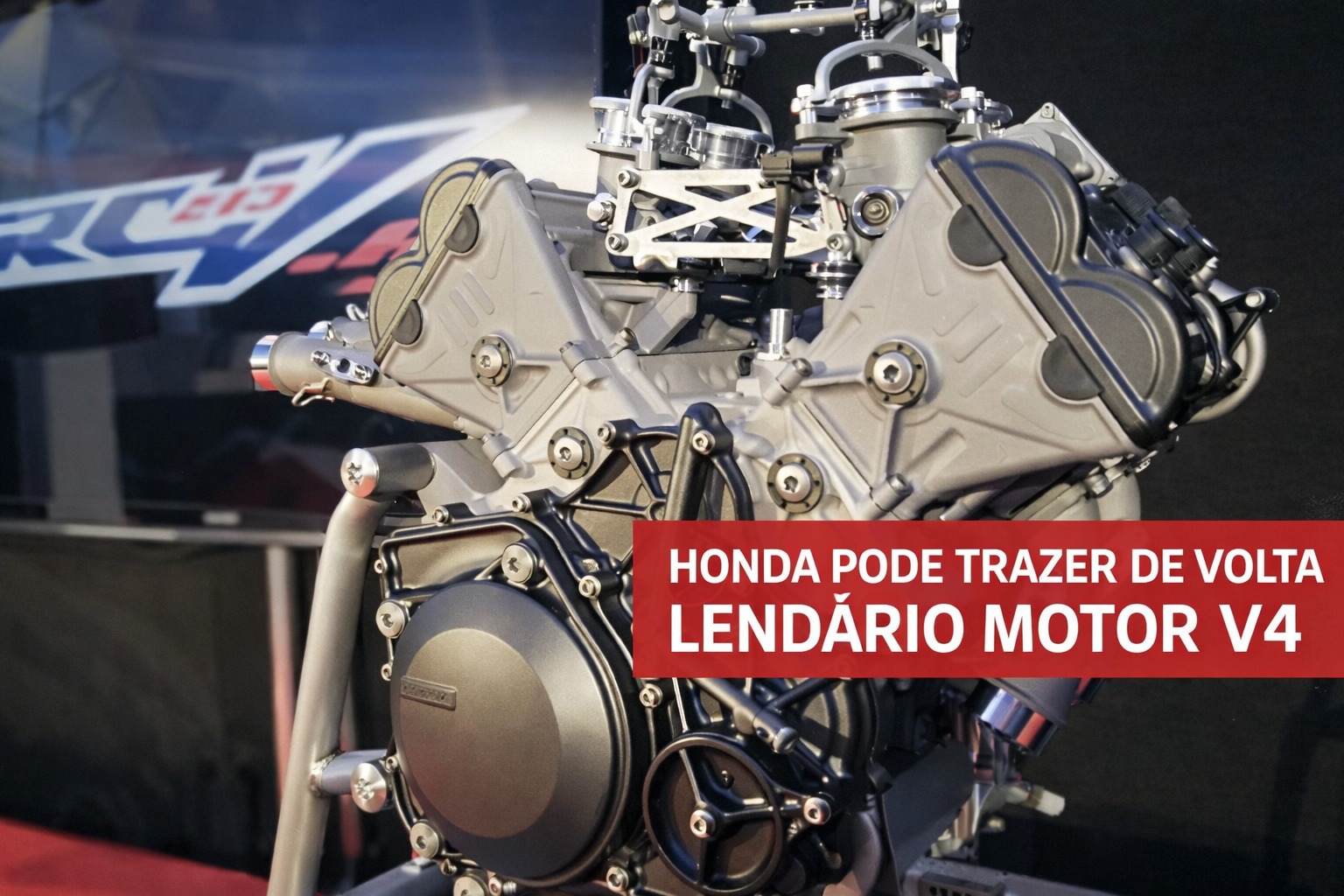
Patents Released at the End of 2025 Indicate New Honda V4 Engine with Modular Architecture, Lubrication Revision, Focus on Mechanical Efficiency and Technical Legacy of the 90-Degree V4s Used in 750 cc, 800 cc, and 1,200 cc
Honda filed patents at the end of 2025 detailing a new V4 engine under development, focusing on performance and efficiency, indicating technical solutions to reduce weight, simplify assembly, and meet current standards, which is significant as it signals a strategic return to the V4 architecture.
Honda has been accumulating recent technical advancements, and the new patent filings make it clear that the manufacturer is working on a functional V4, not just conceptual.
The documents reveal a concentrated effort to address historical limitations of the V4, particularly high weight, construction complexity, and difficulty of integration into the chassis.
-
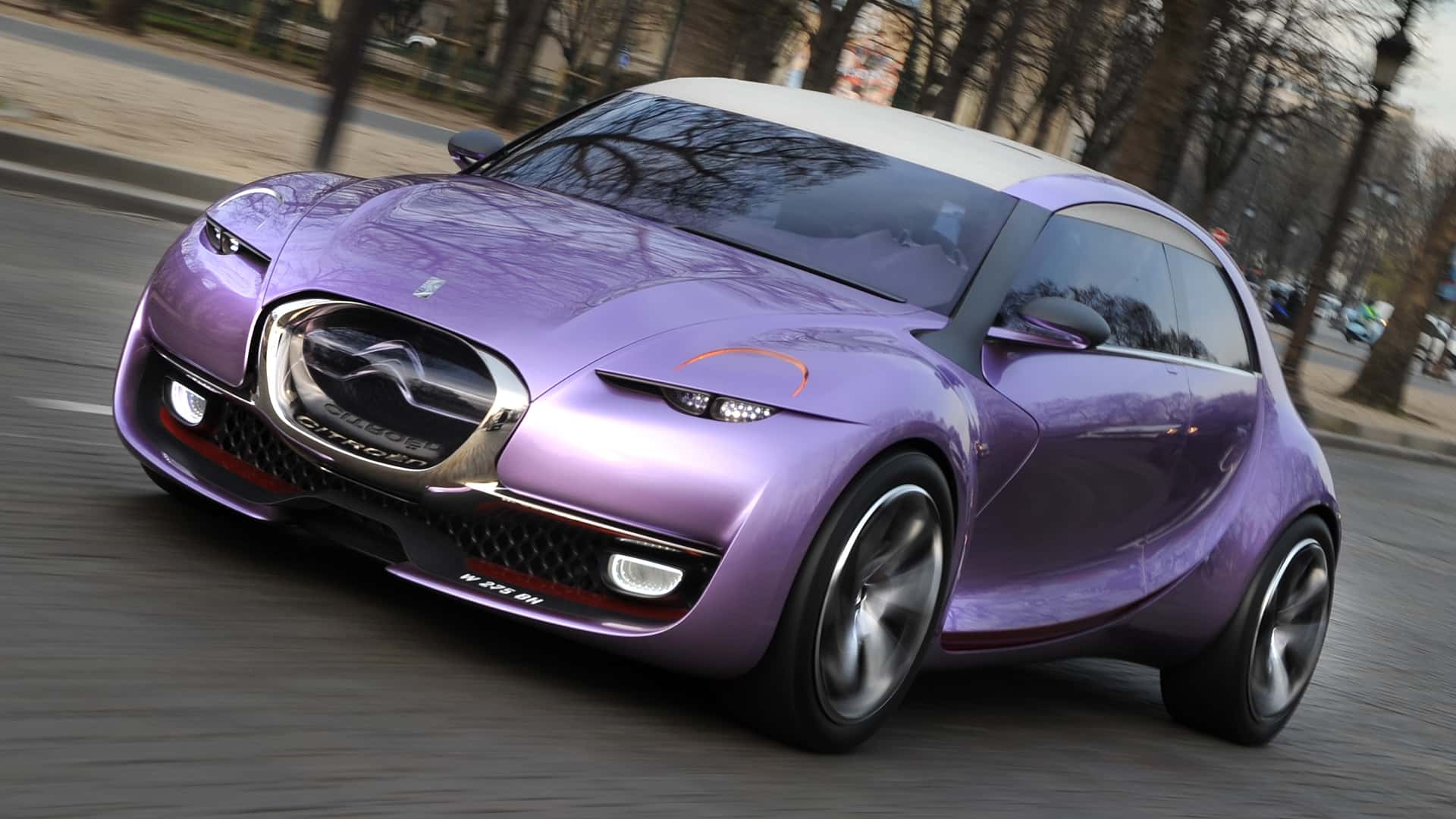
After decades out of the spotlight, Citroën is preparing to bring back the legendary 2CV as a low-cost electric vehicle, betting on the revival of one of the most popular cars in history and aiming to enter the race for affordable compact cars.
-
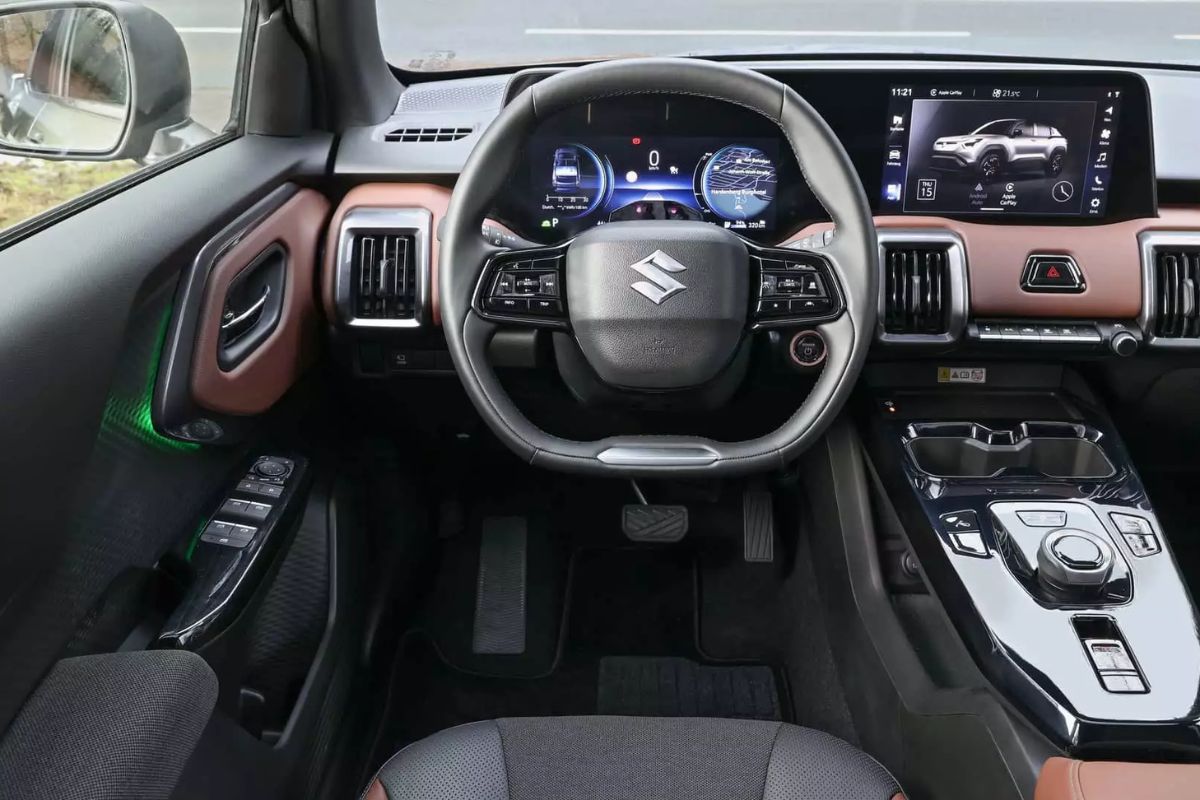
The 2026 electric Vitara arrives in Brazil and proves that Suzuki is not leaving: 4×4 traction, 184 hp, 61 kWh LFP battery, 293 km range, R$ 259,000, and a trunk capacity of 224 L.
-
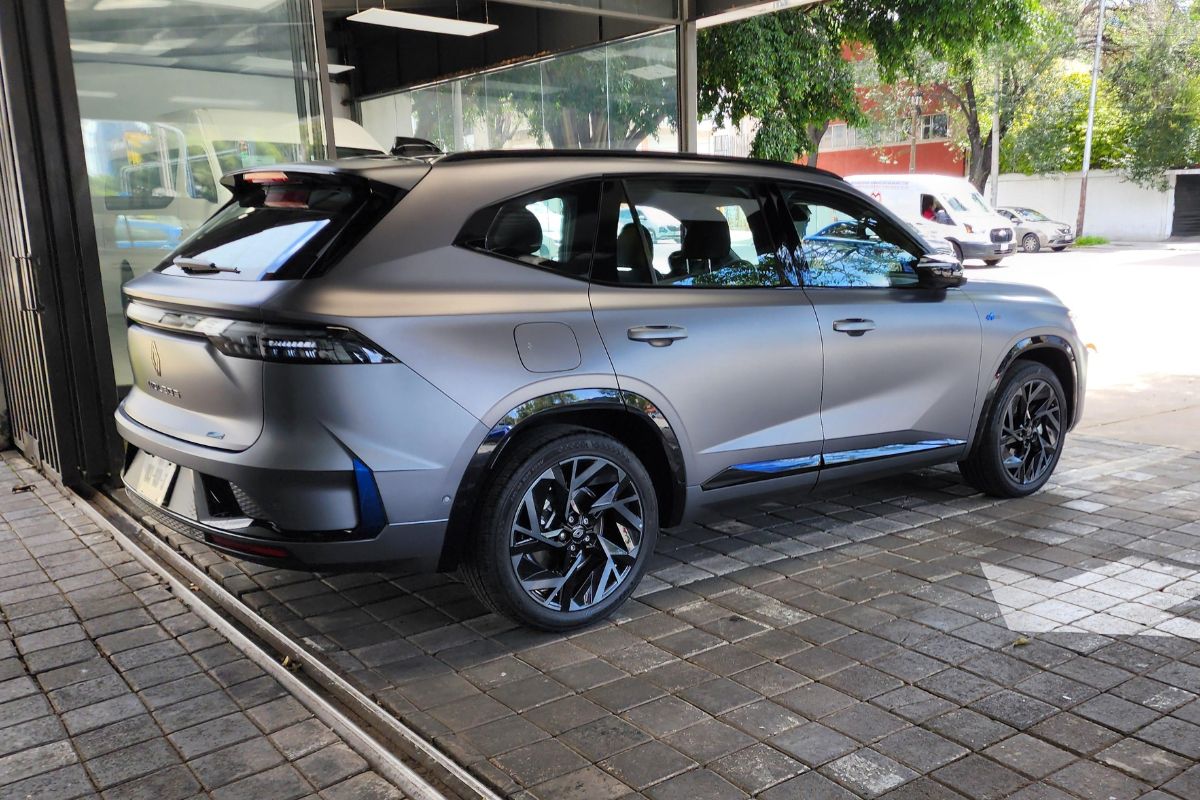
Hyundai has unveiled the Boulder, a square SUV with a body-on-frame design, 37-inch mud tires, and carriage-style doors that seems to be made to take on the Ford Bronco and the Scout Traveller in the United States.

-
The Toyota Hilux is R$ 75.5 thousand cheaper and bets on the 2.8 turbodiesel engine with up to 204 hp and 50.9 kgfm to catch up with the VW Saveiro, which leads with 4,472 sales.

The central strategy observed in the patents is structural simplification without compromising mechanical sophistication, aiming to make the assembly lighter, more compact, and efficient.
This movement suggests direct learning from the last 1,200 cc V4 from the brand, recognized for its performance but also for its complexity and mass.
In-Depth Review of the Internal Lubrication System
One of the patents details a new oil circuit, redesigned to reduce internal friction and shorten pathways, increasing overall mechanical efficiency.
The oil now circulates through shorter internal ducts, directly integrated into the crankcases, eliminating long external lines that are difficult to accommodate.
Dedicated internal reservoirs feed specific components such as the stator, starter motor, water pump, and clutch, optimizing distribution and control.
According to an analysis published by Motorrad Online, this solution reduces energy losses and facilitates the engine’s installation into the chassis, improving packaging.
Cylinder Head Attachment Indicates Project Modularization
Another patent addresses the method of attaching the cylinder head to the block, illustrated by a two-cylinder inline engine.
This configuration represents half of a complete V4, indicating a modular approach aimed at simplifying machining and assembly.
The reduction of oversized structures tends to result in lower final weight and greater consistency in mass production.
New Cooling Flow Prioritizes Thermal Control
The cooling system also receives significant changes, with the fluid circulating through tubes positioned in the “V” between banks.
This route prioritizes the rear cylinders, which traditionally operate at higher temperatures in compact V4 engines.
More precise thermal control allows for smaller clearances between components and greater durability under continuous load in sports use.
Technical Indications on the Ignition Order
The patents do not explicitly state the ignition order but provide clear clues about the mechanical configuration adopted.
The last 1,200 cc V4 utilized a 76-degree angle and staggered crankshaft pins, creating “big bang” combustion.
This solution eliminated the need for a balancing shaft but involved greater construction complexity and a specific mechanical character.
Return to the 90-Degree Architecture with Balancing
The new filings point toward a configuration closer to the older 750 cc and 800 cc V4 engines.
A balancing shaft is clearly represented, with pistons evenly spaced and the angle between banks close to 90 degrees.
This suggests a smoother operation and more linear power delivery, creating a different sensation from the contemporary “big bang” V4.
Chain in Transmission Defines Project Positioning
A technical detail reinforces the project’s direction: the patents show final transmission via chain, with no provision for a shaft drive.
This choice virtually rules out a traditional sport-touring model and points towards an application with a greater focus on dynamic performance.
Regulatory Context and Future Outlook
The set of solutions indicates Honda is seeking to make the V4 viable in light of stricter emission standards and rising costs.
It is not just about maximum power, but about reclaiming a mechanical identity driven by engineering in an increasingly homogeneous market.
So far, there is no official schedule released, and a production model still seems distant on the manufacturer’s horizon.
Nevertheless, the level of technical detail suggests that the patents go beyond defensive filings and indicate concrete preparation.
As a precursor, Honda has a solid history with V4 engines, and these new designs signal an attempt to consistently return to this architecture.
With information from Motor1.







-

Uma pessoa reagiu a isso.