





 Portuguese
  English
  Spanish
  3 min of reading


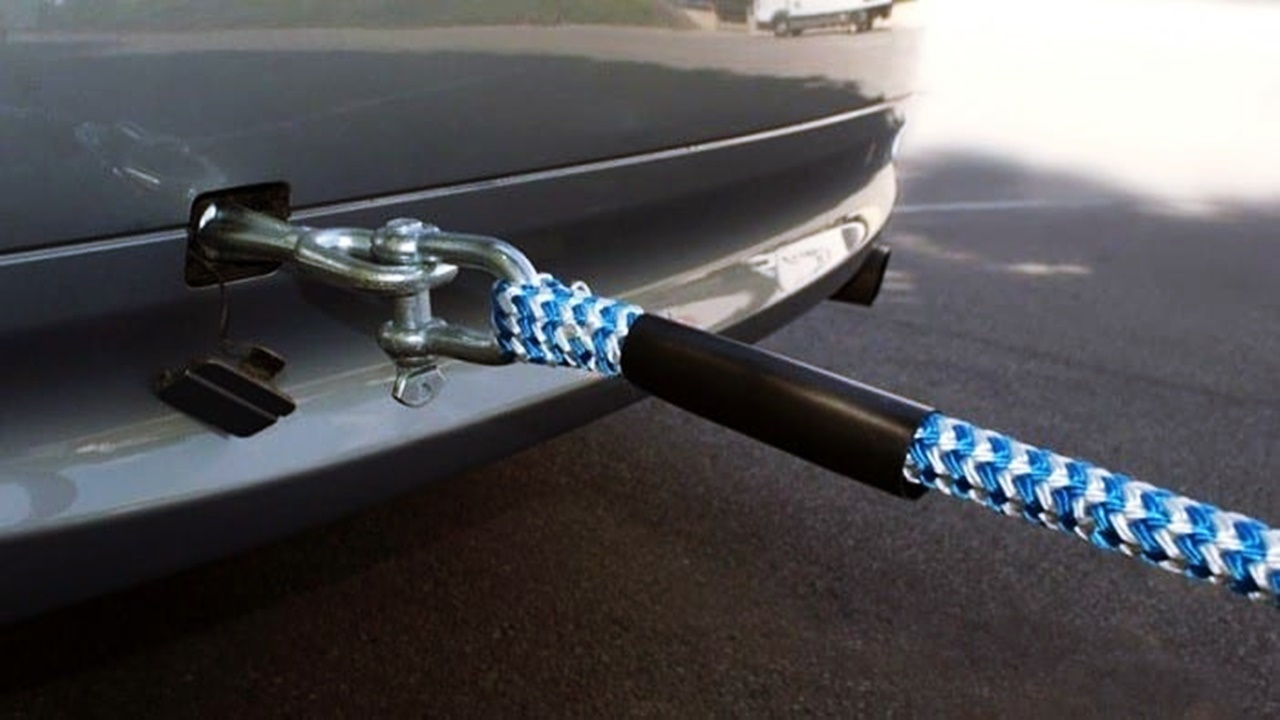
Before Adopting Vehicle Electrification, Discover Below the Reason Why Electric Cars Cannot Be Towed
Electric cars have already become a reality in Brazil, and due to the high prices of fuels such as ethanol, gasoline, diesel, CNG, etc., the search for these new vehicles has further sparked the interest of Brazilians. However, if you are thinking about adopting vehicle electrification, be aware that there are still many hurdles that the electric segment must overcome to truly become popular.
Also Read
- Michelin and General Motors Launch Airless and Puncture-Proof Tire; New Technology Will Revolutionize the Global Automotive Industry
- Ingredion, Leader in Natural Ingredient Solutions, Has Open Positions at Factories in São Paulo, Rio de Janeiro, Paraná, and Pernambuco
- After Ford Announced the End of Troller in Brazil, Americans Discover that the Vehicle Manufacturer Was Preparing Troller with Ranger Raptor Engine and Mustang Transmission
- National Leader in Manufacturing and Renting Flexible Tarpaulin and Steel Warehouses Calls for Candidates Seeking Re-employment or First Job in Various Areas
Despite the increasing demand for electric cars in the country, high prices and the lack of city infrastructure still prevent a large part of the Brazilian population from purchasing this vehicle.
Let’s Get to the Point, the Segment Still Has Another Problem: Electric Cars Cannot Be Towed
For those just getting into the topic, unlike combustion-powered vehicles, electric cars do not have the same configurations as the familiar neutral point of the clutch.
-
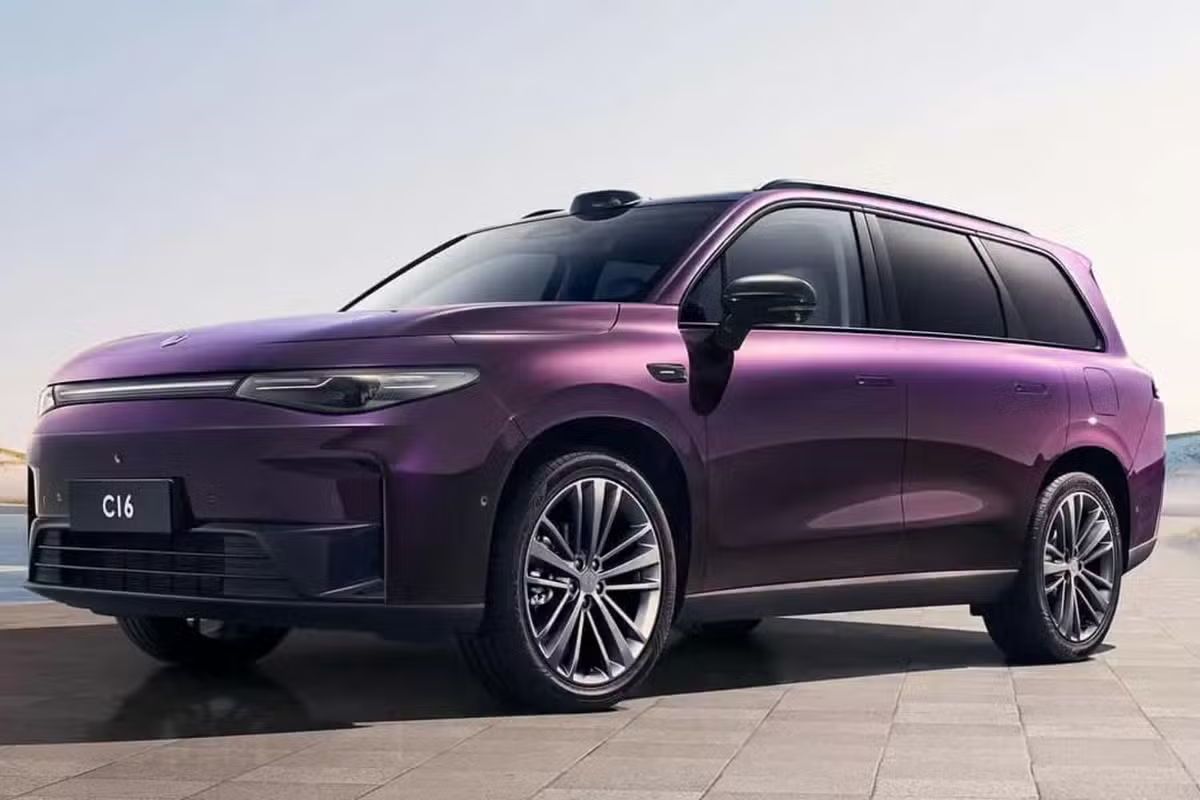
Leapmotor C16 lands in Brazil in 2027 with electric and hybrid options, a futuristic design, interior for 6 people, and a range that can exceed 1,000 km in another Chinese offensive from Stellantis.
-
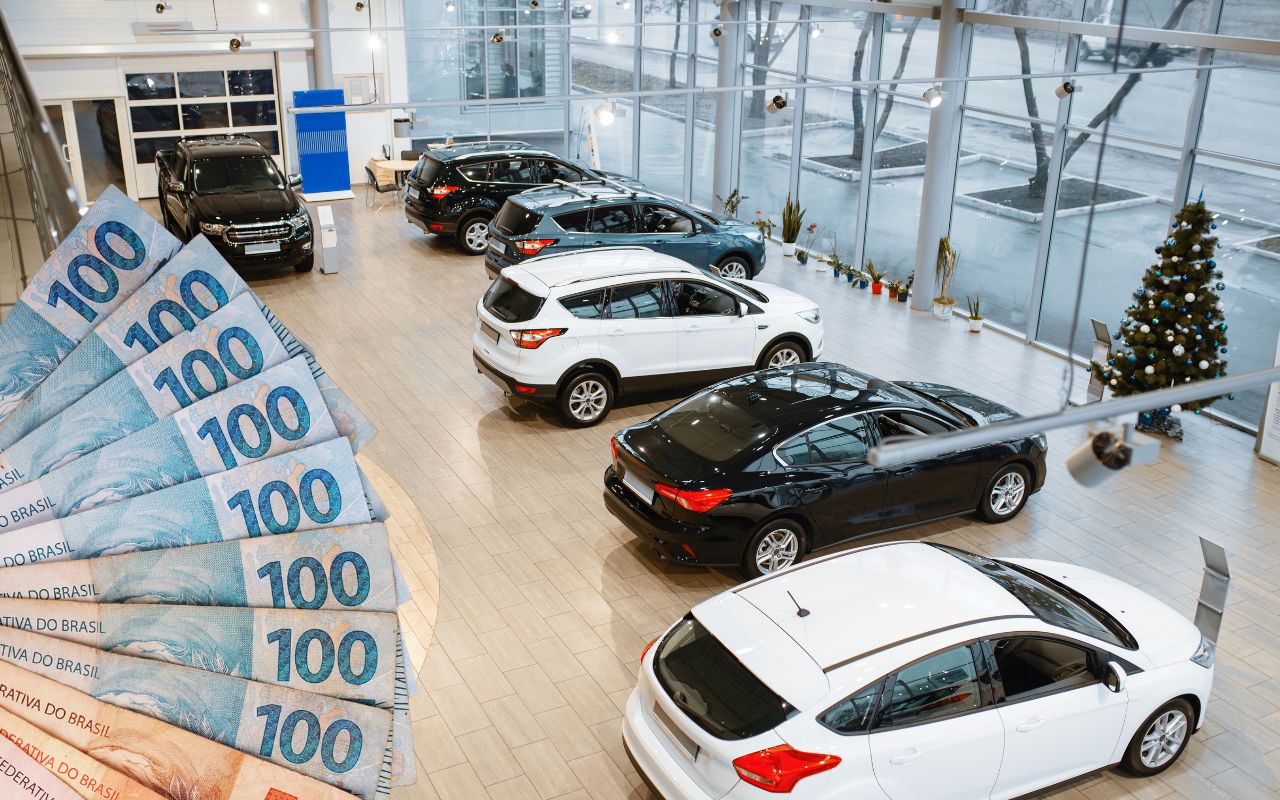
Why buying a car at a dealership is more expensive? New study reveals the factors that raise the price.
-
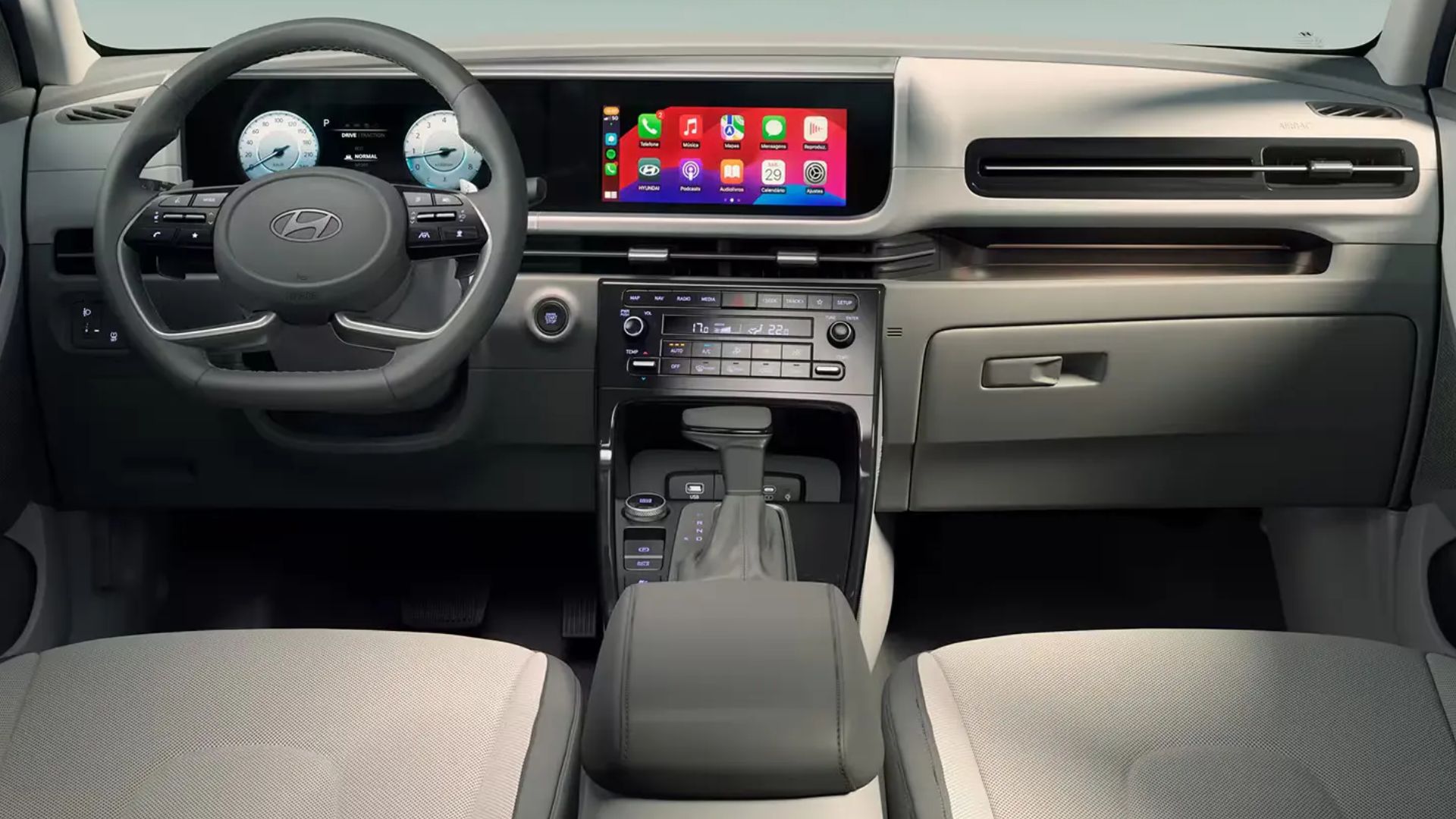
Starting at R$ 144,590 and featuring a 1.0 turbo engine and a complete ADAS package, the 2026 Hyundai Creta surpasses the Nivus, Pulse, and even the Kwid, advancing in the SUV rankings in Brazil.
-
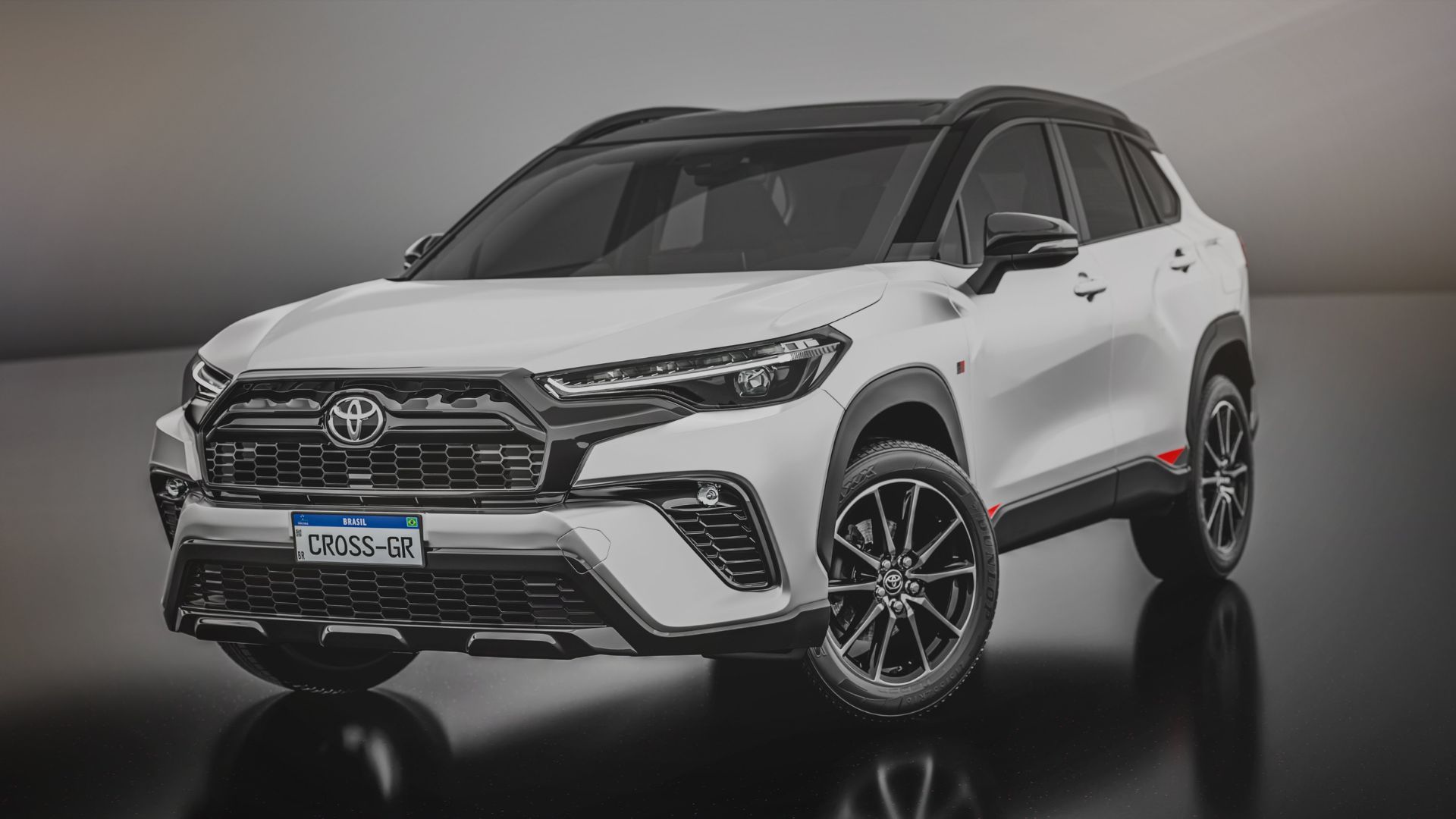
Used Toyota Corolla Cross features a 2.0 engine with up to 177 hp, a hybrid version that achieves up to 17 km/l and 122 hp combined, a 10-speed CVT transmission, a package with 6 airbags and adaptive cruise control, as well as prices starting from R$ 117,000 and reaching R$ 149,000 in versions such as XRE, XR, XRV Hybrid, and GR-S.
This issue is important to consider because, in the current scenario, a vehicle can easily experience mechanical failures or simply run out of battery. If this happens, what measures should the driver take?
When a car is towed, it is necessary to put it in neutral so that the wheels can turn freely after disengaging the engine. In other words, without this neutral position in electric cars, it is not possible for an electric vehicle to perform this disengagement. In the case of electric cars, the neutral position only allows the car to be driven a few meters until it is towed.
Electric Cars Need to Be Towed
When assistance is needed, whether due to mechanical failure, it will be necessary to tow the vehicle using a flatbed tow truck, where the vehicle remains stationary on top of the truck, rather than being pulled.
The tow truck will also be necessary if the vehicle runs out of battery because, unlike combustion vehicles, it is also not possible to perform the famous “jump-start” on electric cars.
This action is unfeasible because the battery of an electric vehicle is entirely different and much heavier than that of a traditional vehicle. Thus, the amount of energy used will also be much greater in comparison with a combustion car.
Michelin and General Motors Launch Airless and Puncture-Proof Tire; New Technology Will Revolutionize the Global Automotive Industry
The development was lengthy and took over ten years for the giant vehicle and tire manufacturers, General Motors and Michelin, to find the definitive solution. But the project seems to be ahead of the curve, and the sale of the much-anticipated Uptis – the tire of the future, airless and puncture-proof, may happen within a year.
The technology eliminates punctures and explosions while reducing the use of raw materials and waste, contributing to a world with zero accidents, zero emissions, and zero traffic congestion. Watch the video below and learn about the new airless, puncture-proof tire developed by Michelin and General Motors


More information about the MICHELIN Uptis Prototype can be found here.









Seja o primeiro a reagir!