





 Portuguese
  English
  Spanish
  4 min of reading
  0 comments


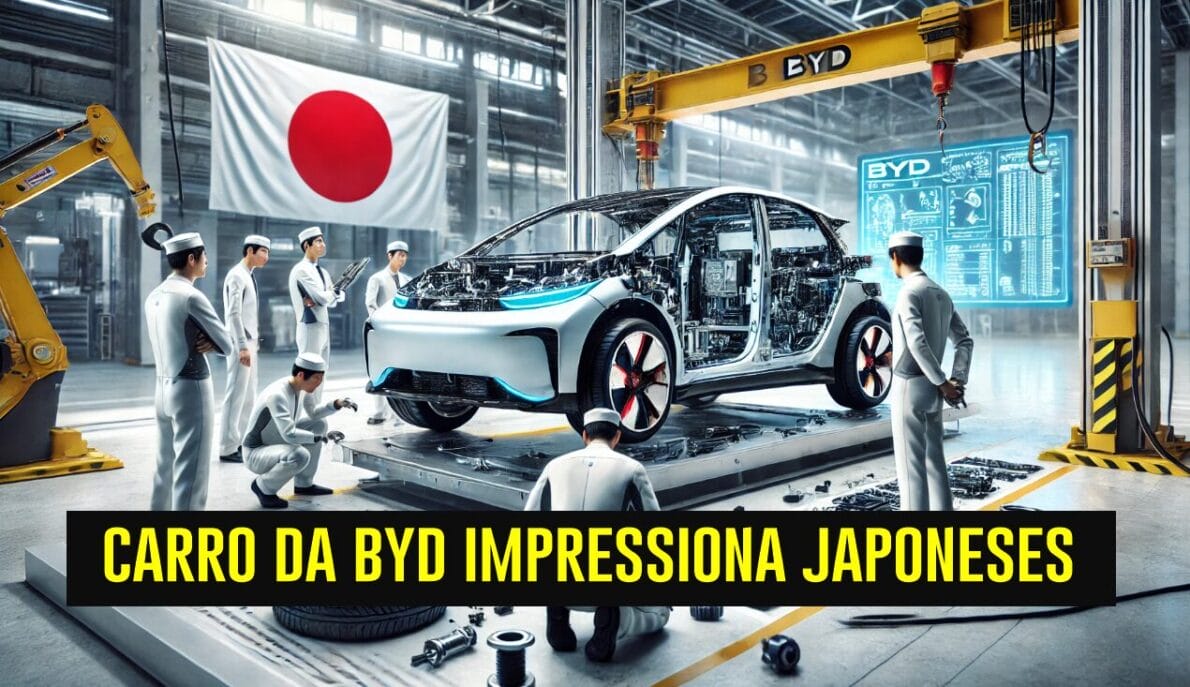
Japanese Experts Were Perplexed By BYD’s Electric Car, Not Understanding How It Is Possible To Produce High-Quality Vehicles At Such Low Costs. See How This Innovation Is Transforming The Global Automotive Market!
The Japanese automotive sector, known for its efficiency and cutting-edge technology, was recently put on alert after witnessing the teardown of the Atto 3, a fully electric SUV from Chinese BYD. The question that dominated the scene was: “How can it be produced at such a low cost?“.
This question echoed at a seminar on electric vehicles in Japan, following a detailed presentation of the model.
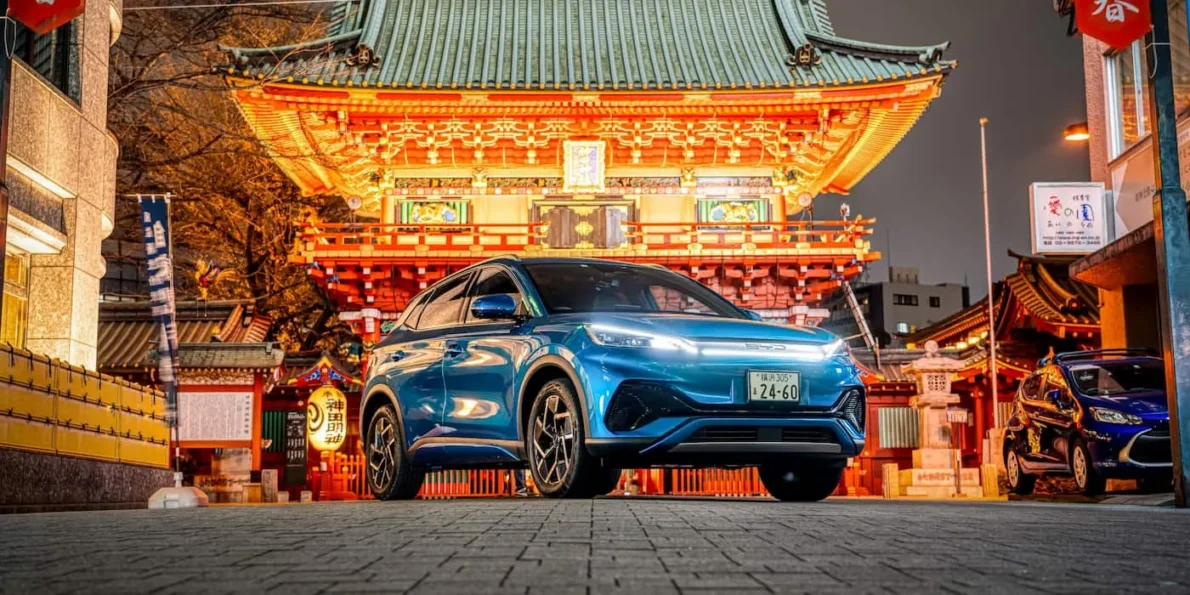
Launched in the Japanese market in January 2023, the Atto 3, which costs around US$ 30,000 (approximately 4.4 million yen), quickly drew attention for its cost-benefit ratio.
-
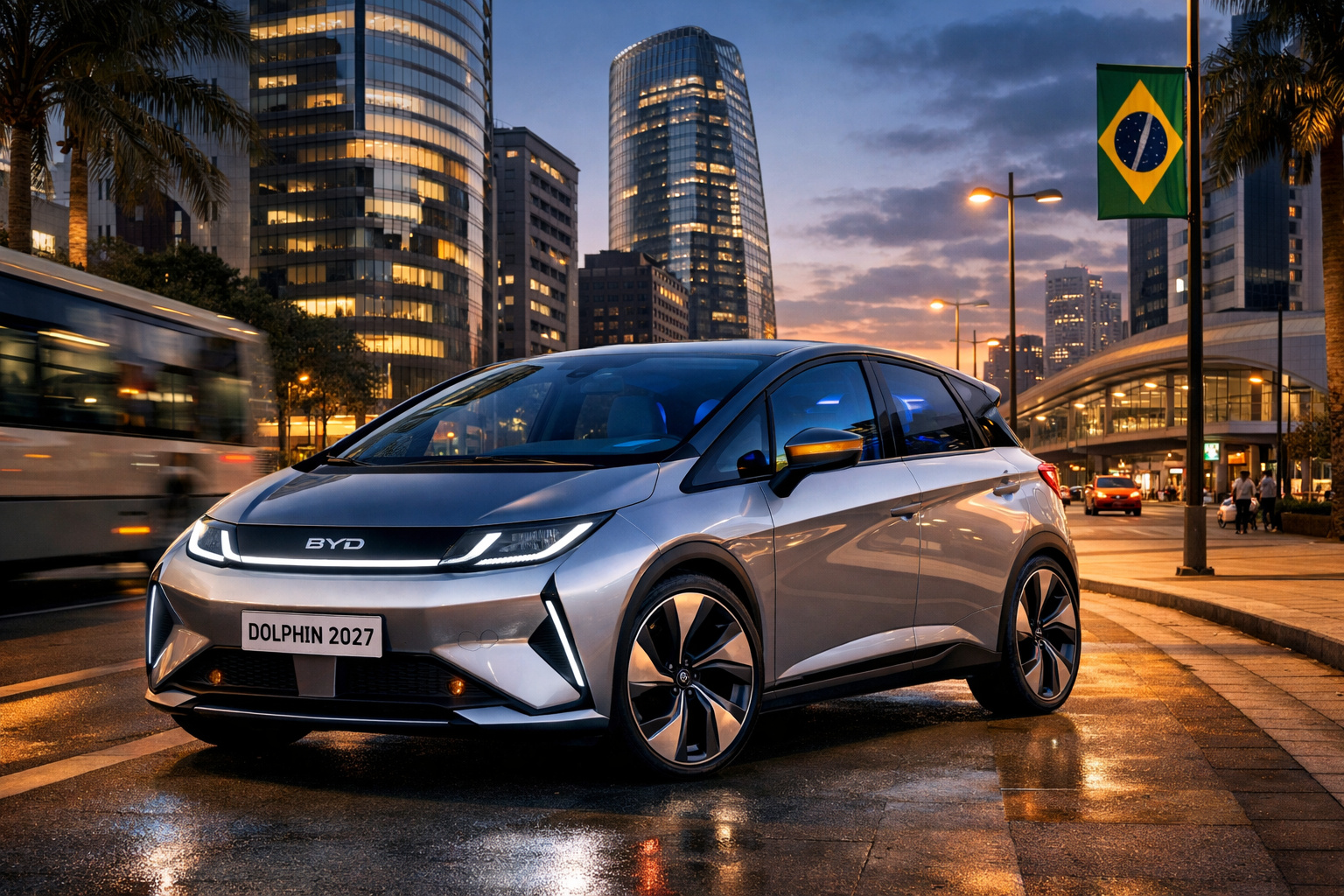
BYD Dolphin 2027 gains more power, increases in size, changes interior, and abandons controversial feature to face new competition in Brazil.
-
The German economist Wolf-Peter Schill has no doubts: “Electric cars are already far superior to cars with internal combustion engines.”

-
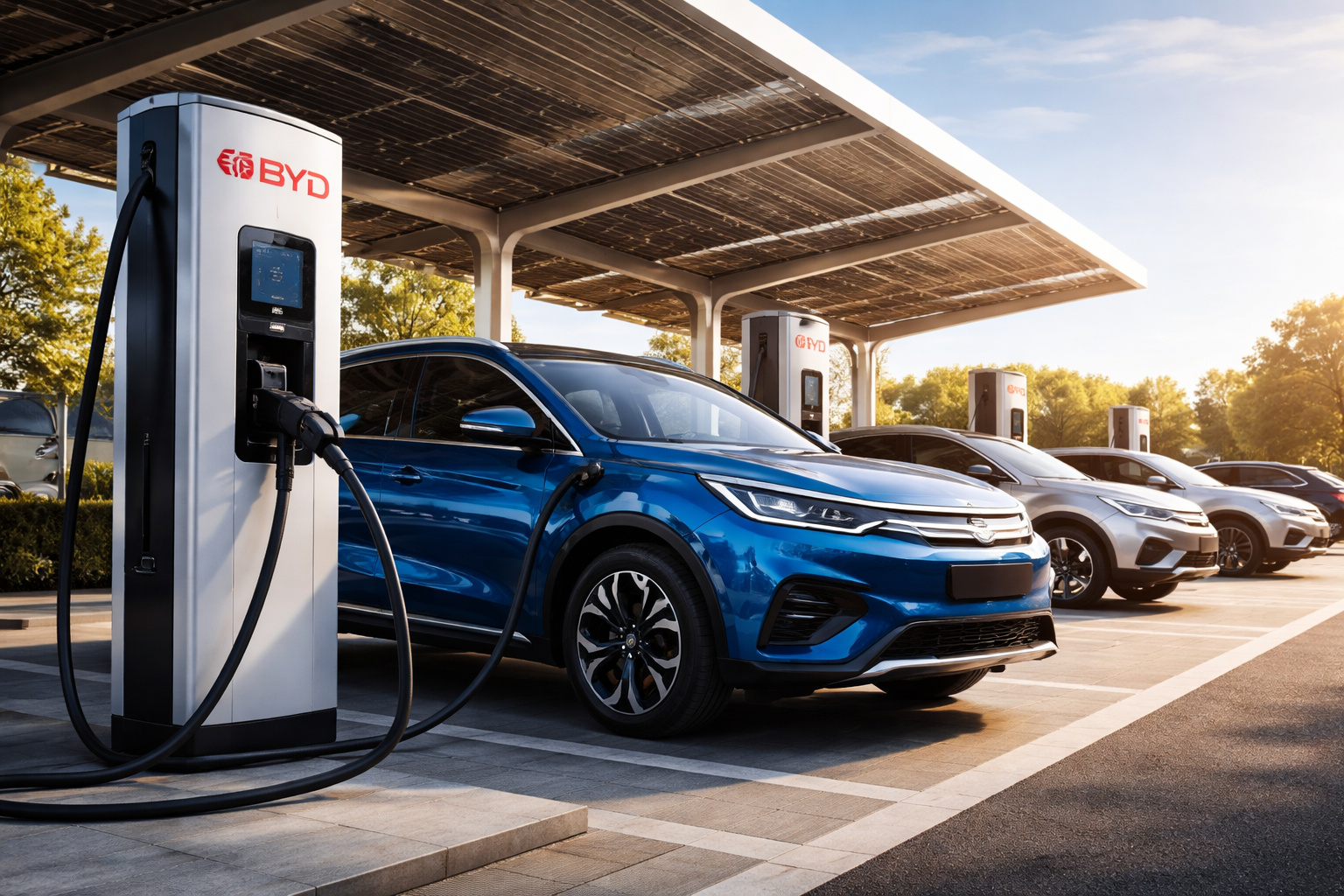
Largest public charging network in Brazil: BYD reaches 125 fast chargers and accelerates national expansion of electric mobility.
-
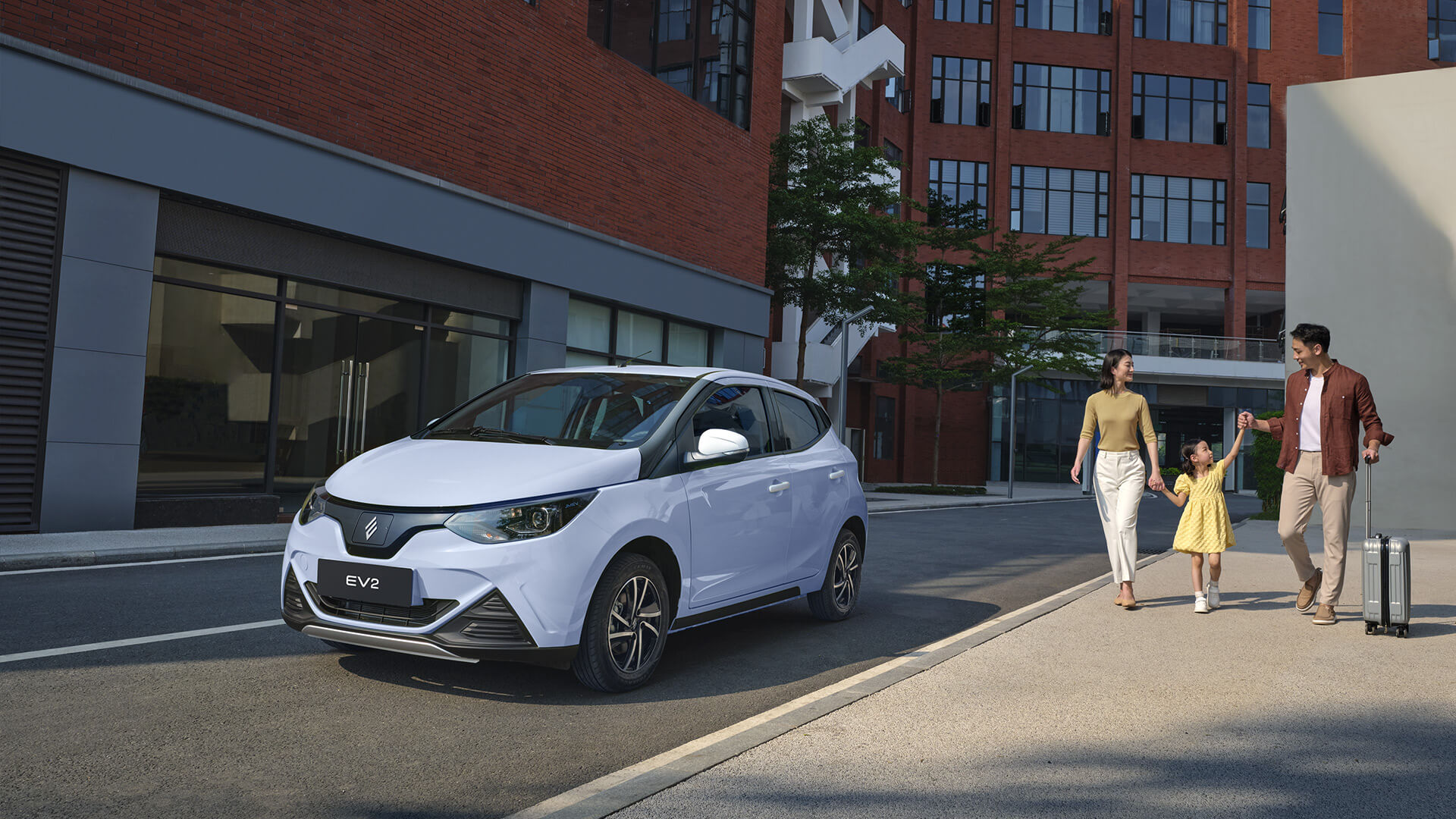
Goodbye expensive popular car: electric vehicle for less than R$ 70,000 starts being sold in Brazil with a range of 200 km and targets those looking to escape gasoline.
BYD did not stop there. The company quickly added two more models to its lineup in Japan: the Dolphin and the Seal, both positioned as low-cost options in the electric vehicle segment.
The Dolphin, with a starting price of US$ 24,500 (3.63 million yen), and the Seal, starting at US$ 33,000 (5.28 million yen), also became market references.
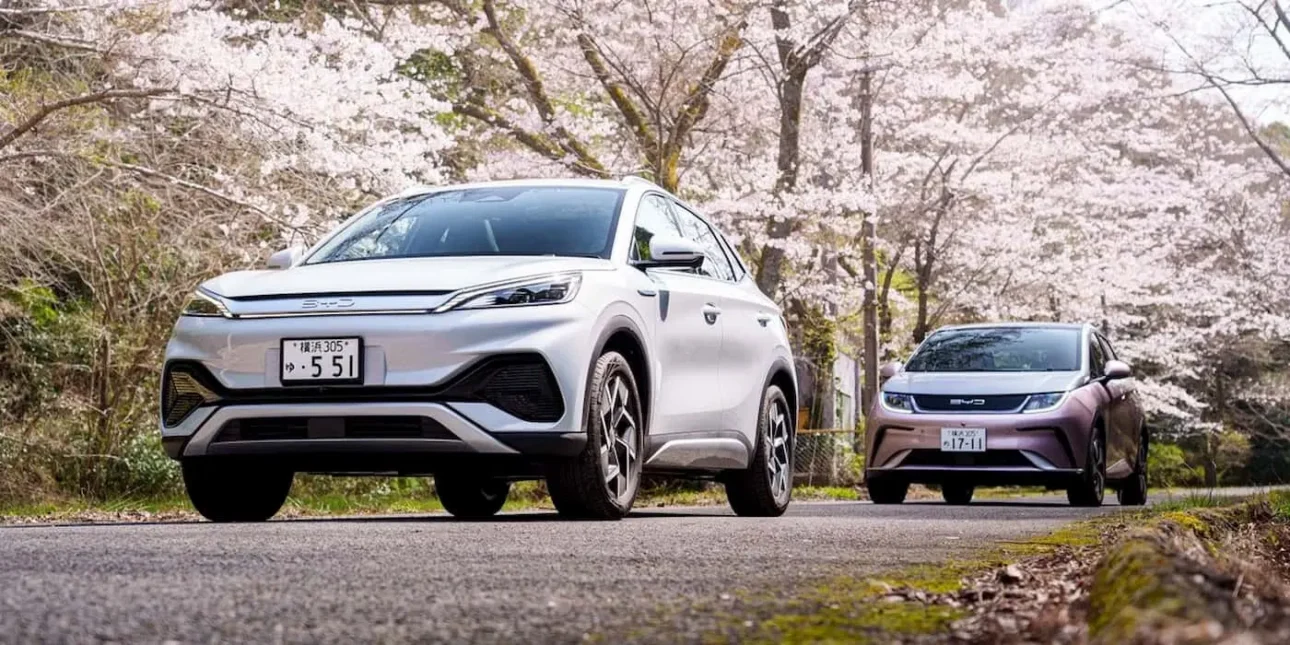
However, it was the success of the Seal, seen as a direct response to the Tesla Model, that truly caught attention in the country. Launched at the end of June, BYD’s electric sedan quickly became the best-selling imported electric vehicle in Japan in August.
The question now is: how does BYD, along with other Chinese EV manufacturers, manage to produce vehicles at such competitive prices?
Seminar Reveals Production Secrets
In early October, the Central Japan Economic and Trade Office held a seminar to discuss trends in battery electric vehicles (BEVs), gathering about 70 Japanese companies from the automotive sector.
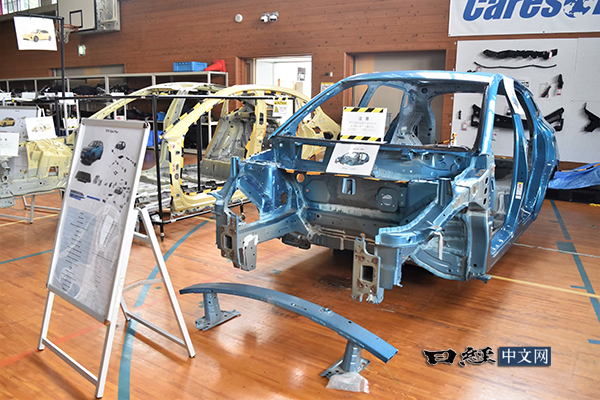
The event featured over 90,000 parts from 16 electric vehicles, all foreign-made. Among the models presented were BYD’s Atto 3, NIO’s ET5, and Tesla’s Model Y. However, it was the Atto 3 that stole the show.
During the teardown of the electric SUV, participants were surprised by the simplicity of the design and the integration of components, sparking discussions about how BYD manages to reduce production costs so drastically.
Internal Production: BYD’s Differential
One answer to this puzzle lies in BYD’s ability to manufacture most components in-house. This allows the company to significantly reduce production costs and better control quality and the supply chain.
It is worth noting that BYD started as a battery manufacturer, giving it a strategic advantage in the electric vehicle sector.
The battery, for example, can represent more than one-third of the total cost of an EV, and BYD manufactures its own batteries, drastically cutting costs.
Recent data from CnEVPost indicates that the company is the second-largest producer of EV batteries in the world, with a 16.4% share of the global market, behind only the also Chinese CATL, which holds 37.1% of the market.
Integration And Efficiency In Production
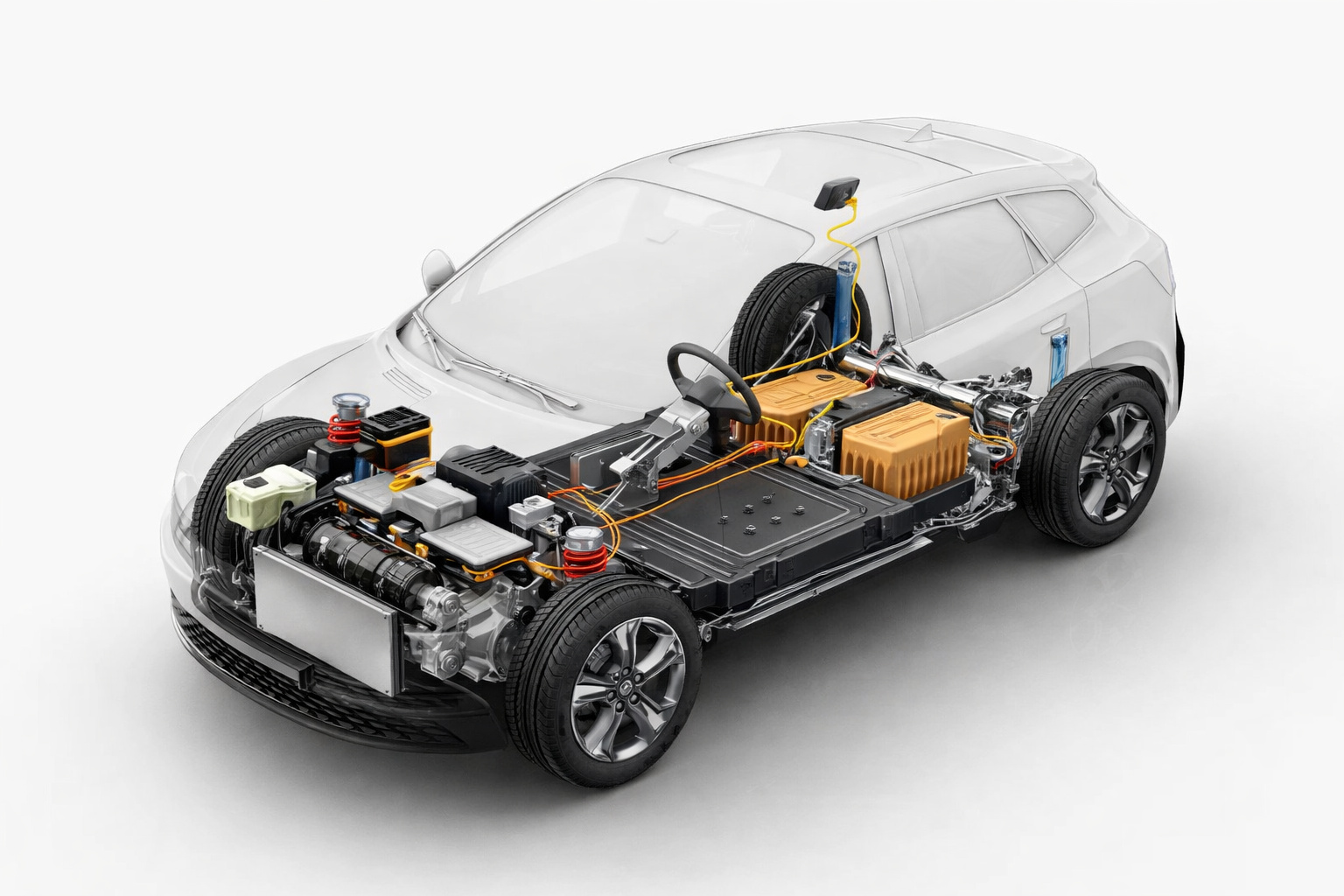
Another important aspect is BYD’s ability to integrate complex components into simplified modules. A clear example of this is the E-Axle 8 in 1, which combines the motor, inverter, and reducer into a single unit.
This integration not only reduces production costs but also decreases the number of parts, which directly impacts maintenance and vehicle efficiency.
Sho Kato, head of department at the Japanese company Nissin Seiki, who attended the event, stated: “I was impressed by the small number of parts used by BYD and Tesla.” He also added that the company plans to use the experience gained in its current businesses to explore the EV market in the future.
The Japanese EV Market In Transformation
With the growing popularity of Chinese electric vehicles in Japan, the country’s automotive market is at a moment of reassessment.
The entry of manufacturers like BYD challenges the hegemony of traditional Japanese automakers, such as Toyota and Nissan, which have dominated the sector until now. The Dolphin, for example, directly competes with the Toyota Prius and the Nissan LEAF, two of the most popular electric models in Japan.
Furthermore, the electric vehicle exhibition center, opened in March 2022, has already attracted over 450 companies interested in exploring this growing market.
New models, such as Hyundai’s IONIQ 6, are expected to be included in the exhibition by the end of October, signaling that the future of EVs in Japan will be marked by intense competition and constant innovation.
Although Japanese automakers have dominated the automotive landscape for decades, the entry of companies like BYD shows that the electric vehicle industry is far from static. It remains to be seen how traditional manufacturers will respond to this new reality of fierce competition and low-cost innovation.









Seja o primeiro a reagir!