





 Portuguese
  English
  Spanish
  3 min of reading
  0 comments


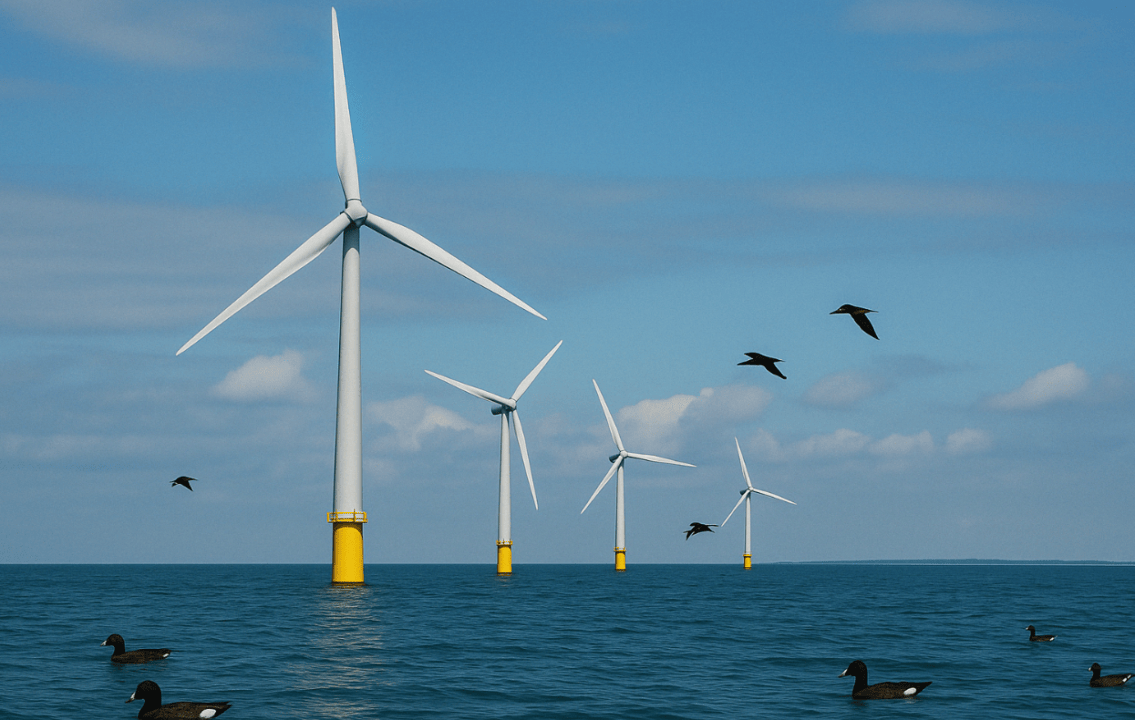
A New Study Revealed an Unexpected Challenge for the Advancement of Offshore Wind Energy: The Best Areas for Installing Turbines Frequently Coincide with Marine Areas Rich in Food for Wildlife.
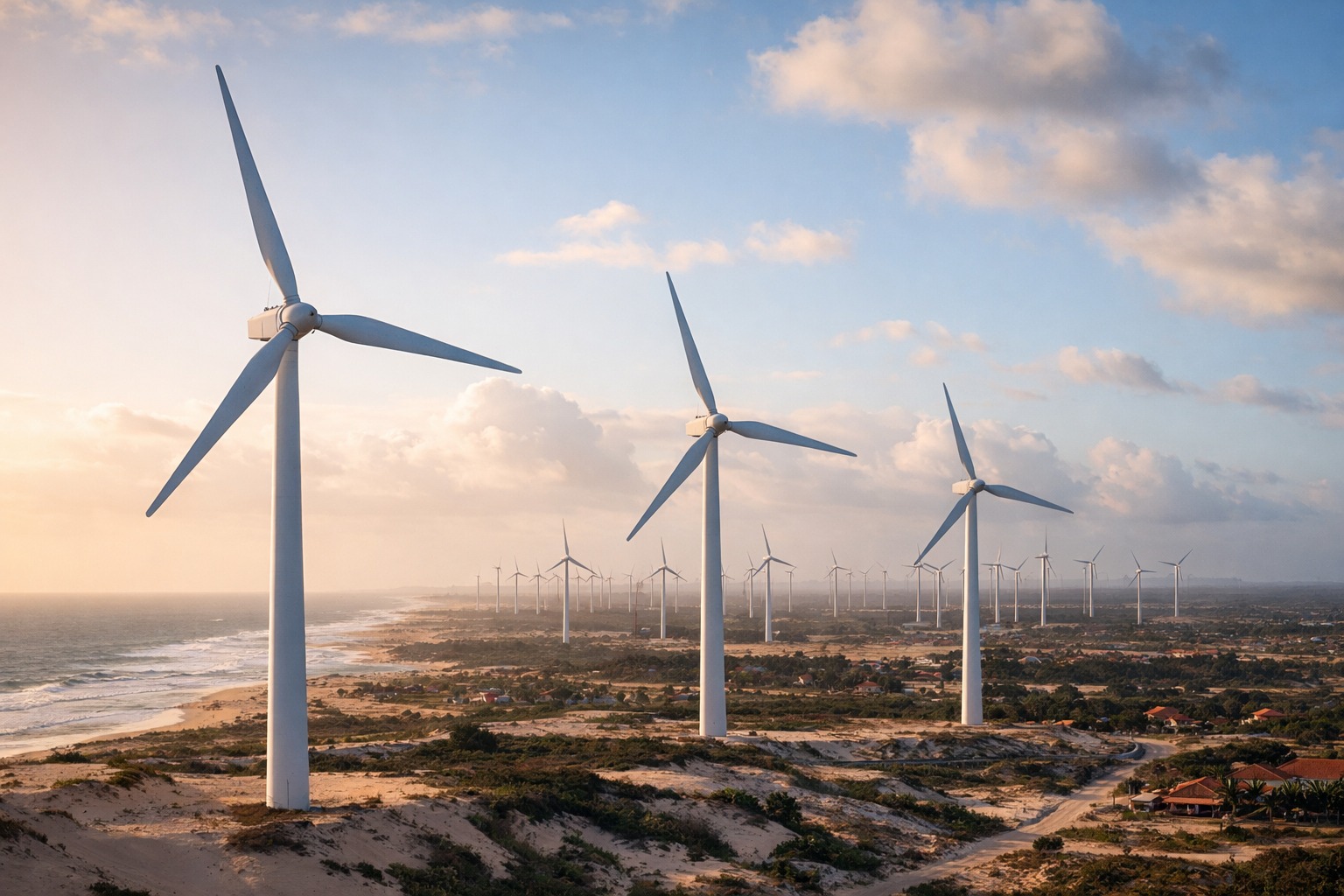
Over the past few decades, offshore wind energy has grown as a promising clean solution to climate change. But a new study warns of a dilemma that has so far gone unnoticed: the best locations to install turbines at sea are also often zones rich in wildlife.
This coincidence raises an urgent question — is it possible to expand renewable sources without jeopardizing marine biodiversity?
Conflict Between Wind and Life
The study was conducted by scientists from the University of Alicante in Spain, along with partners from other institutions.
-
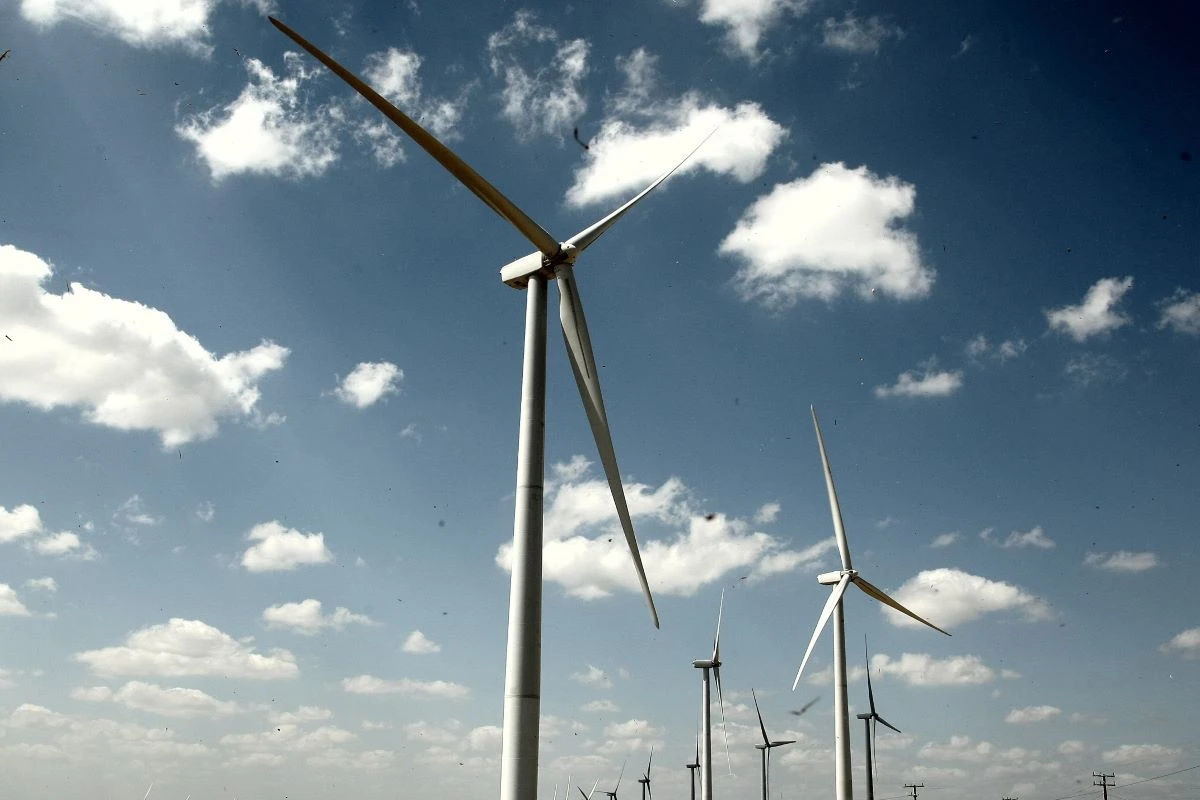
Urgent energy transition: Greenpeace advocates for massive investments and points to Brazil as a global leader in wind energy production in the coming years.
-
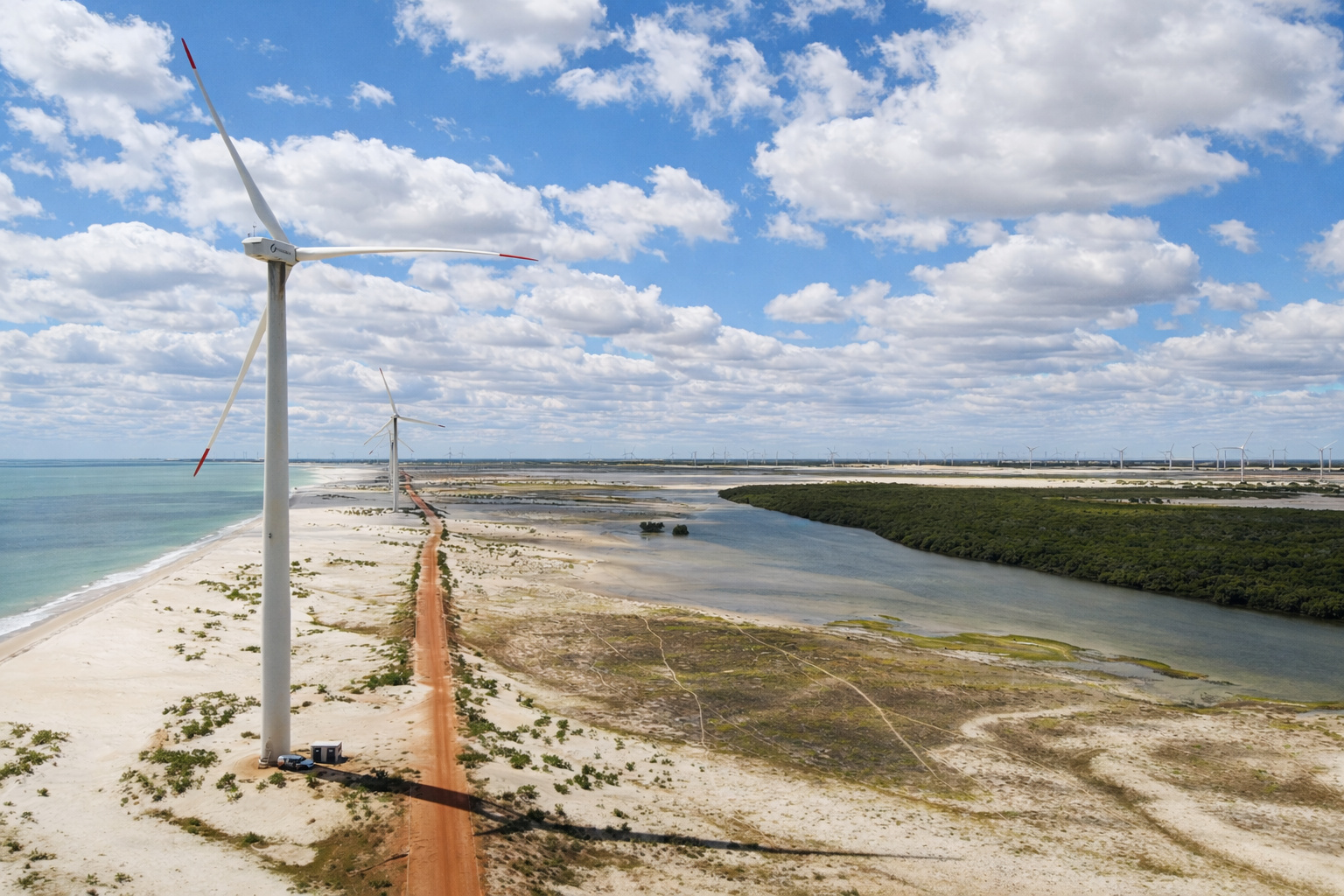
Conflict in the Sertão: Rural communities in Rio Grande do Norte report issues with wind farms and the new challenges of clean energy in the semi-arid region.
-
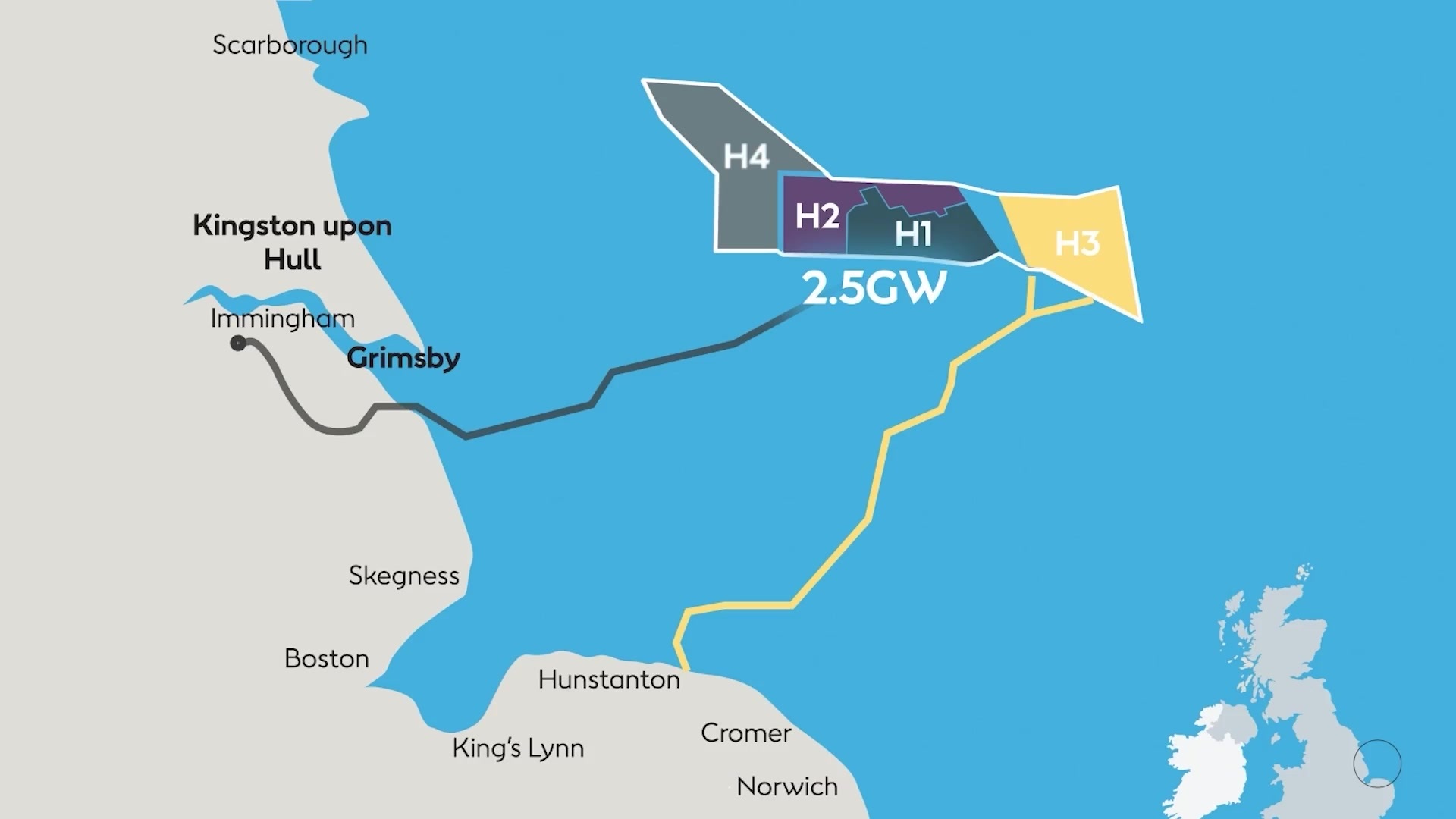
231 turbines of 260 meters at 160 km from the coast, monopiles weighing as much as nine blue whales embedded in the North Sea, and a crane ship taller than the Eiffel Tower: Hornsea 3 will be the largest offshore wind farm on the planet by 2027, and its first components have already arrived in England.
-
International Certification Puts Senai Norte on the Renewable Energy Map and Expands Access to Essential Training for Qualified Wind Power Professionals


The researchers identified that many of the sites with the highest potential for offshore wind energy generation are also areas with intense biological activity.
In particular, regions where seabirds and marine mammals feed.
The overlap of these two interests — energy and nature — creates a direct conflict between the advancement of the energy transition and the preservation of ocean ecosystems.
Turbines Also Cause Impact
Building turbines at sea may seem like a less aggressive alternative than on land. However, the environmental impacts are significant and varied.
Among them, underwater noise stands out, affecting the communication of whales and dolphins, as well as altering or destroying habitats.
Another critical point is the risk of bird collisions with turbines during flight. Although some areas around wind farms become zones where fishing is restricted — which could benefit certain species — this does not compensate for the risks when turbines are installed in ecologically sensitive regions.
<strong Mapping the Ocean with Mathematics
Since it is not possible to track individual marine animals, researchers turned to mathematical models to predict where marine life concentrates.
The strategy was to observe food chains. The conclusion: the determining factor is not species diversity, but rather biomass — that is, the amount of available food.
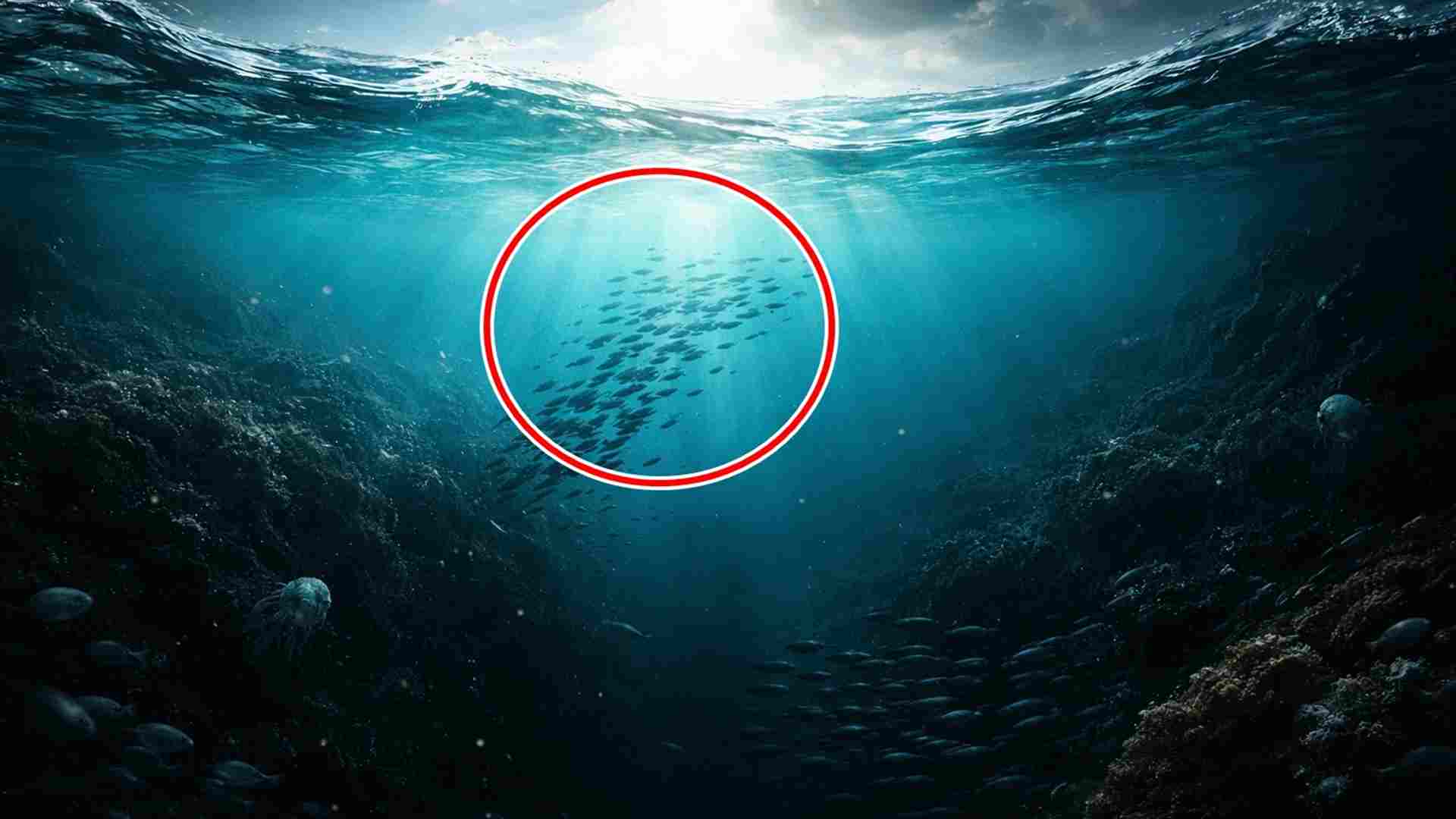
Where there is a lot of plankton, there are more fish; with more fish, predators emerge. This cascading effect creates the so-called “hot spots” of the ocean.
Maps Reveal Risk Zones
Based on the models, the team created global risk maps that overlap areas with high potential for wind energy and regions rich in biodiversity.
The result was clear: there is a significant overlap in the Northern Hemisphere, particularly in the North Atlantic and the North Sea.
In the Southern Hemisphere, this overlap appears to be smaller, but this may be related to a lack of data in the region.
A concerning fact is that many of the areas identified as high risk still lack legal protection. Therefore, the authors recommend that governments and environmental entities take urgent measures, such as:
- Expanding and strengthening marine protected areas.
- Creating ecological exclusion zones.
- Basing decisions on scientific data rather than political interests.
Technology Can Help — or Hinder
Among the most promising tools is the use of GPS to monitor seabirds. This type of tracking can reveal if animals are avoiding areas with turbines.
However, this behavior may indicate a new problem: if they are avoiding the turbines, are they also avoiding their food sources?
These are questions that still need answers. But one thing is clear. The future of energy needs to be clean, yes — but it also needs to be fair to biodiversity.







Seja o primeiro a reagir!