





 Portuguese
  English
  Spanish
  3 min of reading


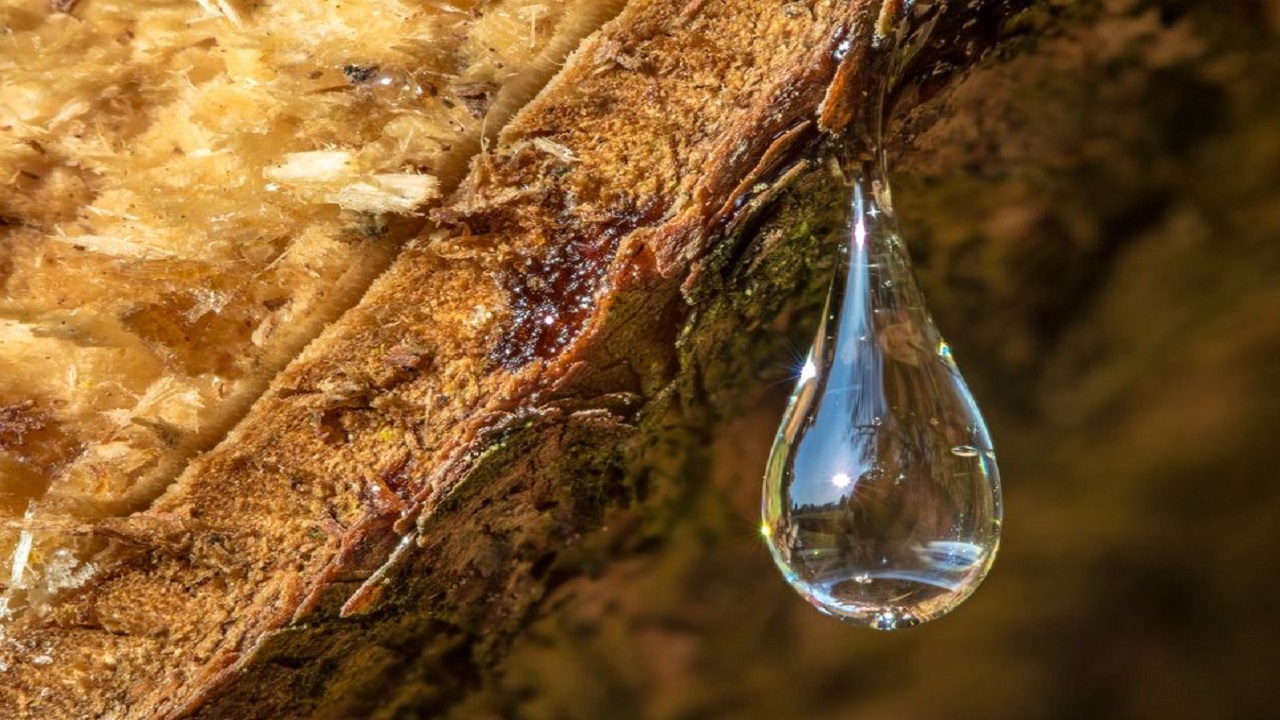
With the forecast of a future oil shortage in the world by 2050, researchers highlight resin as an alternative to replace oil. The material is a biodegradable element that can produce plastic and decomposes faster than oil derivatives
Thinking about replacing oil, researchers from the other side of the world are “reviving” traditions that have been passed down through generations for the existence of humanity. There is a place between Tierra de Pinares and Sierra de Gredos, in Spain, formed by a forest of pine trees that release a type of resin. The 400 thousand hectares area extends its beauty to the mountains, but what makes it so special are its resins, which have been used by various civilizations for thousands of years. According to researchers, resin is a biodegradable element that can, like oil, produce plastic.
Read Also
Researchers Highlight the Advantages of Resin as a Viable Alternative to Replace Oil
According to researchers, the good news is that resin decomposes faster than the plastic currently derived from oil. Resin, an alternative to replace oil, is also widely used in the pharmaceutical industry and in construction applications. In Spain, about 95% of its extraction occurs in cities like León and Castilla. Hence the importance of preserving these ancestral forests.
According to researchers, if the Spanish government paid more attention to this activity, which can replace oil, producers could work year-round in the mountains. Thus, young people could also return to their hometowns, and ecotourism would see a significant increase.
-
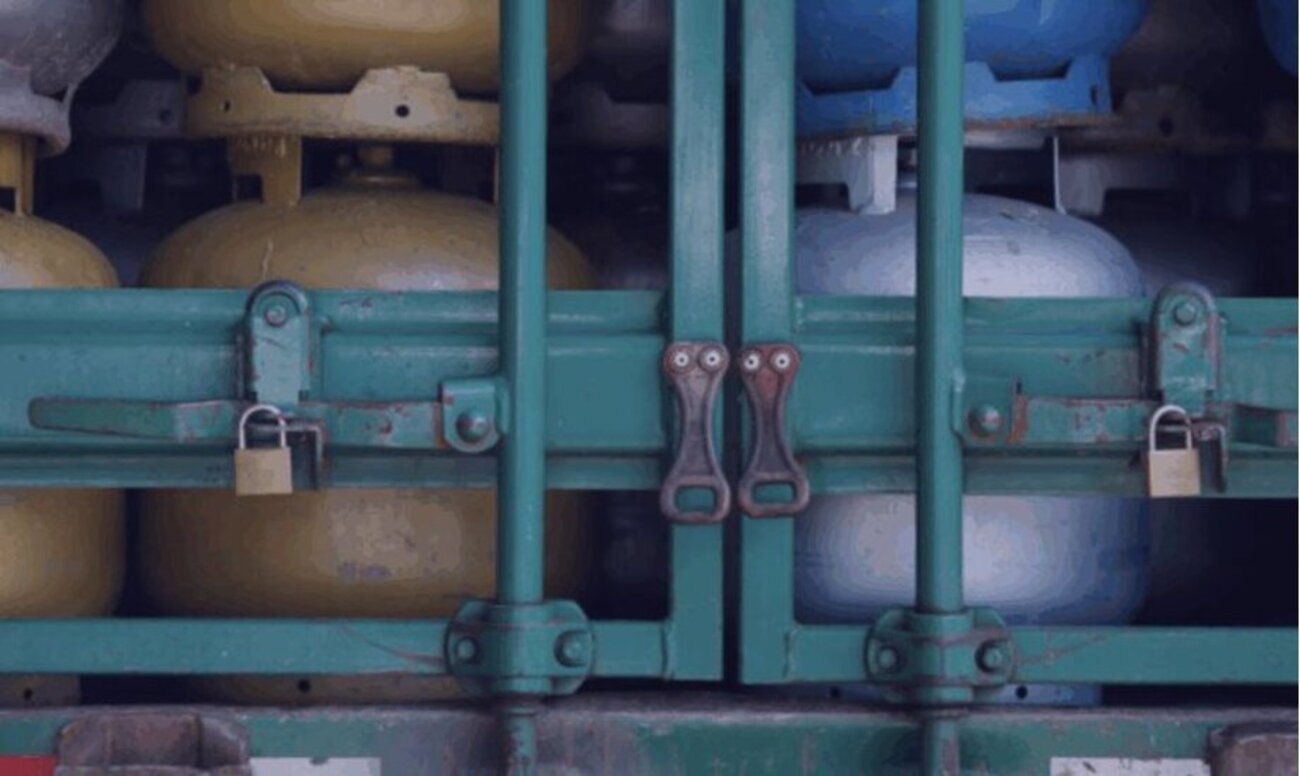
Petrobras evaluates suspension of sales to distributors and considers canceling the cooking gas auction following guidelines from the Federal Government.
-
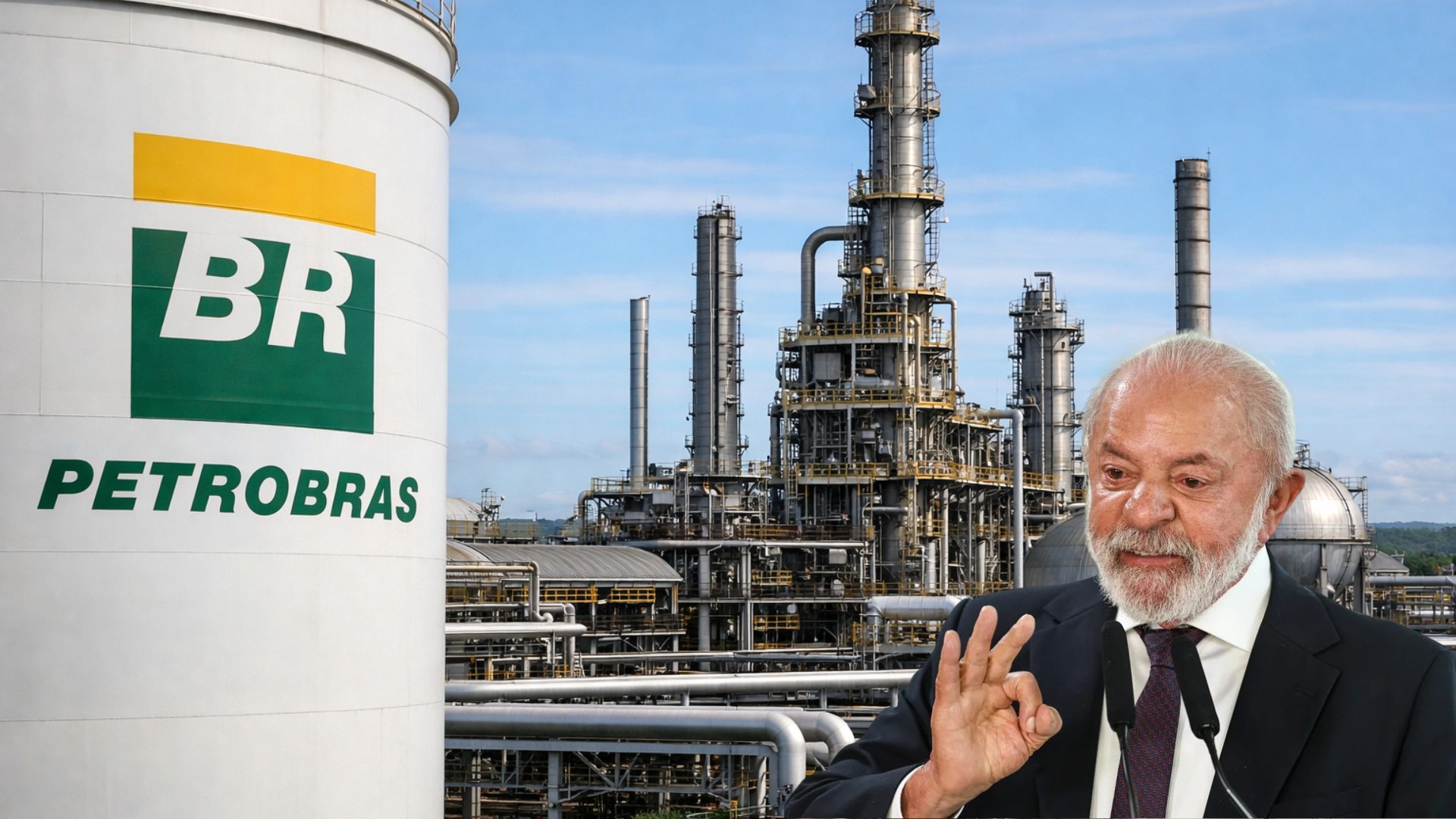
Lula reveals a masterstroke by Petrobras to undo a deal made by Bolsonaro, which involves the return of an important refinery that currently produces less than half of what was expected and makes Brazil dependent on international diesel.
-
A study confirms that the natural gas sector will reduce greenhouse gas emissions in Brazil by 0.5% and accelerate the energy transition by 2026.

-
Petrobras implements a severe adjustment and confirms a 55% increase in the price of aviation kerosene with a proposal for installment payments for the companies.


Meet GO-RESINLAB
There is already an operational group focused exclusively on using resin to replace oil. The Operational Group RESINLAB is an experimental laboratory composed of a network of parcels. Managers, Owners, Researchers, the transformation industry, and resin manufacturers will work together to develop innovations in processes to obtain raw material.
Furthermore, they will seek professional models that allow greater profitability for resin owners and manufacturers, as well as improving the value chain that ensures the sustainability of the national market.
The laboratory has three objectives:
- Promotion of new forms of professionalization in the sector;
- Creation of new extraction technologies that bring greater sustainability to the exploitation in the operational group’s parcel network;
- Creation of a data observatory.
Understand Why Resin Extraction Has Lost Momentum
Resin extraction from pine trees is one of the traditional forestry activities that most demonstrates the essence and sustainability of forest management. However, the lack of qualified labor, rural abandonment, its low profitability due to the various hours of work, and the international market situation have weakened this activity, compromising the sustainable management of several hectares of land.
At GO-RESINLAB, various resin extraction techniques will be studied to improve efficiency and sustainability in its use to replace oil, as well as the quality obtained.
An advancement in efficiency in the handling and extraction process is essential to improve the working conditions of producers and to resolve issues in regions with low labor availability.









Seja o primeiro a reagir!