





 Portuguese
  English
  Spanish
 3 min of reading


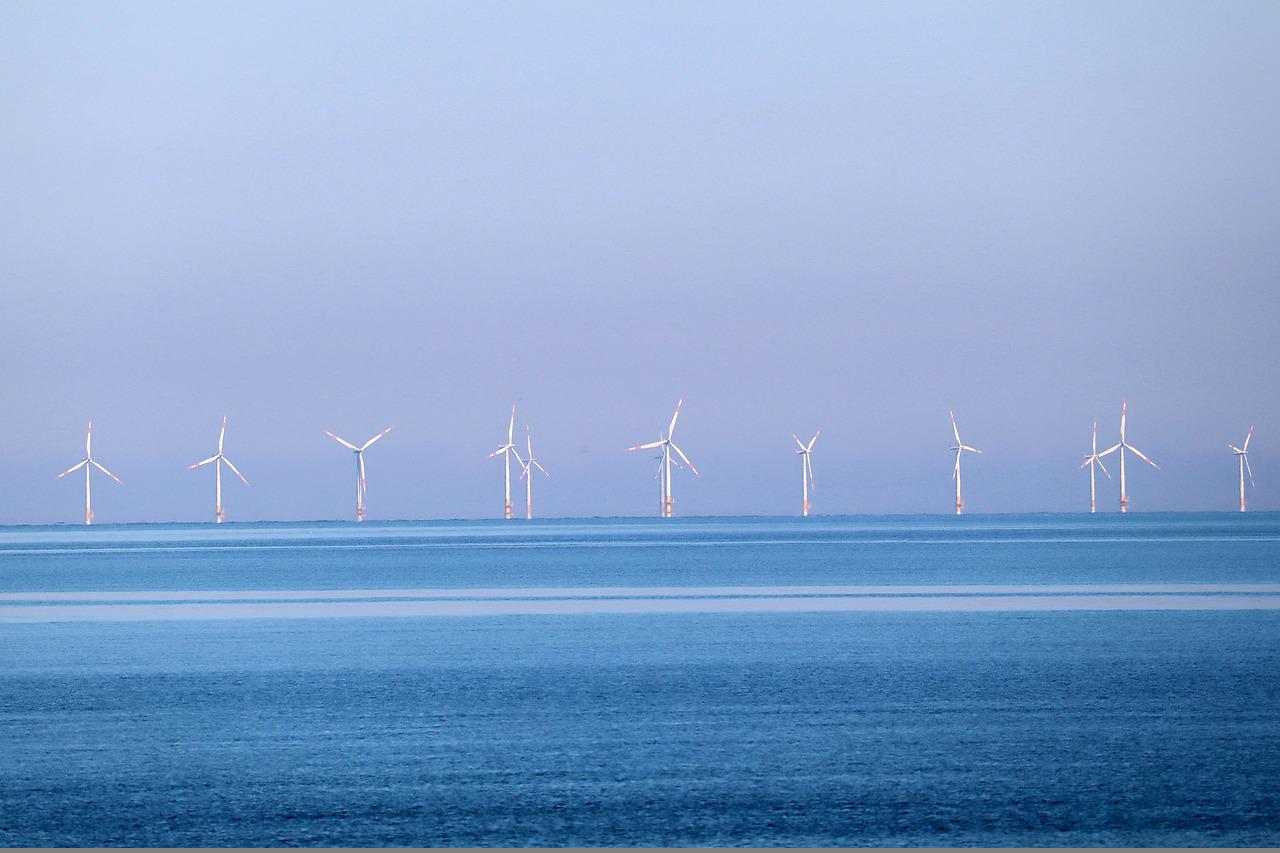
The President of Petrobras Shared the Vision of Creating an Ecosystem Focused on Offshore Wind Energy in the Region
In the coming years, Rio Grande do Norte is establishing itself as one of the main locations for the study and development of Petrobras technologies aimed at the installation of offshore wind farms in Brazil, according to ADVFN. During a press conference, Petrobras President Jean Paul Prates shared the vision of creating an ecosystem focused on offshore wind energy in the region, generating benefits for all involved, including workers, students, and companies interested in the sector.
Petrobras and the Energy Transition Strategy
Petrobras’s headquarters in Rio Grande do Norte, located in Cidade da Esperança in Natal, will play a crucial role in the promotion of energy transition and sustainability. The Energy Transition and Sustainability board of Petrobras, led by Mauricio Tolmasquim, will focus part of its activities in the region. Tolmasquim emphasized the strategic importance of offshore wind energy operations for Petrobras, stating that it is essential to look beyond the present and seize future opportunities.
In addition to Petrobras, other attendees at the press conference included the President of the Federation of Industries of RN, Amaro Sales, and the Director of SENAI of Rio Grande do Norte and the SENAI Institute of Innovation in Renewable Energies (ISI-ER), Rodrigo Mello. The meeting took place after an event at the Federation of Industries of Rio Grande do Norte (FIERN), where a protocol of intentions was signed to develop actions and strategies related to energy transition, renewable energies, and decarbonization in Brazil.
-
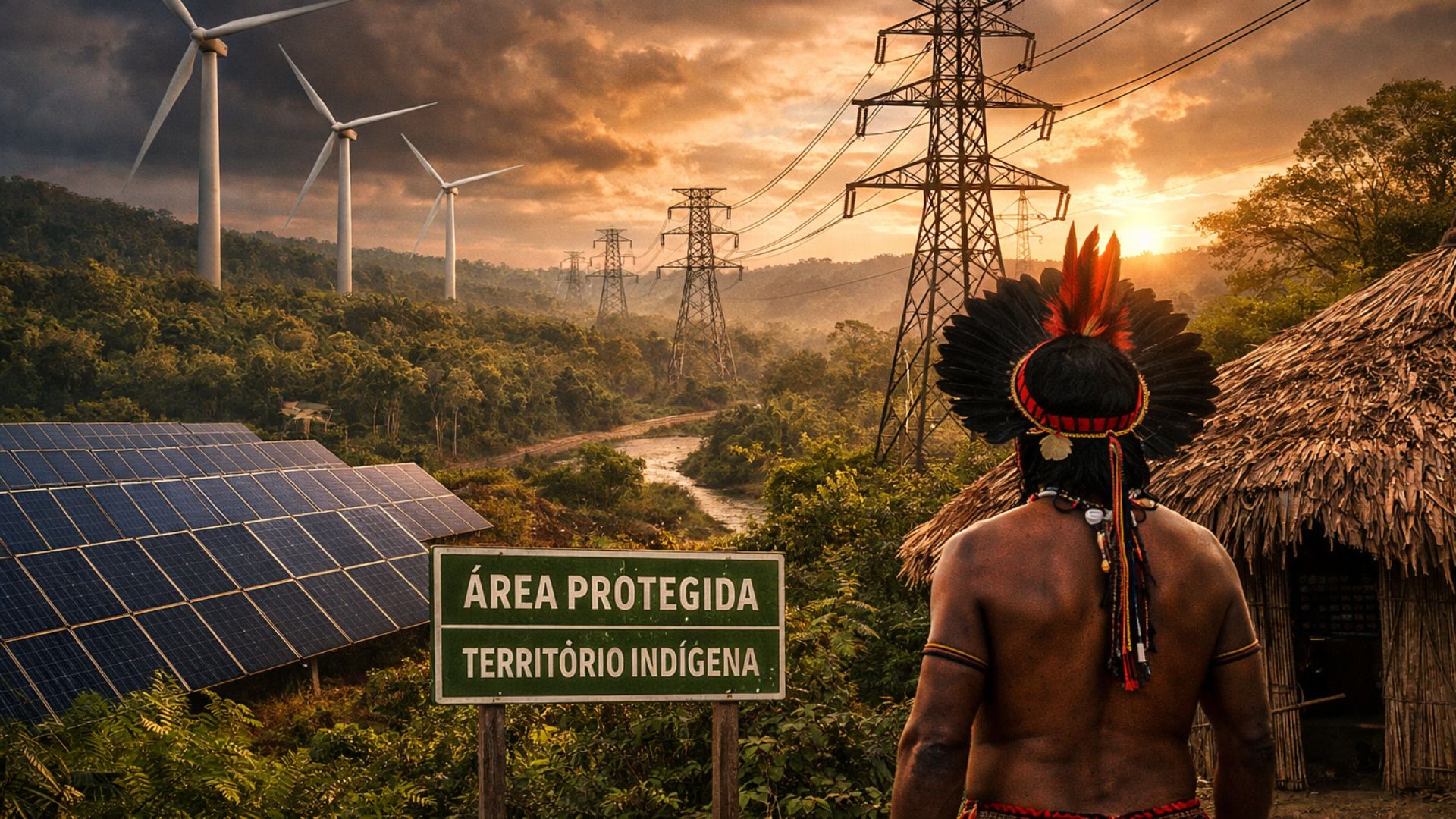
Renewable energy advances over protected areas in Brazil, and a survey by the Energy Transition Observatory reveals silent impacts that challenge environmental conservation and pressure sensitive traditional territories.
-
Rio Grande do Sul accelerates energy transition: State invests in renewable technologies and consolidates decarbonization strategies and pathways to attract billions in new industrial investments.

-
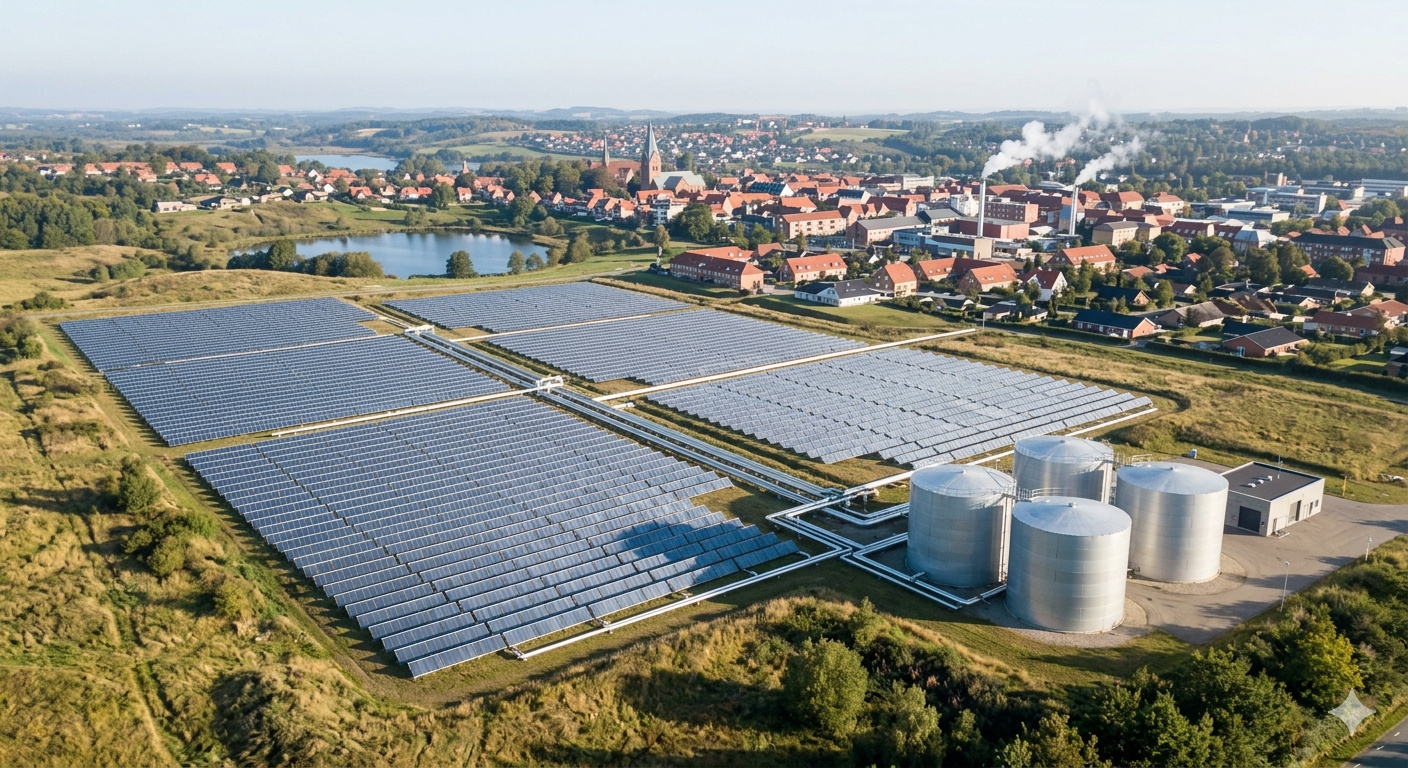
With 160,000 m² of collectors, an area larger than 20 football fields, Silkeborg, in Denmark, hosts a solar thermal plant that heats 19,500 homes and could become the largest solar heating plant in the world.
-
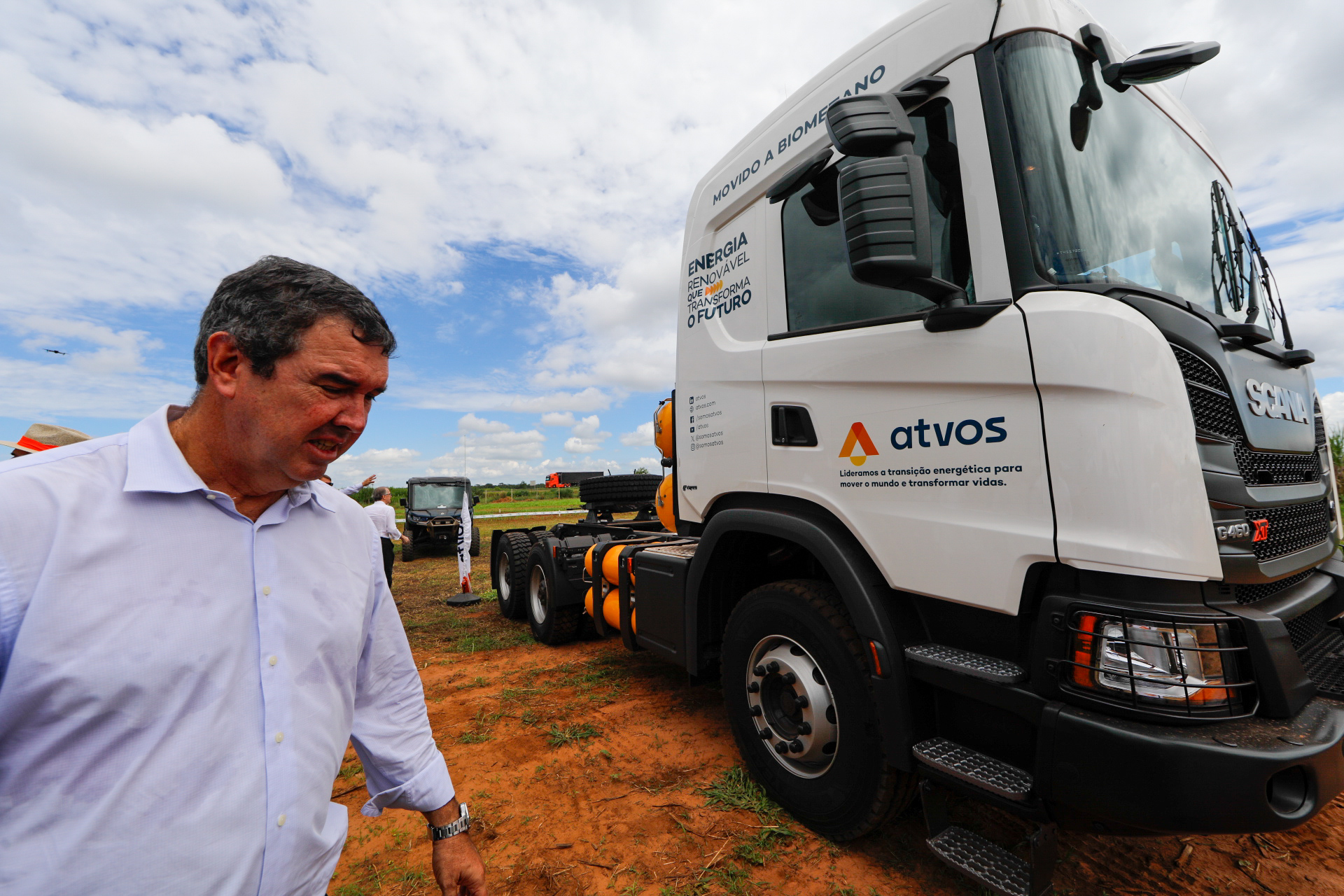
A study reveals the expansion of renewable energy procurement in Brazil and shows how companies are taking advantage of opportunities to reduce expenses, ensure energy efficiency, and strengthen strategic environmental commitments.


Perspectives and Benefits of Offshore Wind Energy to Be Installed by Petrobras
Mauricio Tolmasquim clarified that there is no direct competition between offshore wind energy and onshore wind energy, as investors and market conditions are different. Although the price of offshore wind energy is currently higher, the trend is that this cost will decrease over time, as has occurred with other sources, such as solar and onshore wind energy.
Moreover, Tolmasquim pointed out that Brazil has extensive knowledge in working in marine environments, particularly in the oil industry, which creates a comparative advantage for Petrobras in exploring offshore wind energy.
Opportunities That Petrobras Generates for the National Industry
During the press conference, FIERN President Amaro Sales emphasized the opportunities that will arise for the national industry with the installation of offshore wind farms by Petrobras. He highlighted two areas of benefits: the production of materials and job creation during the construction and production of components for the parks, and the availability of cheaper energy that can be consumed by the industry after the implementation period.
Rio Grande do Norte is becoming a promising destination for the development of offshore wind farms in Brazil. With Petrobras’s support, the region is creating a favorable ecosystem for offshore wind energy, aiming to boost the energy transition and promote sustainability.
The trend of falling prices for offshore wind energy, along with benefits for the national industry, strengthens this movement towards a cleaner and more sustainable energy matrix. Cooperation between the public and private sectors will be crucial for the success of this venture and to drive the energy transition in the country.








Seja o primeiro a reagir!