Portuguese
  Spanish


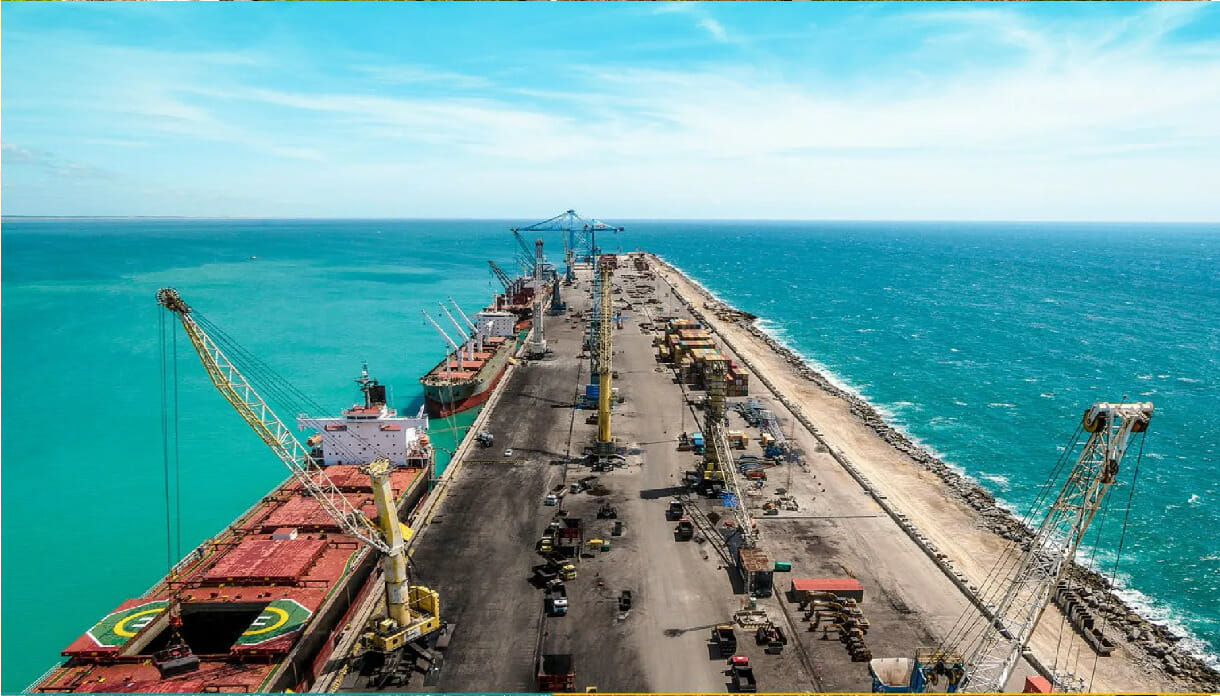

The Investment for Hydrogen Production in the Suape and Pecém Ports in the Northeast Aims to Contribute to the Renewable Fuels and Clean Energy Industry
The President of the European Commission, Ursula von der Leyen, announced that the Suape (PE) and Pecém (CE) ports are being considered to receive foreign investments of R$ 10 billion for hydrogen production (H2V). This news represents an opportunity for the two northeastern ports to engage in international cooperation in this important field, according to the Economic News Brasil website.
Senator Fernando Dueire (MDB-PE) is working together with Foreign Minister Mauro Vieira to ensure the inclusion of the Suape and Pecém ports in the international cooperation agenda on the topic. Recently, they met to discuss the next steps in this process.
The interest and need for international investments on the topic at the Suape and Pecém ports is no coincidence. Hydrogen is widely considered by experts and researchers as the fuel of the future, especially in its sustainable form. It is important to highlight that Brazil holds the position of the third largest producer of renewable energy globally, behind only the United States and China. Thus, the investment in Suape and Pecém would be a significantly positive point for Brazil.
-
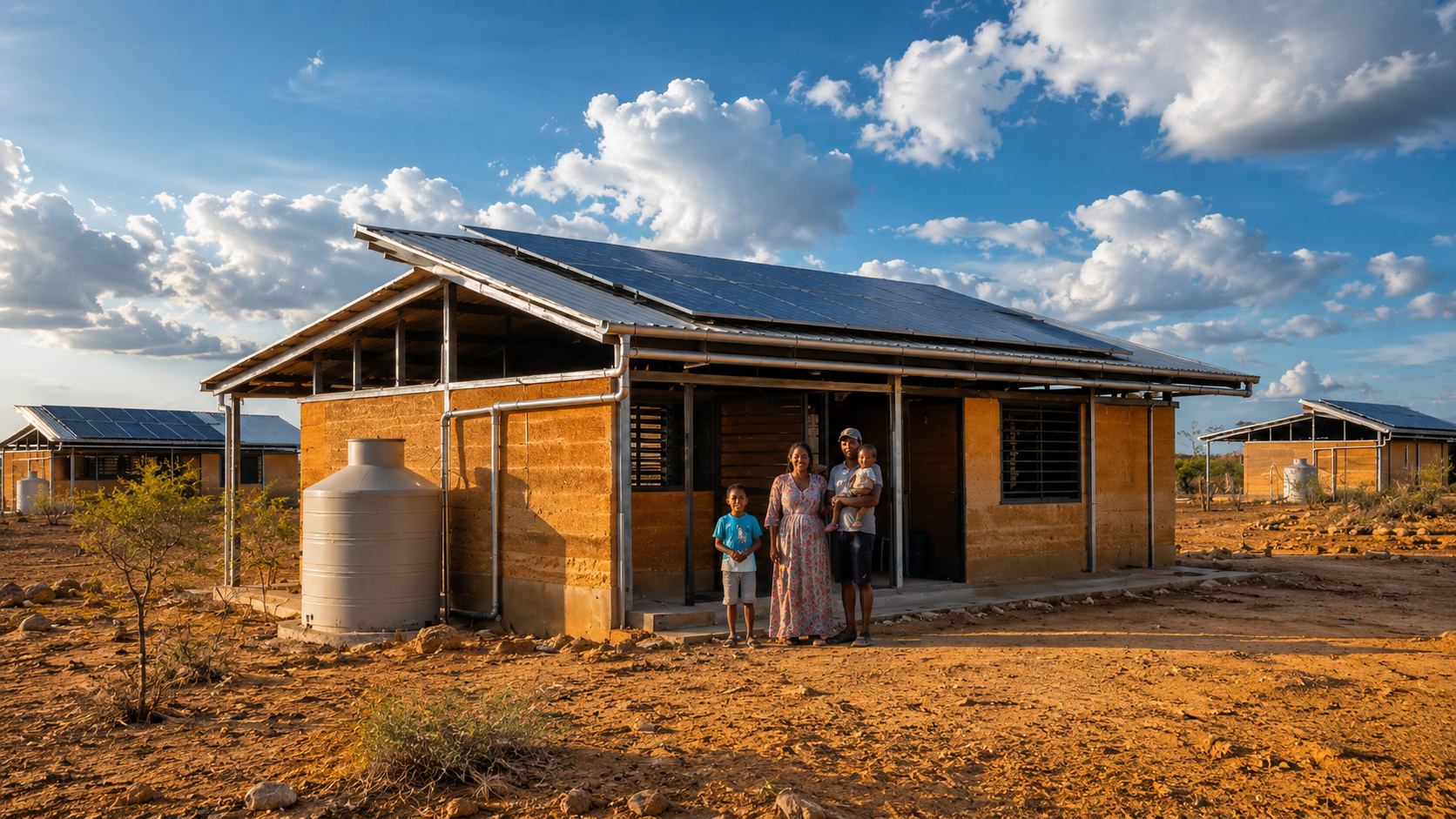
In Colombia’s desert, 30 families receive 80 m² homes with solar panels, waterless toilets, and rainwater collection systems amid water and energy shortages.

-
H2A to Invest $570 Million in 22 Biomethane Plants in Brazil, Converting Agricultural Waste into 700 Tons of Renewable Fuel Daily
-
Engie Secures 10-Year Use of 625 MWh in Batteries to Store Excess Solar and Wind Energy in Spain by 2028
-
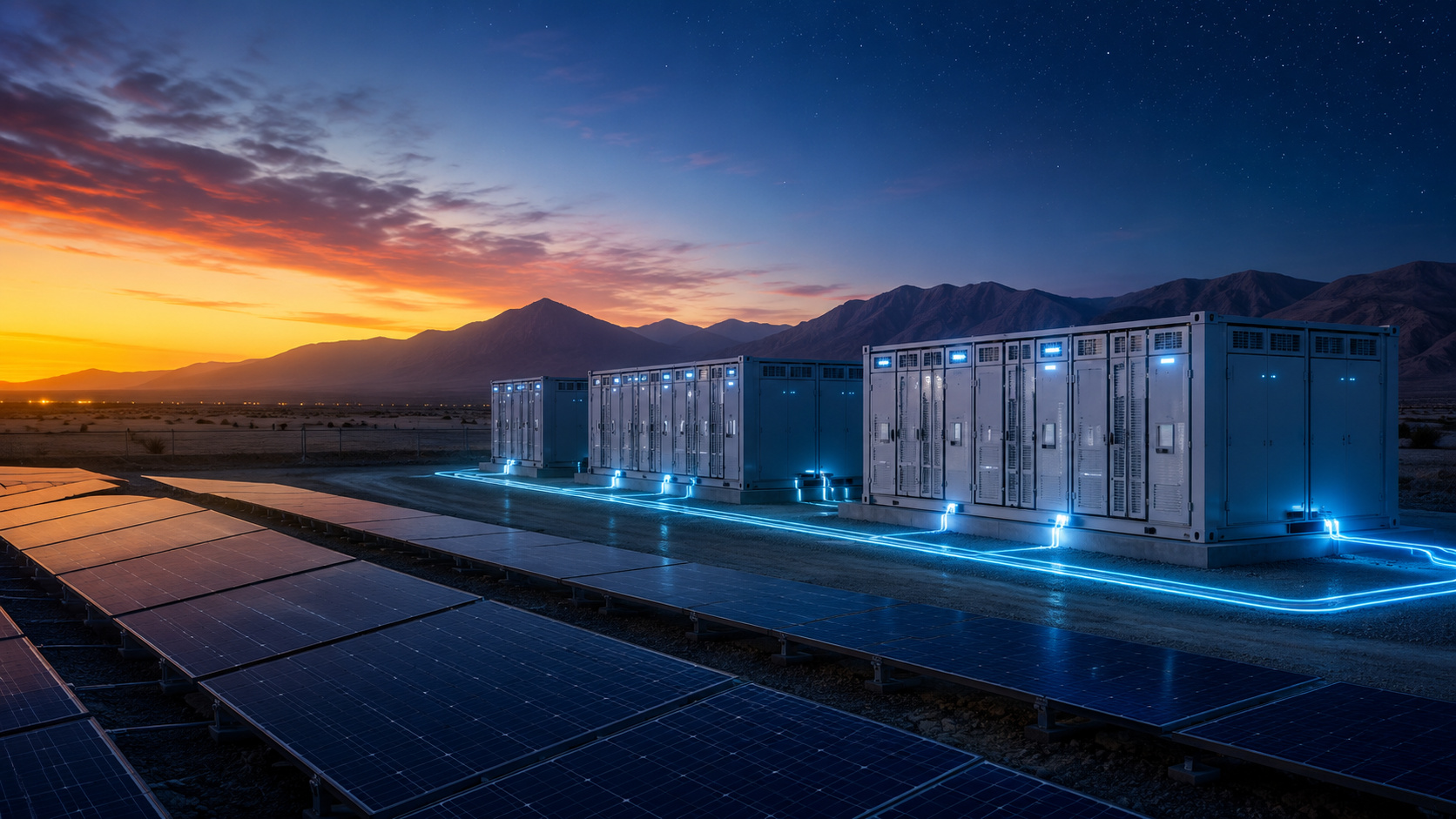
Giant Batteries Take Center Stage in Chile Auction as Company Offers 960 GWh of Solar Energy for Nighttime Use, Aiming to Stabilize Solar Power Supply


The Use of Renewable Fuels
The growing demand for clean and renewable energy sources has driven the development and use of hydrogen as a promising alternative. Its versatility, storage capacity, and potential for energy production without carbon emissions have sparked interest from various sectors of the industry, including transportation, electricity generation, and the chemical industry.
With a diverse energy matrix rich in natural resources, Brazil has a fundamental role to play in the transition to a more sustainable economy. The country has significant potential for the production and export of green hydrogen, leveraging its renewable resources such as solar and wind energy, and also possesses extensive knowledge and expertise in biofuels production.
With the possibility of investments in the green hydrogen sector at the Suape and Pecém ports, Brazil has the opportunity to further strengthen its position as a leader in renewable energy production and boost the sustainable development of the country.
The Northeast Region and Its Importance for Hydrogen Production
The Northeast region of Brazil is concentrating significant interest in green hydrogen (H2V). The region seeks to establish itself as a production hub due to its high potential for solar and wind energy generation, in addition to the strategic location of the Suape and Pecém ports concerning the European market.
Senator Dueire, a member of the Special Commission on Green Hydrogen in the Federal Senate, continues to advance his work in this area. He has a new hearing scheduled with the Secretary of Energy, Climate and the Environment at the Ministry, André Corrêa do Lago, to discuss the next steps and initiatives related to green hydrogen at the Suape and Pecém ports.
According to Dueire: “Uniting the investments from the European Community with the work we are doing in the commission to regulate and promote the production of this energy in the country will be decisive for the sector. And having the Ministry of Foreign Affairs as a partner in this joint effort is very important.”