





 Portuguese
  English
  Spanish
  2 min of reading


Petrobras Forecasts Búzios Field Production of Up to 2 Million Barrels of Oil Per Day by End of 2020
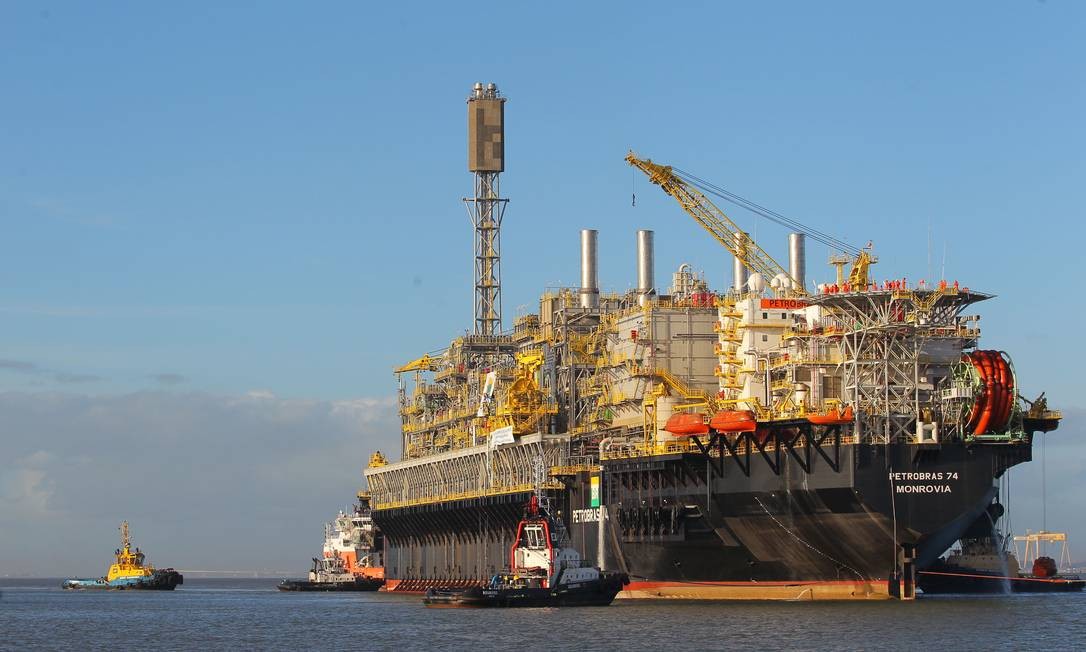
Currently, the amount of oil produced in Petrobras’ large Búzios field is 600 thousand barrels. The forecast was presented by the state company’s executive manager Marcio Kahn during the Pre-Salt Oil Technical Forum (PPSA). In the coming years, the area is expected to receive eight more drilling units, totaling 12 production units by 2030.
Also Read
Búzios Field of Petrobras: Oil Production
Today, Petrobras’ Búzios has four FPSOs (P-74, P-75, P-76, and P-77). The next units, P-78 and P-79, are expected to begin operations in the field in 2025. The vessels will be part of the company’s so-called new generation of high-capacity FPSOs, each producing 180 thousand barrels of oil per day.
The executive manager of Libra, Mariana Cavassin, also participated in the event and presented the HISEP Submarine technology (high-pressure separation). The innovation could assist Petrobras’ Búzios field and is expected to start operating in the Mero 3 field in 2024 and is currently in testing phase.
-
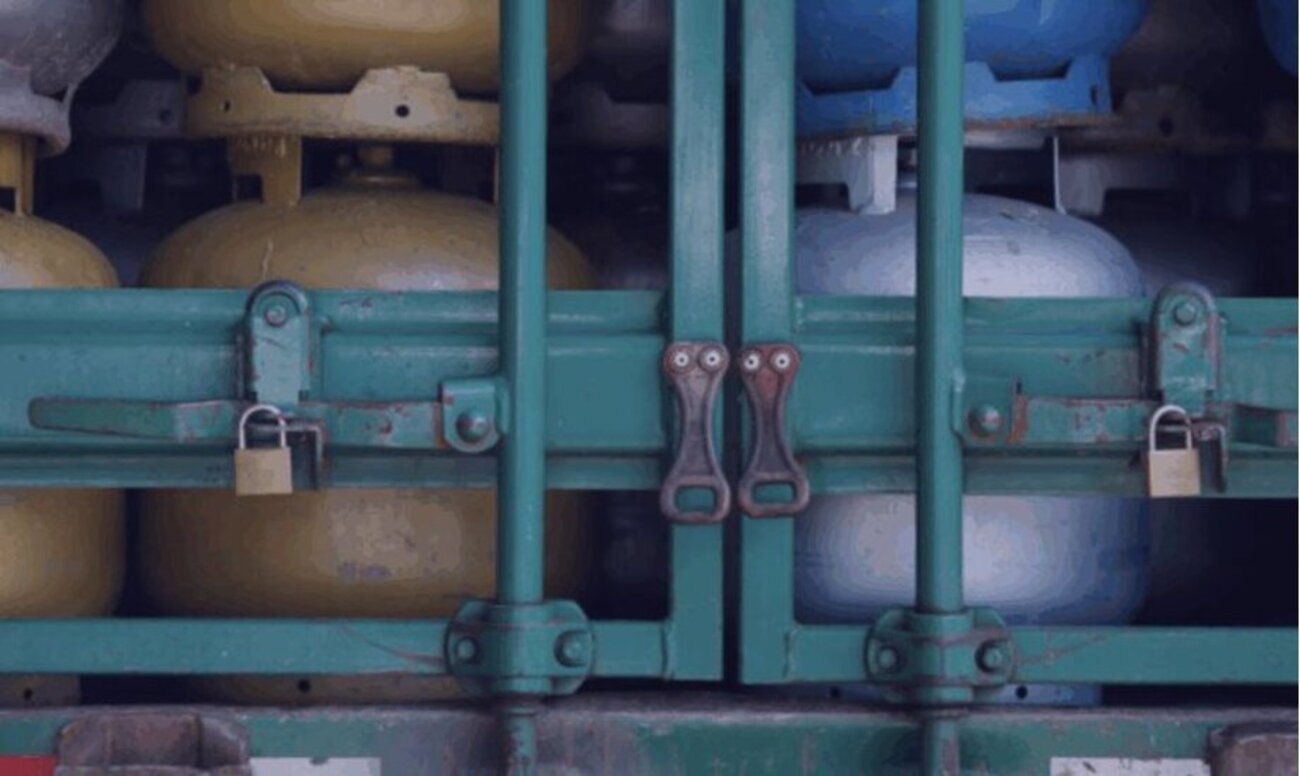
Petrobras evaluates suspension of sales to distributors and considers canceling the cooking gas auction following guidelines from the Federal Government.
-
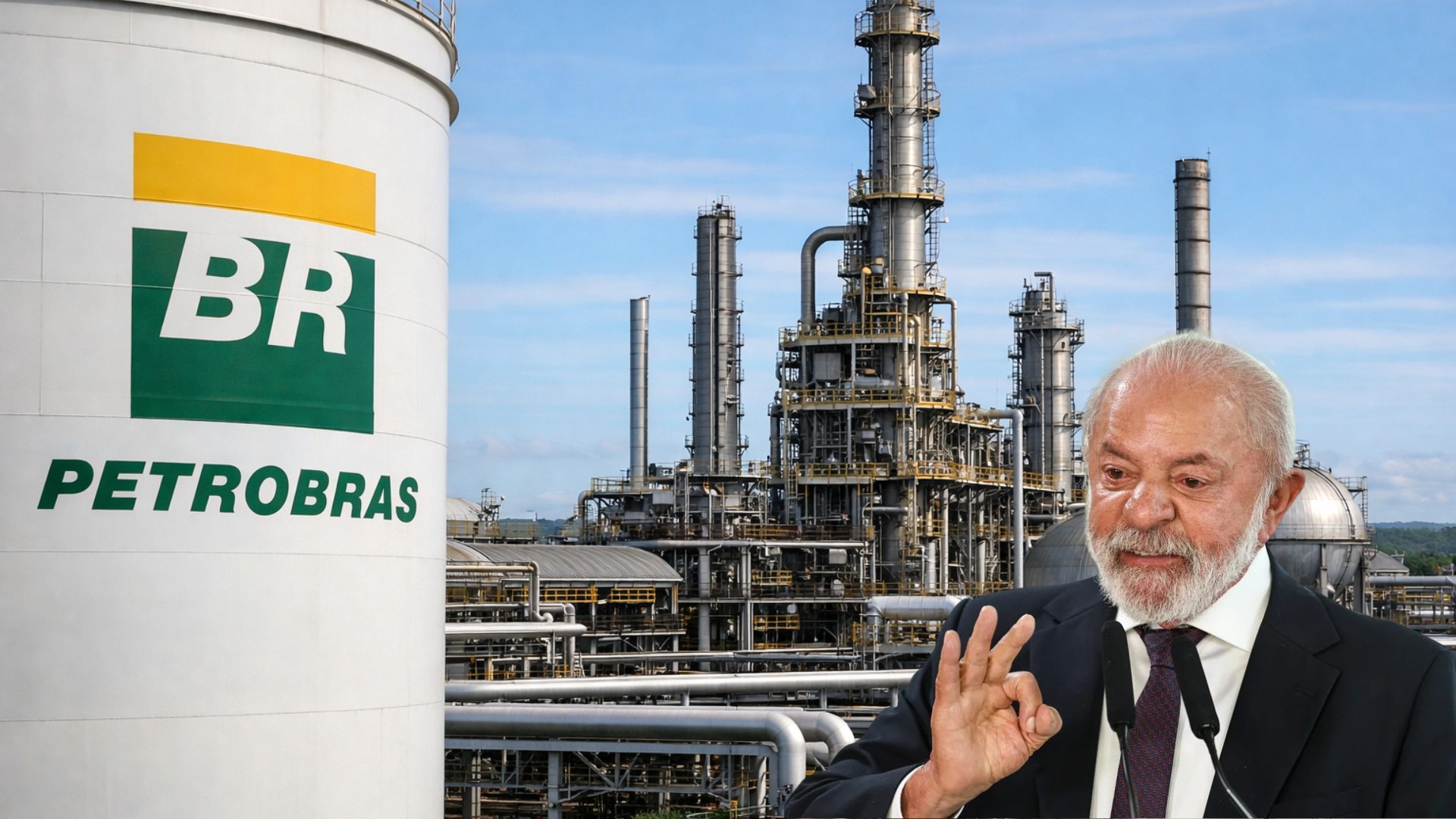
Lula reveals a masterstroke by Petrobras to undo a deal made by Bolsonaro, which involves the return of an important refinery that currently produces less than half of what was expected and makes Brazil dependent on international diesel.
-
A study confirms that the natural gas sector will reduce greenhouse gas emissions in Brazil by 0.5% and accelerate the energy transition by 2026.

-
Petrobras implements a severe adjustment and confirms a 55% increase in the price of aviation kerosene with a proposal for installment payments for the companies.


The Technology Can Help Increase Oil Production from Petrobras’ Búzios Field
The HISEP will be used to accelerate production in the Mero field and increase the recovery factor by separating and re-injecting underwater gas with high CO2 content produced along with the oil. According to Mariana, the technology helps mitigate environmental impacts, as CO2 is reinjected into the reservoir from the seabed.
Finally, the manager advocated for extending the production sharing contract for Mero for a maximum of 35 years. According to her, this extension, similar to the concession model, would reduce uncertainties for the development of Petrobras’ production and increase the sector’s attractiveness.







Seja o primeiro a reagir!