





 English
  Francês
  Alemão
  Italiano
  Japonês
  Norueguês
  Portuguese
  Spanish
  3 min of reading


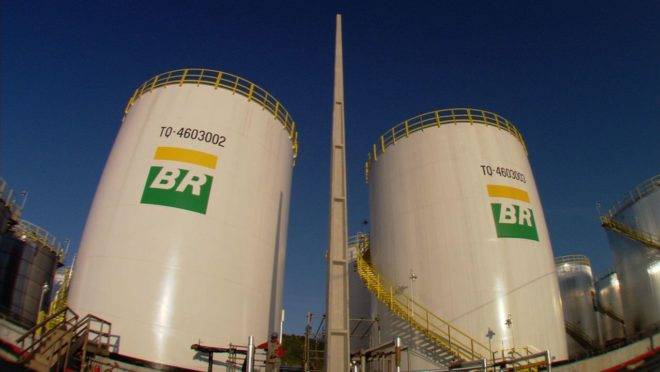
Petrobras: significant decrease in gasoline and diesel sales due to the oil crisis caused by the pandemic leaves the state company’s storage capacity at a bottleneck. Despite the crisis, Petrobras’ oil exports have been maintaining high levels, reaching a record in April with the mark of 1 million barrels per day.
Read Also
- Petrobras Puts Up for Sale the Manati Field in the Camam Basin, Bahia
- Employees Infected With Coronavirus on PLSV from Sapura Hired by Petrobras
- Piauí-Alabama Consortium Signs Contract With Petrobras to Decommission Cação in the Espírito Santo Basin
In order to ensure the supply of cooking gas and also to produce marine fuel, Petrobras decided to increase production at the refineries, leaving the company’s stocks at the limit.
-
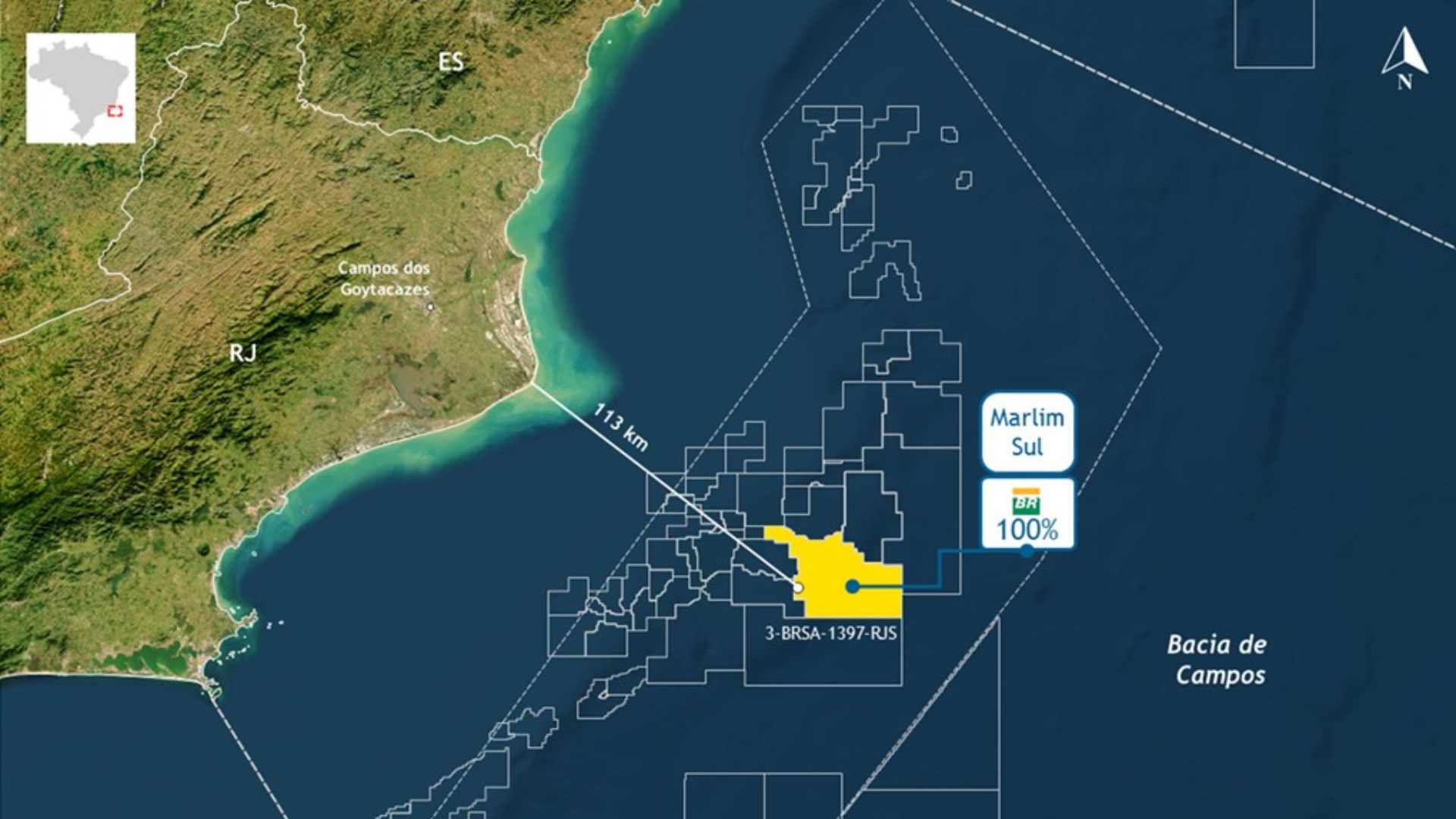
Petrobras finds high-quality oil in the pre-salt at 113 km from RJ and reignites expectations about strategic reserves in the Campos Basin.

-
Ocyan opens registrations for startups focused on innovation in the oil and gas sector and will select projects for Innovation Day with the support of Nexio.

-
Petrobras announces new oil discovery in the pre-salt of the Campos Basin and reinforces Brazil’s prominence with high-quality reserves that can increase production and energy revenues.
-
Alert in the fuel market: Analysts and a former director of ANP warn that oil prices may worsen in the coming months due to global instability.


Gasoline and cooking gas are produced in the same refining units, which means that an increase in the production of one also increases that of the other.
To avoid storage problems, the state company has been consulting fuel distributors in search of tanks to temporarily store its gasoline production. According to authorities, there are currently no issues with storing oil in Brazil.
With the isolation due to the pandemic, cooking gas sales increased by 12% in March. The industry’s expectation is that the April numbers will be even higher, as they consider the entire month of isolation.
In addition to the demand for cooking gas, Petrobras has been benefiting from higher international demand for less polluting marine fuel in response to new maritime transport restrictions that began to take effect in January.
Pre-salt oil produces cleaner fuel for ships and is valued for its low sulfur content.
Petrobras refineries operated at nearly half capacity in the first half of April, but are currently resuming operations to produce more fuel.
To attract distributors that still have available tanks and want to take advantage of storing cheaper products, Petrobras has been holding auctions for gasoline and diesel with discounts.
According to the National Agency of Oil, Natural Gas and Biofuels, refineries, terminals, and distributors in Brazil have a storage capacity of up to 137 million barrels of fuels, equivalent to 77 days of refined product production in 2019.
In United States, the lack of space to store oil led to oil prices operating in negative territory for the first time in history on April 20.
Fearing they would have nowhere to store oil, investors preferred to pay to not receive the barrels. The sector has been resorting to ships as an alternative for storage, which has caused shares of maritime oil transport companies to soar.
A large part of the oil production in Brazil is stored in the tanks of the platforms themselves – due to difficulties in building pipelines linking offshore wells to the coast, Petrobras is the global oil company that most uses units known as floating production storage and offloading vessels.










Seja o primeiro a reagir!