
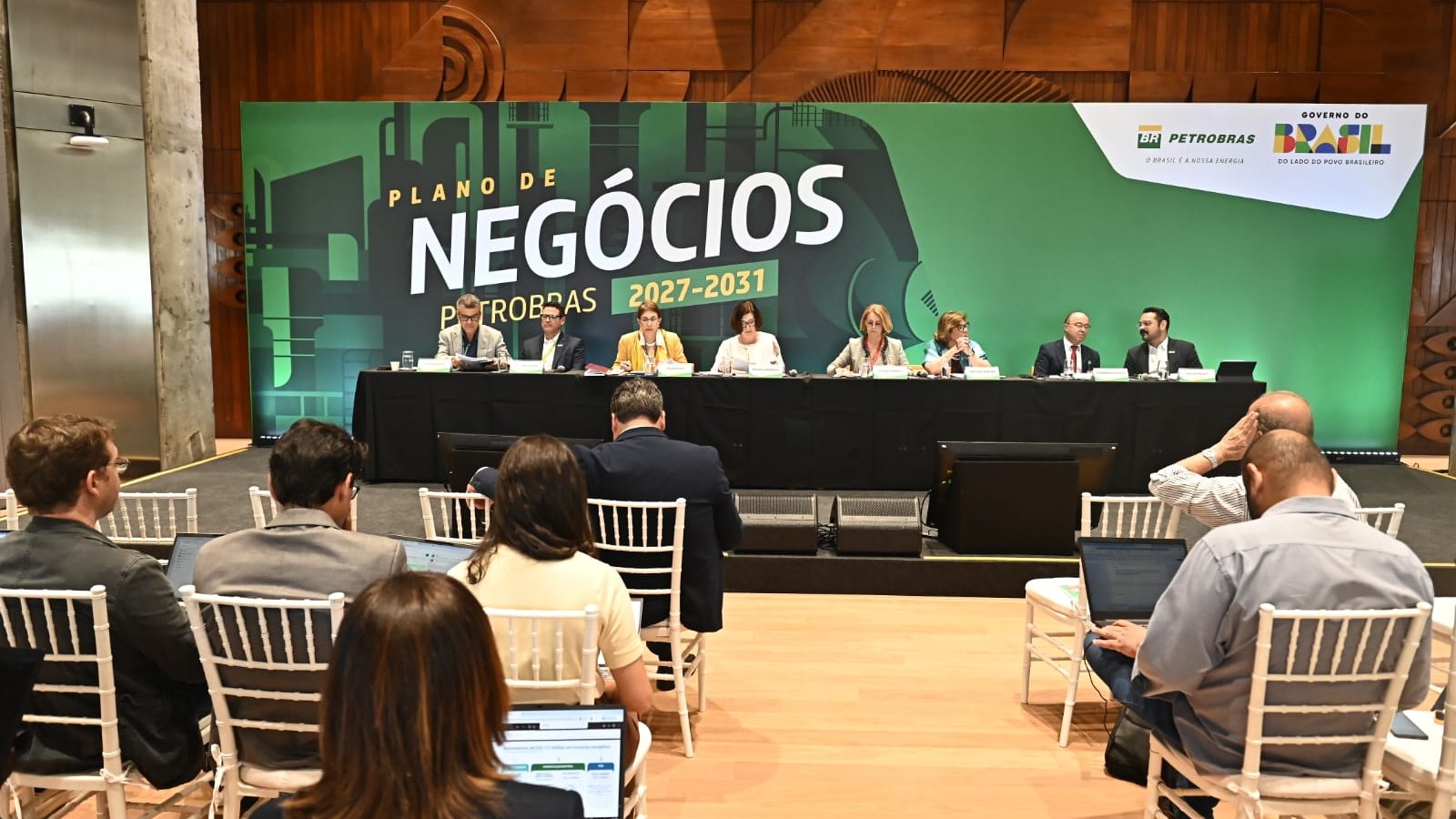
Petrobras plans to remove 27 platforms between 2027 and 2031: 15 in the Northeast, eight in the Campos Basin and four in the Santos Basin. The business plan approved on November 23, 2026, estimates decommissioning costs at $11.2 billion
Petrobras will remove 27 oil platforms from offshore locations between 2027 and 2031. The figure appears in the 2027-2031 Business Plan, approved by the board of directors on Monday, November 23, 2026.
The breakdown by basin and the $11.2 billion cost appear in the plan’s official presentation, released by the Petrobras Agency.
Times Brasil/CNBC and Jornal do Comércio also published the figures on Thursday, the 26th.
-
Petrobras auctions Campos Basin platforms P-19 and P-26 online, with bidder qualification open through December 6, 2026, and bids accepted through December 18 on the Superbid portal

-
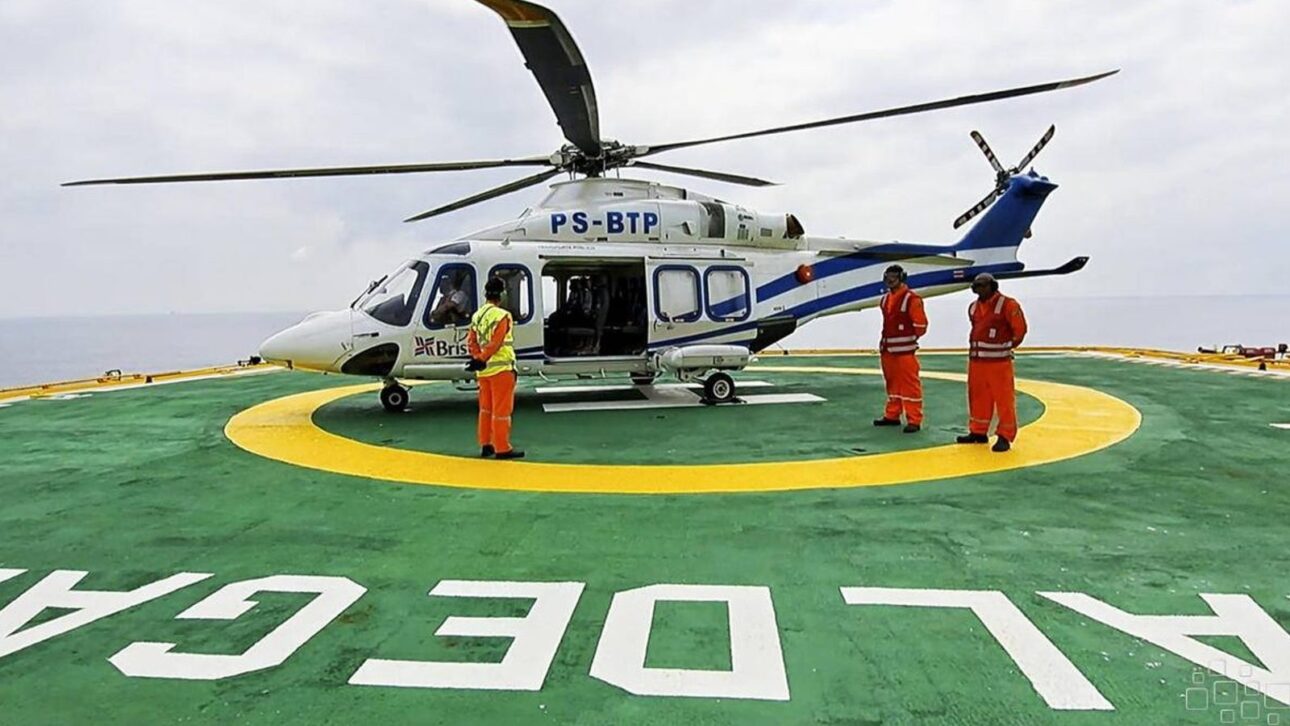
Helicopters to begin flying new route to Campos Basin platforms, reducing 97,000 nautical miles annually
-
Equinor signs 18-year gas deal with Germany’s VNG, Norway’s longest gas sales contract since the 1986 Troll agreements, for up to 1.4 billion cubic meters a year
-
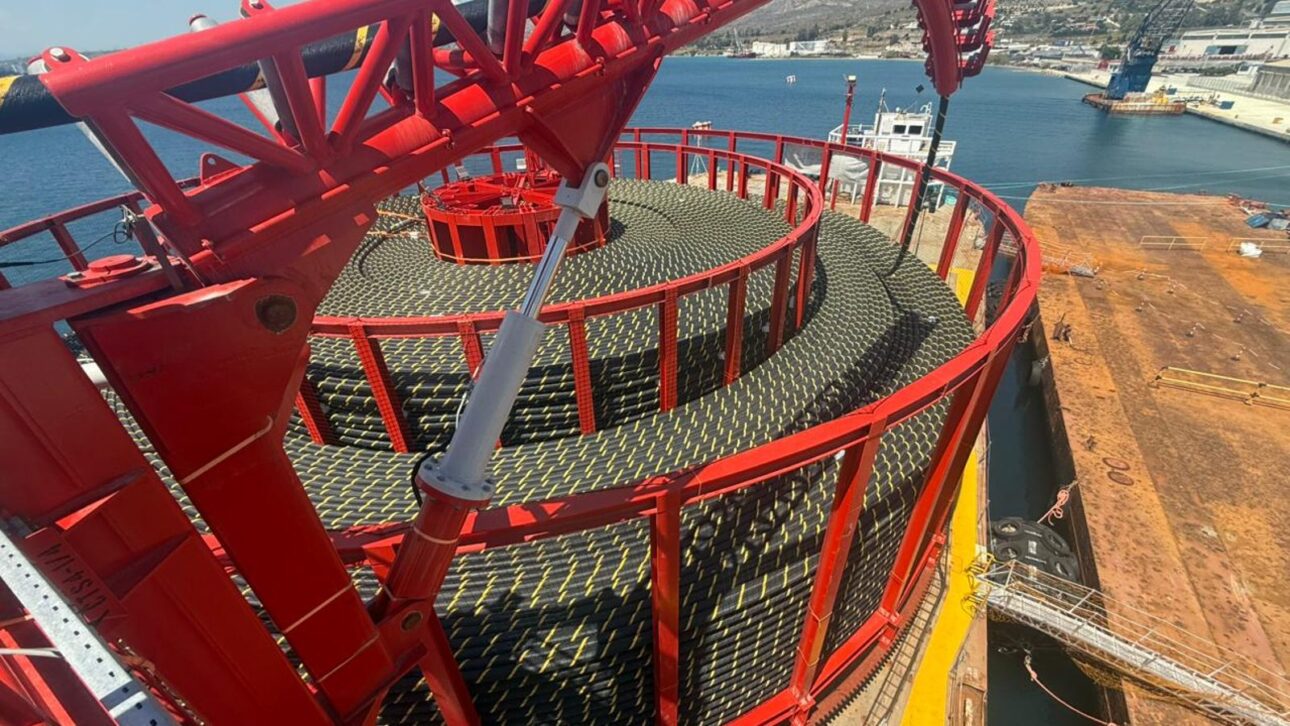
SCA lands first Brazil contract, will assemble two giant 5,000-ton carousels to spool umbilicals, risers and subsea lines used in offshore oil production

The previous plan called for 18 platforms. The additional nine represent a 50% increase, according to Jornal do Comércio. Decommissioning costs are up 15% from the plan approved in 2025.
For Brazil, the dismantling work creates business opportunities for ports, shipyards and steelmakers, which receive the structures and recycle the steel, Times Brasil reports.
At the Port of Açu in Rio de Janeiro state, decommissioning already accounts for about half of cash generation.
How many platforms will be removed from each basin
The plan’s presentation includes a map showing the breakdown of the 27 units. Fifteen are in the Ceará, Potiguar and Sergipe-Alagoas basins in the Northeast.
Another eight are in the Campos Basin and four are in the Santos Basin.
The Campos Basin has been producing for five decades and currently has 19 operating units, according to the same presentation.
The plan calls for two new units in the region between 2027 and 2031, with four more under study.
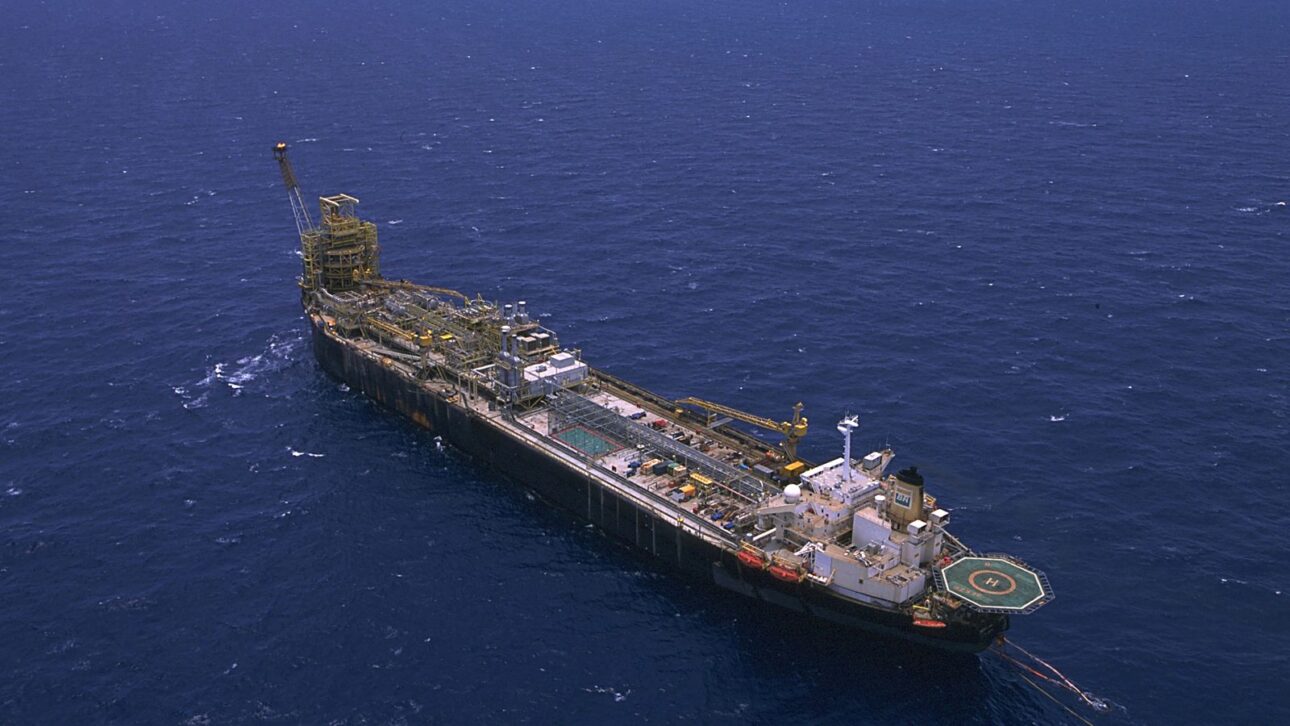
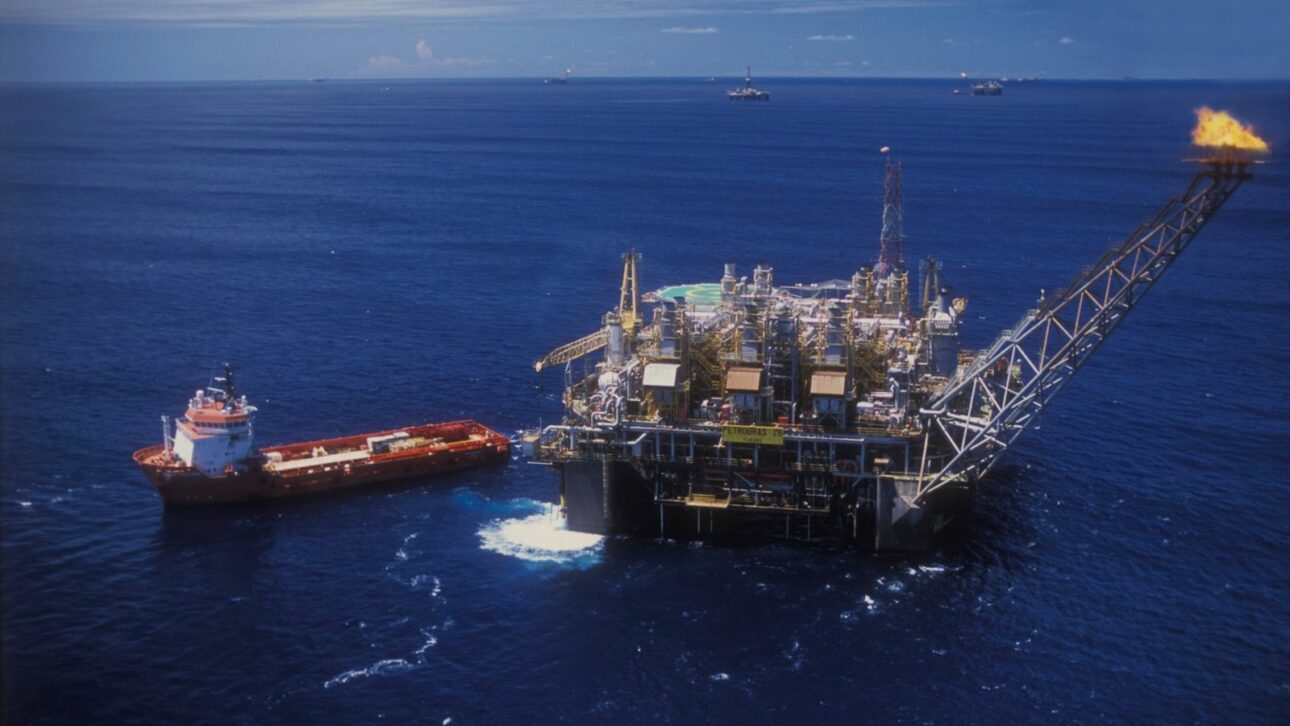
By type, the group includes 17 fixed platforms, six floating platforms and four semisubmersible platforms.
Fixed platforms rest on the seafloor. Floating and semisubmersible platforms are anchored and must be towed to the dismantling site.
The decommissioning pipeline extends beyond 2031. For after 2032, Petrobras has already listed another 40 platforms for removal. Of those, 32 are fixed, seven are floating and one is semisubmersible.
How the $11.2 billion in decommissioning costs will be spent
The $11.2 billion covers the 2027-2031 period. The presentation adds another $0.4 billion in financial commitments.
Under the breakdown published by Jornal do Comércio, 68% of the money will go toward dismantling the platforms. The other 32% will pay for the removal of subsea equipment.
Petrobras’ announcement rounds the total to about $11 billion through 2031.
The statement says decommissioning takes place when there are no longer viable options for extending the productive life of mature systems profitably.
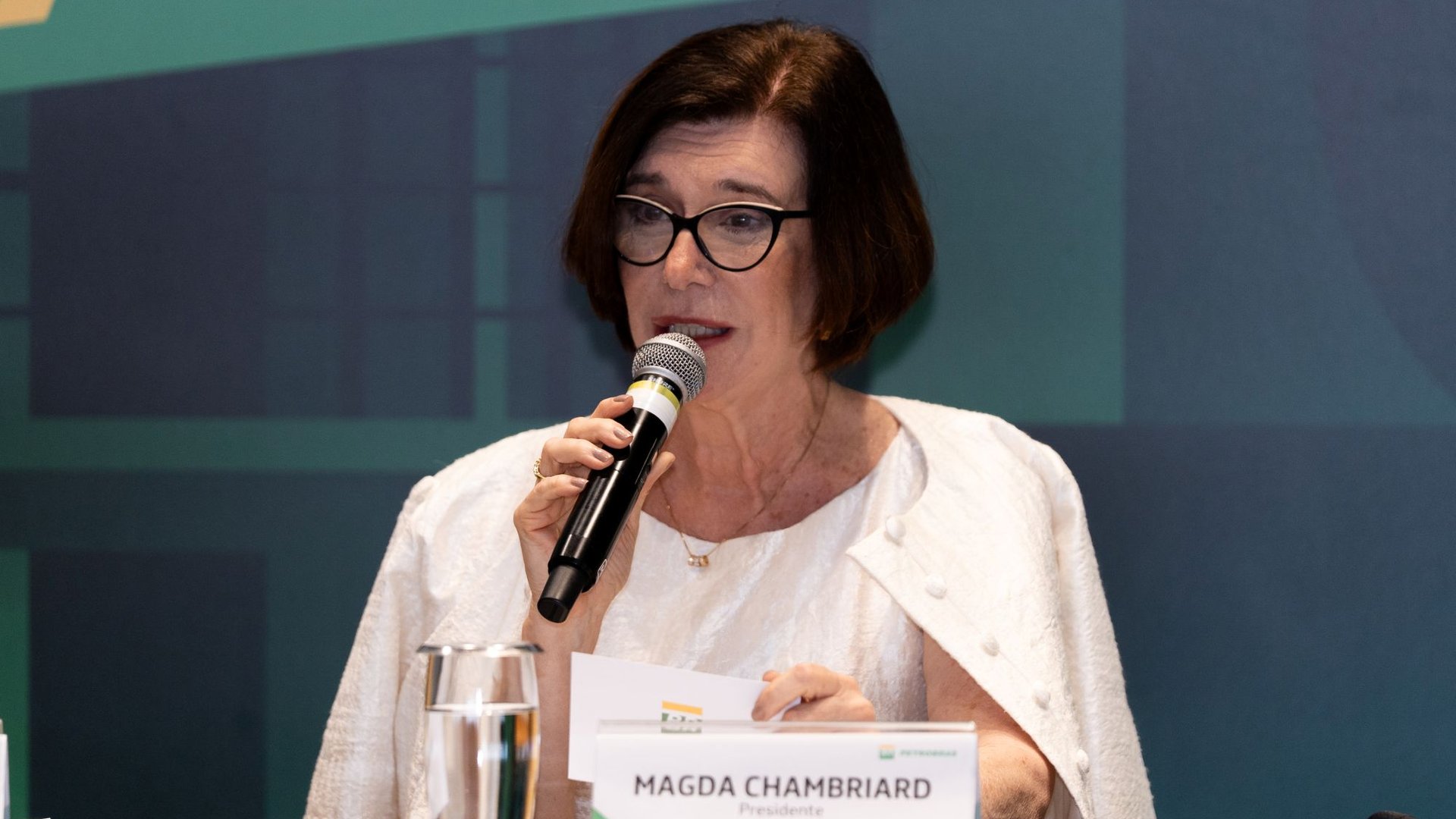
Petrobras CEO Magda Chambriard summed up the plan in the announcement. “This is a plan built with ambition and one that will be carried out responsibly,” she said.
InfoMoney reported on the plan on X on Tuesday, November 24. The post highlights total investment of US$122 billion over the period and says the amount exceeds that of the previous plan.
What comes off the seafloor besides platforms
Platform removal is accompanied by other work. By 2031, Petrobras plans to carry out work to plug and abandon about 500 offshore wells.
Of those wells, 59% have dry-tree completions, with the wellhead located on the platform itself. The other 41% have subsea completions, with equipment installed on the seafloor.
The company will also recover about 1,900 km of flexible lines. These are pipelines that connect wells to platforms and remain on the seafloor after production ends.
In the estimated breakdown of spending on floating rigs over the five-year period, about 20% is allocated to well abandonment.
About 10% of spending on vessels used for subsea operations will go toward decommissioning lines, equipment and platforms.
Port of Açu already relies on platform dismantling
The plan’s impact in Brazil is first being felt at the ports.
Port of Açu President Eugênio Figueiredo said Wednesday, the 25th, that decommissioning already accounts for about half of the port’s cash generation.
The port, in São João da Barra, in Rio de Janeiro state, is storing two former Petrobras platforms, P-26 and P-37. The P-19 is expected to arrive by the end of the year, Times Brasil reported.
Porto do Açu is still considering carrying out the cutting of the metal structures on site. The work has not yet been approved.
CBN Radio showed another chapter in this queue on November 2, 2026.
The video covers the P-35’s passage across Guanabara Bay. The platform is 330 meters long, 56 meters tall and weighs more than 27,000 metric tons.
Seven vessels towed the structure to a former shipyard in Caju, in Rio de Janeiro. The P-35 operated for 27 years at the Marlim field in the Campos Basin.
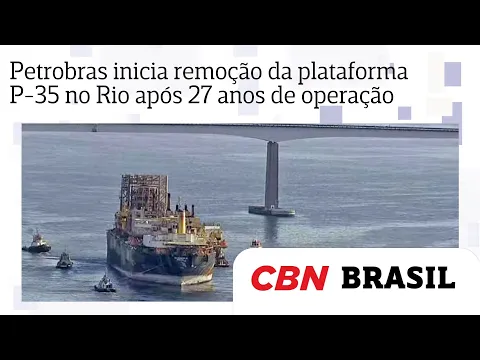

In its plan presentation, Petrobras says the P-35 is moored in Guanabara Bay. The company is assessing options for the platform’s future, including reuse in new opportunities.
Rio Grande do Sul takes in platforms for steel recycling
In Rio Grande do Sul, a state in southern Brazil, Gerdau and Estaleiro Rio Grande are already dismantling platforms and reusing the steel.
The latest case is the P-33, which left Porto do Açu on July 23, 2026.
Petrobras Agency reported that the P-33 had been moored at Açu since February 2024. The platform was sold in 2023 to Gerdau, in partnership with Grupo Ecovix, the shipyard’s operator.
The P-33 remained at Porto do Açu from February 2024 to July 2026 before heading south.
At the shipyard in the southern Brazilian state of Rio Grande do Sul, it took the space previously occupied by P-32. It was Petrobras’ first floating platform to follow the company’s sustainable recycling policy.
The Rio Grande Pilots Association posted a video on YouTube on October 5, 2026, showing P-33 entering the dry dock at Rio Grande Shipyard. The maneuver took place in August.
The Rio Grande do Sul newspaper GZH also covered the arrival on X on August 12, 2026.
The post says a 45,000-ton Petrobras platform arrived in Rio Grande do Sul for dismantling.
Northeast accounts for 15 of 27 platforms
The 15 platforms in the Northeast are in the Ceará, Potiguar and Sergipe-Alagoas basins. The caption for a Jornal do Comércio photo also notes that 15 of the 27 units are in the region.
In Sergipe, the dismantling of Petrobras platforms has already become a topic on local television.
TV Atalaia, based in Aracaju, aired a report on March 4, 2026, about the renewed debate along the Sergipe coast.
Previous plan called for 18 platforms by 2030
Under the previous plan, Petrobras expected to decommission 18 platforms by 2030: seven fixed platforms and 11 floating platforms, according to Petrobras News Agency.
Under the new plan, the portfolio grows to 27 units by 2031: 17 fixed platforms, six floating platforms and four semisubmersible platforms, according to the presentation.
Not every aging platform is headed for dismantling
Petrobras is also seeking to delay retirements when assets can still generate returns. The presentation cites P-31, in the Albacora field in the Campos Basin.
Revitalization and integrity work extended P-31’s operating life through 2030. The company says this contributes to value generation in the mature field.
Another area of focus is equipment reuse. The presentation shows an LM2500+ turbine being preserved at Petrobras’ turbine workshop. Reusing parts from units undergoing decommissioning can reduce costs and shorten timelines, the company says.
The plan also lists innovations for decommissioning. One is the Subsea Reel Drive, a Petrobras patent for installing and retrieving pipelines near the seabed.
Another is the PWC-TT solution, which allows a well to be abandoned through the production tubing without necessarily removing it. The company says the technique can reduce time, cost and environmental impact.
How Petrobras decides when to retire a platform
The presentation outlines the stages in the life of a mature asset. First come revitalization projects, extensions of productive life and initiatives to recover more oil from reservoirs.
When production stops, the company decides what to do with the platform: reuse it or decommission it. At this stage, the plan cites post-shutdown safety and a shorter timeline for retiring the units.
The 40 platforms listed for after 2032 fall outside the 2027-2031 five-year period and appear in the plan only as a future outlook.