





 Portuguese
  English
  Spanish
  4 min of reading
  0 comments


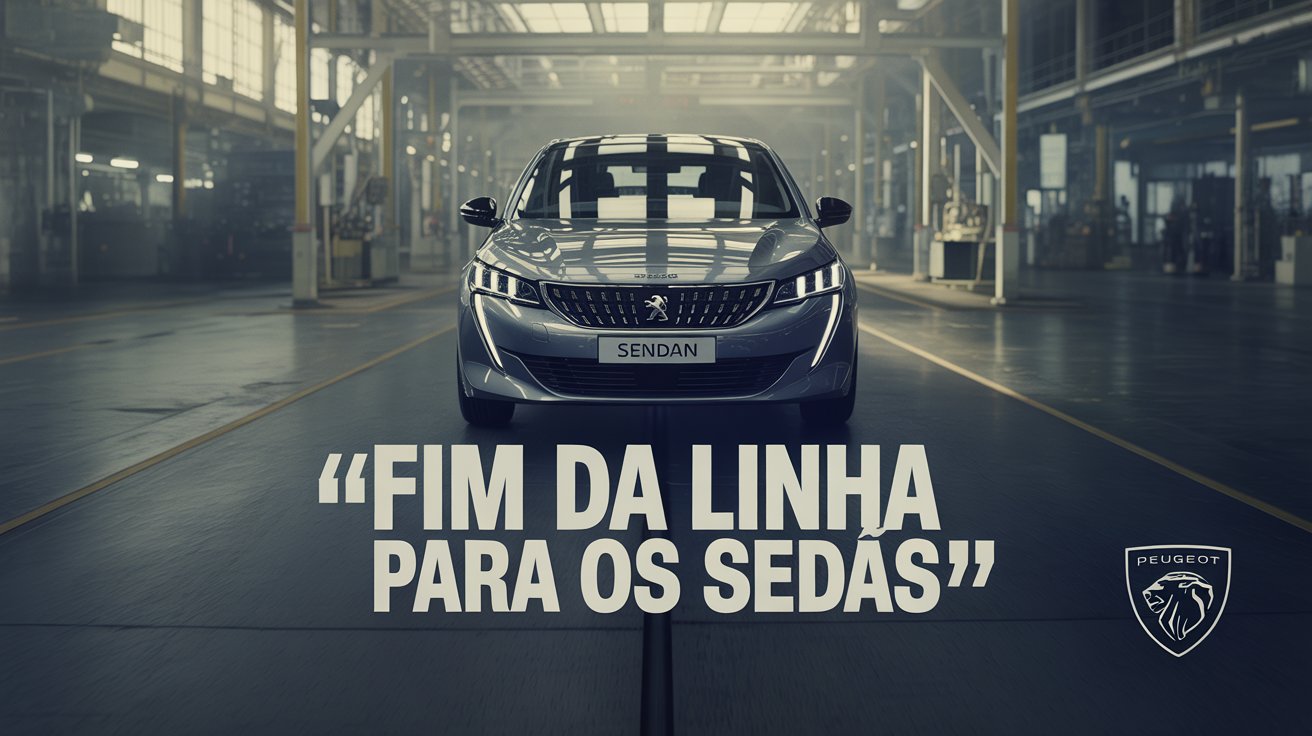
The Farewell to an Icon That Marked an Era at Peugeot Surprises Fans and Experts, While the Automotive Market Sees the Radical Change That Redefines the Future of Sedans in the Face of the Explosion of SUVs and Accelerated Electrification.
Peugeot has officially announced the end of production for its iconic sedan 508, also marking the definitive closure of sedan offerings in its vehicle lineup.
According to the French automaker, the 508 ceased production at the end of 2024, after six years on the market, concluding an important cycle for the brand, which now focuses its efforts mainly on the SUV segment.
The decision aligns with a global trend that has pressured automakers to reduce or even eliminate sedans, models that have lost ground to SUVs and crossovers, which dominate sales and consumer preferences.
-
The village where two rivers run side by side without mixing in Santarém and Alter do Chão reveals some of the most beautiful freshwater beaches on the planet.

-
Brazil’s nuclear submarine with a speed 5 times greater than normal advances after nearly 50 years and R$ 40 billion spent.

-
A Brazilian island charges R$ 0.50 to receive visitors and prohibits any new residents.

-
Why was the Great Wall of China built? The truth that many are unaware of!


The Peugeot 508, even with a recent update in 2023, could not reverse this reality.
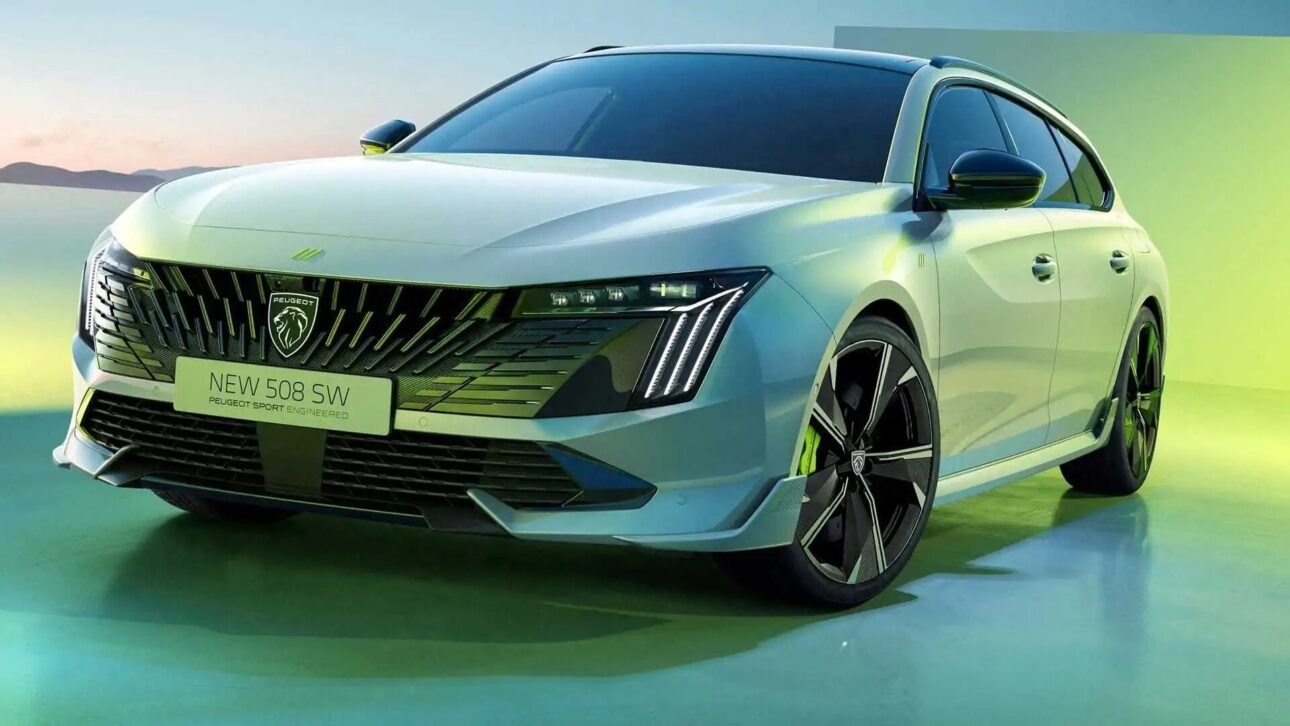
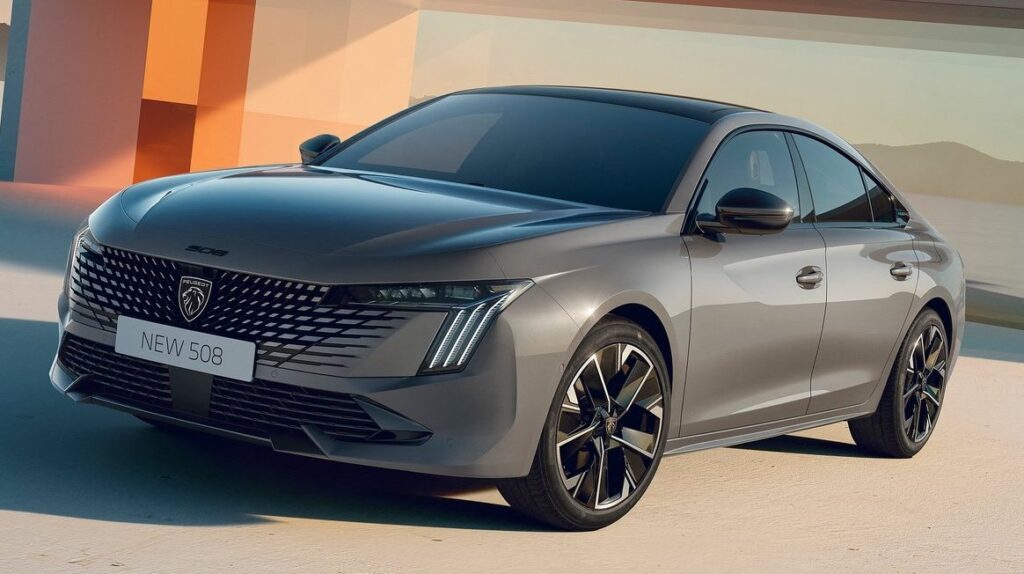
It was recognized as one of the first vehicles to adopt Peugeot’s current design language, with modern and characteristic lines that referred to the lion, the brand’s symbol.
Striking Design That Was Not Enough
At the front, the horizontal and winged headlights connected to a vertical piece with three illuminated stripes, symbolizing the lion’s claws.
The divided grille smoothly merged with the bumper, giving the model a striking visual identity.
At the rear, the design linked the taillights by a black strip, and the lighting repeated the pattern of the three illuminated claws, creating a unique and easily recognizable visual effect.
However, this attention to design and aesthetic innovation was not enough to keep the 508 competitive in a market that prioritizes the versatility and interior space offered by SUVs.
The Peugeot 508 was one of the victims of this movement, as was its “cousin” DS 9, another luxury sedan that also went out of production.
Futuristic and Elegant Interior
Inside, the sedan presented a futuristic and elegant proposal, mixing modernity with classic elements.
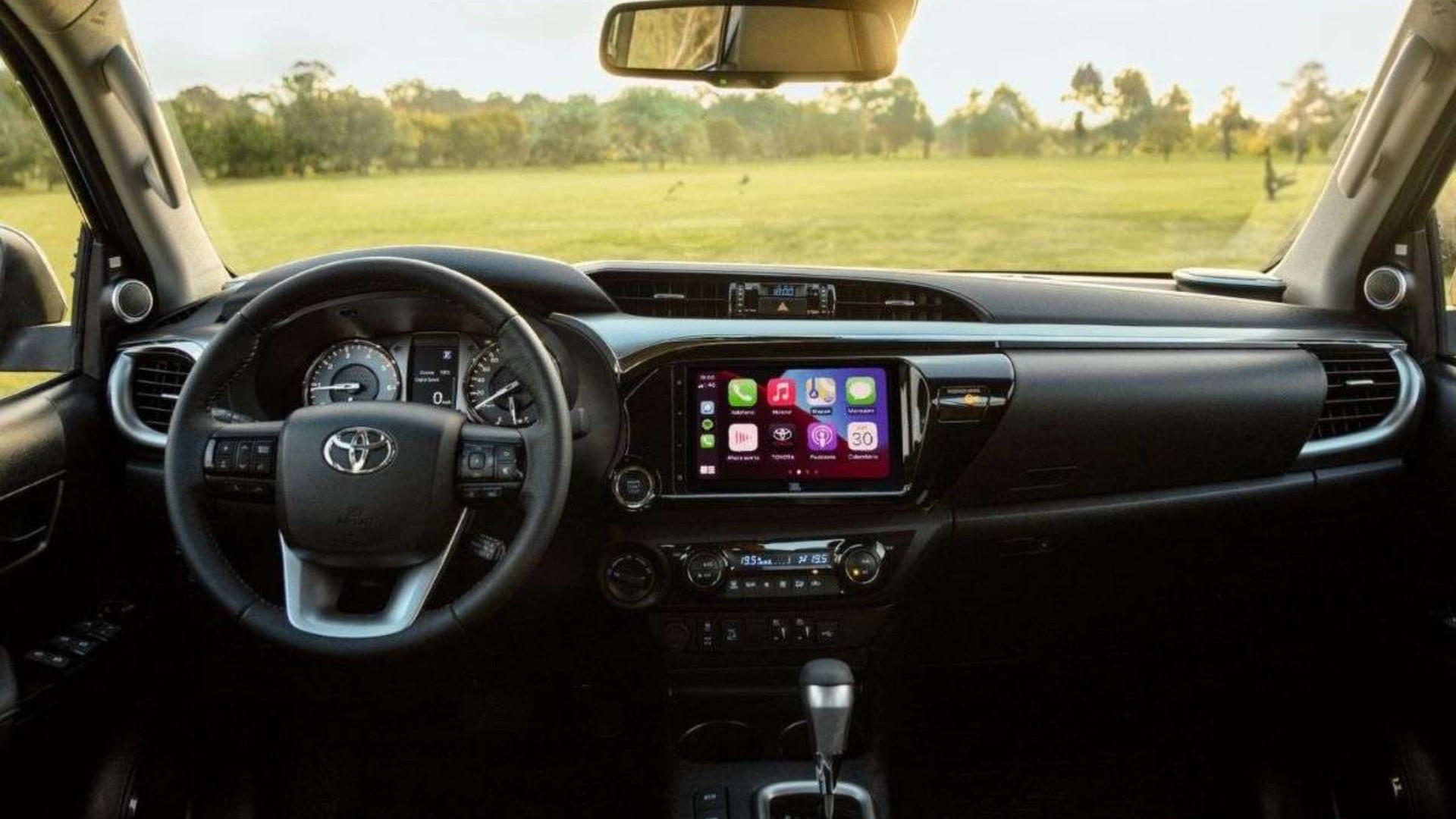
The dashboard emphasized continuous horizontal lines, a central screen surrounded by physical buttons reminiscent of piano keys, and a 3D digital instrument cluster with i-Cockpit technology, positioning the indicators so that the driver could see them over the steering wheel, providing greater ergonomics and driving experience.
Variety of Versions and Engines
The Peugeot 508 range included three main versions: Allure, GT, and PSE, each offering different mechanical setups to cater to various consumer profiles.
Among the available options were 1.2 turbo gasoline and 1.5 turbo diesel engines, both with 130 horsepower.
Additionally, the 508 also featured three plug-in hybrid variants, combining the 1.6 turbo engine with an electric motor, offering power outputs of 180, 225, and 360 horsepower.
The most powerful version, the PSE (Peugeot Sport Engineered), had a sporty appeal enhanced by all-wheel drive, making it the preferred choice for those seeking performance along with energy efficiency.
Focus on SUVs and Electrification
The departure of the Peugeot 508 from the French market confirms the end of sedans in the Peugeot lineup, which will now focus its attention on more lucrative segments with high demand, especially compact and medium SUVs.
This change aligns with the global strategies of the automotive industry, which have been directing investments toward electric and hybrid vehicles, as well as models that combine technology, fuel economy, and practical appeal for today’s consumers.
According to industry analysts, the popularity of SUVs has not only displaced sedans but also redefined the profile of consumers, who now prioritize an elevated driving position, interior space, and versatility for various types of use, from city driving to longer trips.
With the exit of the 508, Peugeot also reinforces its transition to the electrification of its fleet since the plug-in hybrid versions of the sedan were one of the brand’s bets to position itself against the environmental and regulatory challenges posed by the European and global markets.
Additionally, Peugeot has been intensifying the launch of hybrid and electric SUVs, such as the Peugeot 3008 and e-2008, which are already receiving constant updates to meet the growing demand for more sustainable and technological vehicles.
In Brazil, where the sedan segment still holds a market share, the absence of the 508 reinforces the perception that brands are betting on the growth of SUVs to ensure competitiveness and meet the new demands of consumers.
With the end of the Peugeot 508, the question that remains is: do sedans still have a place in the future of the global automotive market, or will they definitively give way to SUVs and electric vehicles?





Seja o primeiro a reagir!