





 Portuguese
  English
  Spanish
  5 min of reading
  0 comments


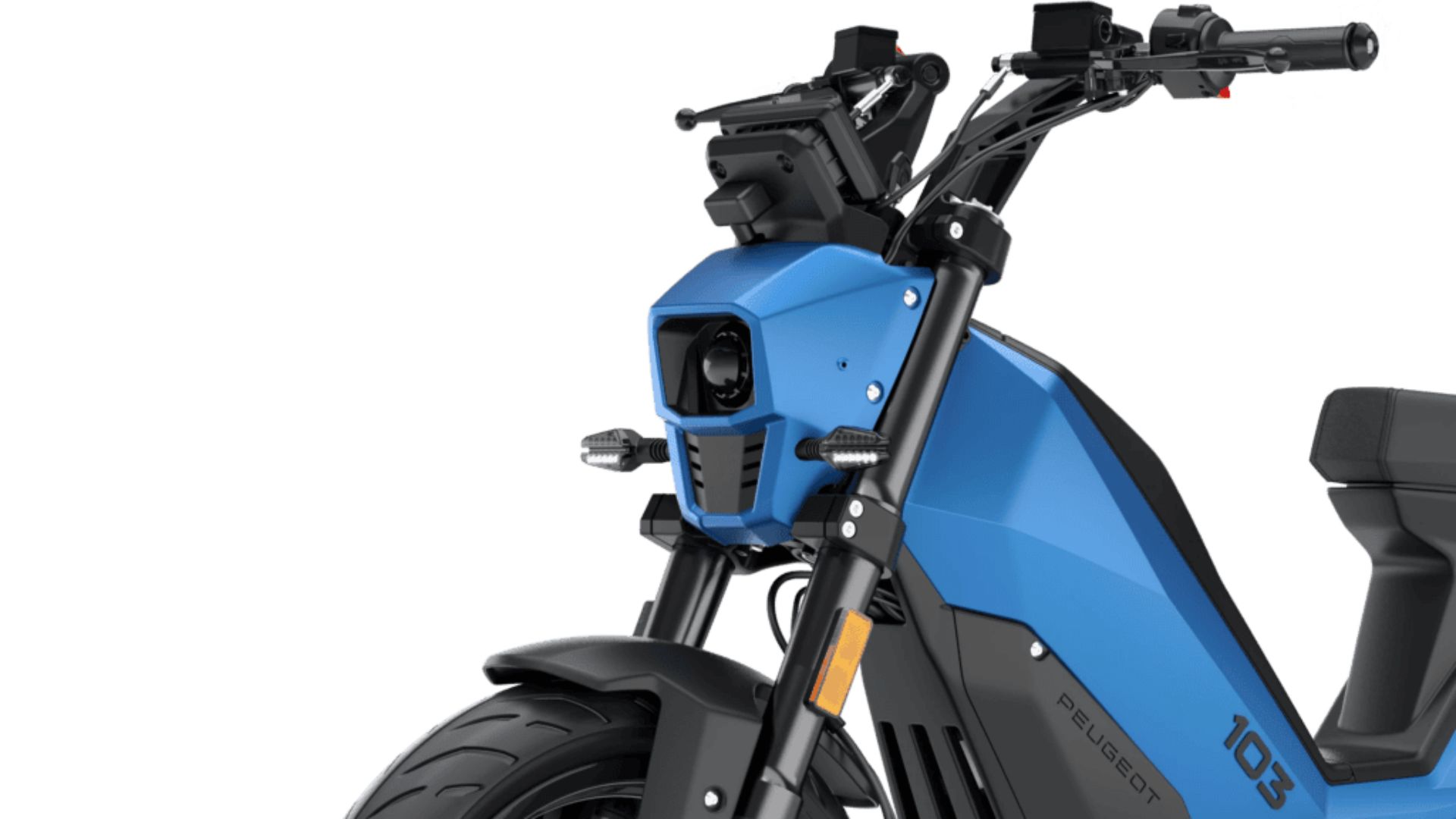
Return of the Peugeot 103 Marks the Manufacturer’s Bet on Urban Electric Mobility, with a Design Inspired by the Classic Model, Removable Batteries, Focus on Short Commutes, and Production in France Initially Targeted at the European Market.
Peugeot Motocycles has announced the return of one of the most recognized names in its history: the Peugeot 103.
More than five decades after becoming common on French streets, the model reappears in an electric version, with a removable battery, a claimed range of up to 65 km, and a technical setup aimed at urban use.
The package includes a monocoque aluminum chassis, transmission via Kevlar belt, and a 5-inch TFT display.
-
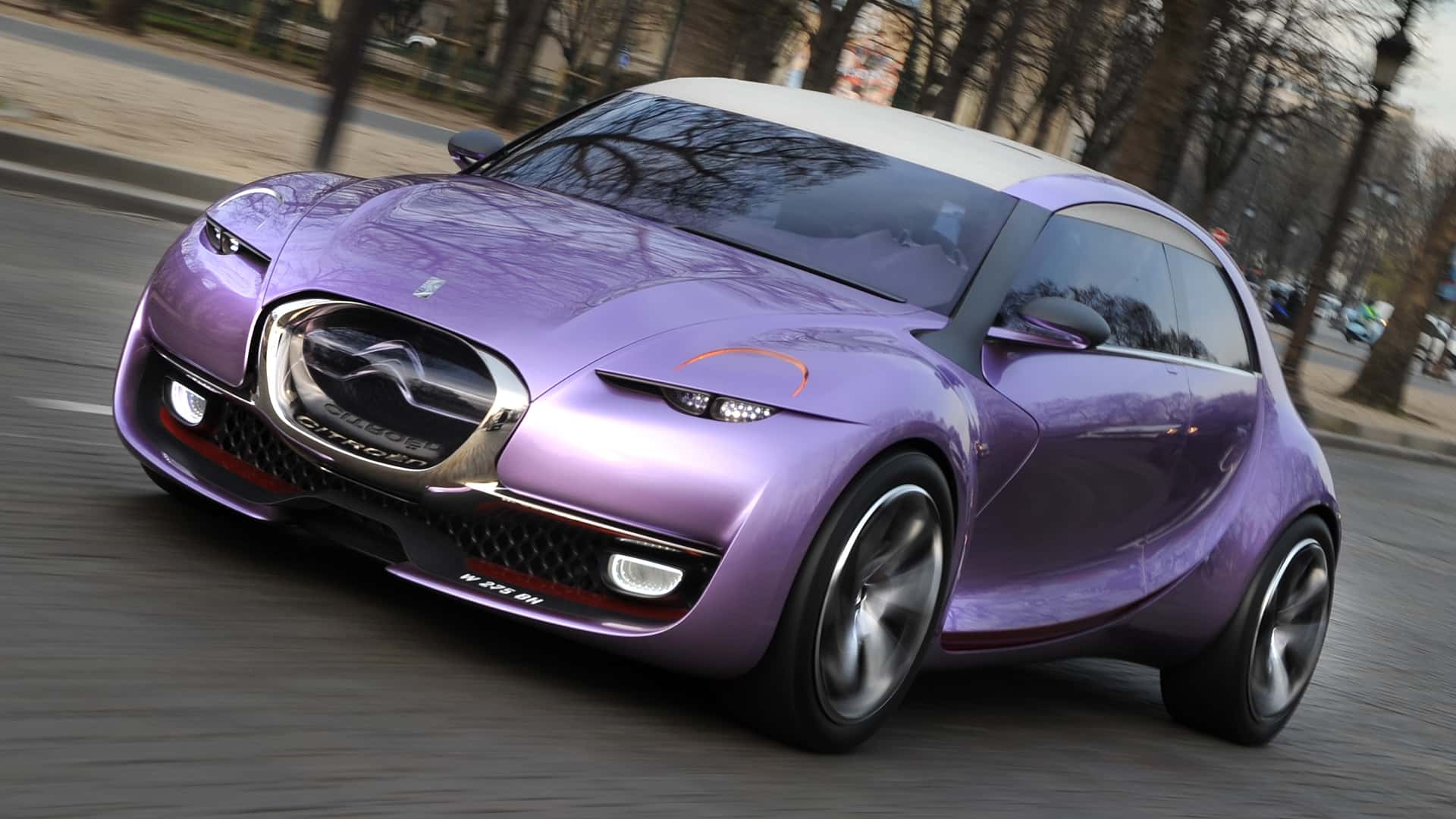
After decades out of the spotlight, Citroën is preparing to bring back the legendary 2CV as a low-cost electric vehicle, betting on the revival of one of the most popular cars in history and aiming to enter the race for affordable compact cars.
-
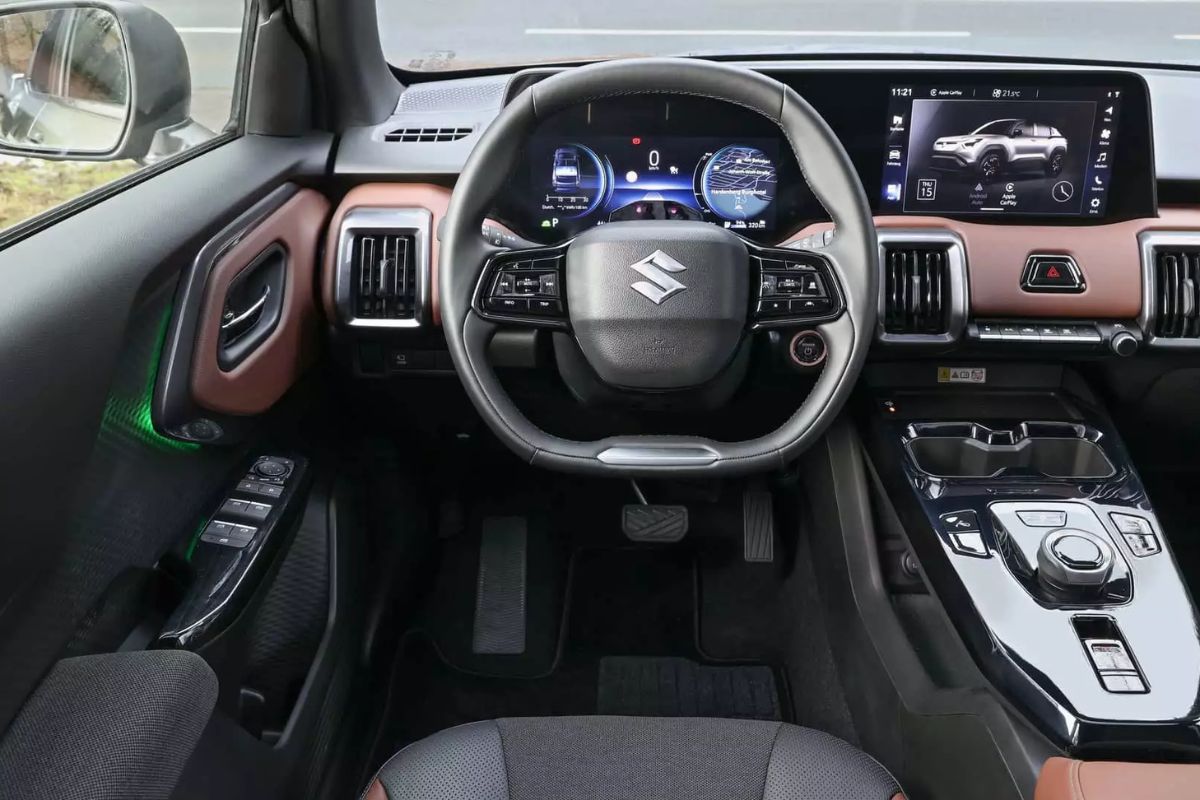
The 2026 electric Vitara arrives in Brazil and proves that Suzuki is not leaving: 4×4 traction, 184 hp, 61 kWh LFP battery, 293 km range, R$ 259,000, and a trunk capacity of 224 L.
-
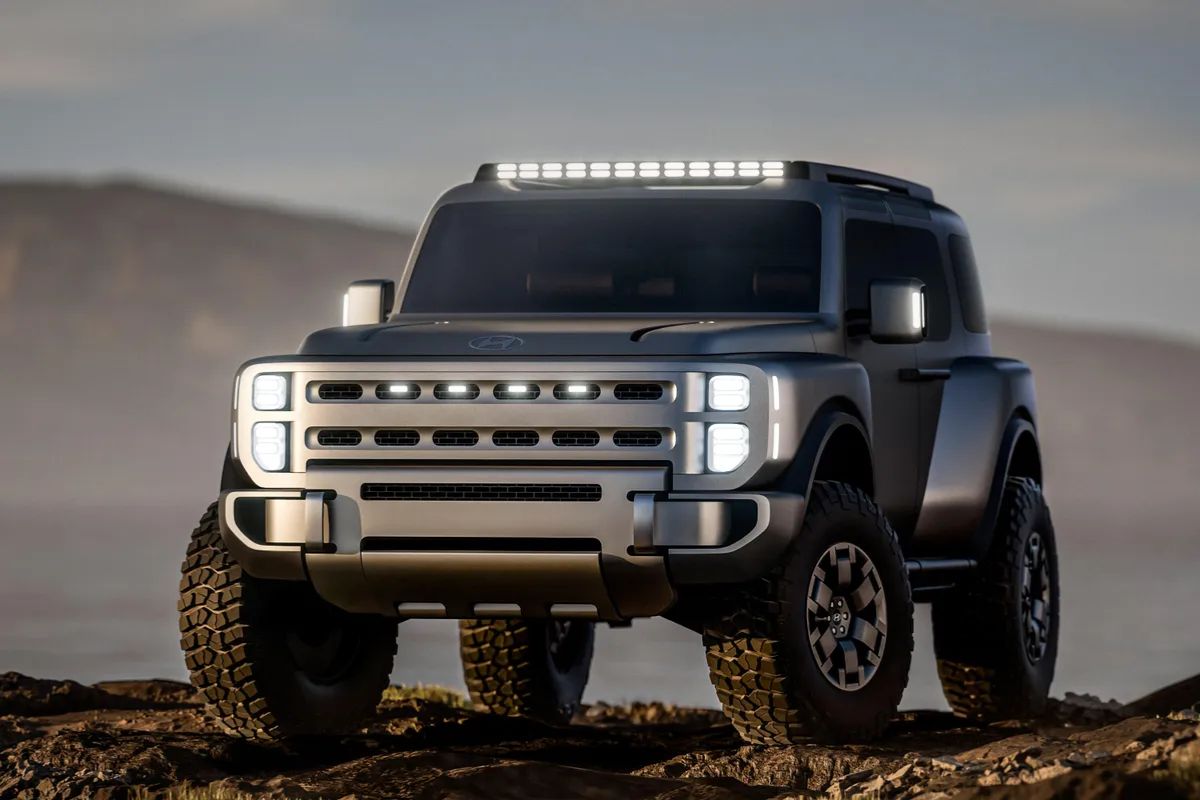
Hyundai has unveiled the Boulder, a square SUV with a body-on-frame design, 37-inch mud tires, and carriage-style doors that seems to be made to take on the Ford Bronco and the Scout Traveller in the United States.
-
The Toyota Hilux is R$ 75.5 thousand cheaper and bets on the 2.8 turbodiesel engine with up to 204 hp and 50.9 kgfm to catch up with the VW Saveiro, which leads with 4,472 sales.

Unlike the original moped, the new design does not aim to fully reproduce the experience of the past.
The proposal presented by the manufacturer is to update the concept for the current demands of mobility, incorporating electric solutions and more advanced equipment.
Production is expected to take place in France.
The initial commercialization is targeted at the European market, with a launch expected in 2026, according to information released by the company itself.
Origin of the Peugeot 103 and Historical Context

Launched in the early 1970s, the Peugeot 103 established itself as a simple and accessible transportation option.
The original model used a 50 cc two-stroke engine.
The activation was done by pedal.
The vehicle fell under French regulations for mopeds, which dispensed with licensing during certain periods.
This combination contributed to its wide adoption, especially among young people and urban workers.
In the relaunch, Peugeot Motocycles keeps visual references associated with the classic model.
At the same time, the positioning shifts to an electric vehicle aimed at daily commuting.
The manufacturer describes the new 103 as a reinterpretation of the original concept.
The project has been adapted to a scenario of greater environmental restrictions and the growth of electrification in urban centers.
Removable Batteries and Range of the Electric Version

The new 103 will feature removable batteries, allowing recharging outside the vehicle.
Two distinct configurations are planned.
The first uses a 1.6 kWh battery.
The estimated range in this case is about 45 km.
The second configuration adopts a set of 2.2 kWh.
The announced range for this version is approximately 65 km.
In initial presentations, Peugeot Motocycles compared the smaller version to scooters equivalent to 50 cc.
Meanwhile, the more powerful configuration was associated with models close to 125 cc in terms of use.
So far, the company has not released a complete technical sheet with all performance data.
The official information focuses on general parameters of range and category framing.
Central Motor, Kevlar Belt, and Aluminum Chassis
Among the announced technical elements is the central motor.
The setup is associated with a transmission via Kevlar belt.
According to the manufacturer, this configuration aims to reduce noise.
The proposal also involves simplifying maintenance compared to conventional systems.
The positioning of the motor tends to favor weight distribution.
This characteristic is relevant in vehicles aimed at urban traffic.
The project also includes a monocoque aluminum chassis.

The solution was adopted to keep the total weight of the set down.
The suspension uses components from Kayaba.
The front fork has a 37 mm.
The rear shock absorber features a link system.
These data are included in the official communication from the brand.
The manufacturer has yet to detail final adjustments and calibrations.
TFT Display and Riding Features
On the display, the electric 103 will come with a 5-inch TFT screen.
The equipment will concentrate the main driving information.
Data such as speed, battery charge, and electric system status should be displayed on this screen.
Peugeot Motocycles did not specify all the functions available on the interface.
Details about connectivity or integration with apps were also not disclosed.
Declared Weight and Top Speed
According to the manufacturer, the more powerful version of the new 103 will weigh 103 kg.
The number coincides with the model name.
This data was highlighted in the official promotional material.
This weight positions the motorcycle among the lightest options within its proposed use.
Regarding the top speed, the numbers vary according to the configuration.
The basic version is considered compatible with the traditional moped limits in Europe.
These limits are usually associated with speeds around 45 km/h, according to local regulations.
For the superior configuration, the most recurring reference in materials and presentations is of up to 72 km/h.
Peugeot Motocycles has not yet published detailed measurements.
It also did not disclose the exact conditions under which these values were obtained.

Optional Accessories and Urban Use
The brand’s strategy includes the offer of optional packages.
These sets are aimed at adapting the model to different urban routines.
Among the anticipated items are protection solutions, such as a windshield.
There are also components aimed at practicality.
Among them are a rear trunk and a smartphone holder.
These sets expand the potential use of the electric 103 beyond individual commuting.
Applications such as delivery services and corporate use in fleets are mentioned by the manufacturer.
Peugeot Motocycles emphasizes the focus on short trips.
The ease of operation appears as a central part of the model’s proposal.
Electrification and Positioning of the New 103
The return of the 103 occurs in a scenario of expanding the offer of compact electric vehicles in Europe.
This movement is driven by environmental goals.
Increasing restrictions on the circulation of combustion models in central areas also influence the market.
In this context, traditional brands have been seeking to combine historical names with new technologies.
The aim is to meet the demand for electrified urban mobility.
Fundamental aspects for evaluating the impact of the relaunch remain undefined.
Among them are the final price and the homologation conditions in each country.
Competition with already established electric scooters will also be a relevant factor.
With these variables still open, how will the new Peugeot 103 position itself in an increasingly competitive urban segment?





Seja o primeiro a reagir!