





 Portuguese
  English
  Spanish
  5 min of reading


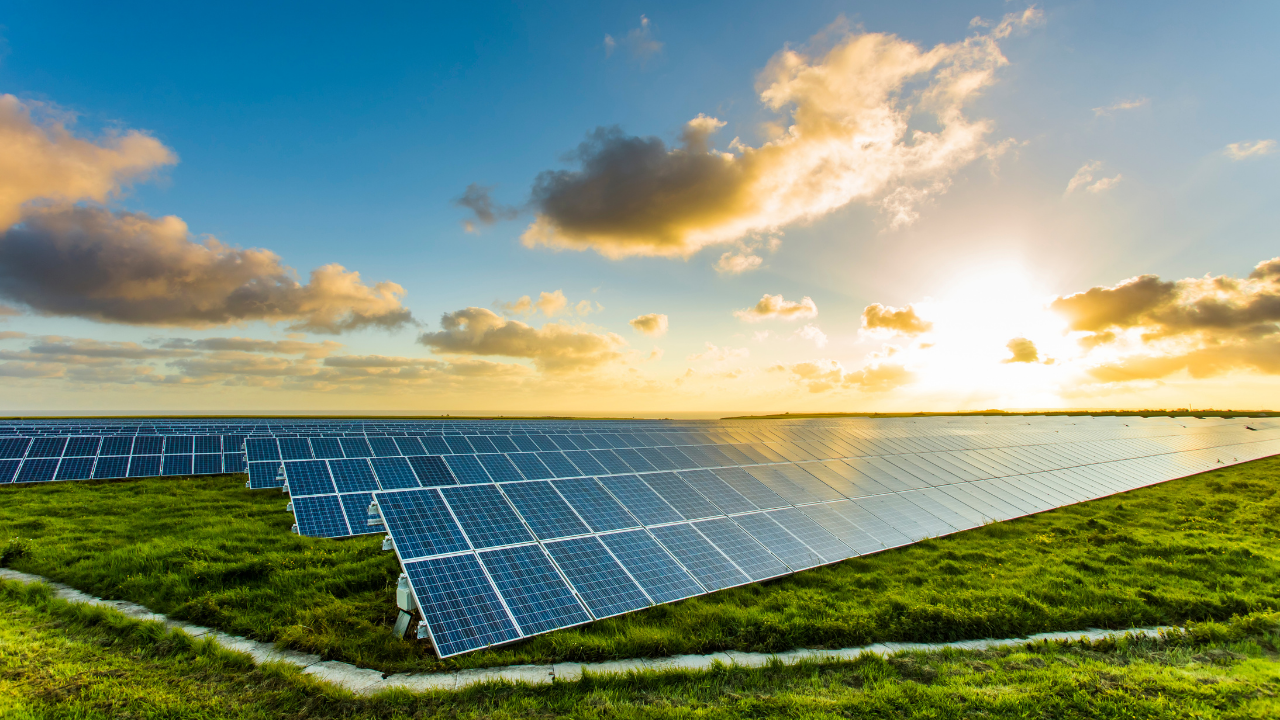
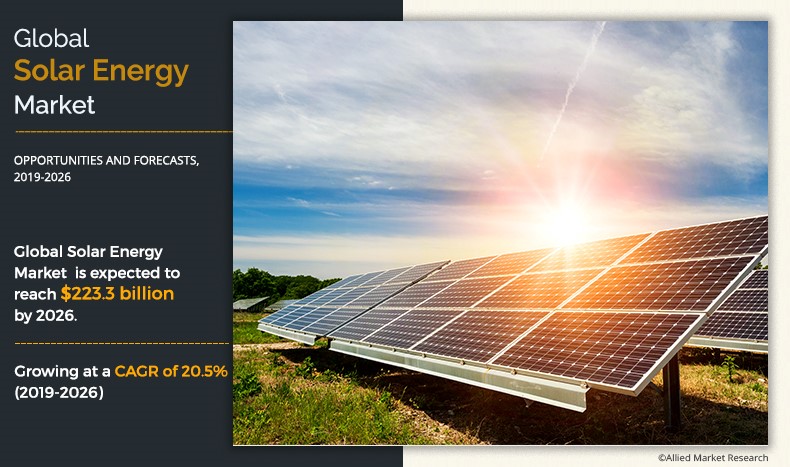
Solar energy is a form of energy generated by the heat and light of the sun, which can be used through various technologies. Solar technologies convert sunlight into electrical energy through photovoltaic (PV) panels or mirrors that concentrate solar radiation, that is, thermally.
This generated energy can be used to generate electricity or can also be stored in batteries or thermal storage.
Also Read These News
- Solar Energy Advances and Installed Capacity Already Equals Half of the Hydroelectric Plant’s Capacity of Itaipu
- Photovoltaic Solar Power Plant Installed on the Roof of Udiaço’s Factory is the Largest in the State of São Paulo
- BP Finances the Construction of the First Solar-Powered Steel Plant in the World, which Will Feature 750,000 Solar Panels
- São Paulo State Government Plans More 50 Solar Power Plants by the End of 2022
- Use of Photovoltaic Solar Energy in Residences Grows 2,000% in Brazil
Considered one of the sources of clean and renewable energy, solar energy has become increasingly attractive due to its inexhaustible supply and non-polluting nature, in total contrast to finite fossil fuels, coal, oil, and natural gas.
-
The Brazilian state accelerates industrial competitiveness with a focus on the extraction of strategic minerals to boost the energy transition in Goiás.

-
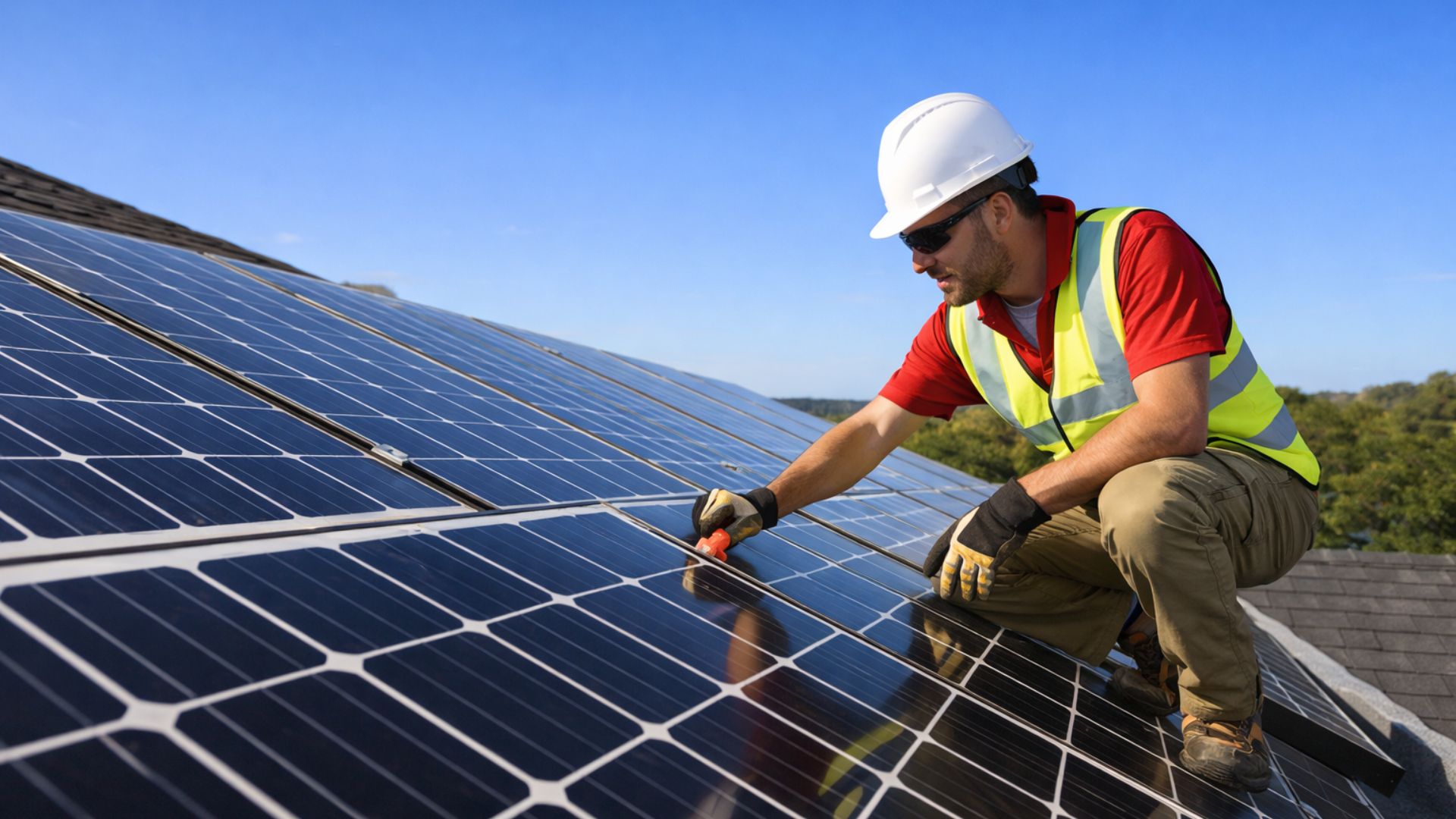
Seagri’s headquarters invests in solar energy with Neoenergia Coelba and promises to cut electricity costs, highlighting a strategic advance in sustainability and energy efficiency within state public administration.
-
A Canadian retiree creates a hydroelectric system on a real river, generating energy continuously throughout the day and demonstrating how the power of water can supply a house with stability even in a simple structure.

-
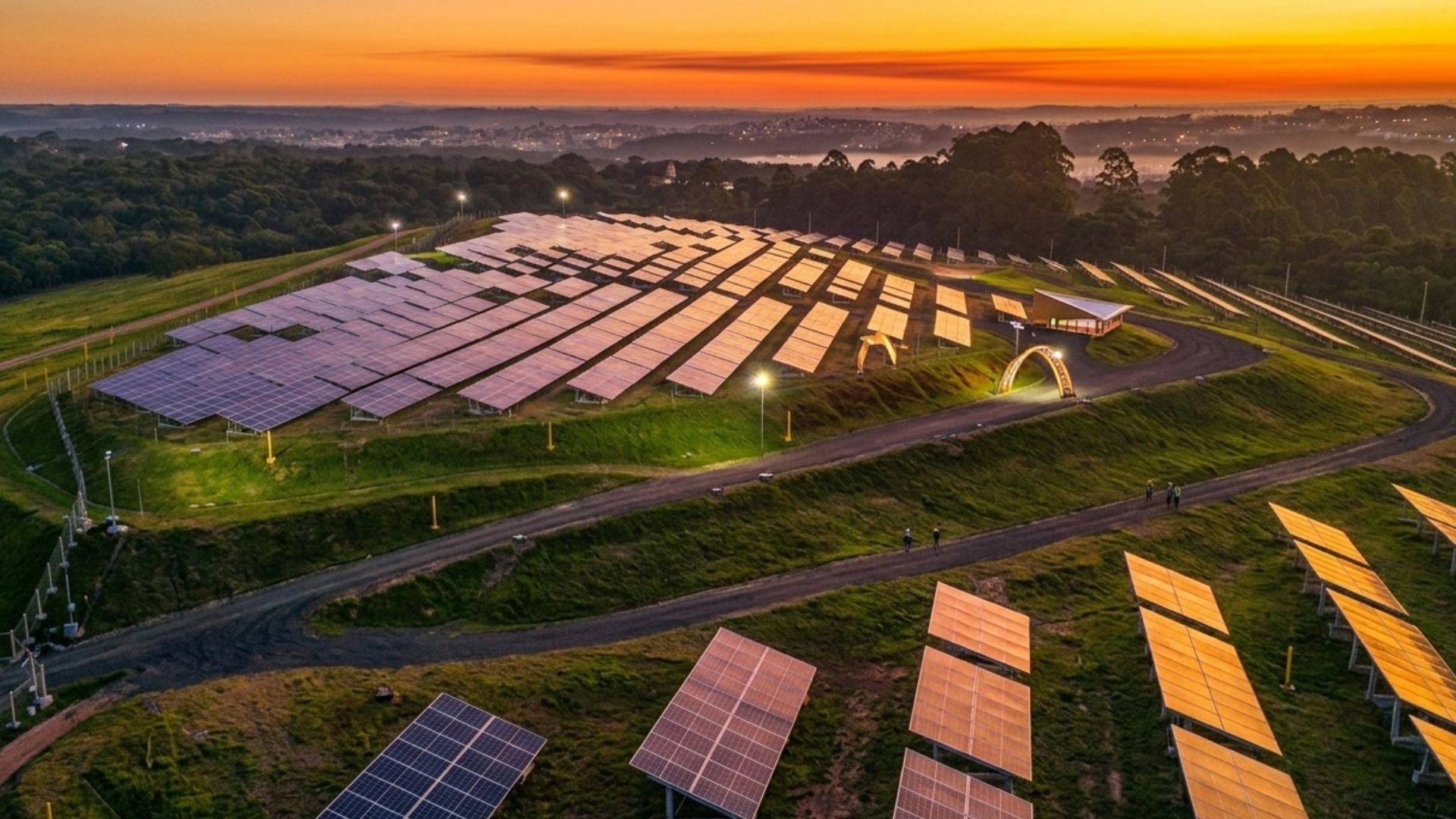
Solar Pyramid draws attention by converting solar energy into million-dollar savings and repositioning the City Hall of Curitiba as an example of innovation, sustainability, and intelligent use of public resources.

The amount of sunlight that reaches the earth far exceeds the current and projected energy needs of the world’s population. Just one and a half hours of solar incidence on the Earth’s surface is enough to meet the world’s energy consumption for an entire year.
The process of generating electrical energy from solar energy can be carried out by two systems: heliothermal or photovoltaic.
The heliothermal system first converts solar energy into thermal energy and then into electrical energy. The photovoltaic system, on the other hand, converts solar energy directly into electrical energy.
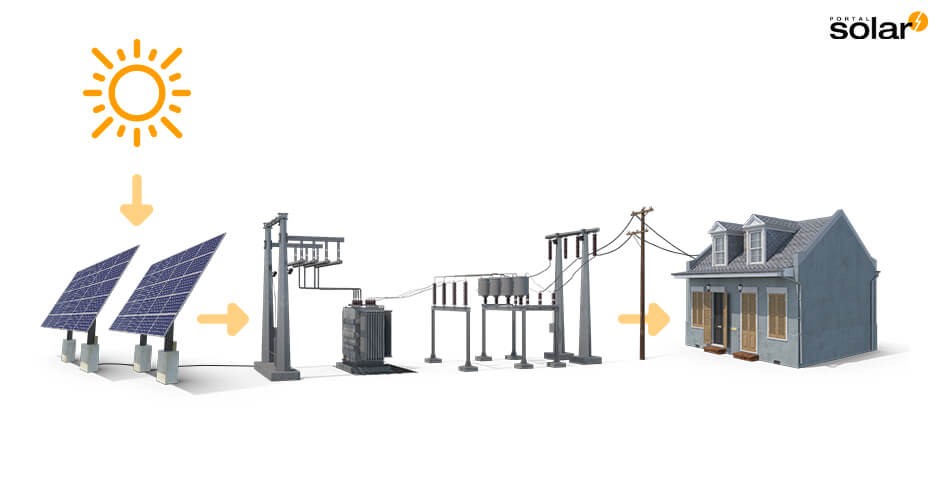
The production of photovoltaic solar energy is practical, in addition to being quite economical and safe for obtaining clean energy.
Solar energy can be used in your home after the installation of a photovoltaic solar energy generating kit. This provides more convenience for you, as you won’t have to worry too much about the electric bill.
Another sector where the installation of solar energy brings many benefits is for industries and businesses. They are highly benefited as they have a high energy consumption.
There is also the use of solar energy by rural properties, bringing a great advantage especially for irrigation, water pumping, cooling, grain drying, among other purposes.
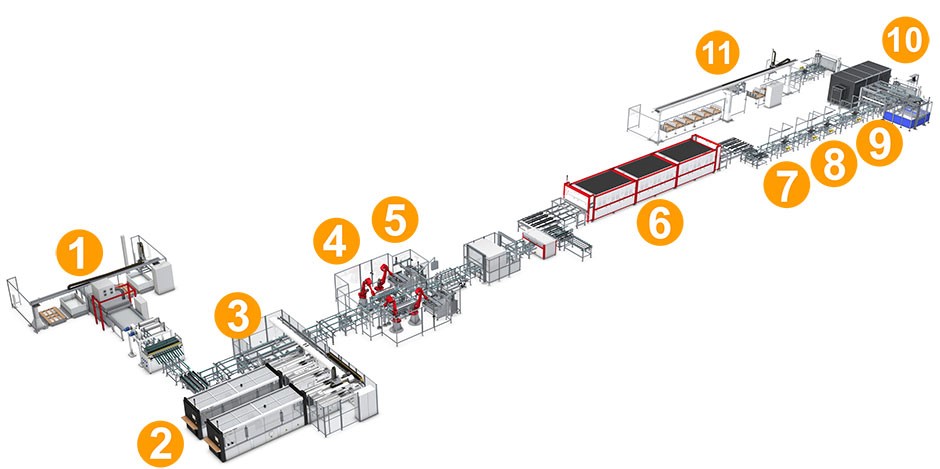
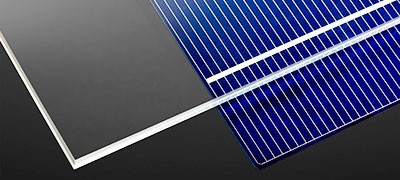
The manufacturing process of the solar panel starts with the cleaning of the glass (1). This cleaning is done by a special machine through a reverse osmosis process to ensure that “bubbles” do not form on the solar panel after being laminated and ready.
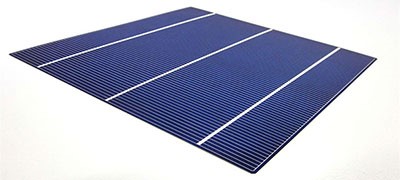
Next, the interconnection of the photovoltaic cells (2) is done, which consists of one of the most critical steps in the process. It is at this stage that the cells are interconnected by conducting copper or aluminum wires, where each voltage has a specific number of series and cells, which are joined through a special welding machine.
Then comes the assembly of the cell matrix (3), also known as “layup.” This phase consists of collecting the series of interconnected photovoltaic cells and positioning them over the glass and EVA.
After this work, manual interconnection (4) is performed. In this way, the strings of cells are welded creating an electrical connection between them.
Once that is done, it’s time to position the EVA and backsheet (5), which basically consists of placing a second sheet of EVA over the cell matrix and the backsheet over the EVA.
Next, the lamination process of the solar panel starts (6). It is during this process that the EVA melts/fuses and forms a perfect junction between the layers and thus protects the cells from the elements.
As soon as the solar panel comes out of the laminator, there is some material left on the edges of the panel. So, a special tool is used to cut off the burr (7).
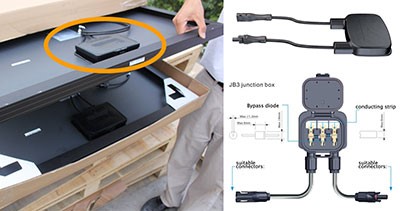
Next, the junction box (8) is installed, which is fixed using silicone as a sealant.
To finish, aluminum frames (9) are fixed to provide robustness and ensure the protection of the glass for the panel and the panel will be ready for the last stage of the production line, which is the testing and inspection (10). If everything goes well during the testing and inspection phase, the solar panels will be separated and packaged (11).
Types of Solar Panels
The main types of solar panels are monocrystalline, polycrystalline, and thin-film panels.
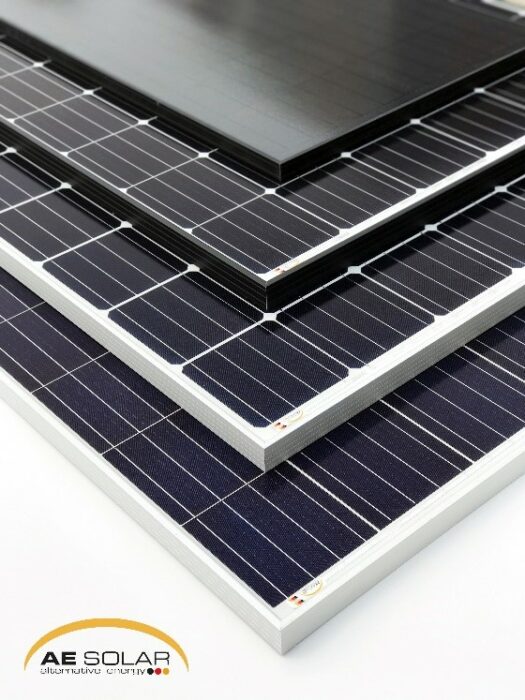
The main difference between mono and poly panels is that monocrystalline silicon panels are made with solar cells from a single silicon crystal, while polycrystalline silicon panels are made from the melting of multiple silicon crystals.
Monocrystalline technology is easily recognized when viewed up close, as they have a uniform color characteristic of high-purity silicon. Because they are made with a single silicon crystal, monocrystalline panels are more efficient but are more expensive than polycrystalline panels.
Its main differences are aesthetic appeal, cost, and efficiency. In polycrystalline panels, the silicon crystals are melted into a block preserving the formation of multiple crystals (hence the name polycrystalline).
Thin-film solar panels, or TFPV, consist of several thin layers of photovoltaic material on a substrate. They can also be categorized according to the photovoltaic material deposited on the substrate, which includes: amorphous silicon (a-Si), cadmium telluride (CdTe), copper indium gallium selenide (CIS / CIGS), and organic photovoltaic cells (OPV).
Depending on the technology of the thin-film solar panel, its efficiency is considered average, representing an average of 7 – 13% efficiency. This type of panel represents approximately 20% of the global market for photovoltaic solar panel manufacturing, with most being crystalline silicon.
Photovoltaic Solar Parks: Understand What a Solar Park Is, How It Works, and Learn About All Solar Parks in Brazil
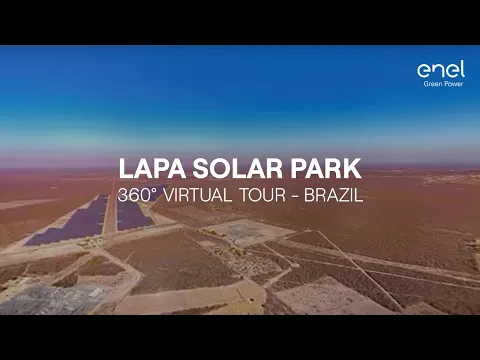
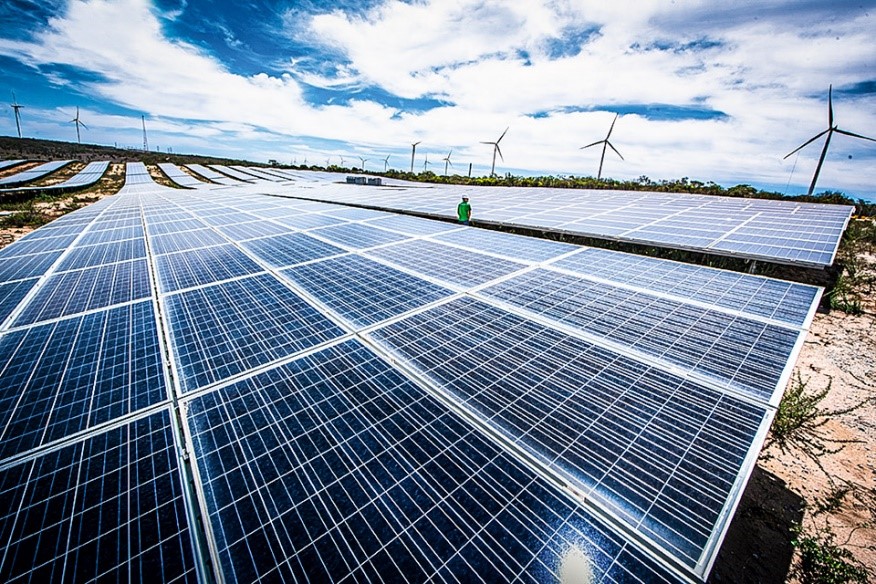
A solar park, also known as a solar power plant or solar complex, is a large facility that uses thousands of photovoltaic panels or other technologies to produce a large amount of electrical energy, and subsequently, distribute this energy at high voltage to various consumers.
It is important to observe the installation location of the solar park, as it directly impacts the connection method.
In general, solar parks are fixed to the ground through specific structures but can also be built on “trackers,” which are structures that allow the cells to follow the sun’s movement.
The solar park works similarly to the residential photovoltaic solar energy system, absorbing sunlight and converting it into electrical energy.














Seja o primeiro a reagir!