






 Portuguese
  Spanish
 4 min of reading


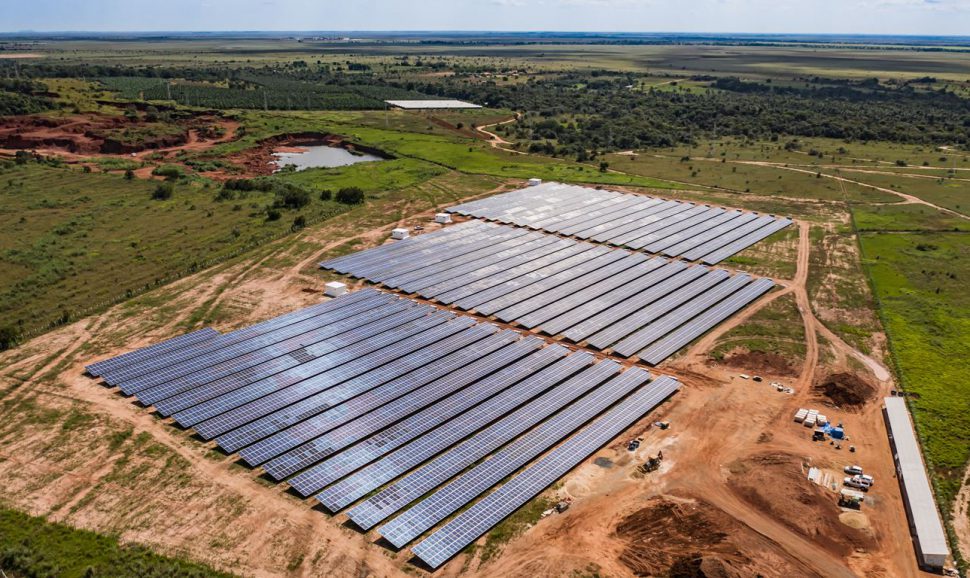
Notice for the First Five Distributed Generation Projects of Solar Power Plants in São Paulo, Expected to be Released by the End of the Year
The government of the State of São Paulo wants to install 50 distributed generation solar power plants in the state by the end of the current administration, which concludes at the end of 2022. The idea is to utilize vacant properties and land. This information was confirmed by Agência CanalEnergia exclusively during the inauguration of EDP Renováveis’ Pereira Barreto Solar Complex by the Undersecretary of Infrastructure of the State of São Paulo, Cassiano Ávila. Read this news: Contract Signed for the Construction of New Solar Power Plants in the State of São Paulo
- BRF Invests R$ 8 Million in Its Goiás Unit and Becomes an Intelligent Factory Utilizing Cutting-Edge Technologies
- French Human Resources Startup Swile Bets on Brazil and Aims to Generate 500 Jobs in Technology by 2022
- ES Health Department is Holding a Selection Process Open for Professionals with High School, Fundamental, and Higher Education, with Salaries Reaching Up to R$ 10 Thousand
- Petrobras Will Invest R$ 8 Billion in the Next Five Years to Drill Oil Wells; Pará-Maranhão Basins are Among the State-Owned Company’s Priorities
- Alumar Opens More Than 500 Job Vacancies for Professionals with Higher, Technical, and Middle-Level Education for the São Luís Unit, Capital of Maranhão
Installation of New Solar Power Plants in São Paulo
According to the executive, the government has been working to include the state of São Paulo in the free market. Currently, the process is in the phase of identifying the best locations with good sunlight factor and connection point, and thus modeling them. Companies like Sabesp and CPTM, for example, already utilize this model, and now the infrastructure secretariat wants to make the acquisition.
“The idea is to develop about 50 projects by the end of this administration, at the end of next year, and by the end of this year we should publish the notice for the first five, where the concept is to utilize state-owned properties in São Paulo that are not being used for the implementation of these plants,” he says.
-
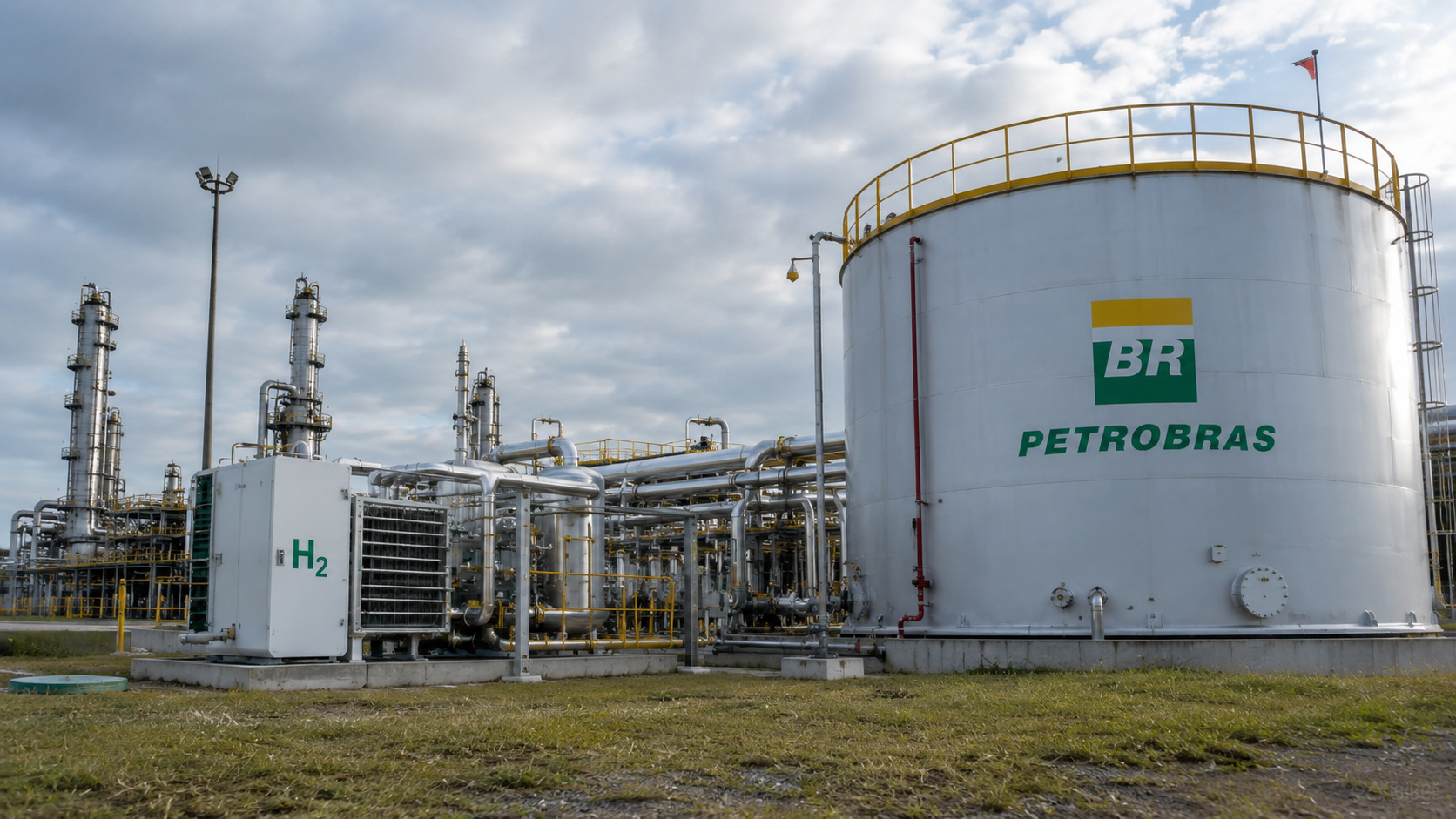
Brazilian scientists are simultaneously advancing two research projects on clean hydrogen and driving solutions that could transform the energy matrix, enhance industrial competitiveness, and accelerate large-scale emission reduction targets.

-
Advancement in renewable energy: A R$ 150 million project launched by Petrobras and Finep aims to create state-of-the-art electrolyzers for green hydrogen, strengthening national research and preparing Brazil to compete in a billion-dollar energy market.
-
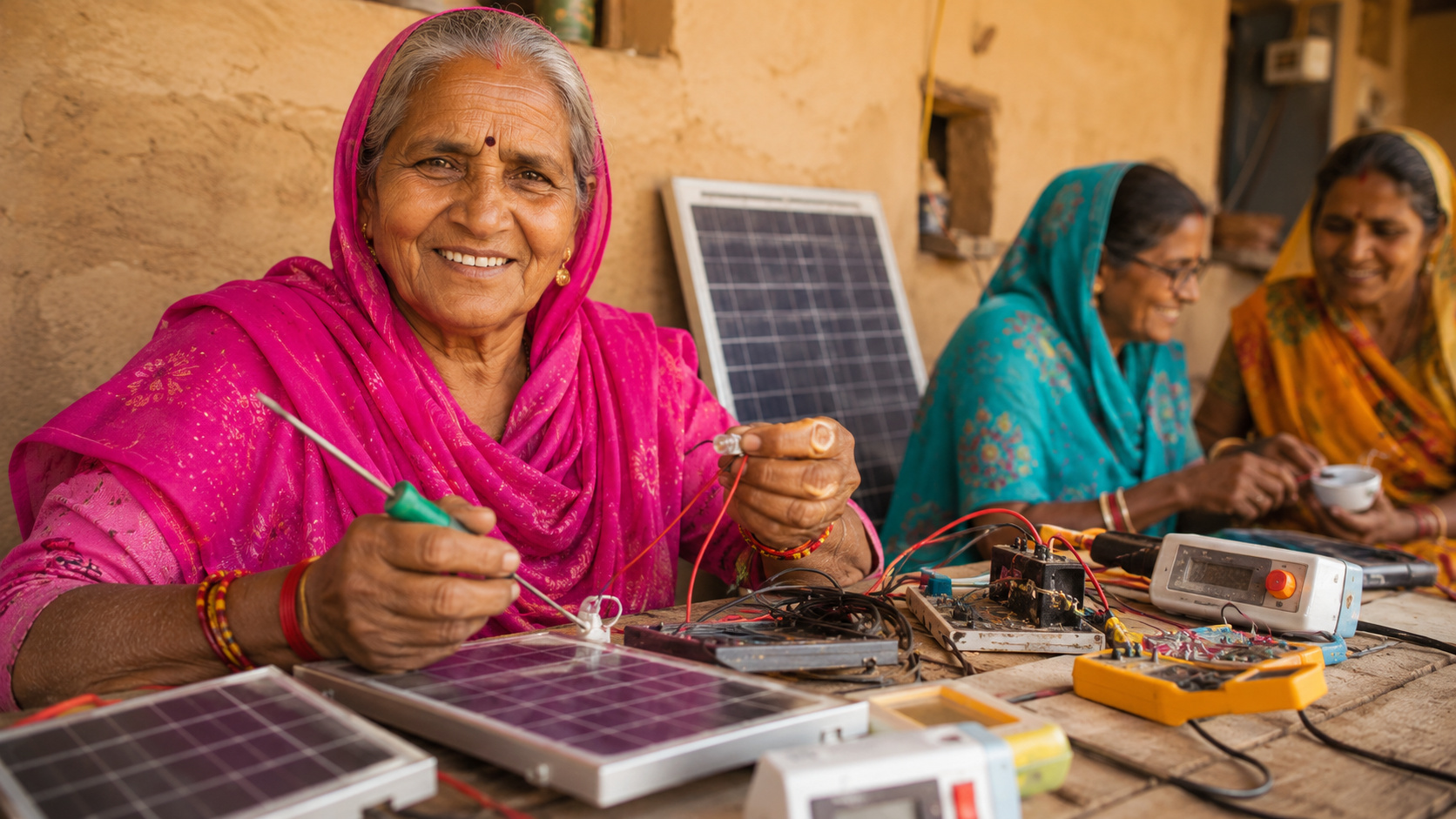
Illiterate or semi-literate grandmothers were trained to repair solar systems, open rural workshops, and light up homes that still depended on kerosene.
-
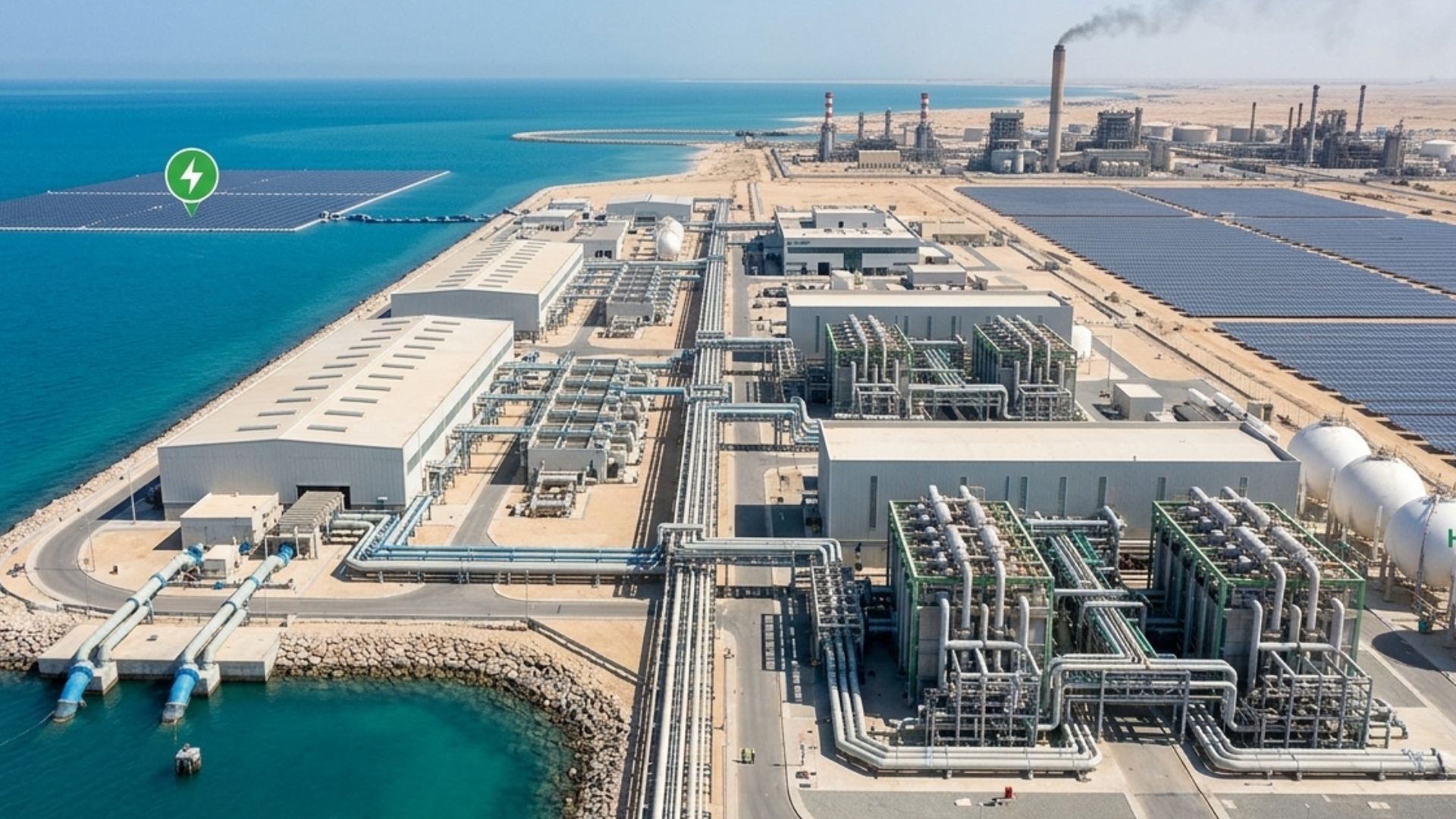
The world has bet on green hydrogen as the fuel of the future, but now faces the side effect: producing 1 kilogram requires about 9 liters of ultrapure water, and the largest projects on the planet are precisely in the driest regions of the Earth, where water is already scarce for people.


Electricity Expenses
Currently, the government of the State of São Paulo spends around R$ 670 million a year on electricity. The executive says the idea is to reduce this bill and also to give utility to these locations that are not being utilized. “Initially, the plants will have up to 5MW (…) we consulted Cetesb to check if the properties we have already identified have any obstacles that prevent the project’s licensing.”


Also Check: City in the State of São Paulo Will Implement Solar Power Plant to Power Electric Bus System
The city hall of São José dos Campos, in the interior of the State of São Paulo, has homologated the Cápua Projetos e Construções company for the implementation, maintenance, and management of solar photovoltaic power plants, which will power the electric bus system in lot 01 of the municipality’s transportation system.
The model is of distributed generation, including the management of electricity credit compensation. There will be 12 articulated electric buses measuring 22 meters in length, which were purchased by the city hall in the interior of São Paulo to circulate in the so-called Green Corridor, which will have a total extension of 25 km. The first phase will have 14.5 kilometers and will connect the south and east regions, considered the most populous, passing through the city center.
The vehicles that will operate in the city in the interior of the State of São Paulo have chassis, batteries, and systems made by BYD and Marcopolo Attivi Express bodies. Lot 01 covers the northern, western, and southern regions; and will include the southern stretch of the Green Line project (electric bus corridor). In the case of the Green Line, the 22-meter electric buses made by BYD and Marcopolo, the concessionaire of Lot 1 will bear the operating costs, including rolling stock maintenance and energy, when the southern stretch of the Green Line is ready for operation.




Be the first to react!