





 Portuguese
  English
  Spanish
  4 min of reading
  0 comments


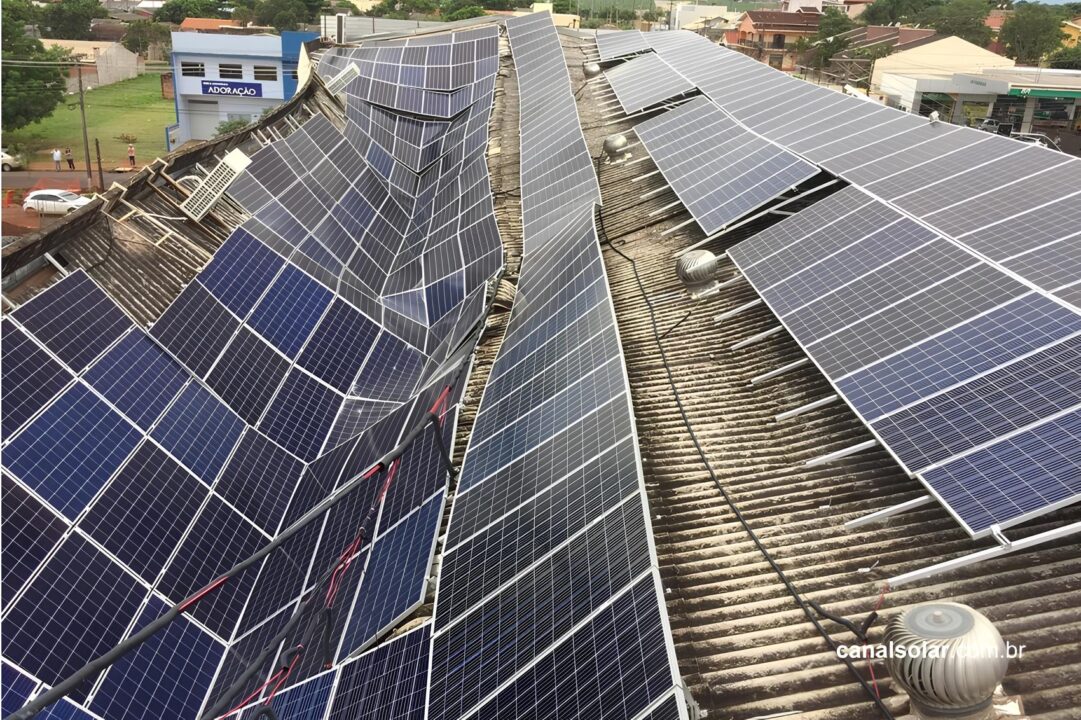
Can Solar Panels Compromise Your Roof? Check All Your Questions About The Weight Of The Equipment And Do Not Install A Solar Energy System Without Consulting A Specialized Professional.
The popularity of solar energy panels continues to grow, but many questions still surround this type of technology. One of the main concerns is about the weight of a photovoltaic solar energy system and a roof’s capacity to safely support it. These questions gained even more prominence after the incident at the Sanctuary of Our Lady of Conception in Recife, Pernambuco. In this article, we will clarify everything you need to know to ensure a safe installation and understand if solar panels can really compromise your roof’s structure.
Can Solar Panels Collapse Your Roof?
In the tragic accident, there were two fatalities and 22 people injured due to the roof collapse, one week after the installation of a solar panel system. There is no confirmation that the presence of solar energy panels contributed to the cause of the accident.
This is being verified by a team of experts in Pernambuco and as soon as the work has been completed, the results will be released. Some facts about this accident are that the company that carried out the installation had a structural report authorizing the installation at the site.
-
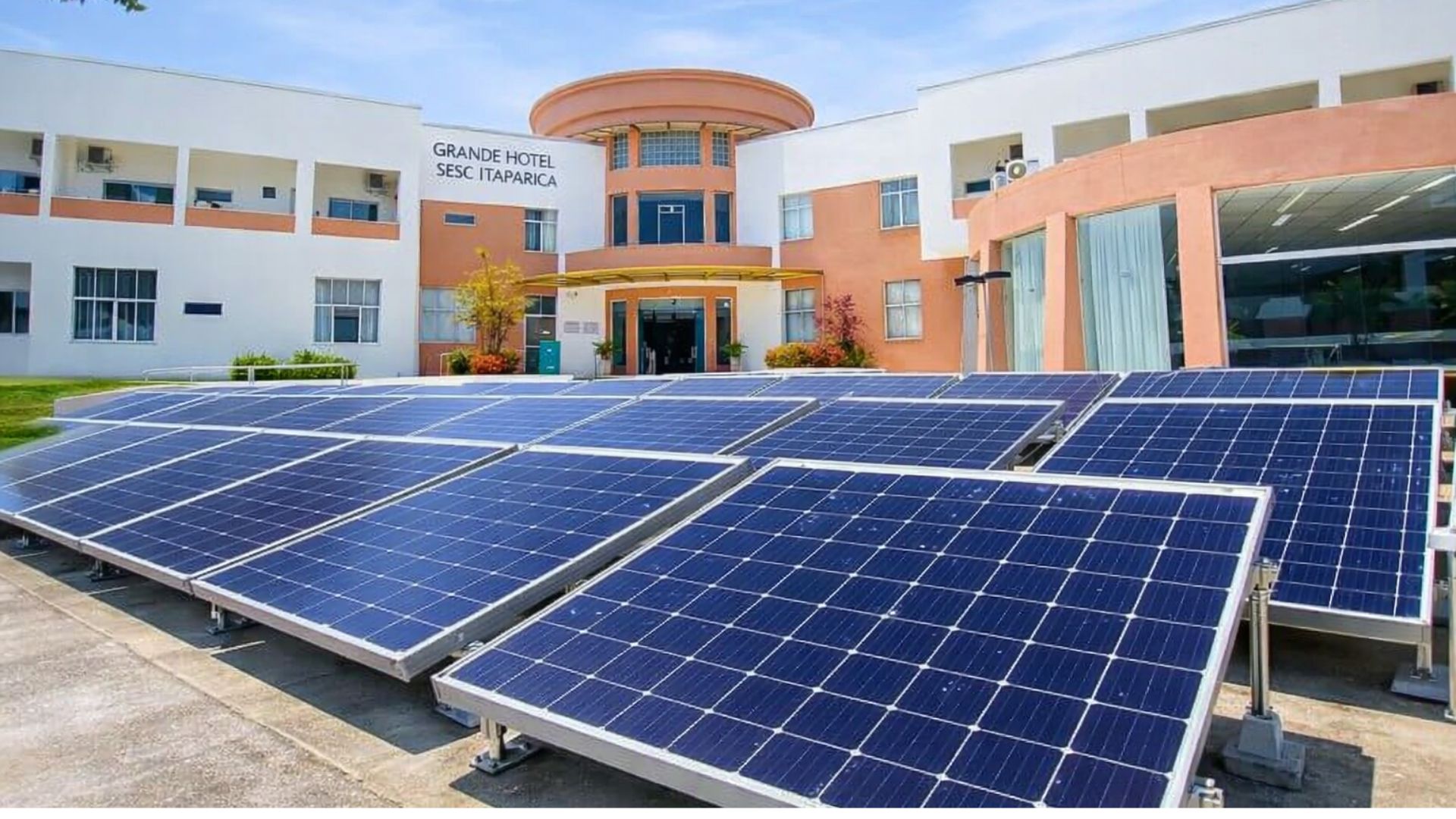
Sesc-BA bets on renewable energy with the support of EDP and drives the energy transition with a direct impact on cost reduction and the sustainability of its operations in Bahia.
-
Technology giant breaks global sustainability records: How Amazon’s leadership in renewable energy procurement transformed the global energy market in the past year.

-
Alert in the electric sector: Atlas Renewable Energy confirms billion-dollar investment and Brazil risks losing a share of the new investment in Latin America to neighboring countries.
-
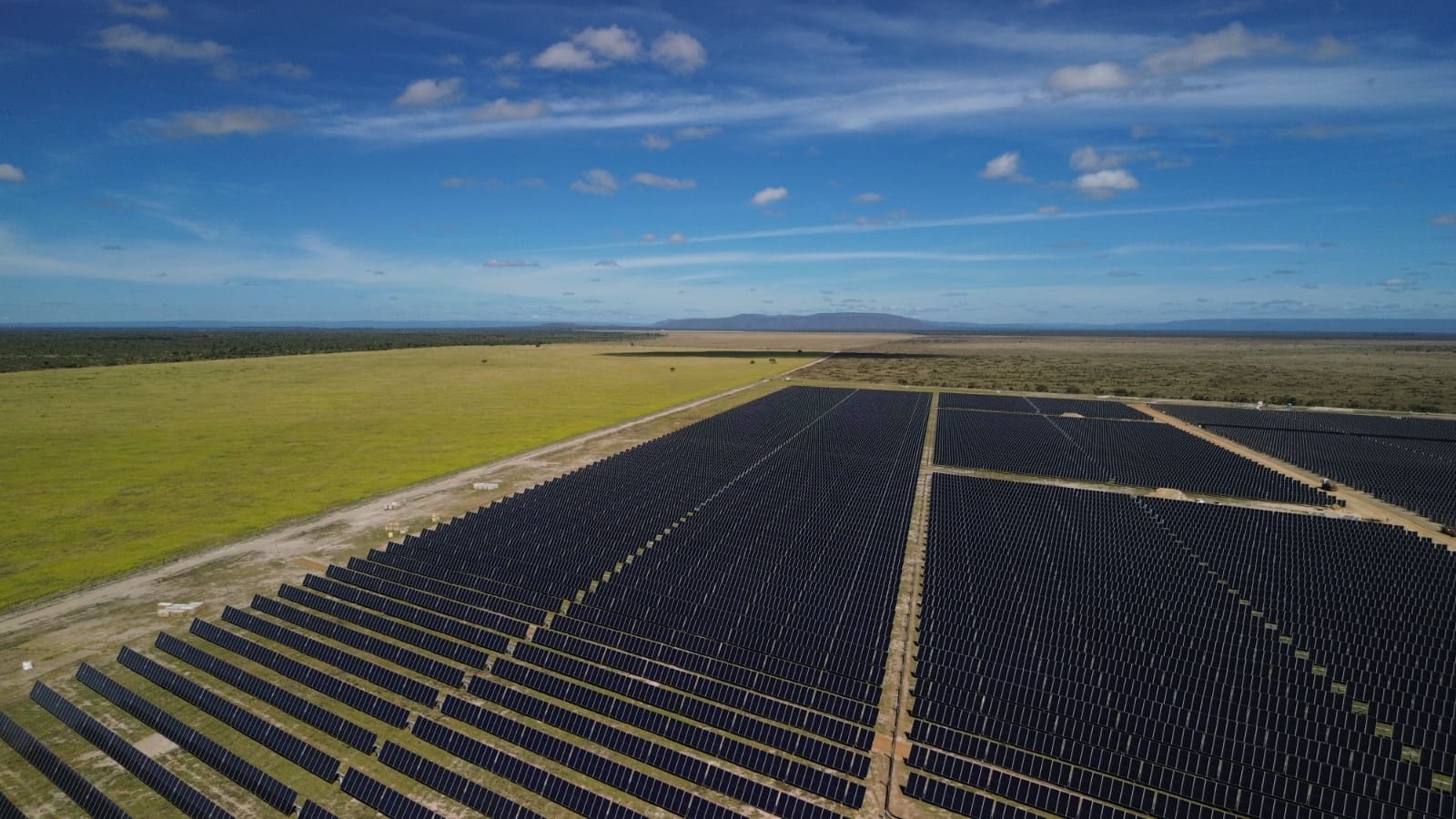
Billion-dollar partnership in clean energy: The advancement of decarbonization in Japan opens doors for Brazil to become the world’s largest supplier of green hydrogen and ammonia.


By analyzing the photo of the installed solar panel system and manually counting the existing modules, we can arrive at a total of approximately 120 photovoltaic modules.
Noting that, currently, the modules used in this type of installation range between 550W to 570W in most companies, we use as a reference a 550W photovoltaic solar energy module, which is the most commonly used module in commercial installations.
How To Calculate The Weight Of A Solar Panel System?
Solar panels of this type have a unit weight of around 27.5 kg, depending on the manufacturer. Thus, 120 panels multiplied by the weight of 27.5 kg per module would give us a weight of 3,300 kg, or 3.3 tons just for photovoltaic modules.
Considering that to install these modules we have aluminum rails and that the weight of this structure can vary between 10% to 20% of the weight of the solar panels and the material.


Something around 10% if it is fiberglass, 20% if it is aluminum, then we would add the weight of the structure used to fix the panel, which is around 660 kg, which would result in approximately 3,960 kg, or almost 4 tons of solar panels and a fixing structure.
We also do not take into account some connection cables from the modules to the inverters or microinverters. Another weight issue to determine if solar panels can collapse your roof relates to the type of installation and if the solar energy installation is done with microinverters and if these microinverters are placed under the solar energy panel, then there would be an additional weight.
This component has the capacity to connect four photovoltaic modules, so for an installation of 120 solar panels, we would need 30 microinverters, and the weight of a microinverter used typically in these installations is around 3.5 kg, which would add another 105 kg for a total of 4,065 kg.
How To Know If I Can Install A Solar Energy System?
If the installation were done with a String Inverter, which is large and receives the connection from the panels underneath, that is, already inside the commercial establishment, this weight of 105 kg would be eliminated.
However, there would still be almost 4 tons, the weight of four compact cars on a roof. This is approximately an estimated weight based on the photo, the number of modules, and the type of installation.
Nevertheless, the question remains how to calculate the weight supported by the roof that will receive this installation and whether solar panels can collapse your roof. To answer these questions, installation companies of photovoltaic solar energy systems typically conduct a study and pay for a technical report to analyze when it is a large installation or require that the contractor have this report.
Can Solar Panels Collapse Your Roof?
The question is legitimate, and understanding the weight of a solar system is essential to ensure a safe installation. A standard photovoltaic solar panel weighs, on average, between 18 to 25 kg, and considering that a complete system can contain between 10 to 20 panels, the total weight of the system can vary from 180 kg to 500 kg, depending on the size and capacity of the project.
The weight of support brackets and other components must be taken into account. To ensure the safety of the installation, it is crucial that the roof can support this additional weight without compromising its structure.
A common masonry house roof with a wooden structure can generally support between 15 to 20 kg per square meter. If your solar system covers an area of 20 square meters, for example, and each square meter of solar panel weighs about 10 kg, the total weight would be around 200 kg, which would be safe for most conventional roofs.
However, it is fundamental to conduct a technical assessment before installation to ensure that the roof is in good condition and can support both the weight of the panels and other variables, such as wind and rain.
Remember, an inspection by a civil engineer or solar energy specialist can ensure the safety and efficiency of the installation, avoiding unpleasant surprises in the future. This care is essential to prevent damage to your home’s structure and ensure that the system works perfectly.








Seja o primeiro a reagir!