





 Português
  Inglês
  Espanhol
 4 min de leitura
  0 comentários



The Civil Police of Rio Grande do Sul Faces the Highest Number of Discharges in a Decade, with 41 Exonerations Just in 2025 and More than 150 Since 2023, Amid Low Salaries and Degraded Structure
The Civil Police of Rio Grande do Sul is facing an unprecedented crisis. In 2025 alone, 41 officers requested resignation, a number that already exceeds the annual average of the last decade and could double by the end of the year, according to the union of the category. The scenario is described as an ongoing structural collapse, exacerbated by the combination of outdated salaries, excessive workload, and compromised infrastructure.
Between 2023 and 2025, 156 public servants left the institution, which represents the largest volume of discharges in 10 years. The majority consists of professionals at the beginning of their careers — precisely those who sustain the operational pace of the police stations. The constant loss of personnel directly threatens service to the public and the efficiency of ongoing investigations.
The Accelerated Increase in Exonerations
According to the union that represents clerks, inspectors, and investigators, the weekly average of resignation requests ranges between two and four.
-
With an unusual prize, Japan transforms office chairs into a resistance race on the streets, ISU-1 Grand Prix grows, fills stages, and pays 90 kilograms of rice.

-
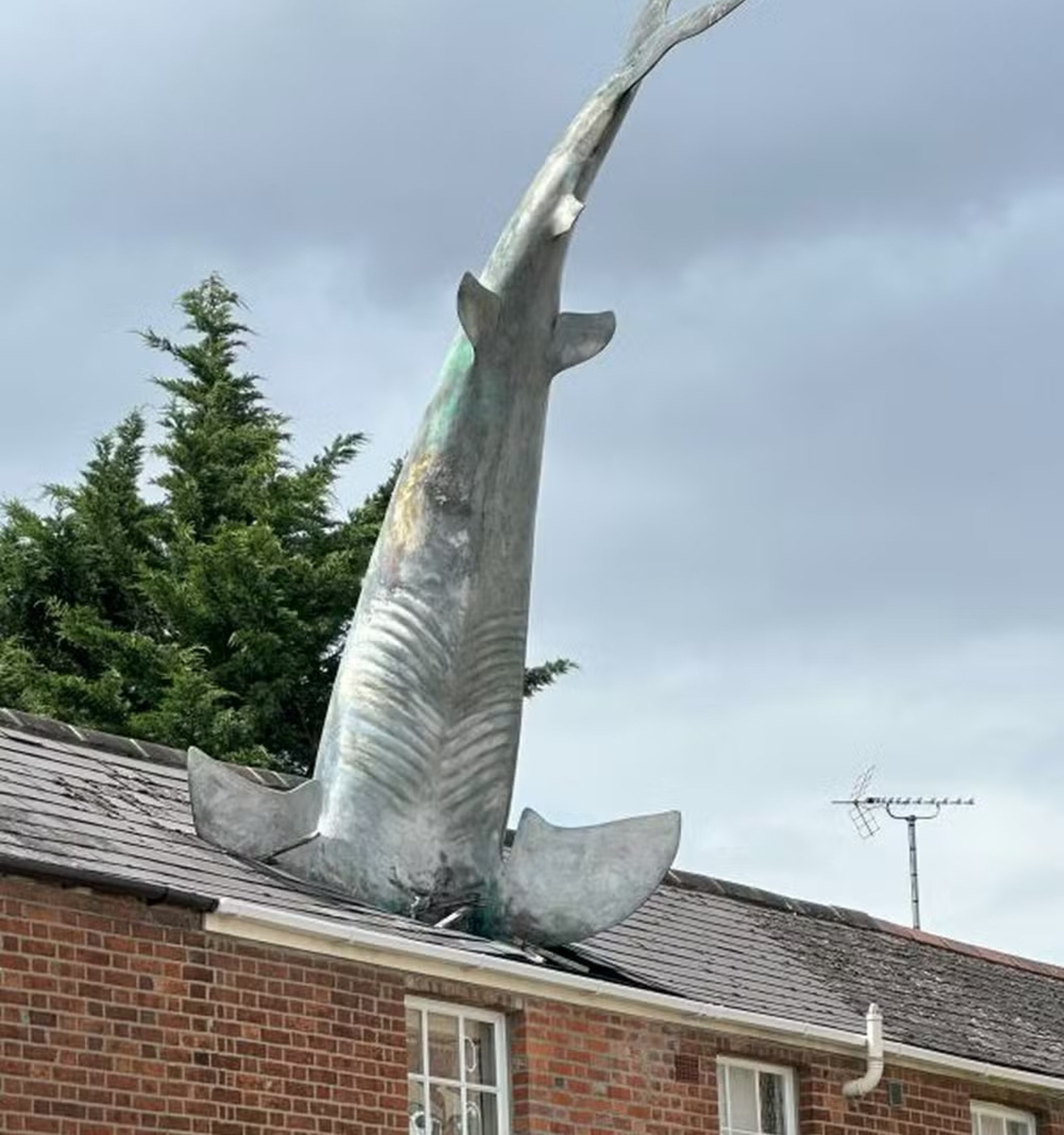
House in England with a 7.6-meter shark embedded in the roof attracts attention worldwide and becomes a curious attraction in Oxford.
-
Masterpiece in Spain, under construction since 1882, receives 4.8 million visits in a year and impresses with its gigantism and architecture.

-
Attracting around 250,000 people a year, a lighthouse 200 meters from the sea, on a 60-meter high cliff, on the North Sea coast in Denmark, becomes one of the most impressive examples of how nature can threaten historical buildings.


The projection indicates that the year could end with an absolute record, surpassing all previous statistics.
The growing attrition reflects dissatisfaction with stagnant salaries and lack of career appreciation, factors that have led civil police officers to migrate to other areas of the public service.
Departures mainly occur in the first classes of the career, where salaries have not kept pace with inflation and the cost of living.
“Salaries have lost purchasing power for years, and entering other careers has become more advantageous,” reported a union representative.
The result is a cycle of renewal without effective replacement, where each departure increases the pressure on those who remain.
Degraded Structure and Impact on Services to the Public
In addition to the salary issue, the working conditions in the police stations of Rio Grande do Sul are a constant cause for alarm.
The most emblematic case is that of the Police Palace in Porto Alegre, where flooding and seepage after heavy rains have hindered service and the storage of materials.
The State Public Prosecutor’s Office has initiated an investigation into the conditions of the building, which represents the symbolic headquarters of the institution.
According to the union, there are units at risk of closure in cities like Caxias do Sul, coastal regions, and the metropolitan area.
In many places, the lack of maintenance and security puts not only the employees but also the public at risk.
“The police officer works in degraded structures, often without adequate equipment or minimal climate control,” union representatives report.
The Contrast with the Decline in Criminality
While the state government highlights the reduction in crime rates, civil police officers assert that the decline in statistics does not reflect the internal reality.
The argument is that the overload and staff deficit make investigative work slower, with fewer teams available for actions and shifts.
In practice, the human shortfall compromises the pace of investigations and response to occurrences.
Police stations with reduced staff need to reassign personnel and prioritize urgent cases, leaving some demands unaddressed.
The risk is that service to the public may become unsustainable if the pace of resignations continues.
Perspectives and Urgency for Responses
So far, the Civil Police has not officially commented on the exonerations or measures to curb the exodus.
Union sources indicate that salary readjustment and career plans are the two main demands of the category.
Without concrete advancements, the forecast is for new departures in the coming months, which could worsen the operational situation statewide.
For public security experts, the structural crisis of the Civil Police of Rio Grande do Sul exposes a national problem: the difficulty in retaining qualified professionals in the face of salary shortfalls and administrative overload.
Without appreciation, attrition tends to recur in increasingly shorter cycles, undermining investigative capacity and state response to crime.
The warning of collapse in the Civil Police of Rio Grande do Sul summarizes a crisis of multiple causes: outdated salaries, degraded buildings, and the attrition of experienced professionals.
The corporation that supports criminal investigations in the state faces its greatest challenge in a decade and awaits a reaction from the public authorities before the situation becomes irreversible.
Do you believe that the Civil Police’s problem is only salary-related, or does it involve a deeper crisis of structure and recognition? Share your opinion in the comments — we want to hear from those who live this in practice.









-

-

-

7 pessoas reagiram a isso.