





 Portuguese
  English
  Spanish
  4 min of reading
  0 comments


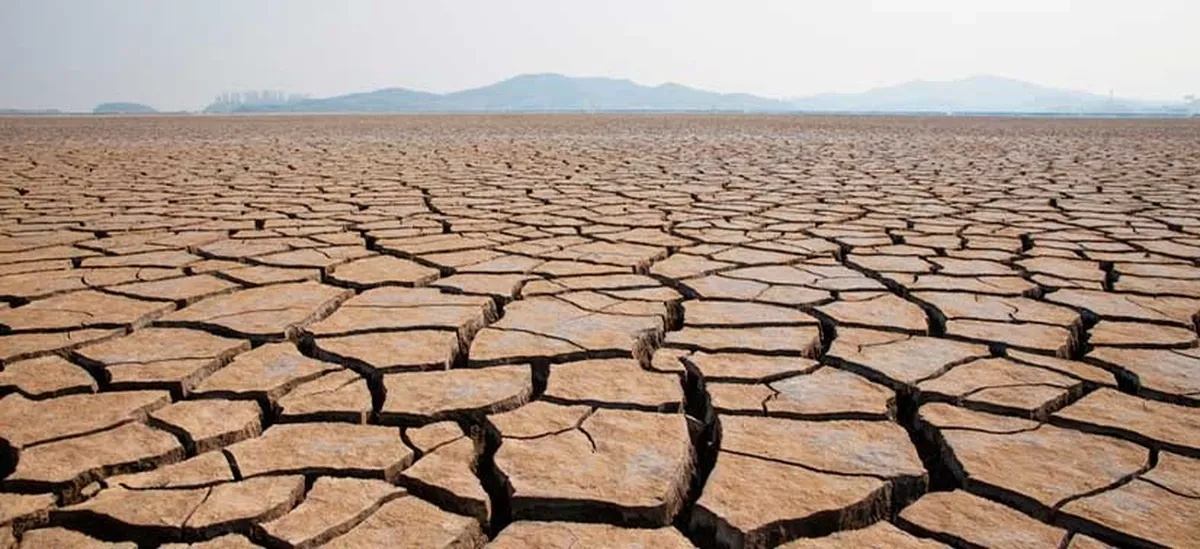
Researches from Fiocruz and London School of Hygiene and Tropical Medicine Reveal That a 1°C Increase Could Raise Child Survival Risk by Up to 22%
The advancement of climate change and air pollution is alarming public health authorities and researchers worldwide.
Two recent studies — conducted by the London School of Hygiene and Tropical Medicine in partnership with Fiocruz Bahia and by the Brazilian Association of Allergy and Immunology (ASBAI) — indicate that children and the elderly are the most affected by the combined effects of extreme heat and environmental pollution.
Projections indicate that, by 2055, climate-related deaths could almost double if global emissions are not controlled.
Effects of Heat and Pollution on Childhood
According to a survey published in March 2024, an increase of just 1 °C in average temperatures is already enough to raise the death risk among children under five by 22%.
This occurs because young children have lower capacity to regulate body temperature and exhibit greater propensity to dehydration and anemia.
Moreover, they suffer direct impacts on nutrition and cognitive development.
Dr. Renato Kfouri, a consultant for the Brazilian Society of Pediatrics, explains that, during periods of extreme heat, children absorb less fluids and nutrients.
This condition amplifies the risk of malnutrition and growth delays.
These effects, combined with food insecurity and air pollution, create a worrying scenario for child health in the coming decades.
-
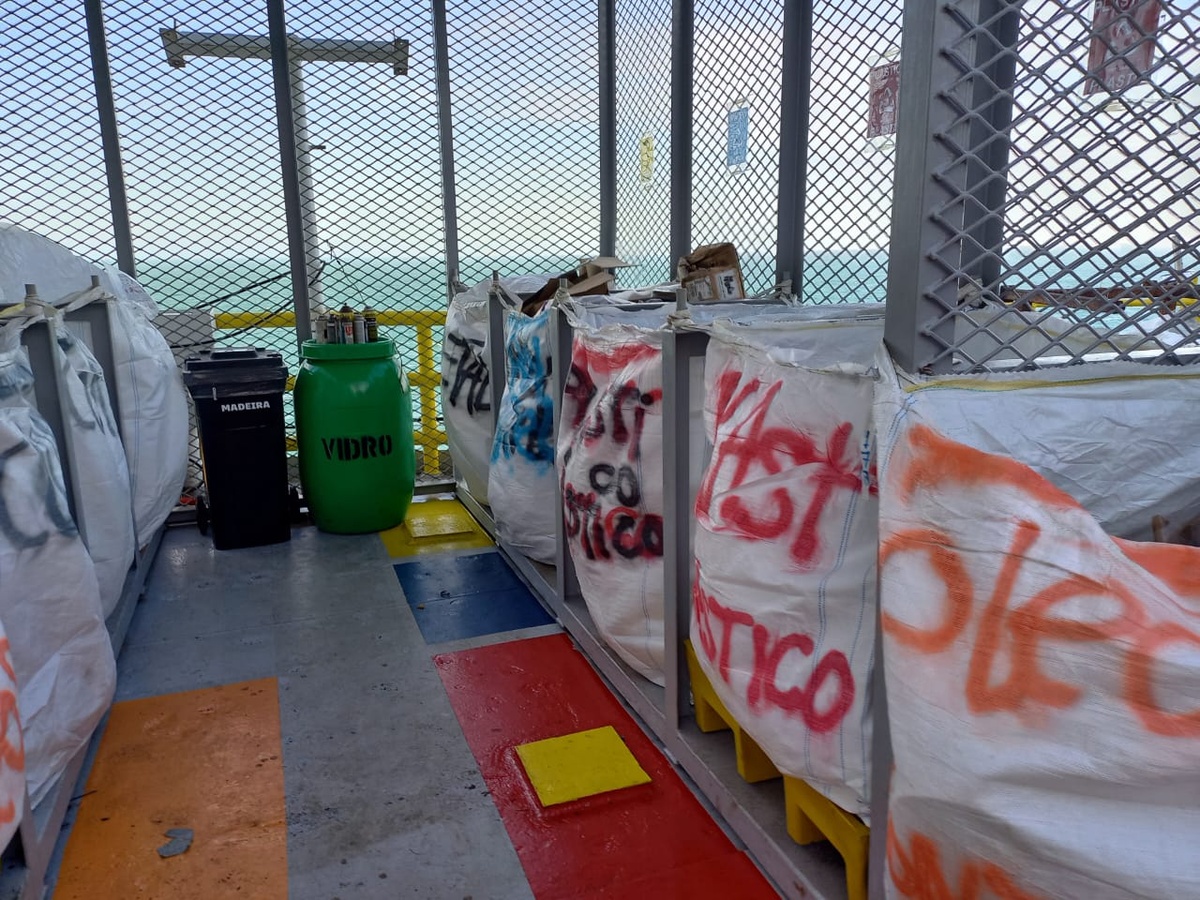
Foresea achieves 100% offshore waste reuse in 2025, eliminates landfill disposal, and consolidates sustainable strategy with 1,500 tons recycled.
-
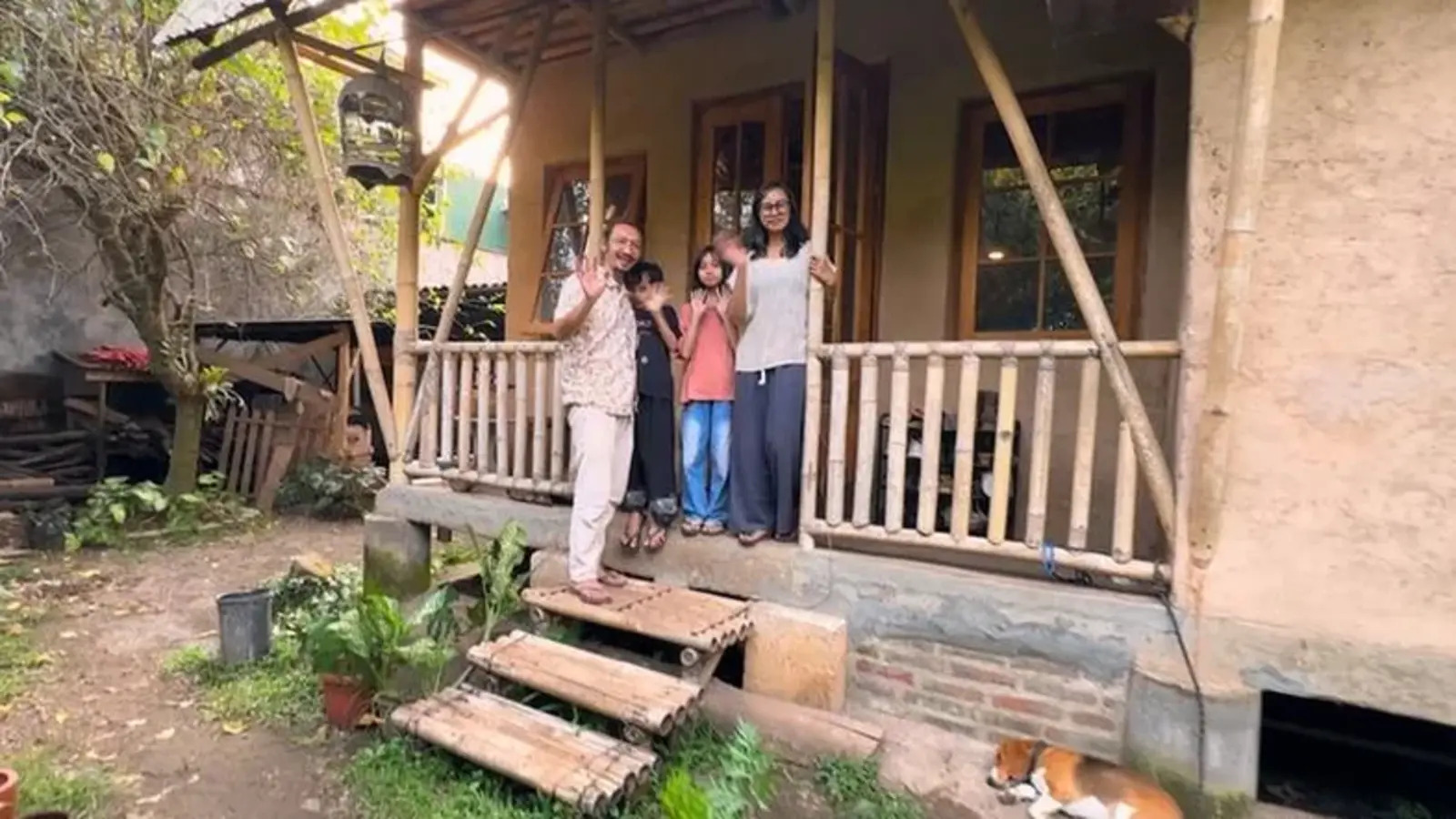
With earth, bamboo, straw, and lime mortar, a specialist builds a house for just over $460 and draws attention for its cost being much lower than traditional construction.
-
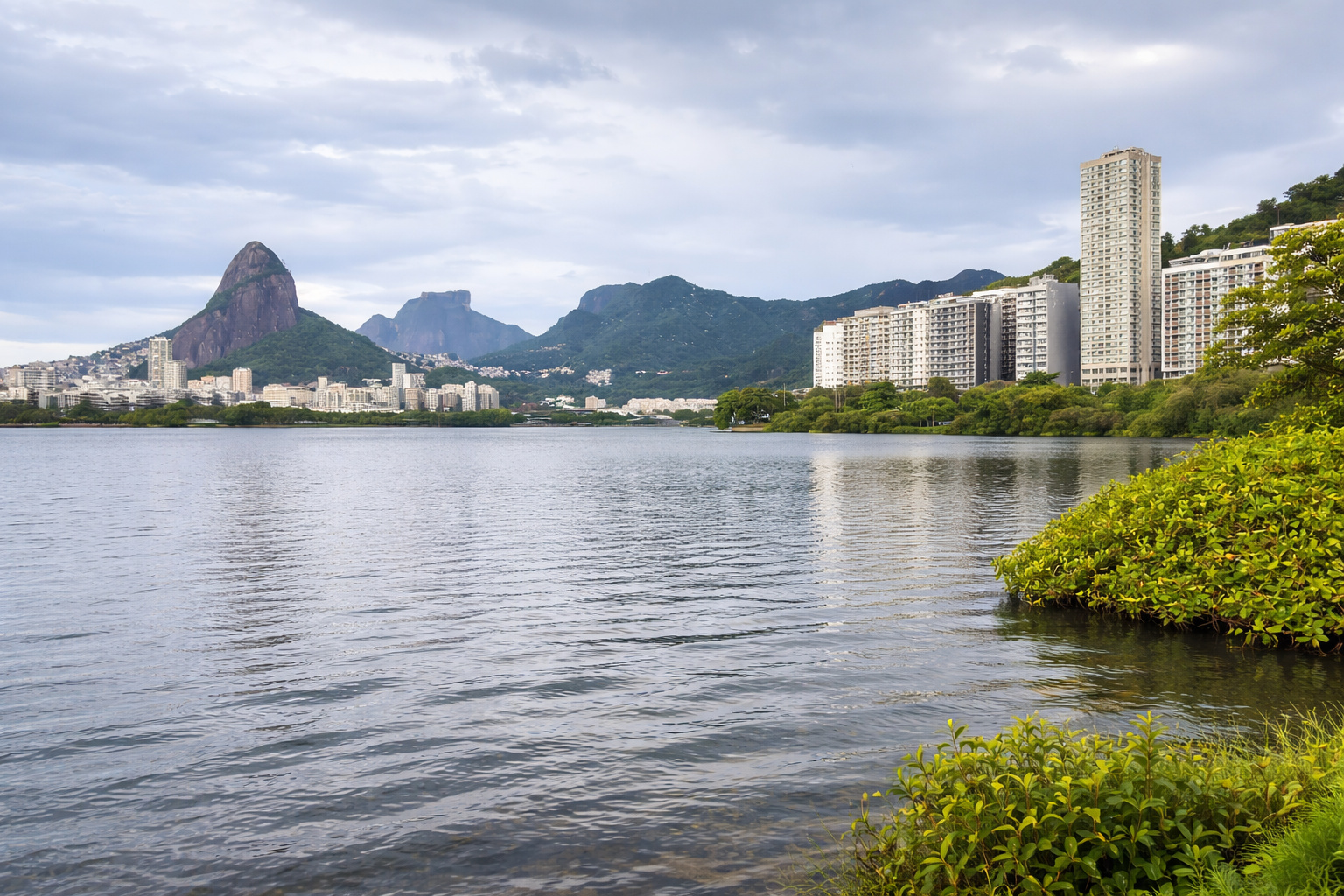
Rodrigo de Freitas Lagoon advances in environmental recovery with sanitation, elimination of irregular sewage, and the resumption of water sports in Rio de Janeiro.
-
Sustainable housing gains strength with a nationally awarded project in Campo Grande, highlighting innovative solutions that combine sustainability, urban integration, and efficiency in the use of natural resources.


According to data from the World Health Organization (WHO) and UNICEF, released in June 2024, over 700,000 deaths of children under five in 2021 were related to poor air quality.
Prolonged exposure to fine particles (PM2.5) and gases such as ozone and nitrogen dioxide (NO₂) exacerbates cases of asthma, pneumonia, and chronic respiratory diseases.
These occurrences are more frequent in densely polluted urban areas.
Increasing Impacts Among Elders and Pregnant Women
The elderly appear as another highly vulnerable group.
According to data from the U.S. Environmental Protection Agency (EPA) and the Pan American Health Organization (PAHO), hospitalizations due to extreme heat have significantly increased among people over 65 years old between 2001 and 2020.
The reduction of thermoregulation capacity and the presence of cardiovascular and respiratory diseases make heat waves even more lethal in this age group.
Furthermore, pregnant women are also disproportionately affected.
The Intergovernmental Panel on Climate Change (IPCC) reported in October 2023 that heat stress and pollution raise the risks of premature birth and low birth weight.
These conditions compromise neonatal development and increase pressure on public health systems.
The Brazilian Association of Allergy and Immunology (ASBAI) emphasizes that heat, flooding, and wildfires intensify crises of respiratory and dermatological allergies, affecting primarily children, the elderly, and pregnant women.
In July 2024, the organization sent a letter to Ambassador André Corrêa do Lago, President of COP30, advocating for the urgent need for concrete actions to reduce environmental pollution and mitigate the impacts of global warming on human health.
Consequences and Projections Until 2055
The report from Fiocruz Bahia, published in September 2024, indicates that, without effective environmental policies, deaths related to heat and pollution may double by 2055.
According to data from the Brazilian Panel on Climate Change (PBMC), child mortality from environmental causes could increase by up to 94% in the next three decades.
The Northern and Northeastern regions of Brazil are among the most vulnerable due to lack of infrastructure and worsening droughts.
Researchers also project that respiratory and cardiac diseases among the elderly may grow by up to 60%.
This increase is likely to occur during heat waves exceeding 40 °C, already observed in South American countries in 2023 and 2024.
Global Actions and Recommendations
In light of this scenario, experts advocate for integrated measures between public health and the environment.
The WHO suggests national climate adaptation plans, extreme heat alert systems, and continuous air quality monitoring.
These strategies, when implemented correctly, reduce hospitalizations and deaths caused by pollution and high temperatures.
Ambassador André Corrêa do Lago states that human health depends on the health of the planet.
Moreover, he emphasizes that the involvement of youth, scientists, and local communities is essential to contain the worsening of the environmental crisis.
Based on this, international cooperation becomes indispensable to ensure a sustainable and healthy future.
The Future of Health in the Face of Environmental Crisis
The combination of global warming and pollution represents one of humanity’s greatest challenges.
If no measures are taken, children and the elderly will face unprecedented levels of climate and respiratory illnesses.
Therefore, the planet has reached a turning point: act now or live with the irreversible consequences of the climate crisis.
After all, how much time is left to turn the alert into concrete action?







Seja o primeiro a reagir!