





 Portuguese
  English
  Spanish
 3 min of reading
  0 comments


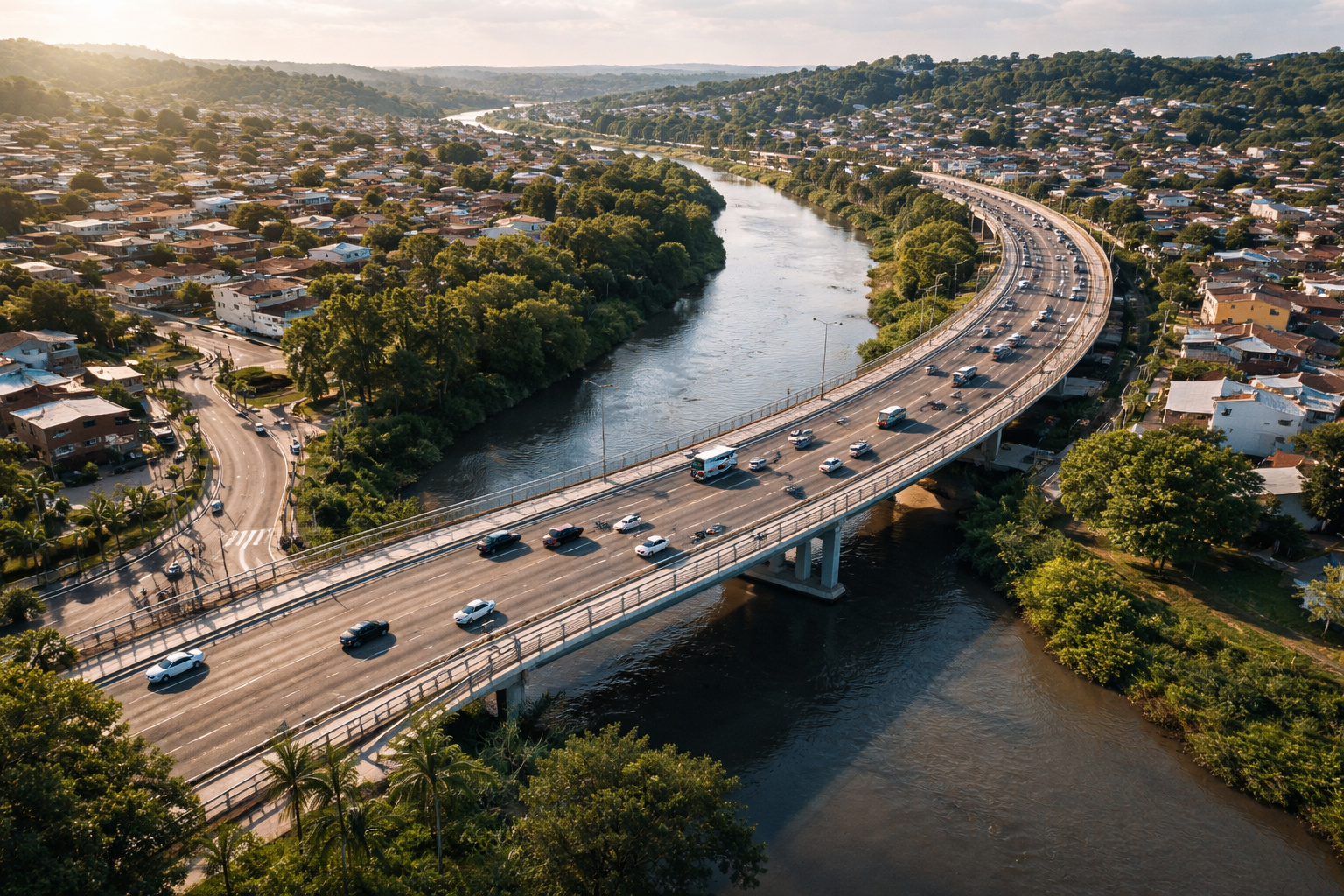
Structure Over the Itaum-Açu River Connects Fátima and Guanabara, Reorganizes Traffic, and Creates a New Traffic Axis in the Southern Region of the City
Initially, a strategic road work is advancing in the southern region of Joinville and beginning to silently alter urban dynamics. This is the Anêmonas Bridge, a curved bridge with a total investment of R$ 43 million, designed to shorten travel times and reorganize daily traffic.
Since the beginning of the work in 2026, technical teams have been building the structure over the Itaum-Açu River, directly linking the neighborhoods Fátima and Guanabara. Thus, the work creates an unprecedented connection between densely populated areas and reduces lengthy detours faced daily by drivers.
Structural Progress Defines the Pace of the Work
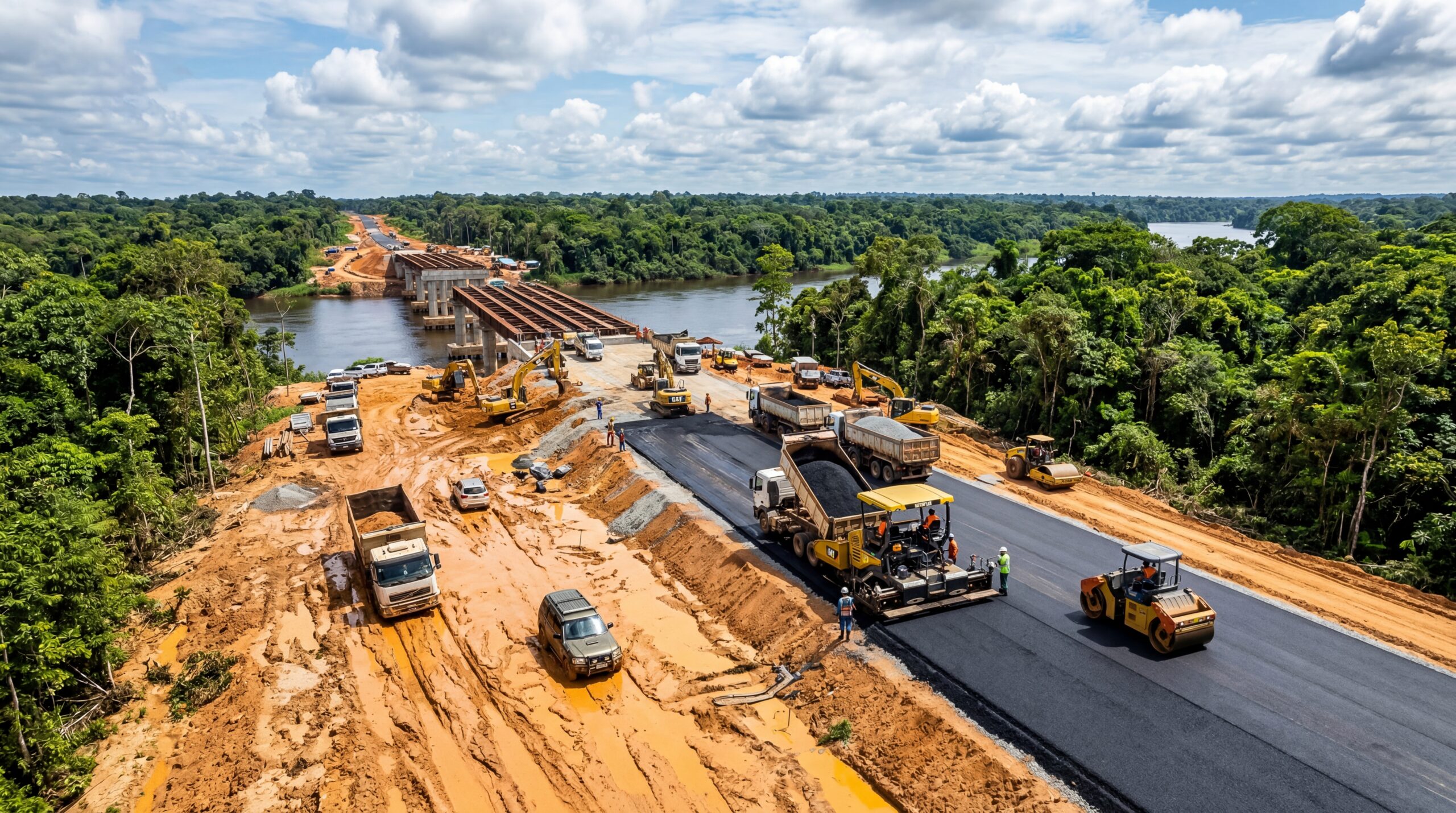
Currently, according to information released by the Joinville City Hall in 2026, teams are executing the pile driving, the stage responsible for supporting the entire bridge. At the same time, workers are producing and pouring the concrete beams, ensuring the continuity of the physical schedule.
-
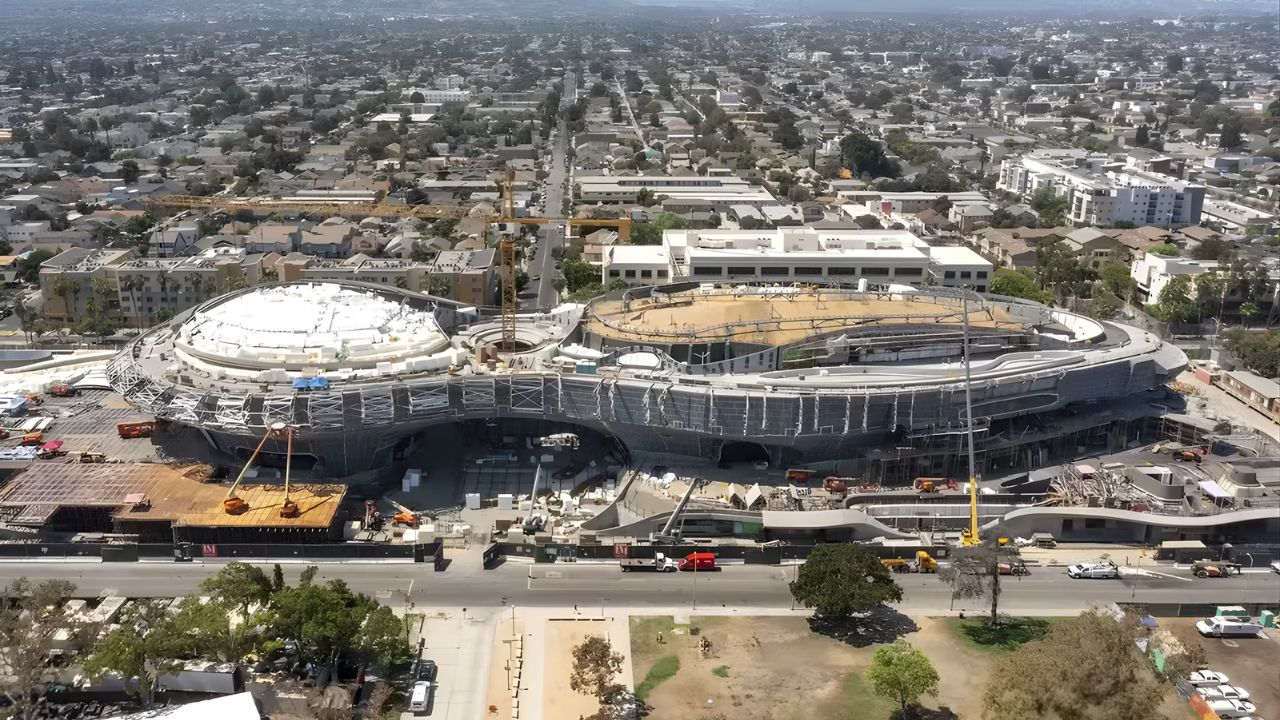
Created by George Lucas with over $1 billion, a futuristic museum in the shape of a spaceship with 1,500 curved panels is about to open in Los Angeles and will house one of the largest private collections of narrative art in the world.
-
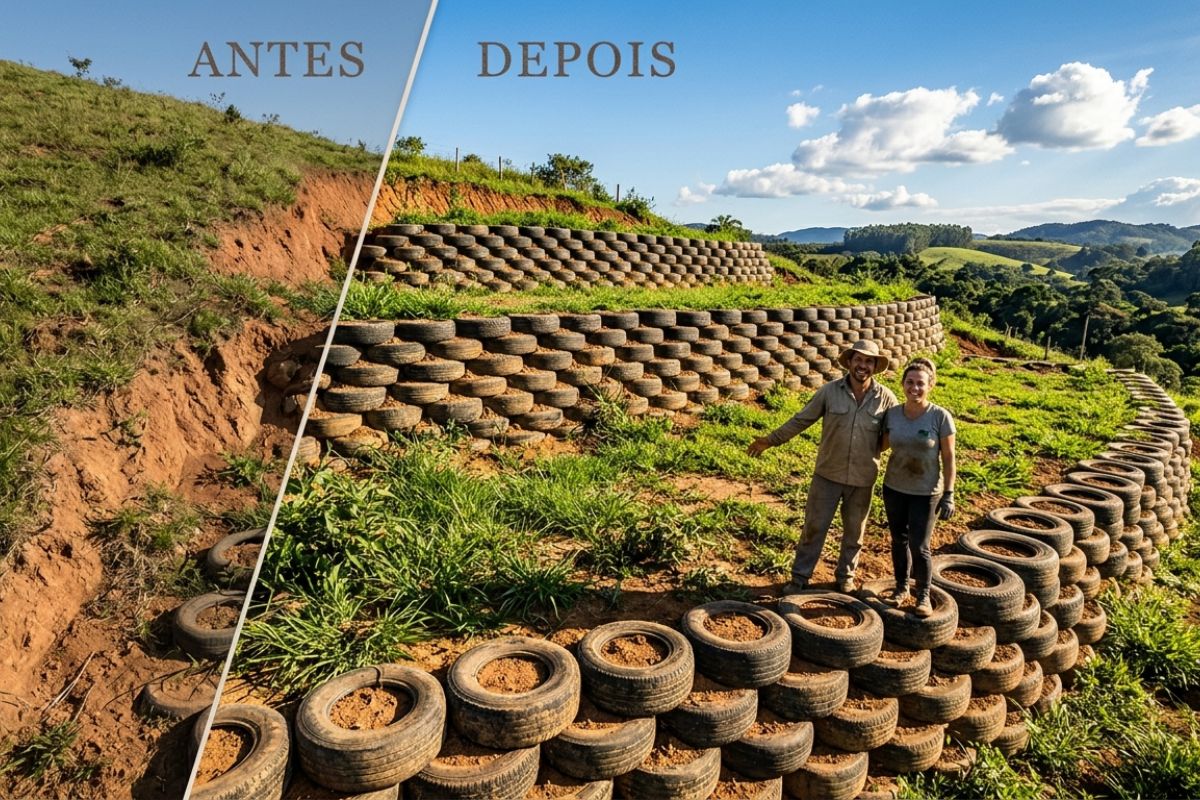
Couple shows how they built a retaining wall on their property using 400 old tires: sloped land turned into plateaus, tires are aligned, filled, and compacted with layers of soil, with grass helping in support and at almost zero cost.
-
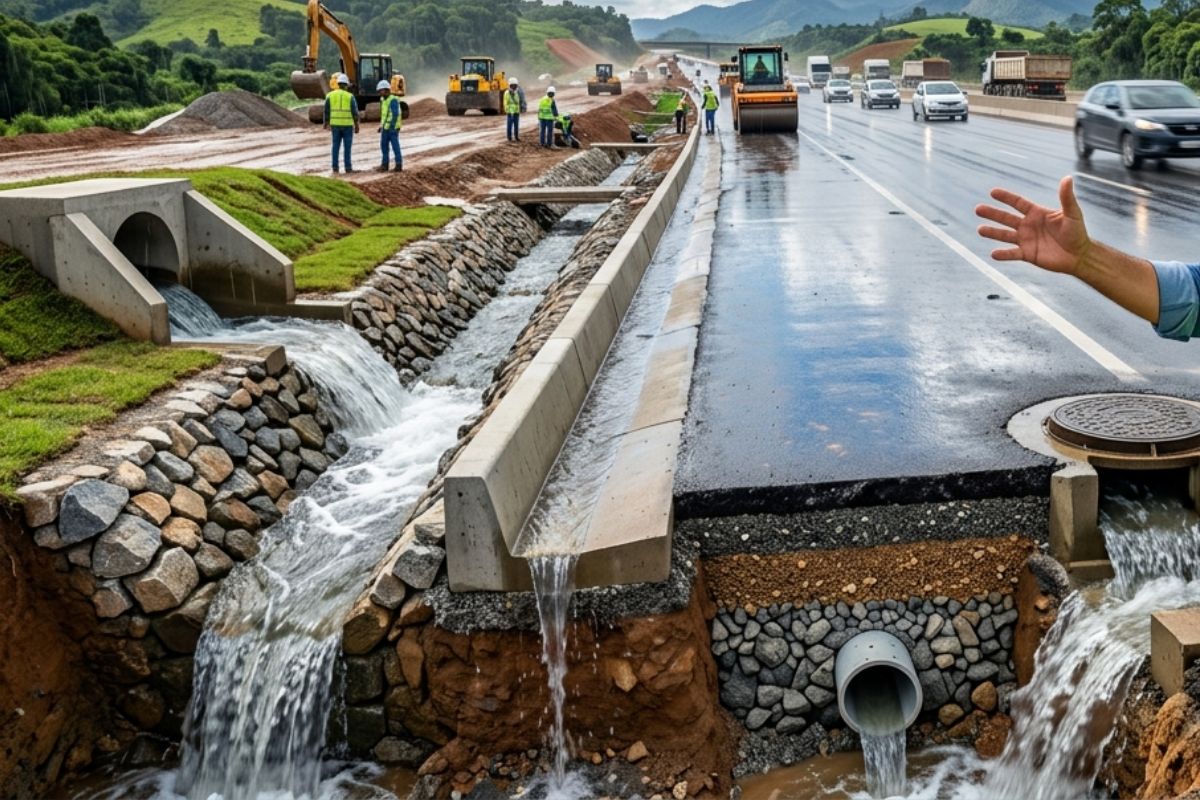
Engineer explains drainage during the rainy season: the difference between surface water and deep water, ditches, gutters, and water outlets on the road, as well as drains and drainage mattresses, to prevent erosion, aquaplaning, and flooding at the construction site today.
-
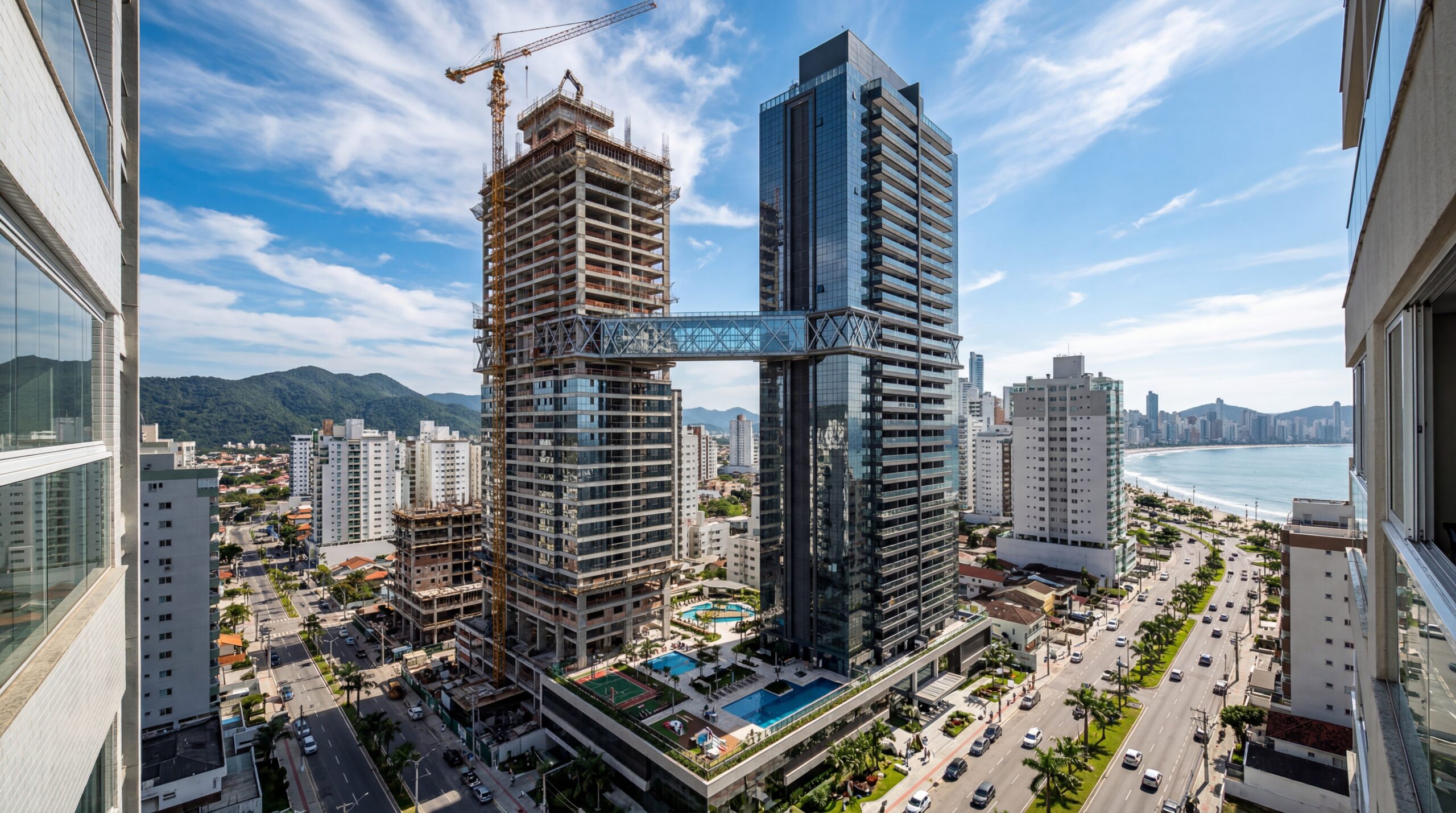
With 55 floors, 177 meters in height, a 15-meter walkway between the twin towers, ventilated facade, and 6,300 m² of leisure space, Ápice Towers already has one tower completed and another nearly at the top.

Meanwhile, the Anêmonas Bridge, with 173.31 meters in length, is taking shape with a curved design meant to adapt to the existing urban fabric. According to official planning, the municipality maintains the total execution period at 15 months, considering all construction stages.
Anêmonas Axis Integrates Pavement and Road Connections
In addition to the bridge, the project is advancing through the Anêmonas Axis, which includes complementary road interventions. In this context, the municipality is executing the paving of Anêmonas Street in the Fátima neighborhood, with 1,278 meters in length, creating a new structuring urban corridor.
At the same time, teams are working on Esteves Júnior and Santo Agostinho Streets in the Guanabara neighborhood. Additionally, the municipal administration is paving Guilhon Ribeiro Street with pavers, increasing the pavement’s durability and organizing local flow. In an integrated manner, the project connects Vereador João Ferreira, Anêmonas, and Esteves Júnior Streets, strengthening the road network in the southern region.

Traffic Reorganization Targets Historical Bottlenecks
Subsequently, at the intersection of Esteves Júnior and Guanabara Streets, the municipality promotes a road widening. As a result, the section will accommodate two traffic lanes, which reduces bottlenecks already mapped by municipal management.
After the completion of the bridge, the city will implement a binary traffic system. In this model, the Anêmonas Axis concentrates the flow towards downtown, while Guanabara Street operates towards the neighborhood. According to the Joinville City Hall, this reorganization doubles the vehicle capacity and improves traffic flow.
Direct Impact on the Routine of Thousands of Residents
Finally, with the new connection in operation, the work is expected to significantly reduce travel time in the southern region. According to municipal data released in 2026, about 114,000 residents, especially from the neighborhoods Fátima and Guanabara, directly feel the positive effects of the intervention.
In light of this scenario, do you believe that structuring road works, like the Anêmonas Bridge, provide the best response for urban mobility, or can smaller and distributed solutions yield quicker results in the daily life of the city?







-

-

3 pessoas reagiram a isso.