Portuguese
  Spanish


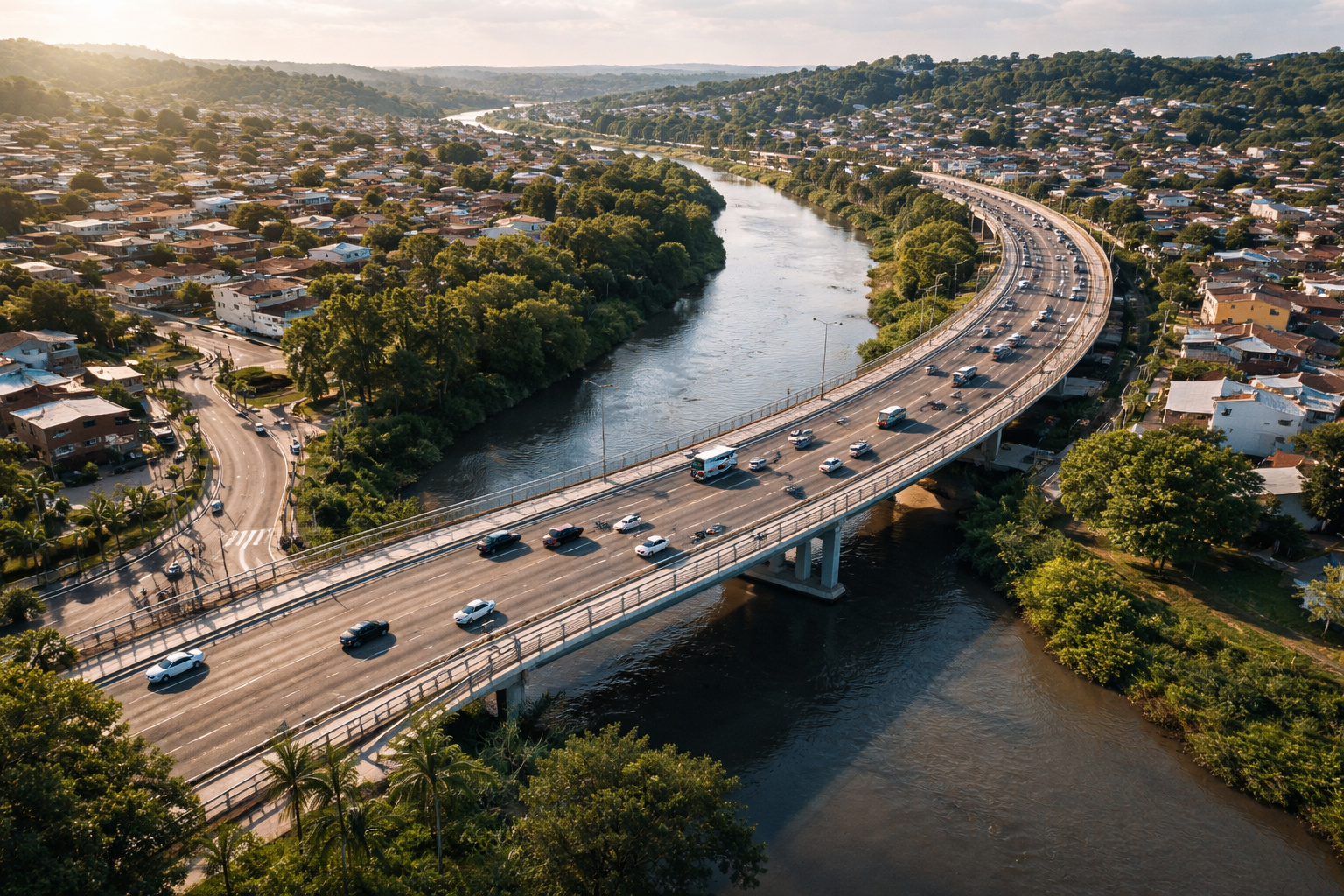


Structure Over the Itaum-Açu River Connects Fátima and Guanabara, Reorganizes Traffic, and Creates a New Traffic Axis in the Southern Region of the City
Initially, a strategic road work is advancing in the southern region of Joinville and beginning to silently alter urban dynamics. This is the Anêmonas Bridge, a curved bridge with a total investment of R$ 43 million, designed to shorten travel times and reorganize daily traffic.
Since the beginning of the work in 2026, technical teams have been building the structure over the Itaum-Açu River, directly linking the neighborhoods Fátima and Guanabara. Thus, the work creates an unprecedented connection between densely populated areas and reduces lengthy detours faced daily by drivers.
Structural Progress Defines the Pace of the Work
Currently, according to information released by the Joinville City Hall in 2026, teams are executing the pile driving, the stage responsible for supporting the entire bridge. At the same time, workers are producing and pouring the concrete beams, ensuring the continuity of the physical schedule.
-
28-meter, 156-ton titans traveled 20,000 km from China to the port of Santa Catarina: Portonave received 7 fully electric megacranes, part of a R$ 210 million package, to double container handling.

-
They exchanged the idea of a large house for a 35 m² warehouse, spent US$ 12,000 on the structure, and created a tiny house in Colorado with space to live and work.

-
A newly opened terminal in the middle of the Amazon has begun transporting soy and corn through Amapá, eyeing the queue of ships that is congesting the ports in the South.

-
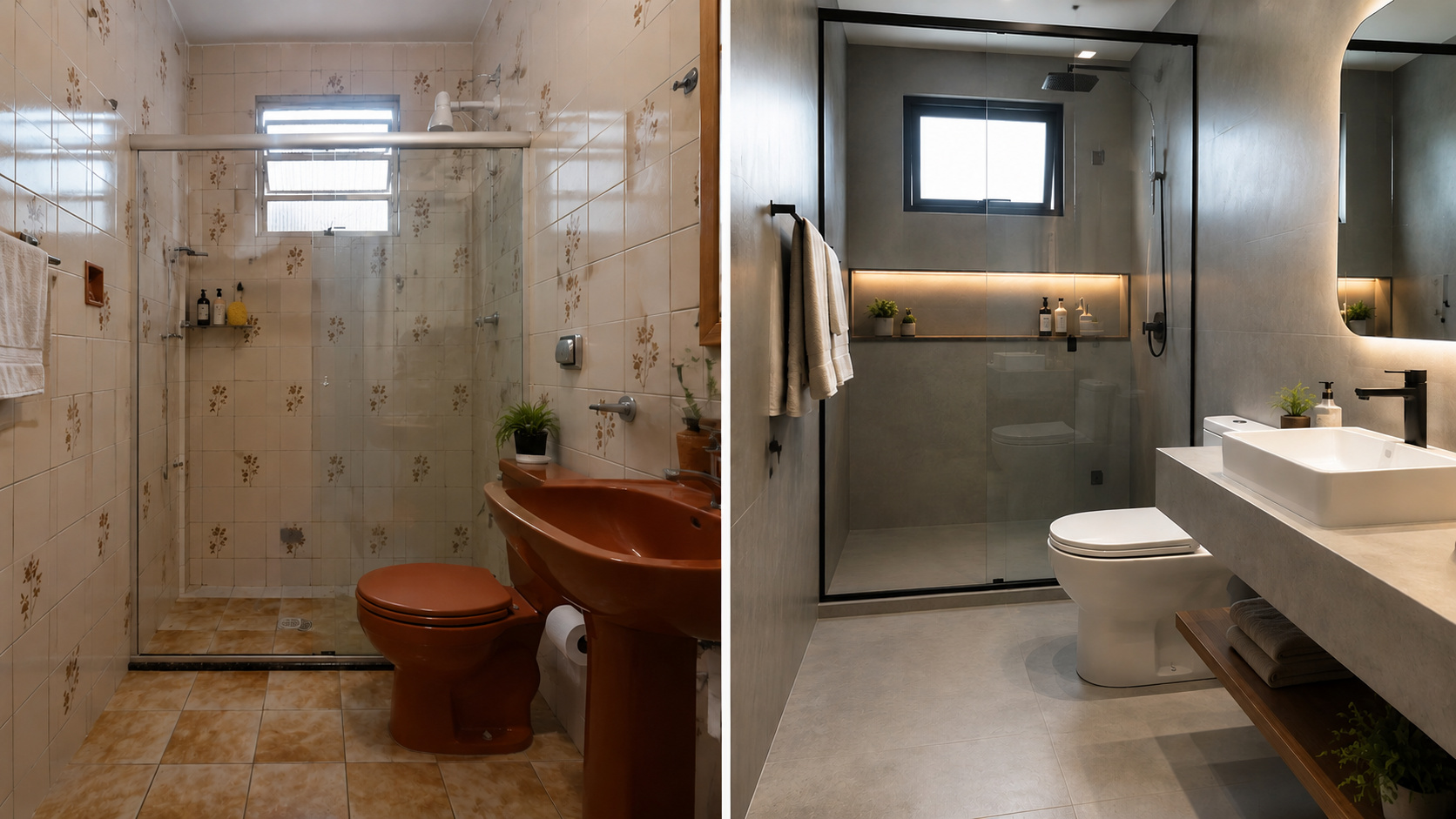
Goodbye to old tiles: renovation technique without construction transforms bathrooms in a few hours, eliminates debris, and reduces costs with coverings using special paints, high-resistance adhesives, and modern finishes that completely renew the space.


Meanwhile, the Anêmonas Bridge, with 173.31 meters in length, is taking shape with a curved design meant to adapt to the existing urban fabric. According to official planning, the municipality maintains the total execution period at 15 months, considering all construction stages.
Anêmonas Axis Integrates Pavement and Road Connections
In addition to the bridge, the project is advancing through the Anêmonas Axis, which includes complementary road interventions. In this context, the municipality is executing the paving of Anêmonas Street in the Fátima neighborhood, with 1,278 meters in length, creating a new structuring urban corridor.
At the same time, teams are working on Esteves Júnior and Santo Agostinho Streets in the Guanabara neighborhood. Additionally, the municipal administration is paving Guilhon Ribeiro Street with pavers, increasing the pavement’s durability and organizing local flow. In an integrated manner, the project connects Vereador João Ferreira, Anêmonas, and Esteves Júnior Streets, strengthening the road network in the southern region.

Traffic Reorganization Targets Historical Bottlenecks
Subsequently, at the intersection of Esteves Júnior and Guanabara Streets, the municipality promotes a road widening. As a result, the section will accommodate two traffic lanes, which reduces bottlenecks already mapped by municipal management.
After the completion of the bridge, the city will implement a binary traffic system. In this model, the Anêmonas Axis concentrates the flow towards downtown, while Guanabara Street operates towards the neighborhood. According to the Joinville City Hall, this reorganization doubles the vehicle capacity and improves traffic flow.
Direct Impact on the Routine of Thousands of Residents
Finally, with the new connection in operation, the work is expected to significantly reduce travel time in the southern region. According to municipal data released in 2026, about 114,000 residents, especially from the neighborhoods Fátima and Guanabara, directly feel the positive effects of the intervention.
In light of this scenario, do you believe that structuring road works, like the Anêmonas Bridge, provide the best response for urban mobility, or can smaller and distributed solutions yield quicker results in the daily life of the city?