





 Portuguese
  English
  Spanish
  4 min of reading
  2 comments




How Chinese Investments in Infrastructure and Agribusiness Are Shaping the Brazil-China Relationship and Impacting Regional Trade.
The China has been significantly investing in various countries around the world, and Brazil is no exception. A survey by the International Institute for Strategic Studies reveals that, as of 2022, China has invested in more than 170 nations. This movement reinforces the Asian country’s intention to increase its global presence, with Brazil standing out as one of the preferred destinations for these investments.
The Brazil-China Business Council (CEBC) points out that investments are concentrated in areas such as infrastructure, ports, and railways, and sees an opportunity to increase these investments further. Tulio Cariello, content director of CEBC, was recently interviewed by the website Jovem Pan and explained the context and implications of this relationship.
China’s Investments in Infrastructure
China has been strategically investing in infrastructure around the world, with notable projects in ports and transportation systems.
-
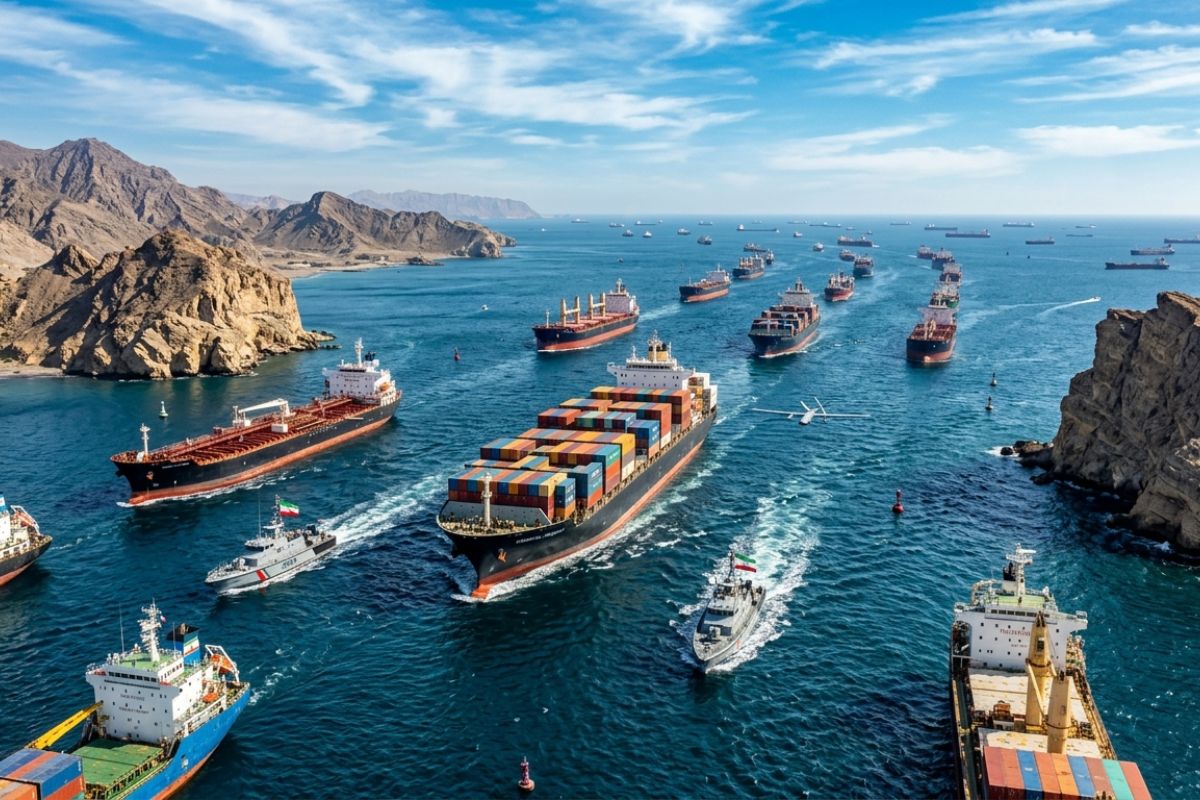
Iran authorizes the passage of ships with essential goods in the Strait of Hormuz, requires coordination and protocols; UN postpones resolution to reopen the oil route, while China, France, and Russia reject the use of force.
-
The Ukraine war exposes the strength of the M113 armored vehicle amid modern warfare with military drones.

-
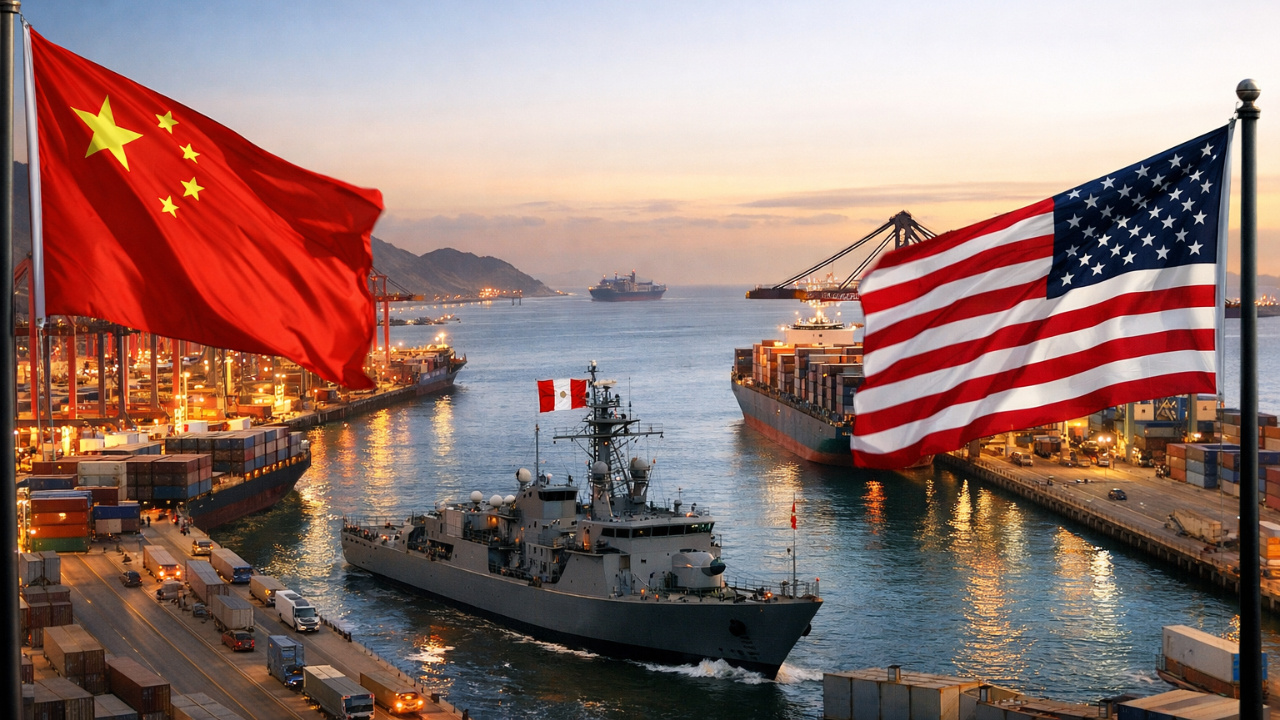
Maritime geopolitics: China and the USA compete for strategic ports in Peru.
-
Iran shoots down two US aircraft: F-15 fighter crashes in mountainous area, one crew member is rescued and another is still missing; second crash in the Persian Gulf exposes still active air defense, says US intelligence.

In Brazil, the Port of Paranaguá is an example of how these Chinese investments can influence maritime control.
Cariello explains that controlling the flow of products is crucial for China, which has become one of the main trading partners of many South American countries.
Historically, trade with China relied on international intermediaries from the United States and Europe.
With the growth of Chinese demand and the increase in sales from South America, China has sought to invest directly in transportation and storage infrastructure to have greater control over the flow of these products.
These investments are seen as a strategy to consolidate its influence in the region and ensure a continuous flow of essential commodities.
Although the Port of Peru may not have a significant direct impact on Brazil, investment in Peru’s port infrastructure can indirectly benefit Brazil.
The goal of Peru is to improve access to Asia and, consequently, facilitate regional trade.
Greater efficiency in transportation can help stimulate regional trade, benefiting neighboring countries like Brazil.
For Brazil, the greatest importance of these investments lies in attracting similar investments for its own infrastructure.
Currently, China invests more in energy, particularly in electricity and oil, than in traditional infrastructure like railways and ports.
The potential expansion of these investments may help resolve historical bottlenecks and promote more balanced development.
So, Why Does China Focus on Brazil?
Brazil, as an emerging economy, has great potential to attract investments.
It’s not just China that sees Brazil as an attractive destination; the country frequently ranks among the top destinations for foreign investment in the world.
The Brazilian regulatory framework facilitates the entry of international investors, which is a positive point for China, one of the nations that invest the most globally.
The agribusiness sector is a particular area of interest for China. Brazil is a key supplier of commodities such as soy and meats, and China invests in companies operating in the agro production chain, such as Cofco and Long Ping.
However, Chinese investments are still modest compared to the potential of the sector, which could receive more funding.
Chinese Influence in Agribusiness and the Issue of Land Acquisition
There are concerns about China trying to acquire land in Brazil, but Cariello clarifies that this is not a Chinese goal.
Brazilian legislation restricts land purchases by foreigners, making such acquisitions unfeasible.
China has focused on investing in complementary areas of the production chain, such as the flow of products and seed technology.
Chinese companies, such as Cofco and Long Ping, are investing in infrastructure and technology in Brazil, bringing benefits to both sides.
These investments can create jobs and bring new technologies and should not be seen as a form of “purchase” of the country.
Risks and Future of Brazil-China Relations
The trade relationship between Brazil and China is significant, but there are associated risks. China is seeking to diversify its suppliers and avoid excessive dependence on a single partner, which may include Brazil.
The Asian country is investing in new supply sources, including in Africa and Asia, and seeking to increase its internal production of commodities.
For Brazil, it is crucial to seek new markets and reduce dependence on a single partner.
Africa, for example, presents market opportunities that can complement Brazilian exports and help mitigate risks associated with excessive dependence on China.
Chinese banks are expanding globally, but in Brazil, their presence has been more focused on investments than on financing.
China is also promoting the yuan and investing in energy transition initiatives.
Brazil, with its advanced agribusiness sector and developed technology, can attract more green financing and partnerships in areas like low-carbon agriculture.
In summary, Chinese investments in Brazil are an important part of the bilateral relationship, with benefits for both sides.
China seeks to consolidate its influence and ensure the flow of products, while Brazil can benefit from new investments and technologies.
Diversification of partners and market expansion are essential to maintain a healthy balance and reduce future risks.









A China não investe. Ela comprou o Brasil, pagou a eleição do nine, e em troca ficou dona de todos os direitos ****, agrícolas e usa laranjas, como os açougueiros pra disfarçar os negócios. Por isso, estamos fu. Seremos escravos dos chineses, e quem achar que isso é teoria da conspiração, vejam os preços das comodities, eles pagam o que querem, e em breve, com os portos, ferrovias e áreas de terra em suas mãos, depois do nosso congresso aprovar a lei de venda de terras aos estrangeiros, nada mais os impedirá de colocar as leis trabalhistas chinesas no Brasil. Os petistas que nunca foram muito felizes em trabalhar, terão uma carga horária de 16 horas e sem nenhum direito trabalhista. Bem vindos ao comunismo.
Acho extremamente saudável ler matérias como estas.
O Brasil deveria pautar pequenas ações e diversificar as atividades mais básicas, assim fez a China para crescer, o Brasil tem muitas terras improdutivas (terras estas que estão em nome de barões do agronegócio, mas não usam seu espaço para benefício coletivo), visto que o Brasil, uma potência agroexportadora deve ser pautar em aumentar as condições alimentícias para sua população antes de exportar, o governo brasileiro é cadelinha do exterior, a China não se importa com nossas políticas exportadoras, desde que eles se beneficiem, os EUA amam nossas políticas, pois se beneficiam diretamente disso, enfim, o Brasil tem que se preocupar consigo, pautar coisas na materialidade explícita e parar de criar coisas vazias como a bancada evangélica busca.