





 Portuguese
  English
  Spanish
  4 min of reading
  0 comments


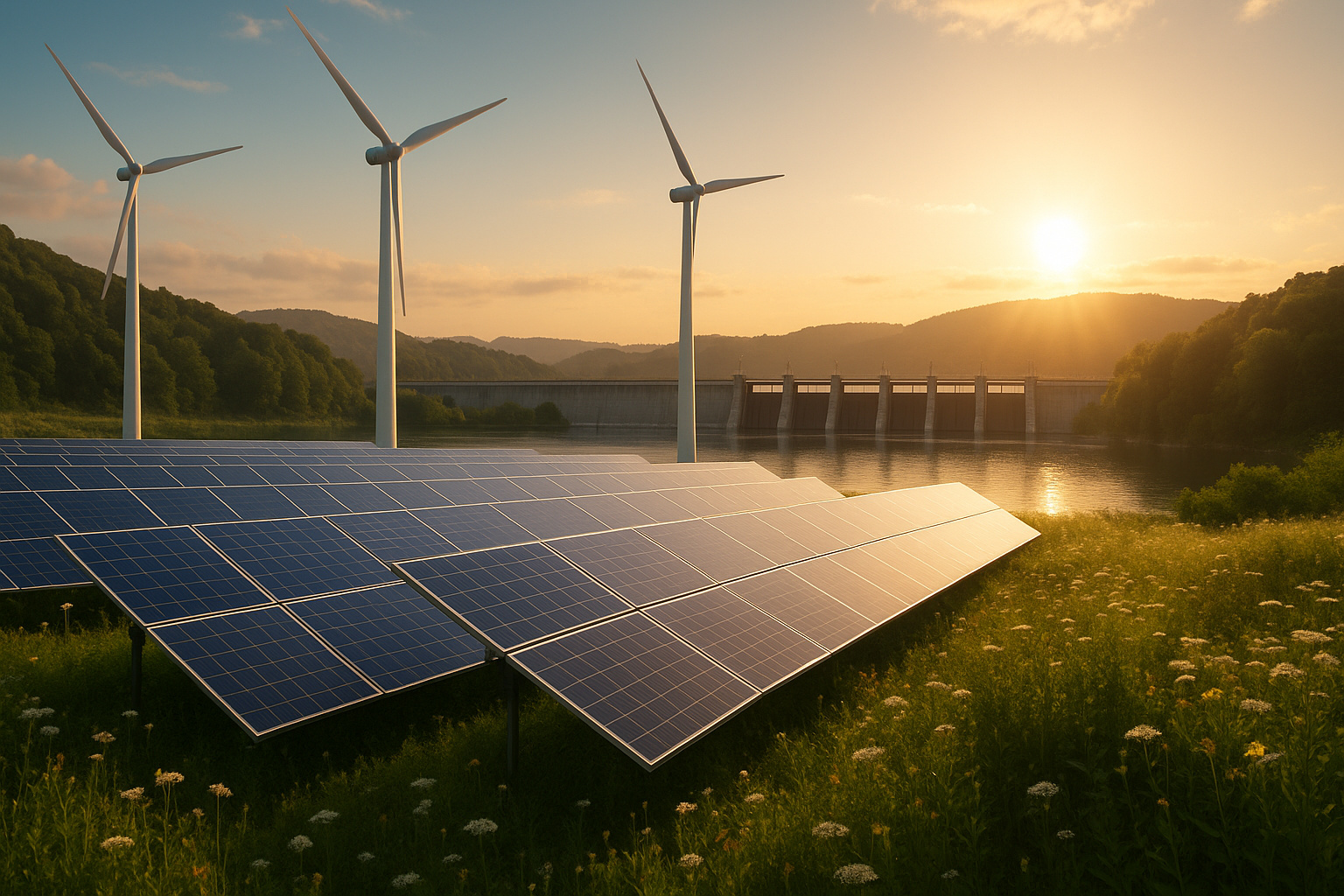
Discover Why Understanding the Environmental Impact of Renewable Energy Is Crucial for Promoting Sustainability, Protecting the Environment, and Ensuring a Conscious Energy Transition.
Since the Industrial Revolution, which began in the late 18th century, humanity has intensified the use of fossil fuels such as coal and oil to power industries, transportation, and generate electricity.
According to the International Energy Agency (IEA), between 1850 and 1950, the consumption of these resources grew exponentially, marking the beginning of an era characterized by dependence on these sources.
However, the burning of fossil fuels has emitted a large amount of pollutants, especially carbon dioxide (CO₂).
-
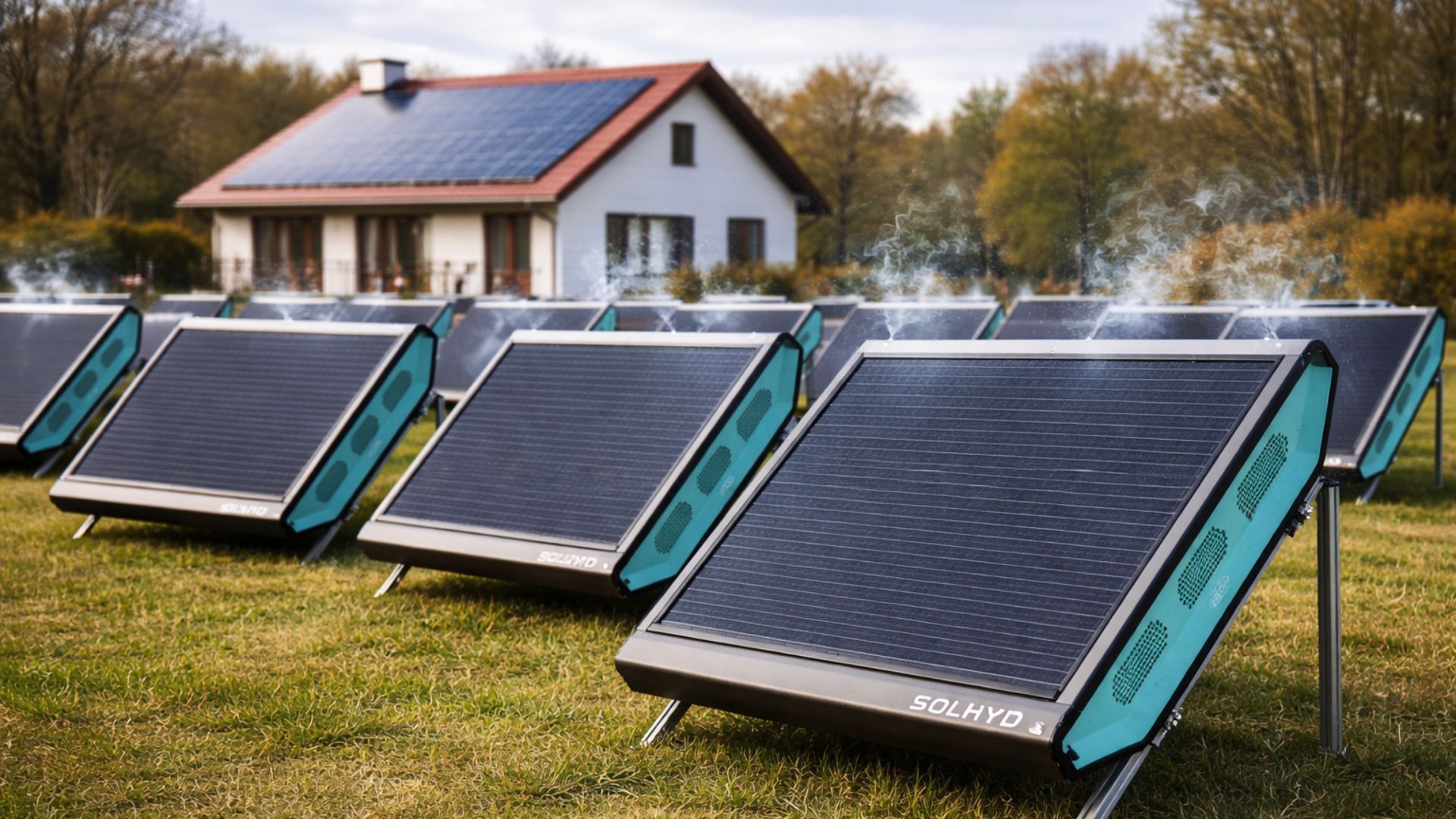
Green hydrogen at home: Belgium launches new technology that makes solar panels produce fuel from the moisture in the air, which could boost the energy transition.
-
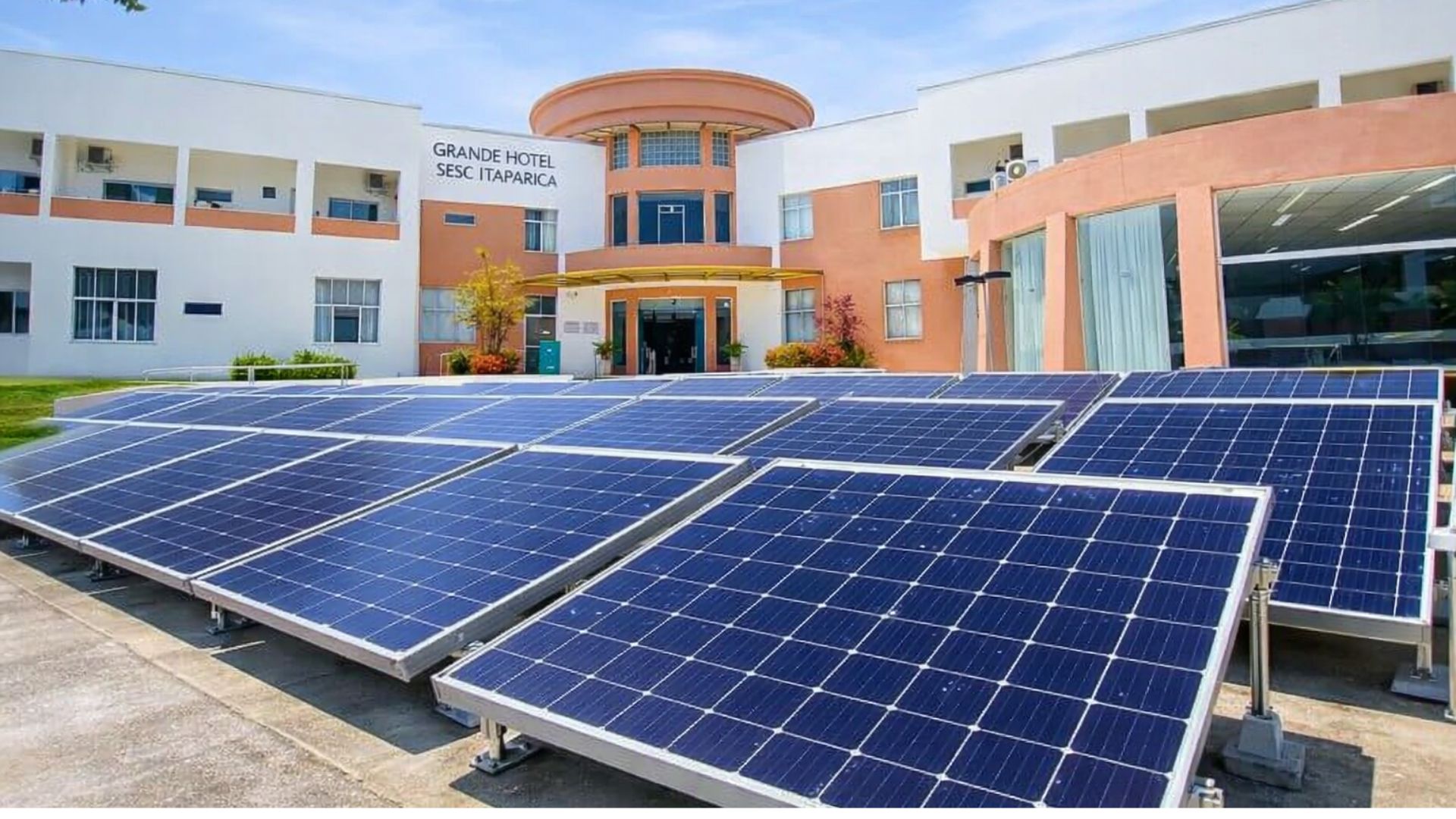
Sesc-BA bets on renewable energy with the support of EDP and drives the energy transition with a direct impact on cost reduction and the sustainability of its operations in Bahia.
-
Technology giant breaks global sustainability records: How Amazon’s leadership in renewable energy procurement transformed the global energy market in the past year.

-
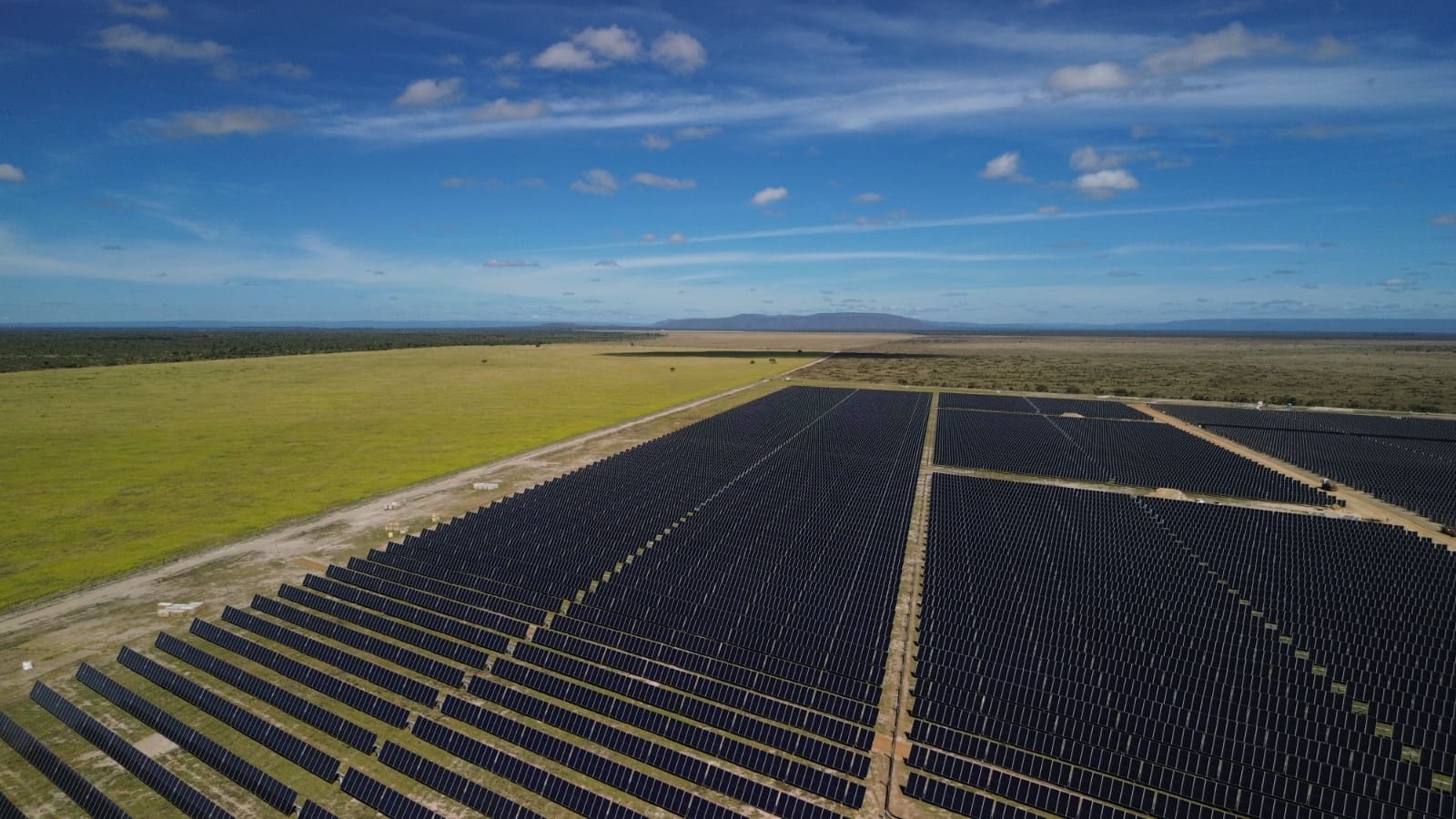
Alert in the electric sector: Atlas Renewable Energy confirms billion-dollar investment and Brazil risks losing a share of the new investment in Latin America to neighboring countries.
As pointed out by the Intergovernmental Panel on Climate Change (IPCC) in its 2023 report, this has directly contributed to global warming and the climate changes we are witnessing today.
It was only in the last decades of the 20th century that the search for renewable energy sources gained momentum. International organizations, such as the UN and the IPCC, began to warn about the environmental and social risks of continued fossil fuel burning.
Since then, several nations have invested in sources like solar, wind, and hydropower to reduce emissions and protect the planet.
The concept of energy sustainability, as emphasized by the National Electric Energy Agency (ANEEL), has expanded beyond simple replacement of energy sources.
Today, it also encompasses understanding the environmental impacts caused by any type of energy generation, including renewables.
Clean Energy Also Has an Impact
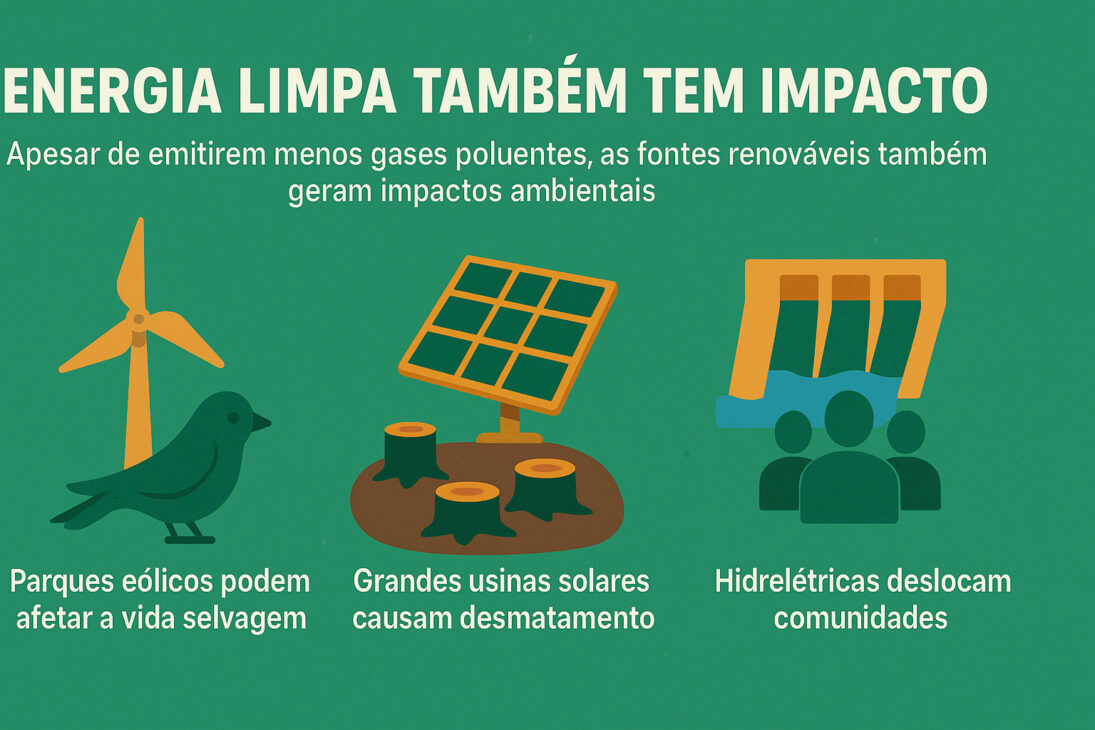
Although renewable sources emit fewer pollutants, they also generate environmental impacts.
For example, according to a study by WWF Brazil published in 2021, the installation of wind farms can affect the habitat of birds and bats and significantly alter the natural landscape.
Additionally, large solar plants occupy extensive land areas, causing deforestation and affecting local ecosystems.
The situation with hydropower plants, traditionally predominant in Brazil, is more complex.
The Socio-Environmental Institute (ISA) highlights that the flooding of large areas to create reservoirs can lead to the displacement of riverside communities and the loss of biodiversity.
Another important point mentioned by Amnesty International in its 2021 report is the extraction of essential minerals for solar panels and wind turbines, such as lithium and cobalt.
This mining activity often occurs in developing countries, causing environmental and social harm to local communities.
Thus, while renewable energies are essential for reducing global emissions, it is necessary to recognize and mitigate their impacts to ensure true sustainability.
Compare Impacts and Plan Better
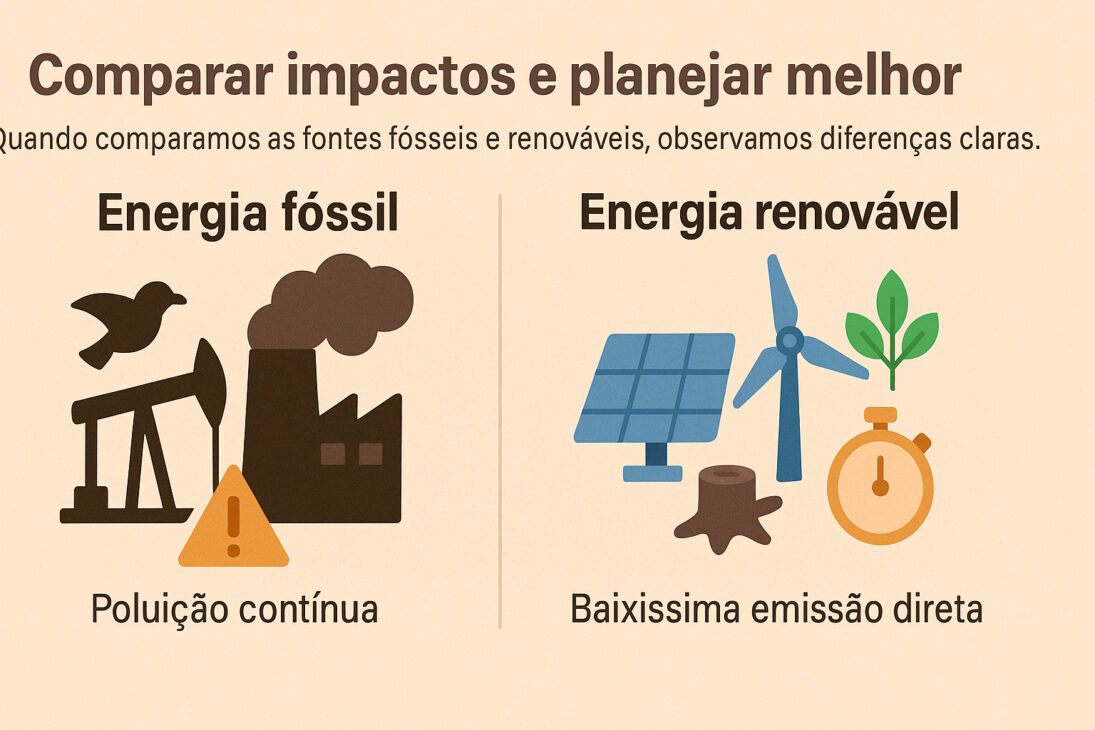
When we compare the environmental impacts of fossil and renewable sources, we observe clear differences.
Oil and coal cause continuous pollution at all stages, from extraction to burning.
Renewable sources, on the other hand, concentrate their impacts mainly during the manufacturing and installation phases of the equipment. After that, they operate with very low direct emissions for decades.
Thus, environmental planning, according to the Ministry of the Environment (MMA, 2023), is crucial for ensuring that the energy transition occurs sustainably and balanced.
Environmental impact studies and public participation in hearings help reduce negative effects on ecosystems and communities.
Additionally, licensing should be rigorous and include the analysis of multiple factors, respecting local particularities, as recommended by specialists from the University of São Paulo (USP).
Renewable Energy and Social Impacts
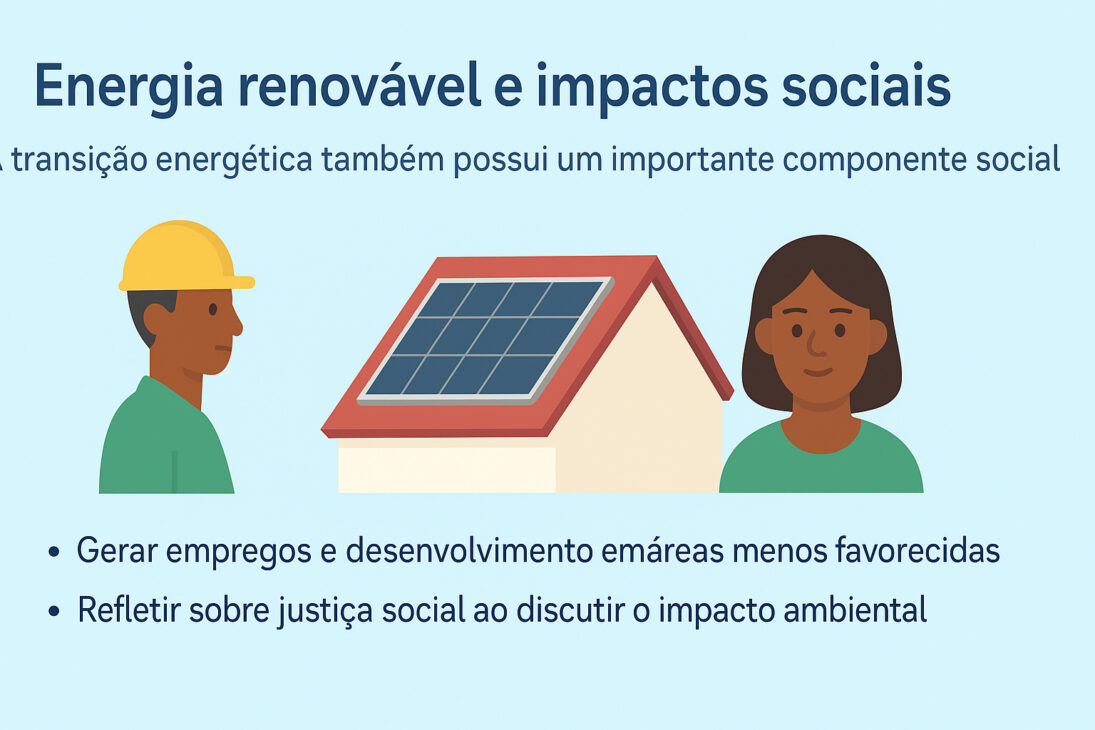
The energy transition also has an important social component.
The International Labor Organization (ILO, 2022) emphasizes that the expansion of renewable sources can generate jobs and development in underprivileged areas.
However, if poorly planned, this expansion can cause forced displacements and land conflicts.
Therefore, reflecting on social justice when discussing the environmental impacts of renewable energy is essential.
For example, the use of solar rooftops in urban areas, supported by the United Nations Development Programme (UNDP, 2023), shows a way to democratize access to energy without large environmental impacts.
Furthermore, distributed generation, which decentralizes energy production, reduces transport losses and encourages conscious consumption.
Advances for a More Balanced Transition
According to research from the Delft University of Technology (2022), technology is evolving to minimize the environmental impacts of renewable sources.
Recycling solar panels, silent wind turbines, and hybrid energy systems are already a reality in several countries.
Additionally, artificial intelligence has been employed to monitor electrical networks in real time, optimizing energy use and preventing waste.
Despite these advances, specialists from the IPCC warn that the rush to abandon fossil fuels should not lead to hasty decisions.
The transition must be planned, gradual, and based on reliable data.
Environmental Impact of Renewable Energy: The Commitment to the Future
In summary, as emphasized by the United Nations (UN, 2022), renewable energy must respect the planet’s limits and people’s rights.
Recognizing the environmental impact of renewable energy is an essential step toward global environmental maturity.
No energy source is entirely neutral; what really matters is how we manage the impacts.
With planning, awareness, and political will, we can ensure a just and efficient transition. Simply switching from fossil fuels is not enough; we need to change consumption behavior.
Thus, responsibility for the future begins both in public policies and in individual choices.










-

Uma pessoa reagiu a isso.