





 Portuguese
  English
  Spanish
  3 min of reading
  0 comments


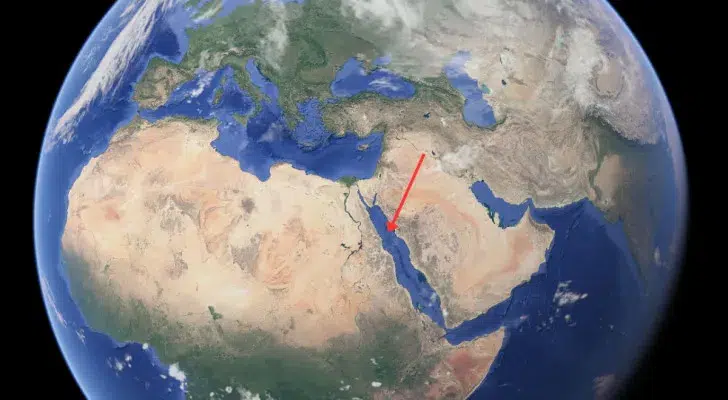
Did You Know That the Red Sea Might Have Received This Name by Mistake? The Origin of This Nomenclature Has Surprising Explanations!
Red Sea is one of the most known seas in the world, both for its historical value and for its economic and ecological relevance.
Located between Africa and the Arabian Peninsula, it stretches for about 2,000 kilometers and is essential for global trade, linking the Mediterranean Sea to the Indian Ocean through the Suez Canal.
But why is it called “Red”? The answer to this question is not so simple and involves biological, geographical, and historical aspects.
-
Brazil’s nuclear submarine with a speed 5 times greater than normal advances after nearly 50 years and R$ 40 billion spent.
-
A Brazilian island charges R$ 0.50 to receive visitors and prohibits any new residents.
-
Why was the Great Wall of China built? The truth that many are unaware of!
-
At 73.8 meters tall, the world’s tallest teapot-shaped building has 15 floors, ensures stability, and impresses with an internal space of 28,000 cubic meters.


The Main Theories About the Name of the Red Sea
Over the centuries, several hypotheses have emerged to explain the origin of this peculiar name. Three main theories are widely accepted by scholars.
The Presence of Reddish Algae
One of the most accepted explanations is linked to marine biology. The Red Sea is home to a species of microscopic algae called Trichodesmium erythraeum, also known as “sea sawdust.”
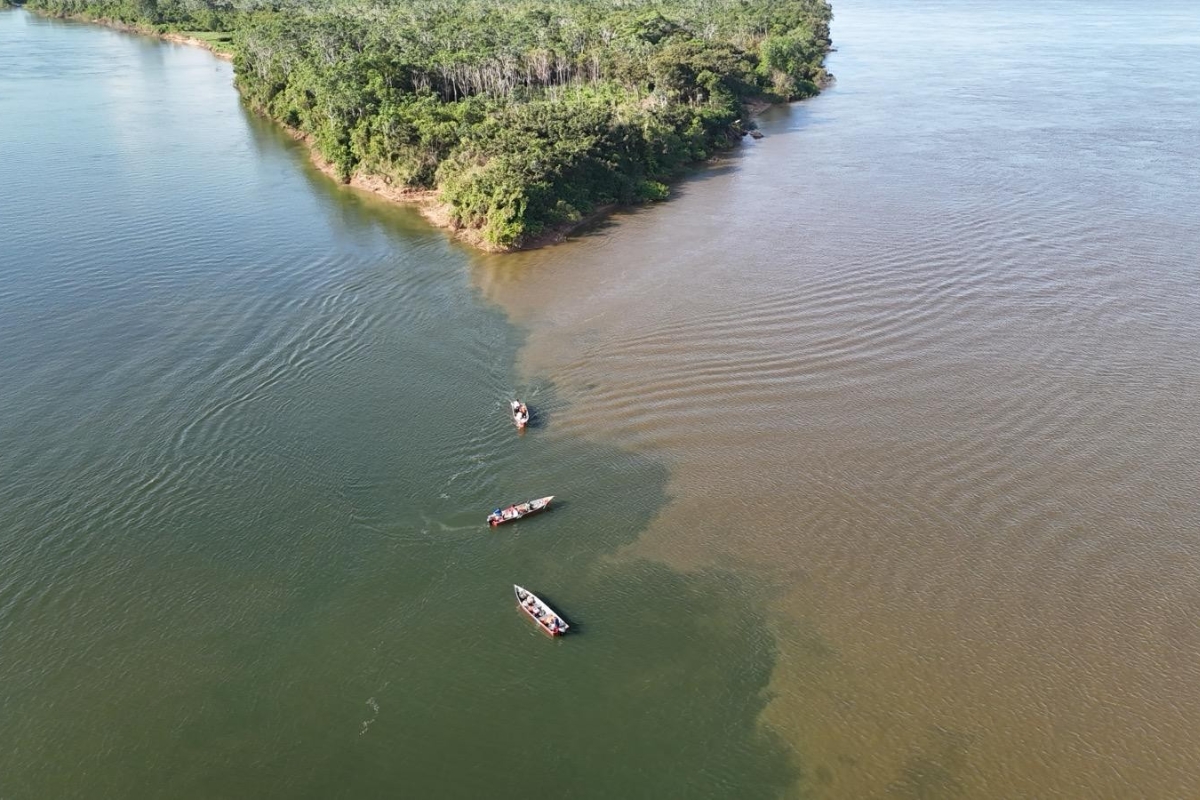
This algae, when it multiplies in large quantities, can form patches of brown-reddish color on the water’s surface. This visual characteristic may have been interpreted as a red hue of the sea, justifying its nomenclature.
Reflection of the Reddish Mountains
Another theory is related to the geography of the region. The northern part of the Red Sea is surrounded by reddish mountains and rocks, especially in the Sinai Peninsula.
During sunrise and sunset, the light reflected on these rocks can temporarily tint the surface of the sea in reddish tones.
This phenomenon may have impressed travelers and explorers in ancient times, leading them to associate the color of the sea with its name.
A Possible Translation Error
The third explanation is linguistic and dates back to ancient religious texts. In the Old Testament, the crossing of the Hebrew people occurs in the “Yam Suph,” a term that can be translated as “sea of reeds.”
Some experts suggest that, over the translations, the original meaning was altered, and “sea of reeds” eventually got confused with “red sea.” This hypothesis raises debates among historians but cannot be discounted.
The Red Sea Today
Regardless of the origin of its name, the Red Sea is one of the most important ecosystems on the planet.
Its waters harbor impressive biodiversity, including coral reefs that are fundamental for marine life. Moreover, its strategic location makes it a crucial point for international trade.
Over 10% of global maritime trade passes through the Suez Canal, highlighting its economic importance.
From a tourist perspective, the Red Sea is also a popular destination. Its crystal-clear waters, paradise-like beaches, and excellent visibility for diving attract thousands of visitors every year. Places like Sharm El-Sheikh in Egypt and the coast of Saudi Arabia are famous for their stunning landscapes and abundant marine life.
With information from Brittanica – Red Sea.






-

-

-

4 pessoas reagiram a isso.