





 Portuguese
  English
  Spanish
 4 min of reading


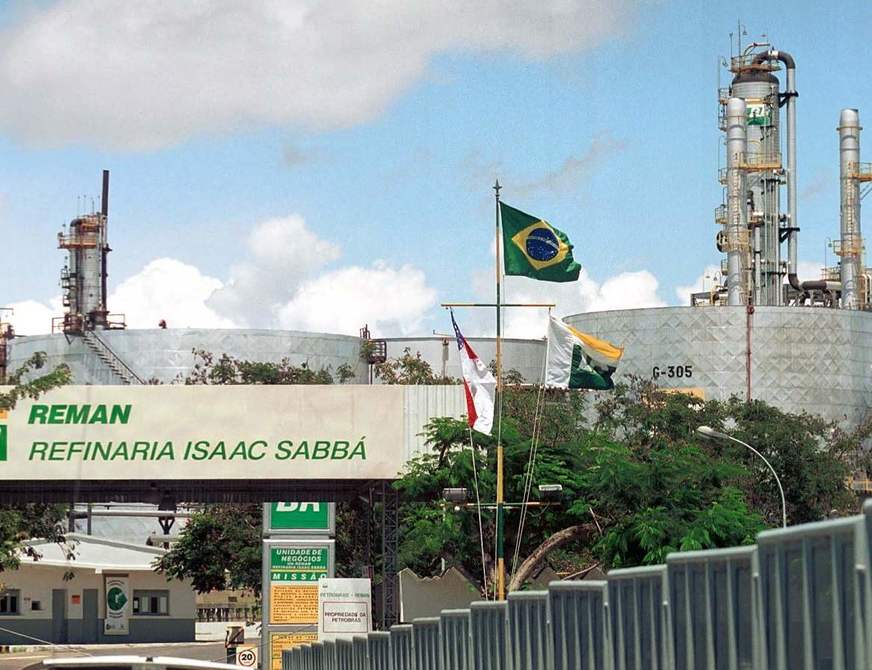
With The Sale Of The Refinery In Amazonas, Petrobras Completes The Second Operation Among The Eight That Are In Progress To Be Signed By The Oil Company
Petrobras signed yesterday, Wednesday (08/25) with Grupo Atem, the contract for the sale of the Isaac Sabbá Refinery (REMAN) in Manaus, Amazonas, and its associated logistics assets for US$ 189.5 million (R$ 994.15 million). The refinery is the second of the eight that are in the sales process to have the contract signed. REMAN has a processing capacity of 46 thousand barrels/day and its assets include a storage terminal. See this news as well: Petrobras Manages To Extend The Deadline For The Sale Of The LUBNOR And REFAP Refineries
- After An Investment Of R$ 100 Million, Mercedes-Benz Will Produce Electric Buses In Brazil
- Ford, Volkswagen, Stellantis, GM, And Volvo Join Toyota And Reduce Their Global Production Pace; Lack Of Components Already Affects Brazilian Factories
- Enauta Resumes Operations In The Atlanta Field And Aims To Produce 20,000 Barrels Of Oil Per Day
- Wind Farm That Received Investments Of Over R$470 Million Begins Operations In Bahia
- Eletronuclear Plans To Invest R$ 6 Billion In The Angra 3 Nuclear Power Plant By 2023
The Sale Process Of Petrobras’ Refinery In Amazonas
The sale of REMAN is in line with Resolution No. 9/2019 of the National Energy Policy Council, which established guidelines for promoting free competition in refining activities in the country, and integrates the commitment made by Petrobras with CADE to open the refining sector in Brazil.
The divestment process of REMAN, approved by Petrobras’ Board of Directors on this date, strictly followed the Divestment Systematics approved by the Federal Court of Accounts (TCU). The divestment project for the refinery was approved at all levels of Petrobras’ corporate governance.
-
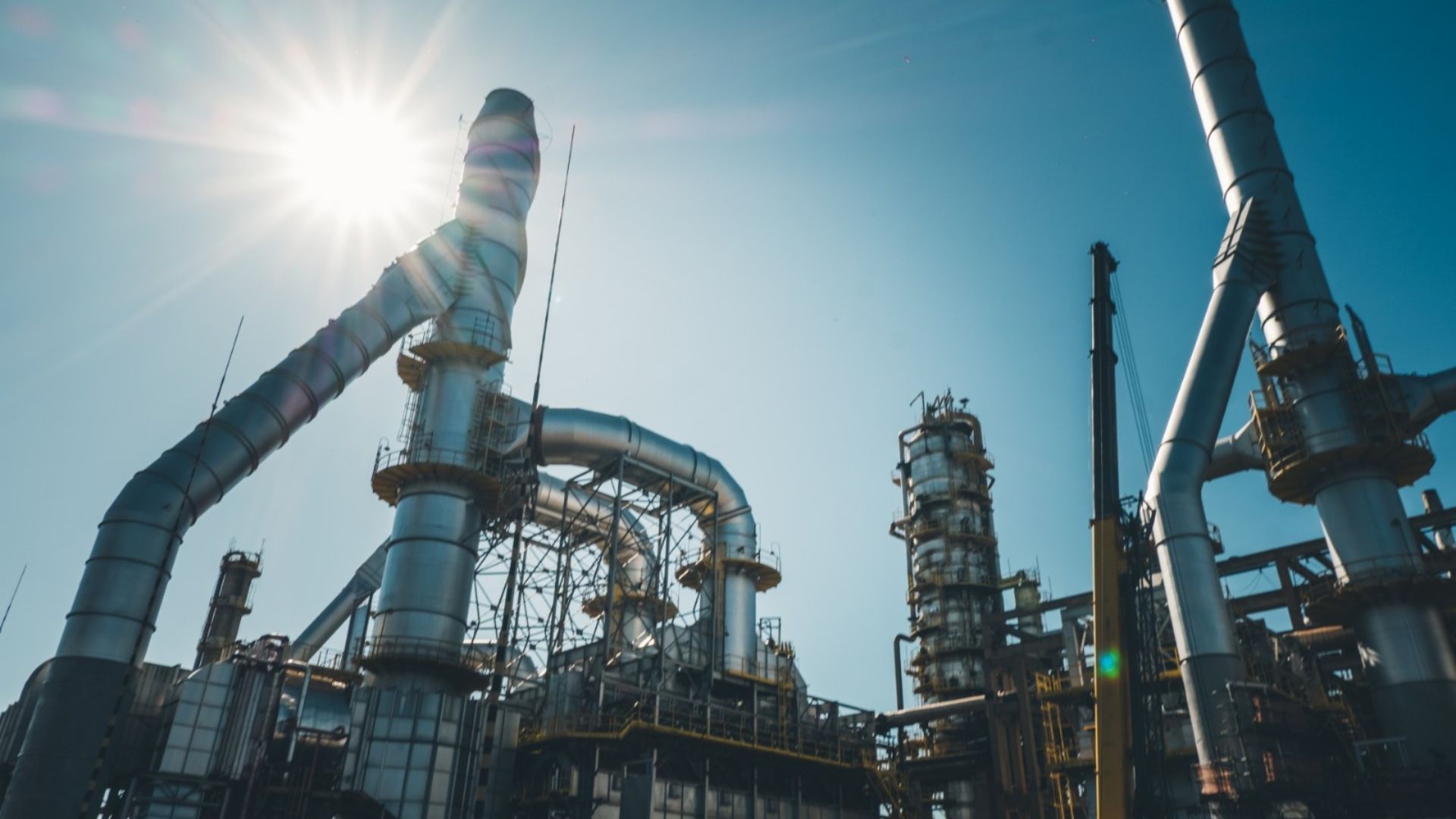
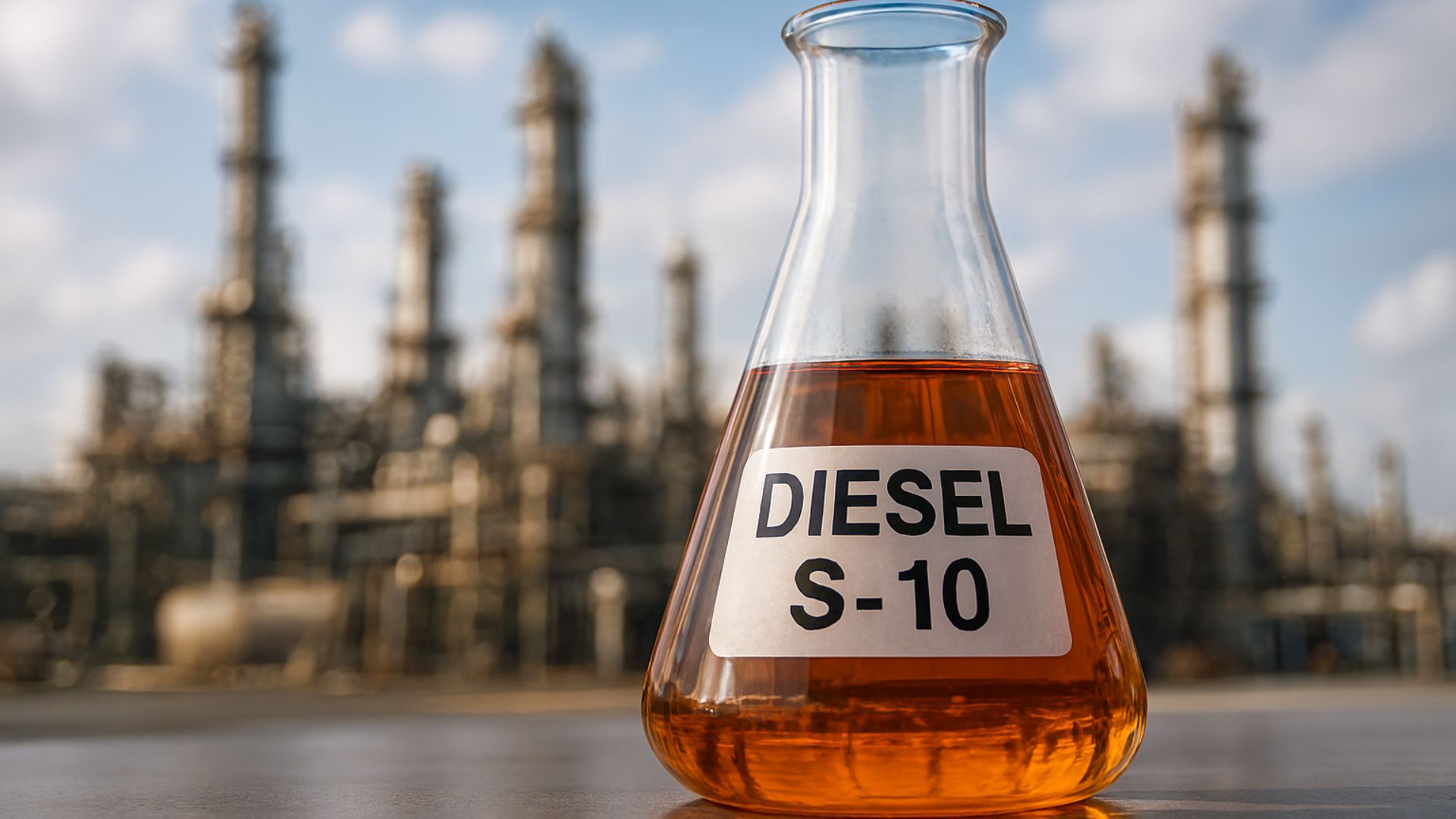
Petrobras Expands Refining in Brazil, Increases Production of Diesel S-10 and Gasoline, Enhances Operational Efficiency, and Reduces Import Dependence Between 2023 and 2025
-
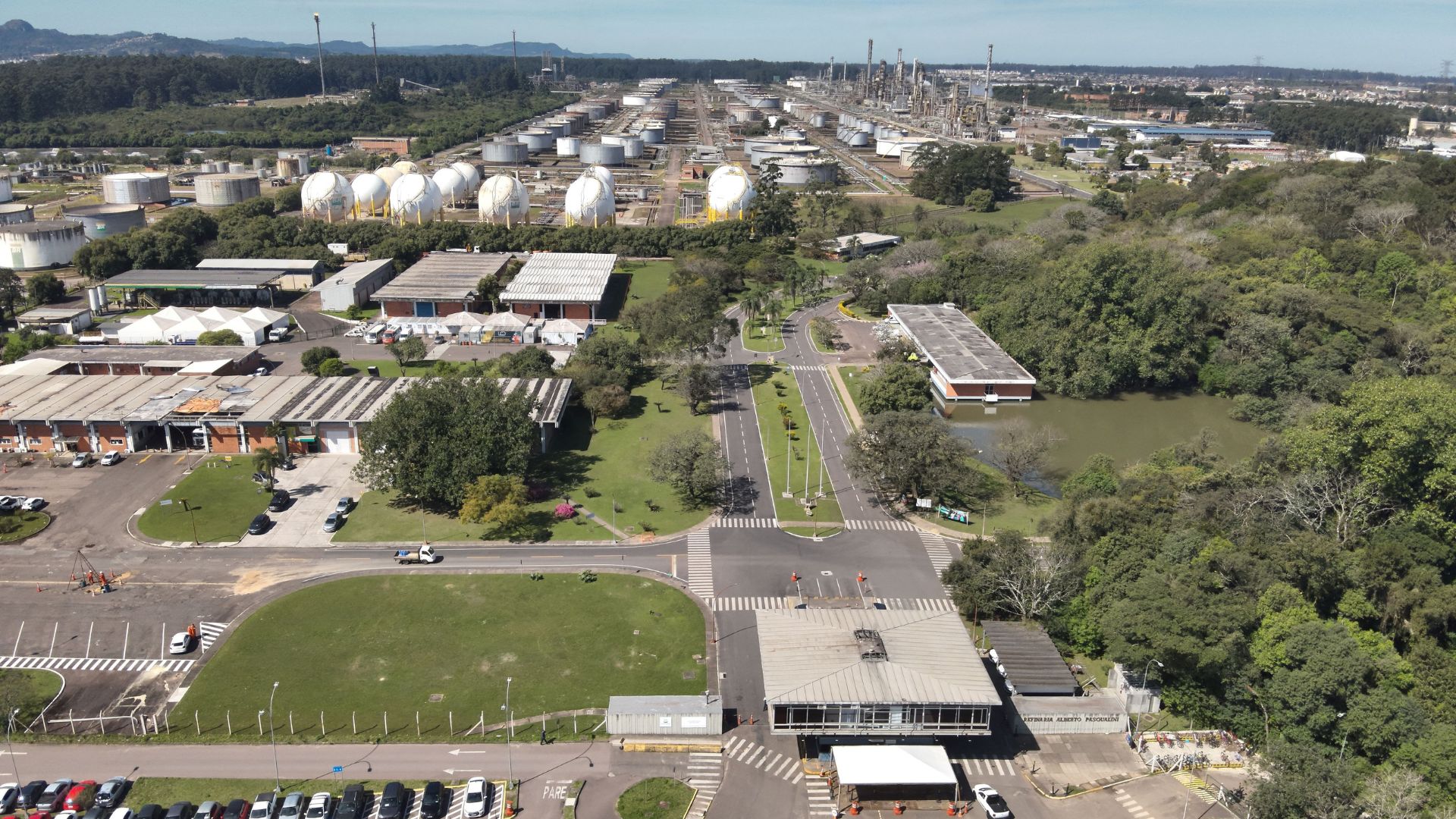
Petrobras’ Refap Sets Historic Records for Gasoline and S-10 Diesel Production in Canoas in Q4 2025, Surpassing Previous Figures
-
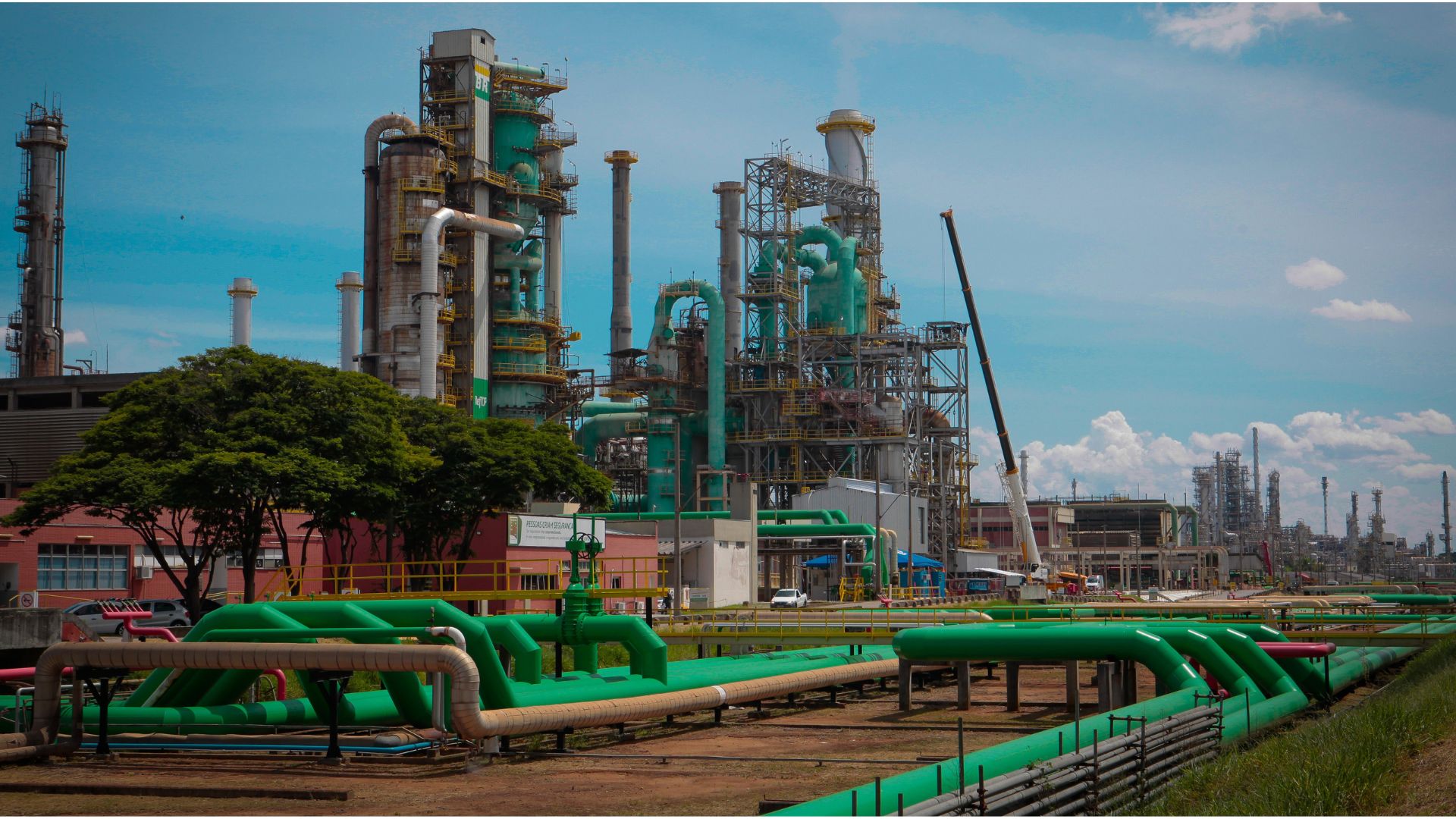
Revap Starts Operation of Modernized HDT and Petrobras Expands S-10 Diesel Production by 80% at the Refinery, Boosting Supply of Less Polluting Fuel in Brazil
-
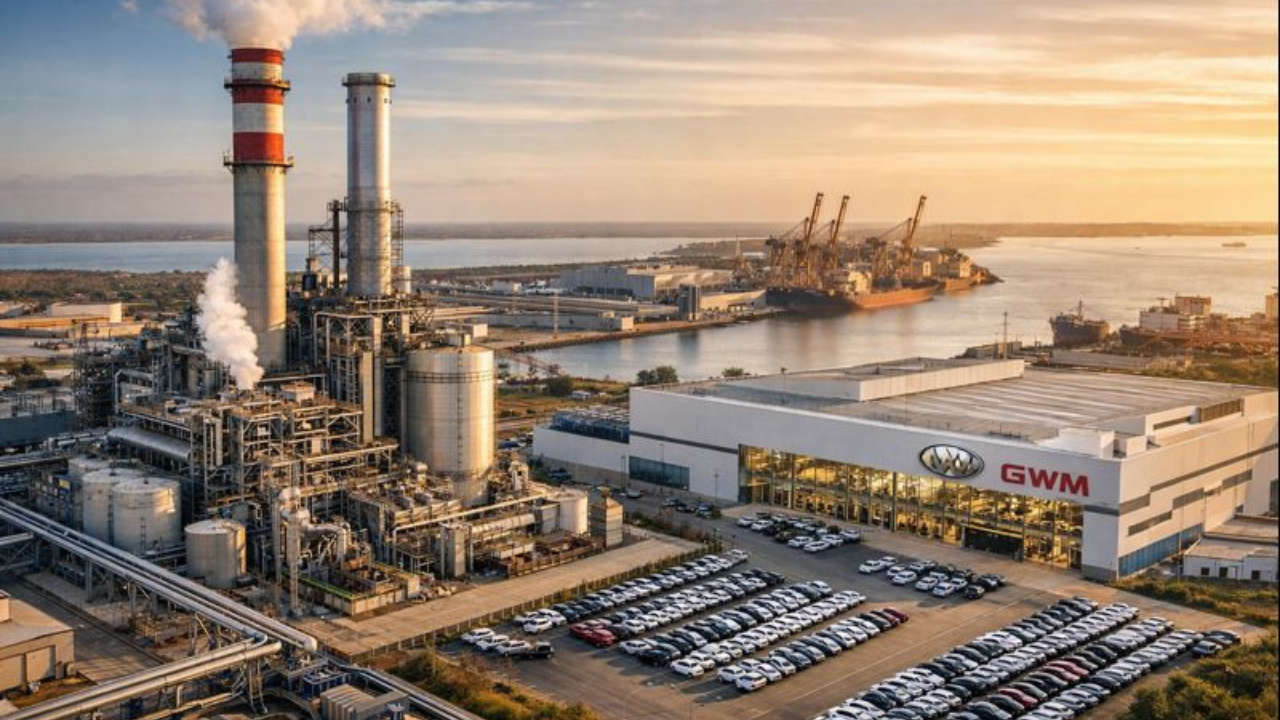
Thermal Power Plant in Rio Grande do Sul Is Key to Attracting GWM
Rodrigo Costa, Petrobras’ Refining Director, highlighted the importance of the operation: “The signing of the contract for the sale of the refinery in Amazonas represents another important step in the repositioning process of refining activities at Petrobras. The company is investing to become more competitive and to position itself among the best refiners in the world in terms of efficiency, operational performance, and high-quality products,” Costa explains.
Next Steps In The Sale Of The Refinery
After the completion of the operation, Petrobras will continue to operate the refinery through a transition service agreement (Transition Service Agreement – TSA) while the buyer structures its processes and builds its teams. This will occur under a service provision agreement to avoid any operational interruption. Petrobras and ATEM reaffirm their strict commitment to operational safety at REMAN in all phases of the operation. Measures have been taken to prevent any disruption in the supply of natural gas, oil, and LPG from the region.
Petrobras employees who choose to remain with the company can opt for transfer to other areas of the company. Another option is to join the Voluntary Dismissal Program, which includes a benefits package. Petrobras has been conducting the divestment processes with transparency and respect for employees. The company publicly discloses the main steps of the process and provides full support to the professionals involved. No Petrobras employee will be dismissed as a result of the transfer of control of REMAN to the new owner.
See This News As Well: Sales Of Petrobras’ Refineries May Be Delayed Due To The Risk Of Interference In Fuel Prices
In an interview with epbr, Petrobras’ Executive Director of Exploration and Production, Fernando Borges, emphasizes that the risk of interference in fuel prices is a factor that has delayed the sale of Petrobras’ refineries. The executive states that it is necessary to preserve the competitiveness of the oil and gas industry, which involves freedom in price formation.
Fernando Borges also defends the need to preserve the competitiveness of the oil and gas industry, which involves freedom in price formation, as well as maintaining the current local content policy and government participation, which includes taxation and royalties based on production value. The executive director further mentions that this is one of the risks that make it difficult for Petrobras to sell its refineries. This history of interference in Brazil is long, and when there is a change of government, there may be another that believes that controlling prices is the solution.
He adds that the market perception is that the risk indeed affects the value of the refineries. Of the eight units for sale, Petrobras has closed one – RLAM in Bahia – and decided to restart the competition for Repar in Paraná because the proposals came in much lower than expected.






Seja o primeiro a reagir!