





 Portuguese
  English
  Spanish
  3 min of reading


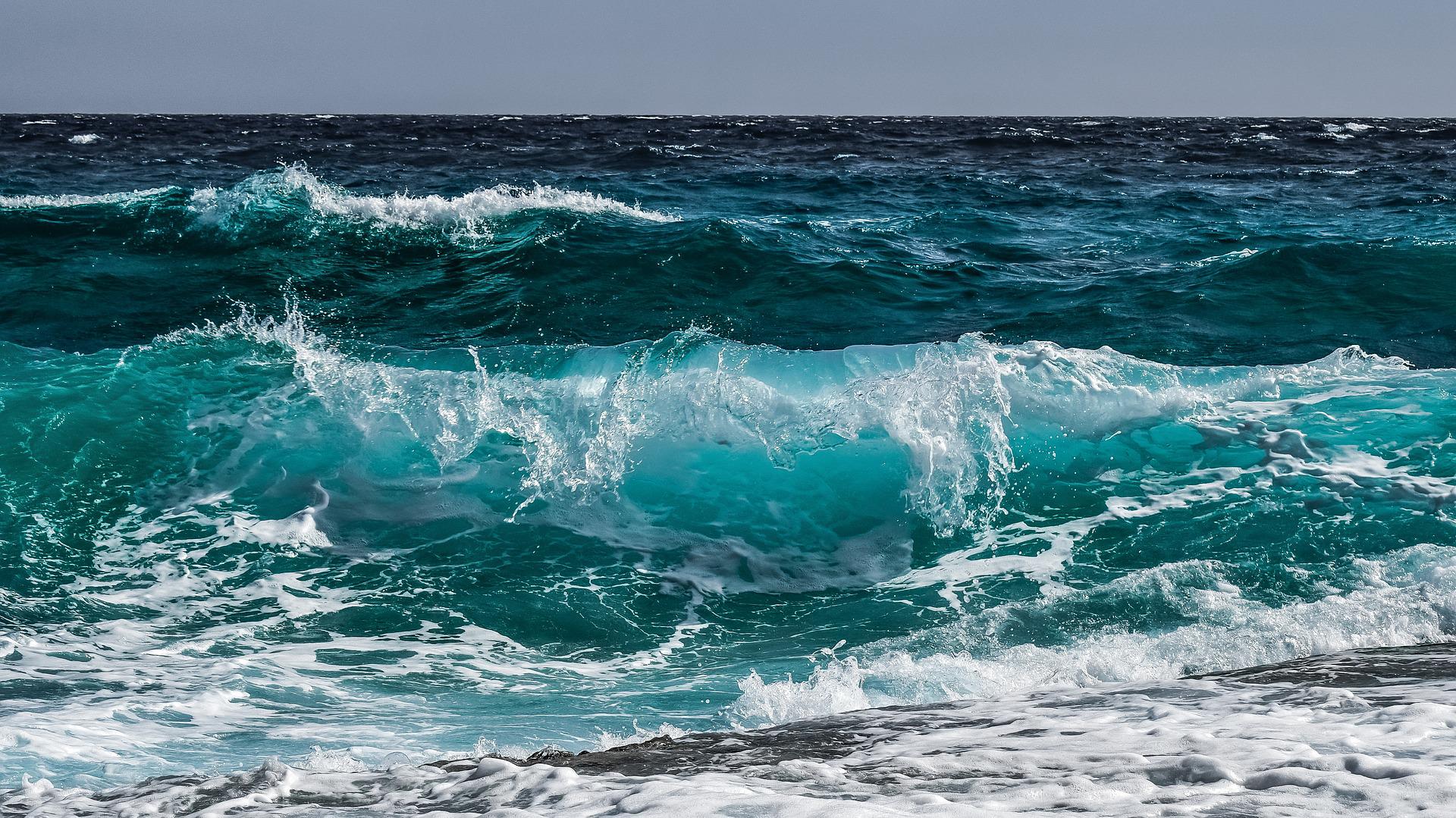
Concordia University Received a Certification from Bureau de Normalization du Québec That Allows the Commercialization of One of Its Discoveries for Wastewater Cleaning Through More Practical, Affordable, and Environmentally Sustainable Means. It Is Now Possible to Remove Pathogenic Bacteria from Residential Sewage Using Electrochemical Processes Instead of Phosphorus, Which Causes Algae Proliferation and Discharges Negative Impacts on the Marine Chain, Compromising Sustainability and the Environment.
Maria Elektorowicz, a professor of environmental engineering, was responsible for developing a technology that allows for more cost savings and a reduction in the side effects of wastewater treatment on the environment. Currently, the wastewater from many countries is treated using nitrogen and phosphorus, which help to accelerate the decomposition of organic molecules over the H2O molecule. However, these two substances lead to the birth of many marine algae (which serve to eliminate oxygen and aid in decomposition) and imbalance marine life.
Elektorowicz has been conducting research that analyzes the biological and chemical interactions of water treatment for over 30 years. The university’s new discovery will allow for more cost savings in processes, speed, and effectiveness by utilizing energy instead of chemical products.
Innovative Discovery for Water Treatment and Industry
The discovery was innovative because, according to the institution, until now, the only way to reduce the impacts of water treatment was related to the use of more chemical products. In the long run, this would also be negative for the environment, especially with the possibility of market scarcity. Trying to reduce the impacts of water treatment caused companies to incur costs much higher than desired; thus, discovering a different and inexpensive methodology was essential for more sustainable processes.
-
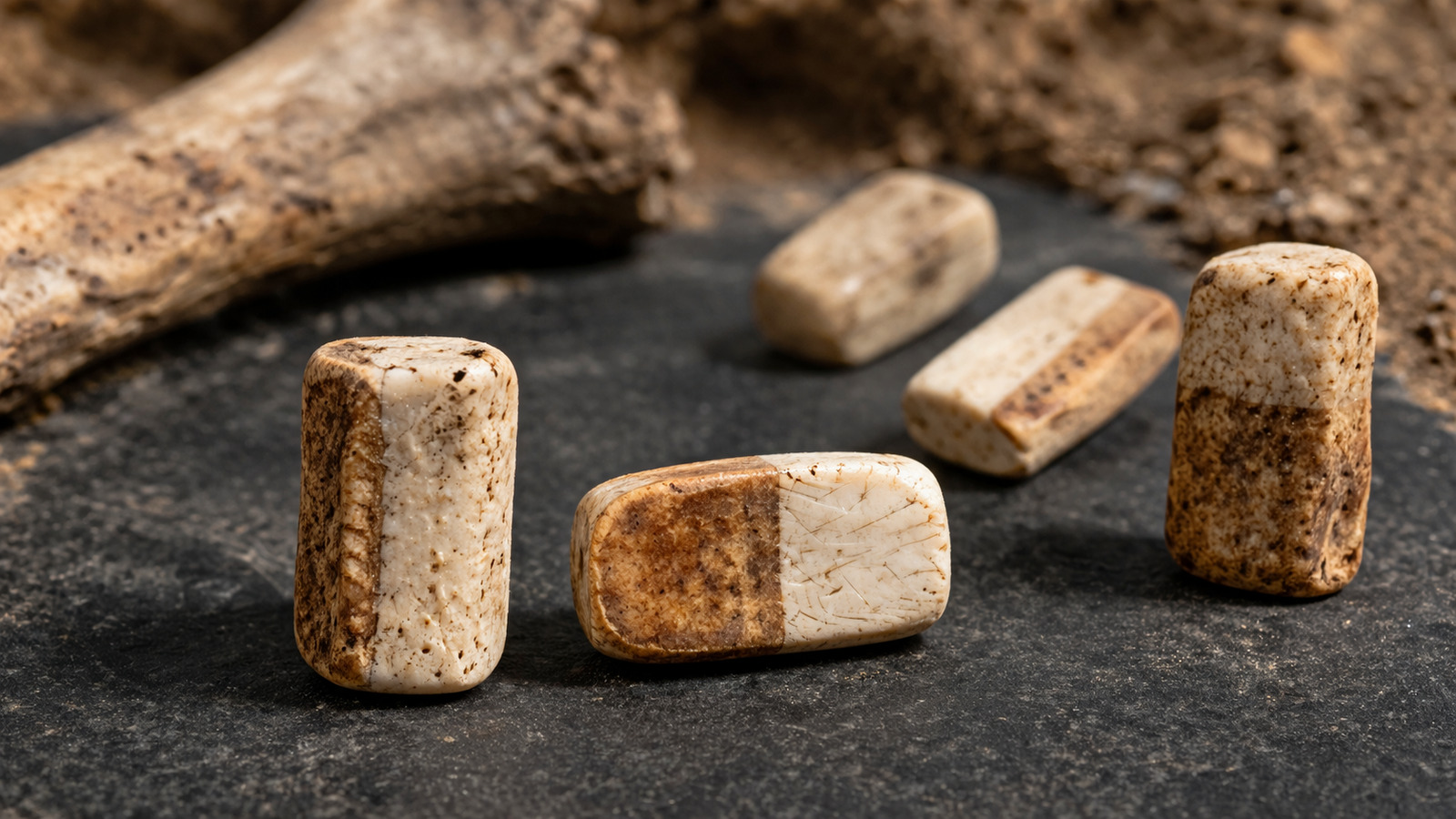
They seemed like common bones, but scientists were surprised to find a relic over 12,000 years old that dates back to before the Bronze Age.
-
With an almost perfect ring of 70 km visible from space, known as the “Eye of Quebec” and over 100 km in length, the Manicouagan Crater in Canada reveals the colossal mark left by a giant asteroid and has become one of the most impressive formations ever identified on the Earth’s surface.

-
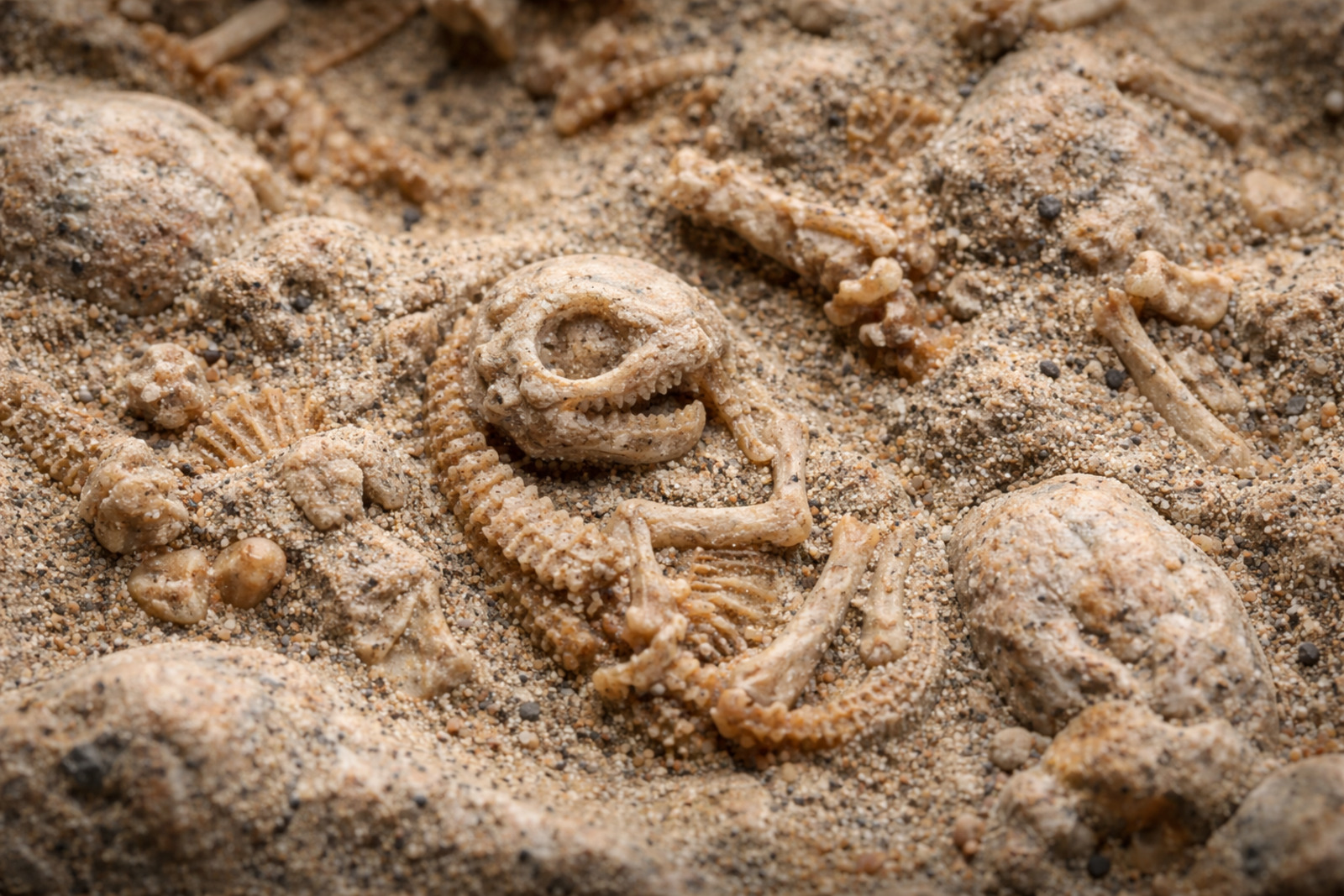
Scientists have found in China dinosaur embryos dating back 190 million years in various stages of development, and the discovery still preserves traces of extremely rare proteins in the bones, something that could change what is known about life before hatching.
-
The CEO of Honor in Spain says that smartphones will change with AI, foldables, and even robot phones; the component crisis is making cheap models more expensive in 2026 and shifting the focus to premium.

Concordia University Developed an Electro Bior Reactor (EBR): What Is That?
Concordia University developed an electro biorreactor (EBR), a machinery that eliminates low voltage in the water to be treated, thus managing to exponentially reduce the load of substances. Research shows that the EBR can completely destroy the phosphorus molecules used for treatment while reducing ammonia emissions and derivatives by up to 99% in just one operating unit.
Nowadays, there are technologies that assist in the decomposition of ammonia in the environment, making it non-toxic. However, the production of these technologies makes the processes more expensive for the industry, causing a domino effect. Many branches of science have already studied ways to reduce the impacts of ammonia on the environment; a recent example comes from Bureau Veritas and Total Energies, which are studying methods to lessen the impacts in case of using ammonia as a marine fuel to reduce carbon dioxide emissions and meet climate targets by 2030.
When Will the New Technology Arrive in Brazil?
Concordia University has not informed when the technologies developed in the private sector will be available for use by other countries. Therefore, there are no expectations at this time that the discovery will arrive to innovate the water treatment market in Brazil.
Catherine Gagnon, vice president of business development at Axelys, states, however, that the project is patentable and all processes have started to be carried out for such.





Seja o primeiro a reagir!