





 Portuguese
  English
  Spanish
  2 min of reading


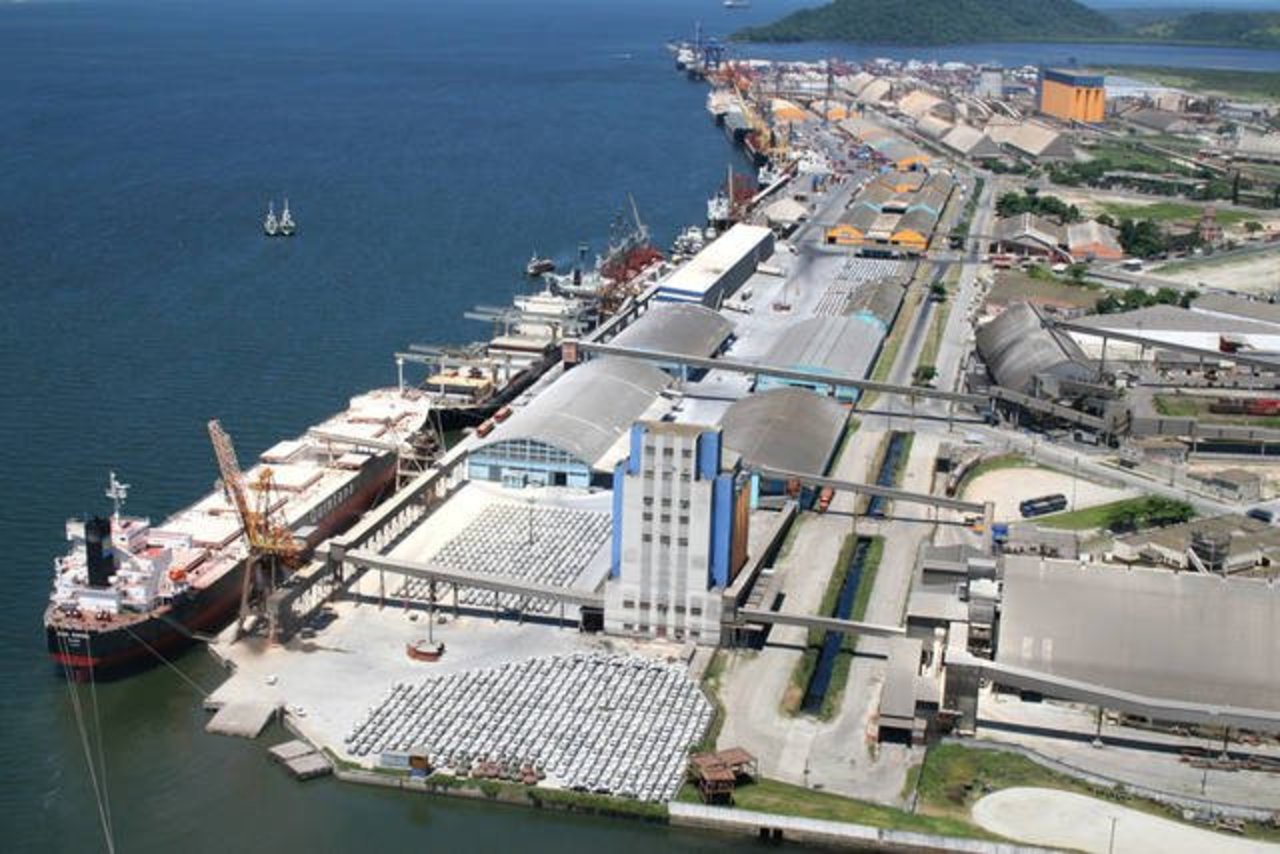
To Receive Large Vessels, The Port of Paranaguá Expands Its Operational Capacity
Vessels up to 70,000 DWT (deadweight tonnage gross) will be received by the Port of Paranaguá after its operational expansion. To make this possible, the responsible company invested heavily in restructuring works and cutting-edge technology systems.
Also Read
Port of Paranaguá Breaks Movement Record in 2020
The Port of Paranaguá, on the coast of Paraná, set a movement record in 2020, even with the pandemic of the new coronavirus, according to the Port Administration of Paranaguá and Antonina (Appa).
In 2020, product movement reached over 57 million tons in total. This number is 8% higher than that recorded in 2019.
-
With 74% of companies facing difficulties in hiring, technicians and engineers in renewable energy are becoming scarce in Brazil and are essential to support the expansion of solar, wind, and green hydrogen projects.

-
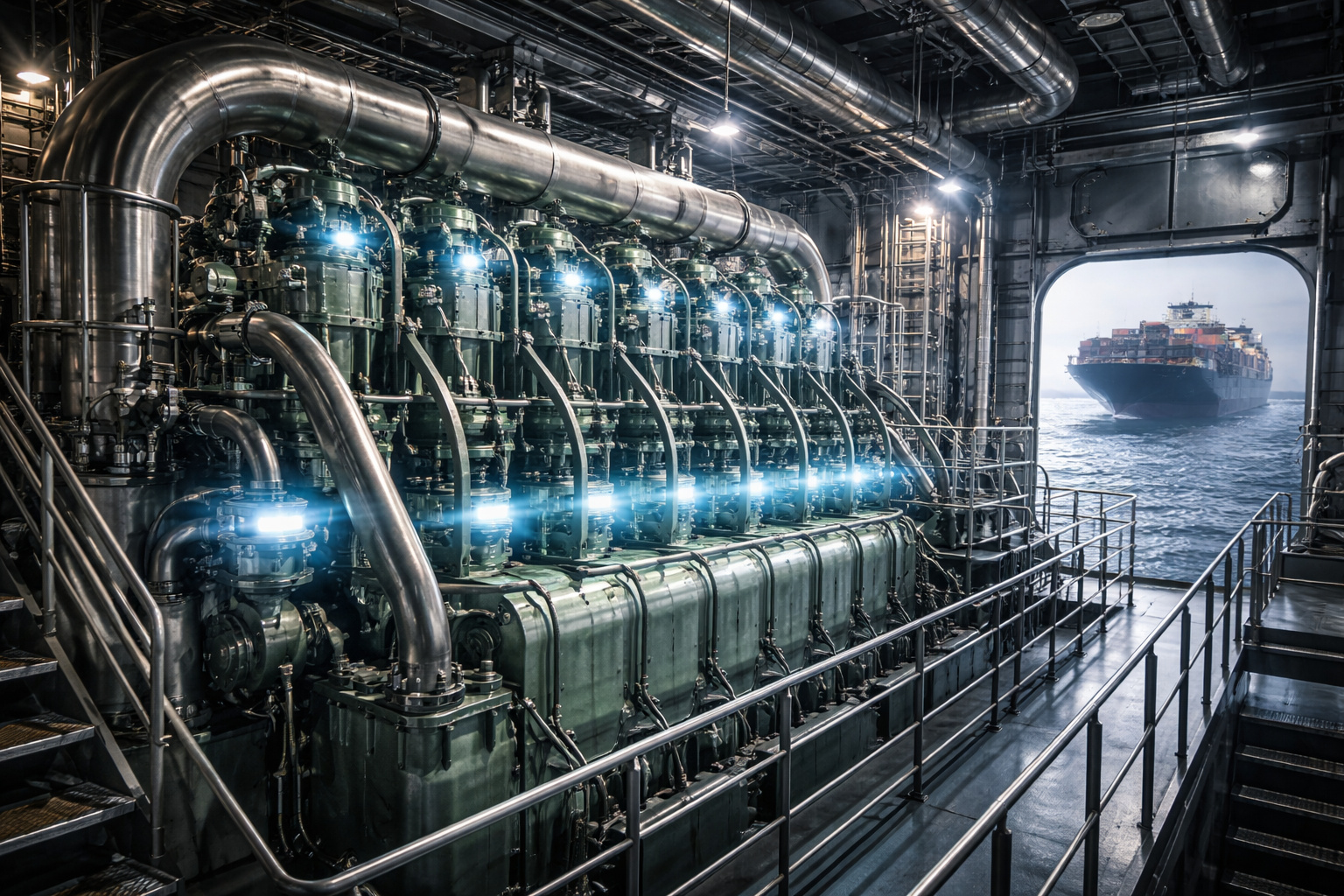
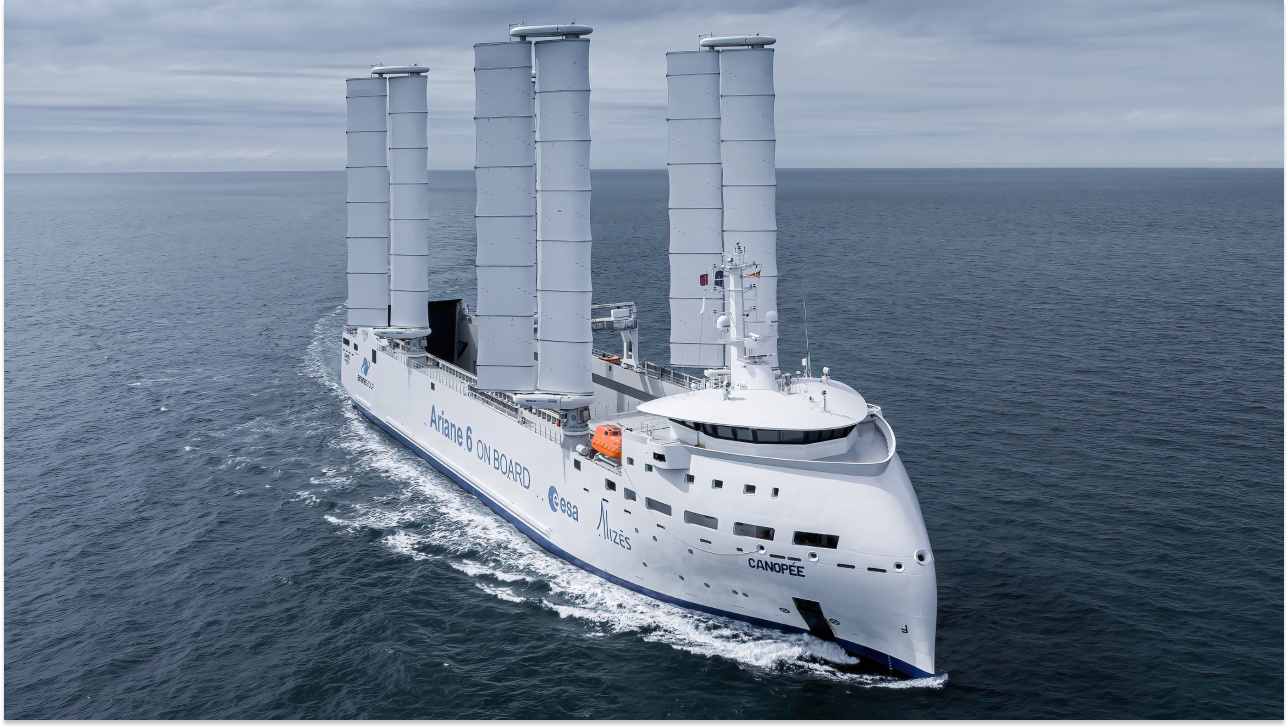
Europe is trying to create an ammonia-powered marine engine without auxiliary fuel, which could unlock the race for giant emission-free ships. The technology aims to eliminate one of the biggest obstacles to clean maritime propulsion.
-
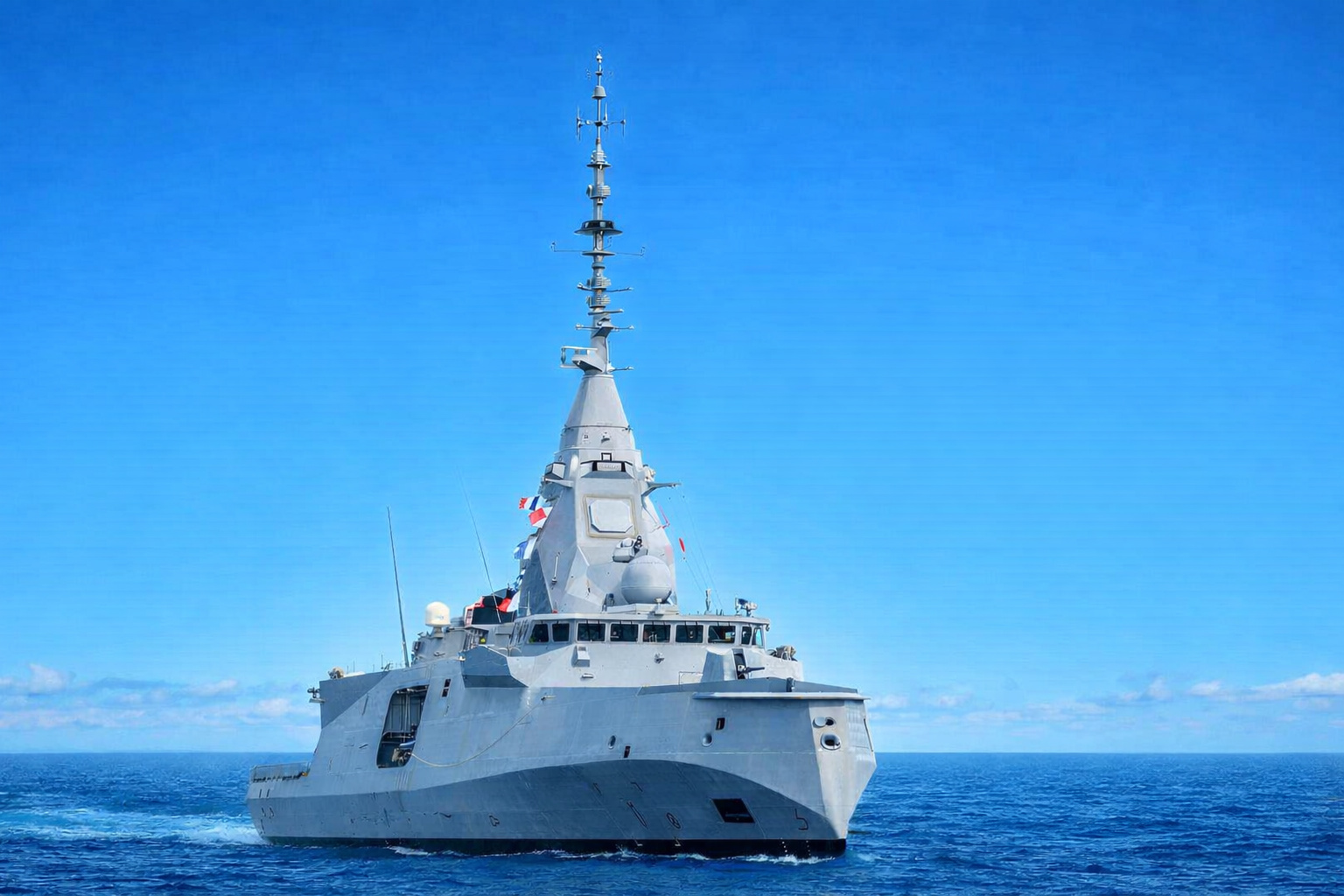
A 4,500-ton frigate with just over 100 crew members, state-of-the-art radar, and cruise missiles is being touted as the new standard of naval warfare in the 21st century.
-
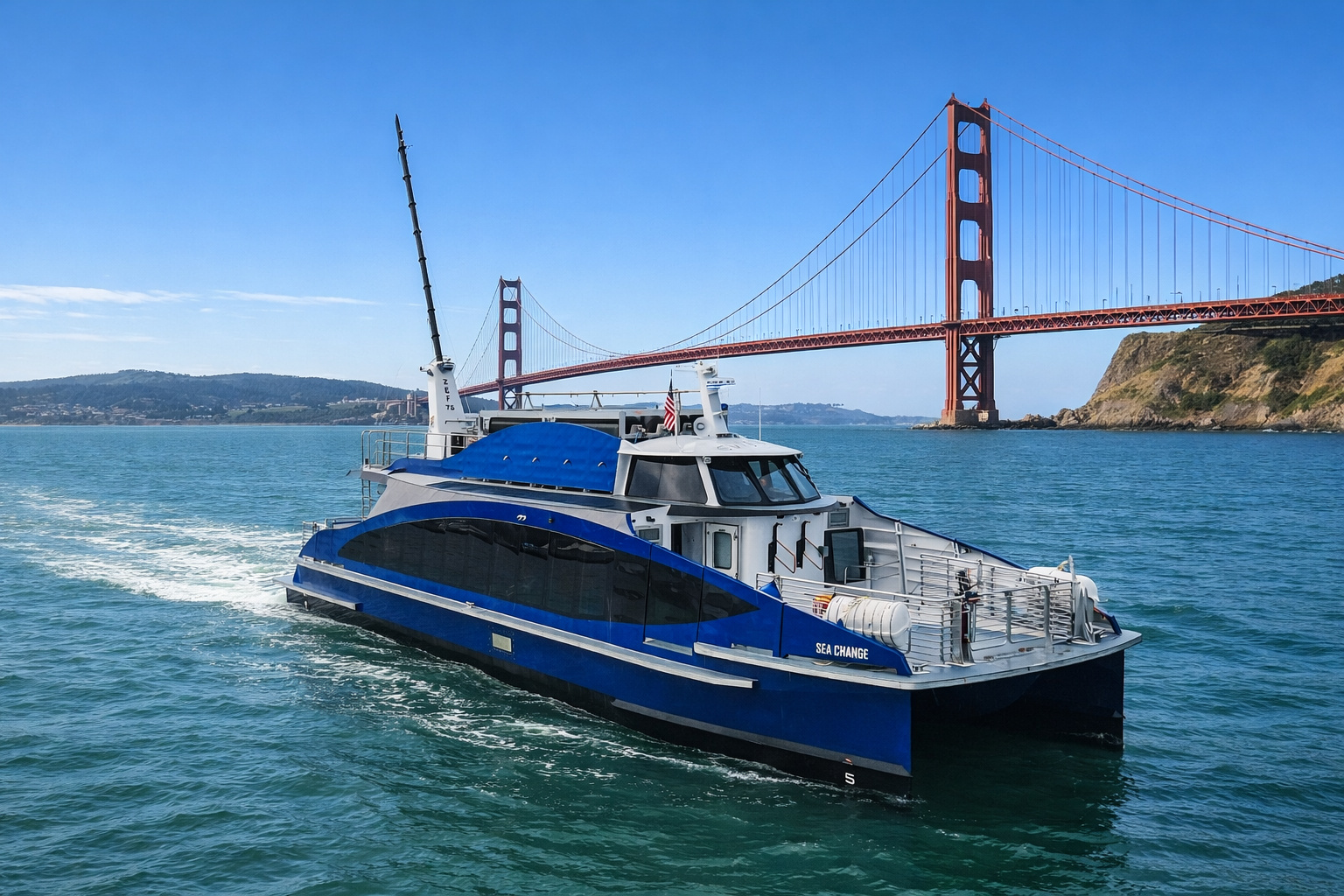
The first commercial hydrogen-powered ferry enters operation in the U.S., eliminates the use of diesel, uses fuel cells to generate clean energy on board, and transforms San Francisco Bay into a landmark of the new era of emission-free navigation.
The president of the Port Administration of Paranaguá and Antonina, Luiz Fernando Garcia da Silva, states that the exchange rate favored exports, in addition to the harvest.
Cutting-Edge Technology at the Port of Paranaguá
With the expansion of the operational capacity of the Port of Paranaguá, technological improvements can be noticed along with the new monitoring system for environmental and meteorological conditions, such as the Sismo – Hidromares Platform.
The new system allows for real-time demonstration of the speed and direction of sea currents.
Infrastructure
The superintendent of the Federation of Cooperatives of Paraná, Nelson Costa, points out two infrastructure issues that could hinder exports from the state: the quality of highways and the need for more railroads.
“Although we have tolls, many state highways do not have concessions, with poor maintenance. This impacts cost increases. Even though we have the corridor from Maringá to Paranaguá delivering good results, the western corridor still depends on improvements for the rail transport to reach Cascavel adequately,” he said.





Seja o primeiro a reagir!