






 Portuguese
  Spanish
  2 min of reading


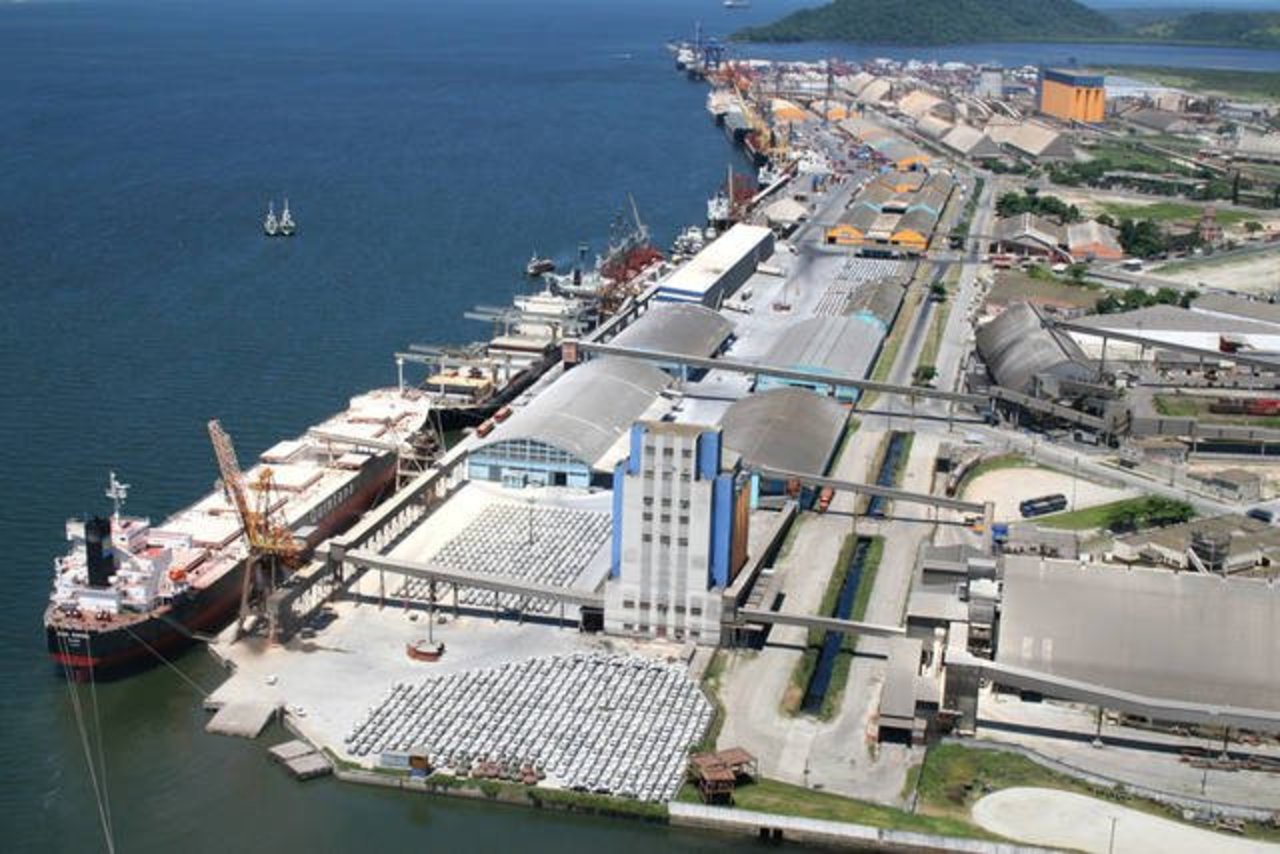
To Receive Large Vessels, The Port of Paranaguá Expands Its Operational Capacity
Vessels up to 70,000 DWT (deadweight tonnage gross) will be received by the Port of Paranaguá after its operational expansion. To make this possible, the responsible company invested heavily in restructuring works and cutting-edge technology systems.
Also Read
Port of Paranaguá Breaks Movement Record in 2020
The Port of Paranaguá, on the coast of Paraná, set a movement record in 2020, even with the pandemic of the new coronavirus, according to the Port Administration of Paranaguá and Antonina (Appa).
In 2020, product movement reached over 57 million tons in total. This number is 8% higher than that recorded in 2019.
-
Bothered by millions of bricks discarded every year in Norway, a company cuts old pieces into thin slices, secures them with a metal system, and transforms demolition into a new 1,800 m² facade.

-
While cigarette butts appear on sidewalks, beaches, and sewers, researchers tested the waste in clay bricks and calculated a 10% savings in burning with just 1% in the mixture.
-
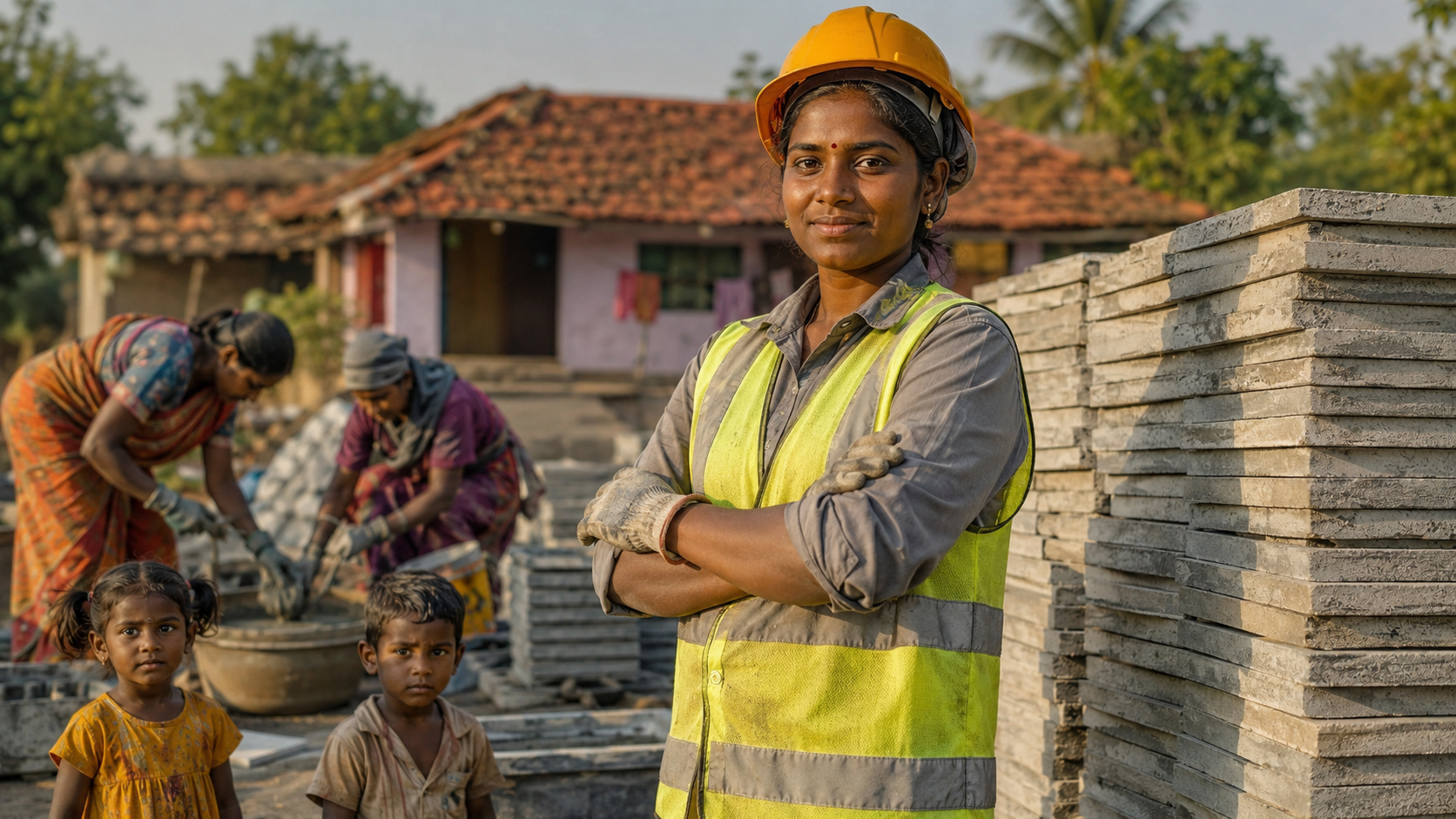
Mother of two who couldn’t leave her village in India takes a 20-day masonry course, starts a company with other women, receives a large production order, and changes her financial situation.
-
Instead of plastering the wall, Argentine architects left ordinary bricks exposed, without traditional mortar, without finishes, without paint, and created a perforated pavilion that looks like an art installation.



The president of the Port Administration of Paranaguá and Antonina, Luiz Fernando Garcia da Silva, states that the exchange rate favored exports, in addition to the harvest.
Cutting-Edge Technology at the Port of Paranaguá
With the expansion of the operational capacity of the Port of Paranaguá, technological improvements can be noticed along with the new monitoring system for environmental and meteorological conditions, such as the Sismo – Hidromares Platform.
The new system allows for real-time demonstration of the speed and direction of sea currents.
Infrastructure
The superintendent of the Federation of Cooperatives of Paraná, Nelson Costa, points out two infrastructure issues that could hinder exports from the state: the quality of highways and the need for more railroads.
“Although we have tolls, many state highways do not have concessions, with poor maintenance. This impacts cost increases. Even though we have the corridor from Maringá to Paranaguá delivering good results, the western corridor still depends on improvements for the rail transport to reach Cascavel adequately,” he said.







Be the first to react!