





 Portuguese
  English
  Spanish
 4 min of reading


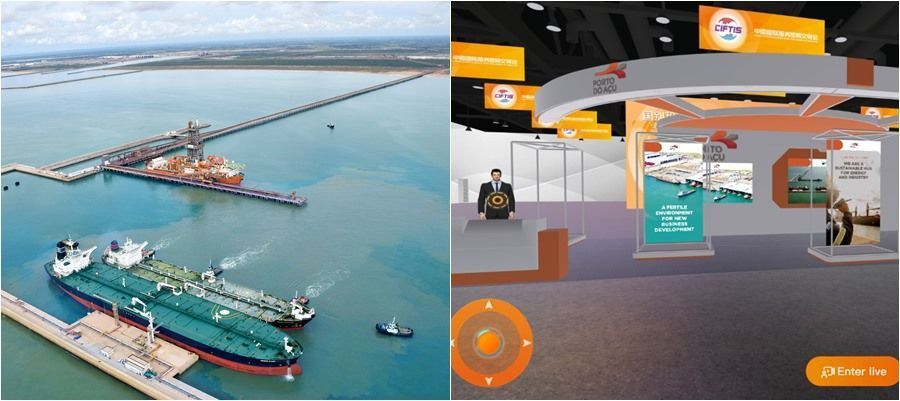
In 2019, the Port of Açu Signed a Cooperation Agreement with the Port of Guangzhou, Contributing to the Exchange of Experiences and Knowledge Between the Two Countries
The Port of Açu will be featured in the first virtual edition of the China-Brazil International Fair for Trade and Services (CIFTIS China-Brazil). Promoted by the General Consulate of China and broadcasted on a digital platform, the event will take place from September 3 to 11 in Beijing.
For Açu, participation in the fair strengthens the bond with the Asian country, with which it already has extensive relations. “The doors of the Port of Açu are open to Chinese companies, and we want to show this during CIFTIS. China is already Açu’s main trading partner, both in imports and exports, accounting for 60% of our cargo movement. We also have success stories in the area of industrial investments and service providers, and we believe in the potential we have to expand this partnership portfolio in the near future,” says Tessa Major, Director of International Business at the Port of Açu.
China is also the main destination for the oil and ore exported by Açu. Among the cargoes moved with China are bauxite, coke, general cargo, pig iron, and coal. In 2019, the Port of Açu signed a cooperation agreement with the Port of Guangzhou, contributing to the exchange of experiences and knowledge between the two countries. The partnership with China has also been present since August of this year in the thermoelectric projects developed in the port enterprise. Recently, the Chinese giant SPIC acquired 33% of the GNA I and GNA II projects and signed a contract for participation in the future expansion projects GNA III and GNA IV, which foresee the combined use of LNG and domestic gas from Brazil’s vast pre-salt reserves, which together will be part of the largest thermoelectric park in Latin America, already under development at Açu.
-
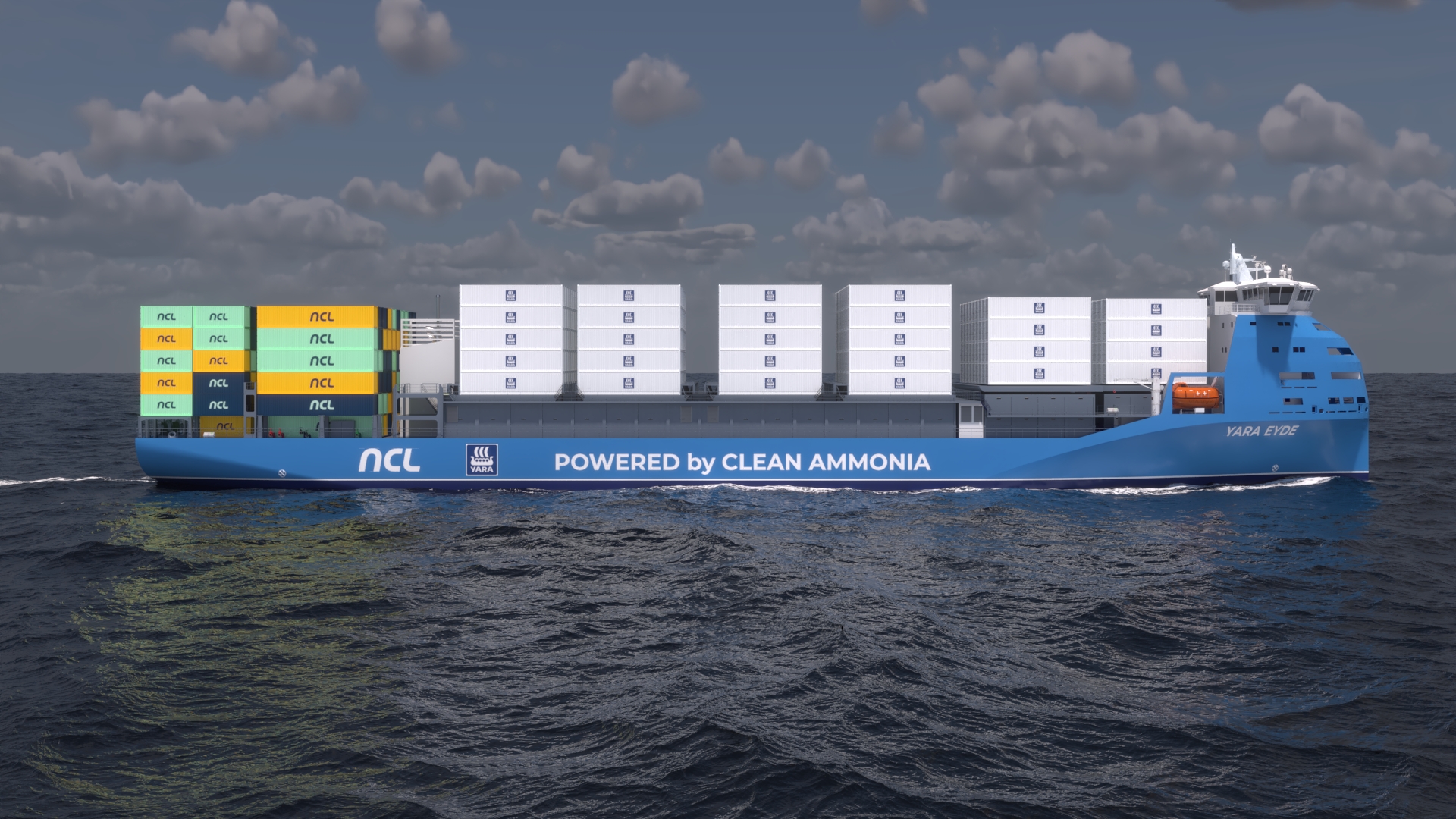
The world’s first container ship powered by renewable ammonia promises to avoid around 11,000 tons of CO₂ per year. The vessel, scheduled to operate in 2026, will connect Norway, Germany, and the Netherlands on one of the shortest and most strategic routes in Europe.
-
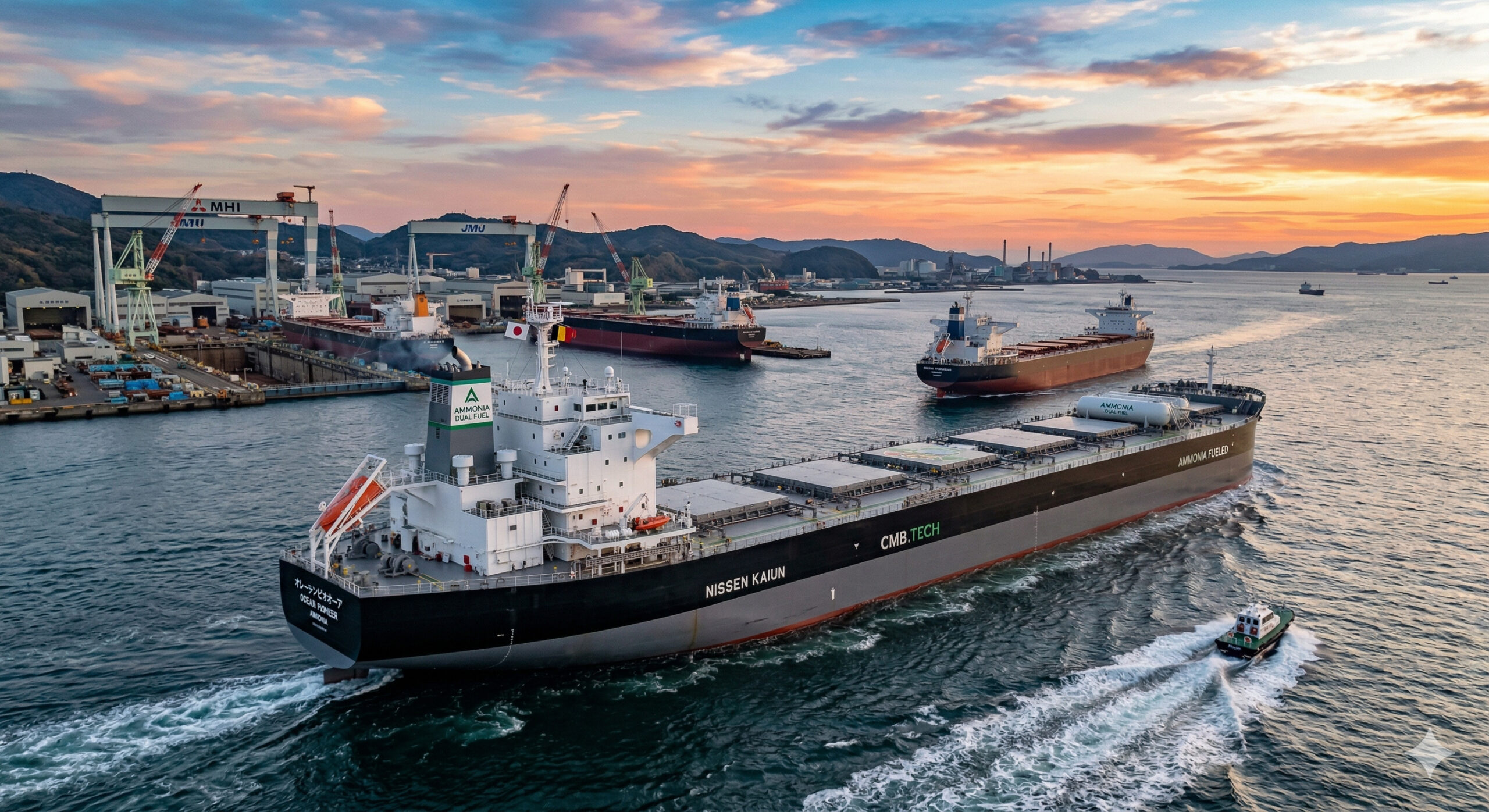
Nine giant ships of up to 210,000 gross tons equipped with dual fuel ammonia engines are being launched by Japan and Belgium. The project includes the world’s first Capesize vessels using this fuel, with contracts of up to 12 years, marking the beginning of a carbon-free ocean fleet starting in 2026.
-
Lack of workers and an aging population: Japan bets on AI robots in factories, logistics, and infrastructure to keep the economy and essential services active.

-
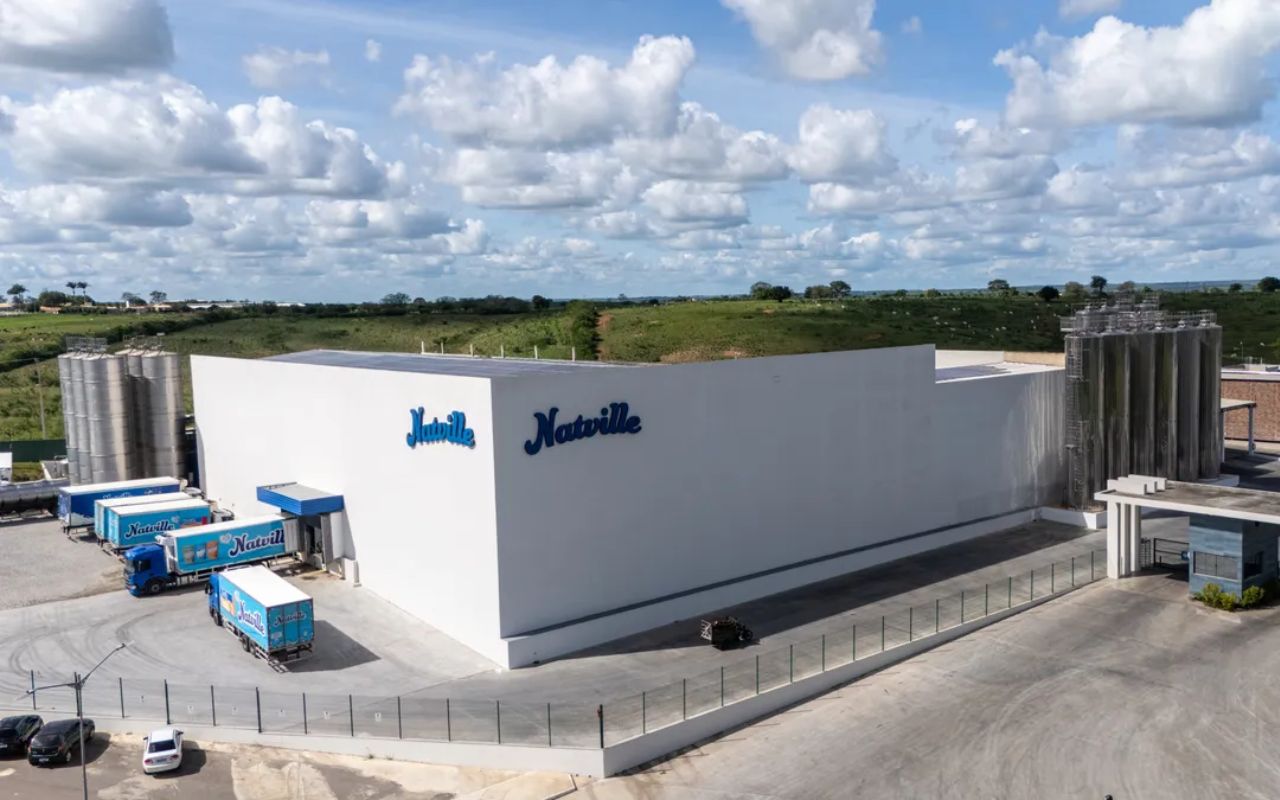
Natville puts R$ 700 million on the table for new factories in the Northeast, generating jobs and boosting the local economy.
Açu Stand Fully Adapted to the Digital Environment
The sustainable, industrial, and energy hub of Açu will be presented in a format fully adapted for the digital environment. Through the website https://3d.ciftis.org/index.html?flag=PortodoAcuOperacoes, the public can visit the virtual stand of the Port of Açu, as well as access a digital gallery of photos of the enterprise. Another novelty is that questions can be resolved via email, and business meetings can also be scheduled virtually.
The main attraction of the stand will be the “Açu Experience,” a virtual guided tour of the 130 km² port located in São João da Barra, in the northern State of Rio de Janeiro. The images were recorded with drones and 360º cameras, allowing the user the unique experience of exploring Açu by land, sky, and sea. Over the course of seven minutes, port terminals, the environmental reserve, and companies already installed in the enterprise are shown, including scenes from areas that are generally not open to visitors, such as internal yards.
The experience is available with narration in English, detailing the main operations and opportunities of Açu. Graphic inserts were also used as resources to dimension more relevant information and numbers from the young port, but with a vision for the future.
The technology was initially designed to shorten distances, simulating the experience of getting to know the most modern port-industry in the country in loco. However, the tool has become fully adapted to pandemic times, as in-person visits to the Port are suspended until the situation is normalized. Virtually, the overall view of the Port and the companies already installed remains complete through the link https://www.youtube.com/watch?v=2ugEhVgXjbk.
About the CIFTIS China-Brazil
The CIFTIS is organized by the Ministry of Commerce of China and the Beijing government, with the purpose of promoting cooperation and opening China in the commercial sector, also highlighting its potential in the areas of export and import. The Brazilian initiative, which has the support of the Commercial Association of Rio de Janeiro, aims to encourage bilateral exchange and economic cooperation, as well as deepen the strategic partnership between the two countries. During the event, a public platform for international trade in services in Portuguese-speaking countries will be launched, aimed at promoting exchanges in the areas of health, smart cities, technical services, and cultural and digital trade.









Seja o primeiro a reagir!