





 Portuguese
  English
  Spanish
  4 min of reading
  0 comments


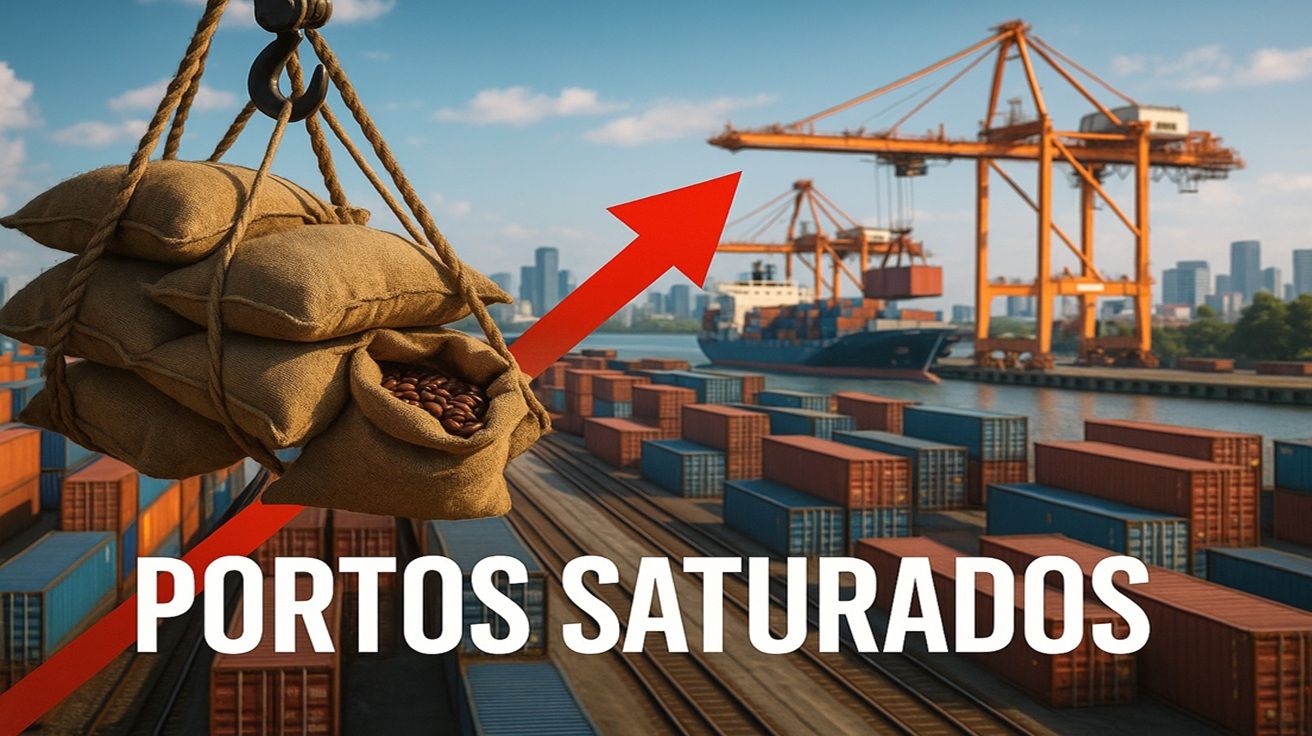
Lack Of Infrastructure And Delays At Brazilian Ports Hinder Coffee Exports And Generate Million-Dollar Losses For Exporters And Producers.
Brazil failed to ship 453,864 bags of 60 kg of coffee in June 2025. This volume, equivalent to 1,375 containers, did not proceed for export due to the exhaustion of port infrastructure.
According to a survey by the Coffee Exporters Council of Brazil (Cecafé), the direct loss from additional storage, detentions, pre-stacking, and early gate openings was R$ 3.002 million for the month.
Since June 2024, Cecafé-associated companies have accumulated losses of R$ 78.921 million due to these additional costs.
-
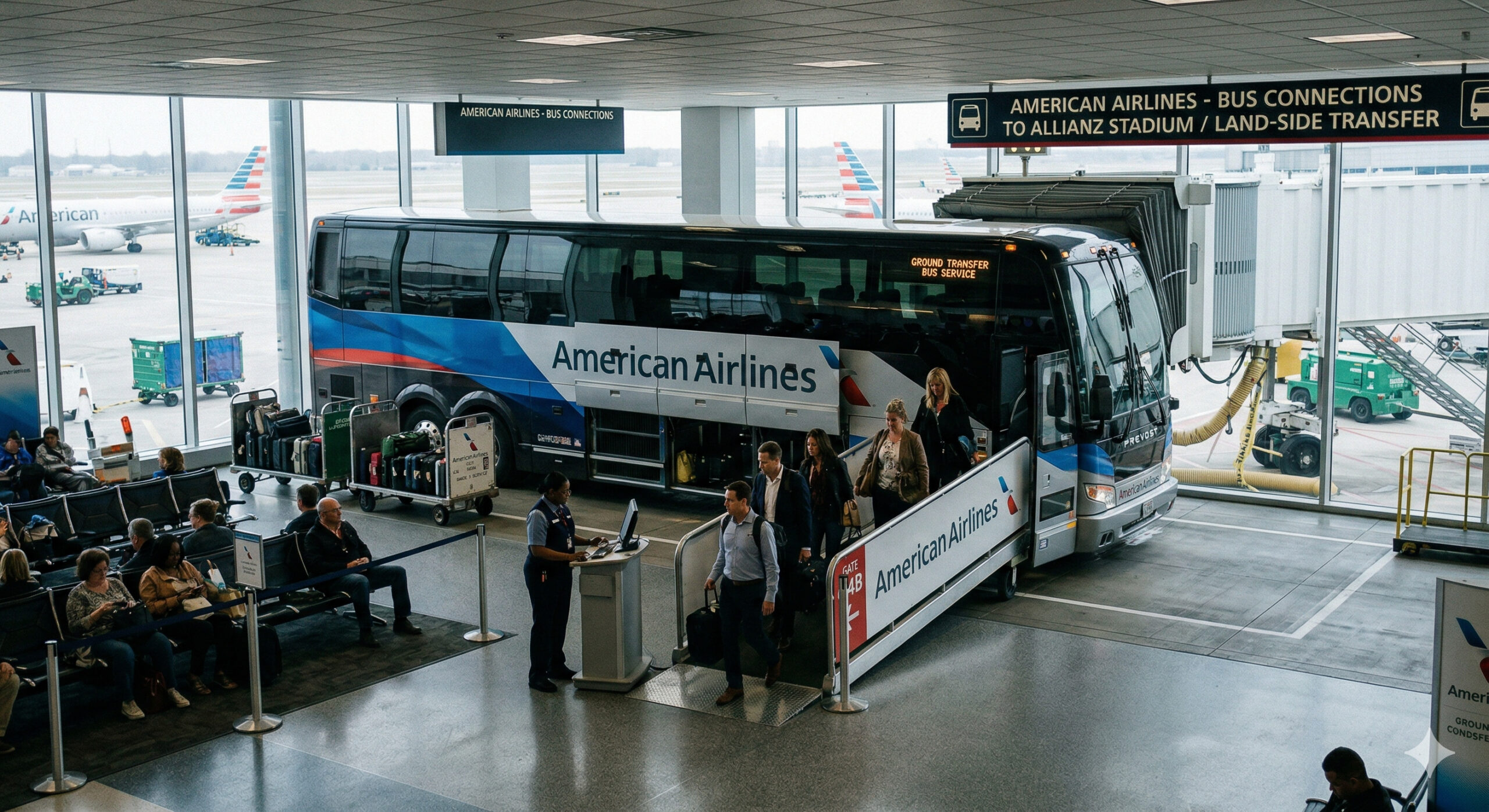
American Airlines starts selling trips as if they were flights, with check-in and baggage check at the airport, but on short routes, passengers board luxury buses connecting cities to major hubs in the U.S.
-
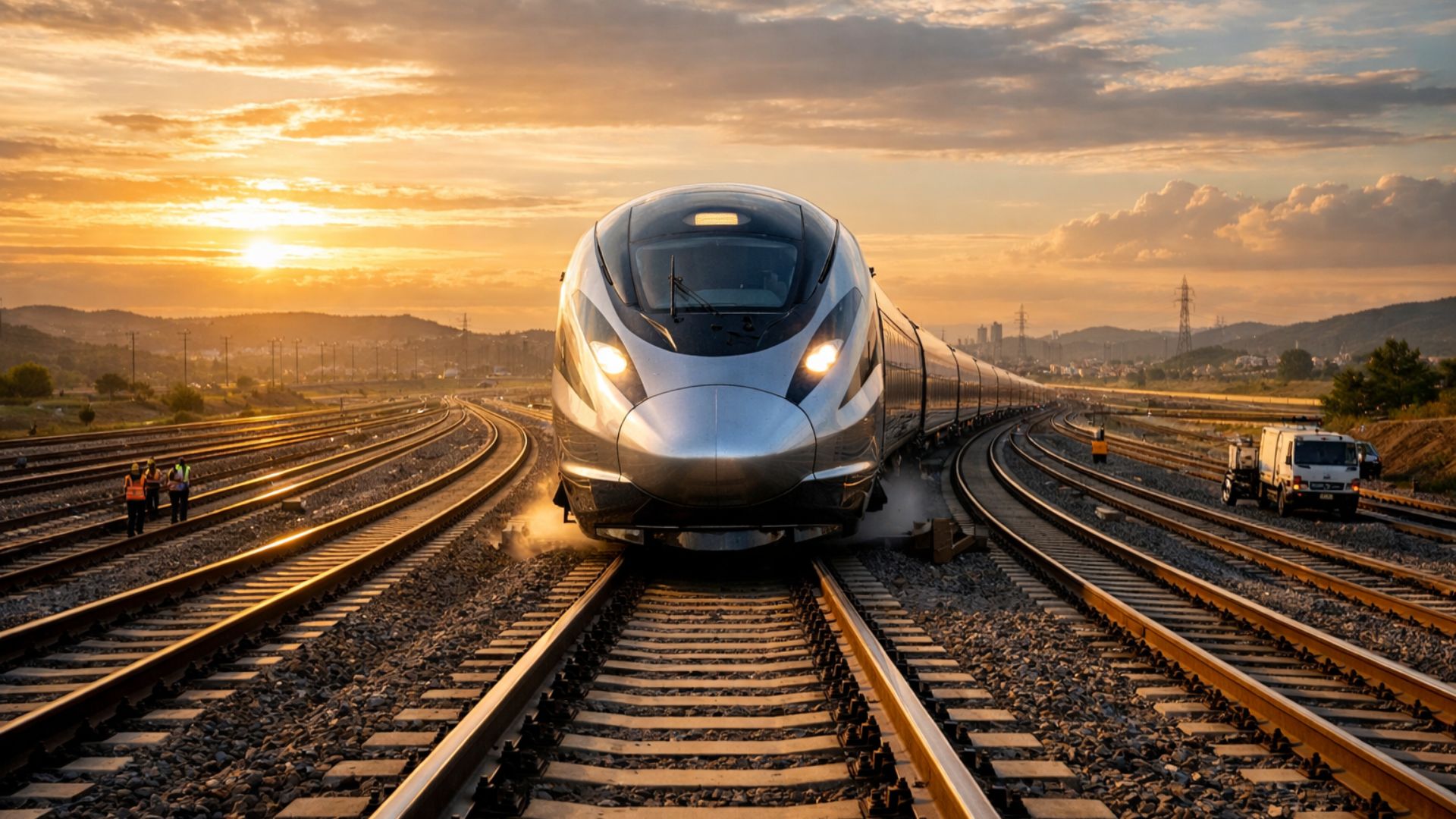
São Paulo surprises the world with a colossal railway network project that promises over 1,000 km of tracks, R$ 194 billion in investments, and 40 projects connecting the capital to the interior with fast and sustainable trains.
-
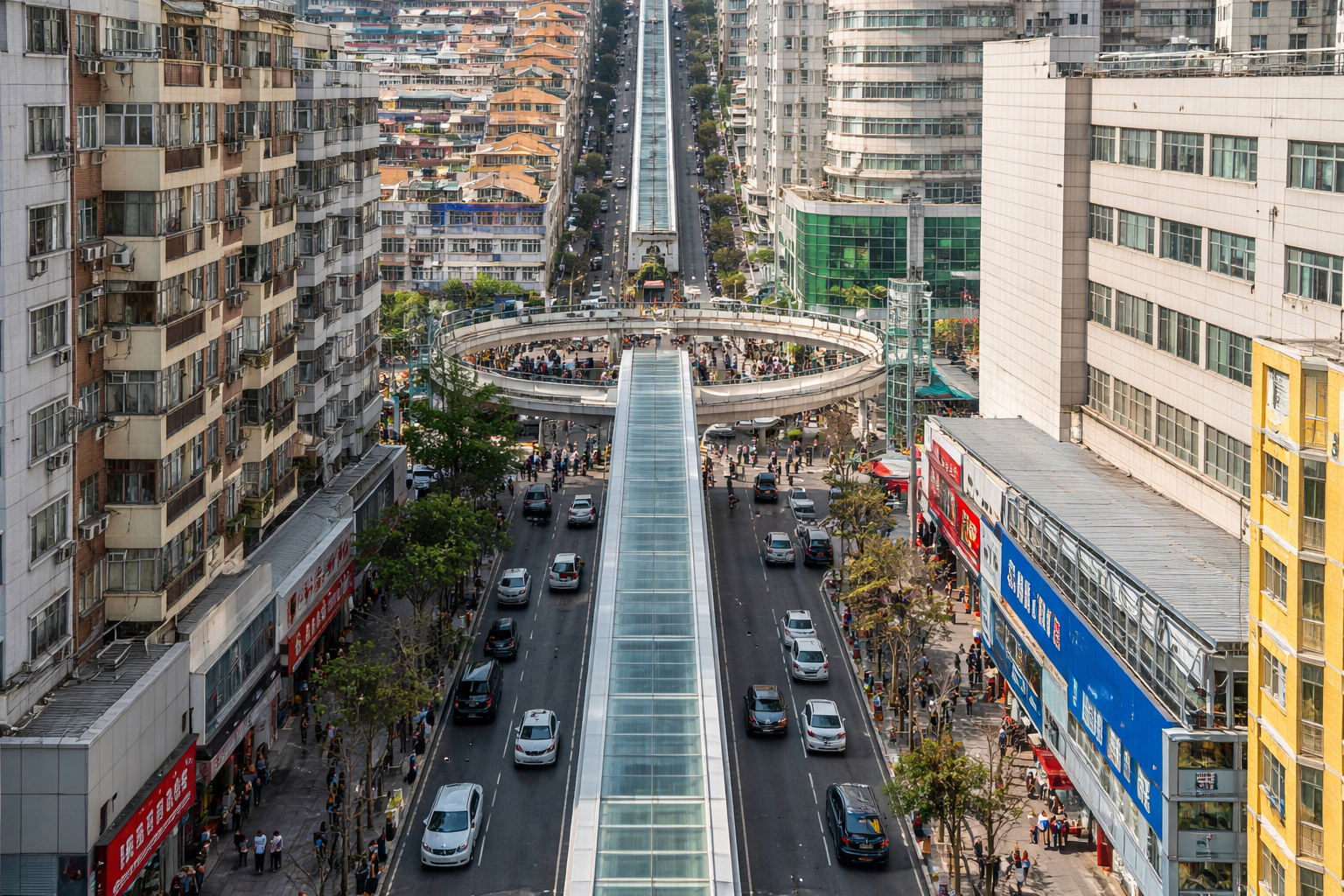
The world’s largest escalator, measuring 905 meters in China, reduces urban travel time from 1 hour to about 20 minutes and transforms mobility in mountainous regions with an engineering solution adapted to the terrain.
-
A R$ 300 million logistics giant is taking shape in Serra with over 100,000 m² and raises a question: how can this transform e-commerce and distribution in the state?
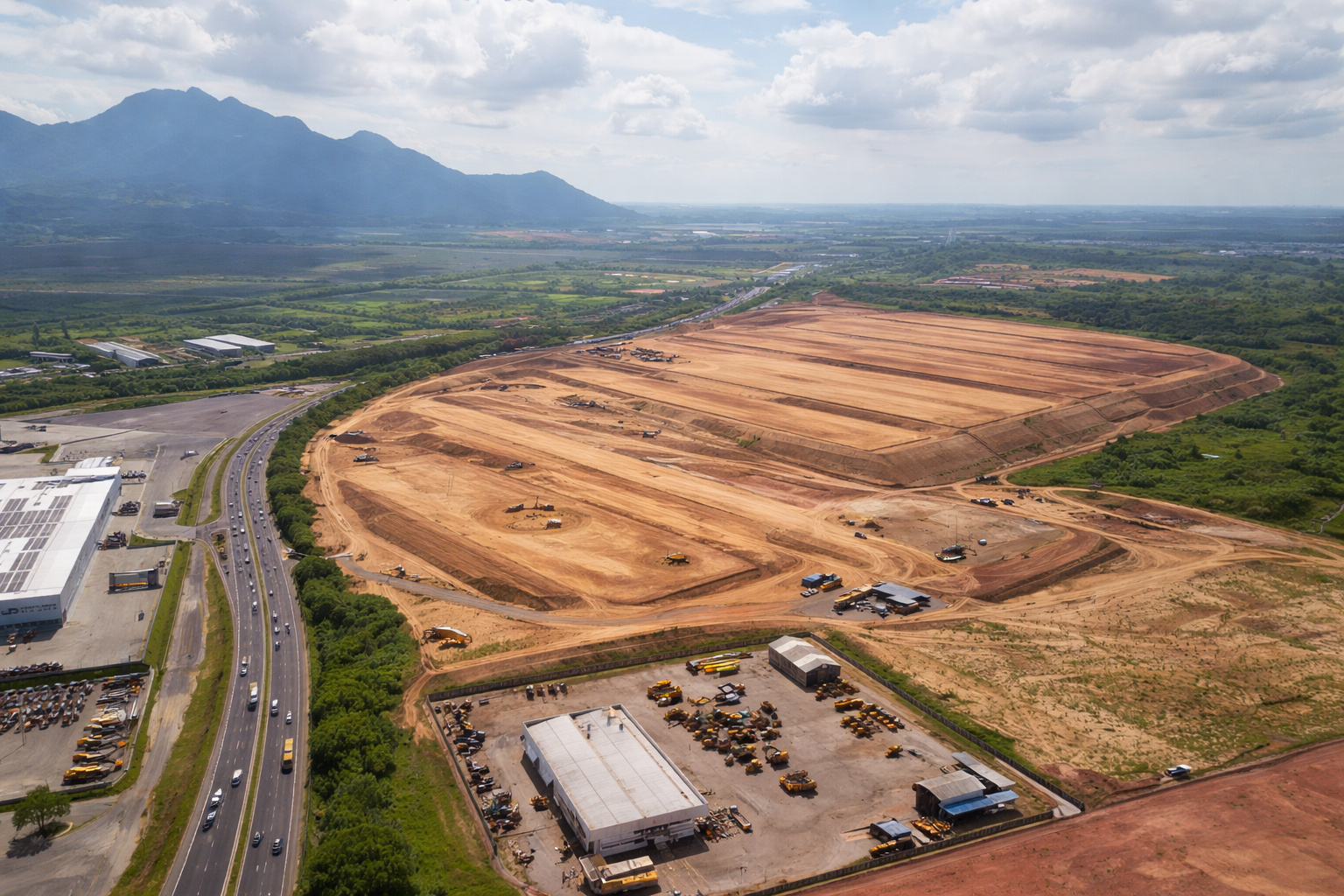

The problem results from delays, changes in shipping schedules, and outdated infrastructure at the country’s main ports.
External Revenue And Impact On Producers
The most important factor is that, in addition to operational losses, Brazil failed to receive US$ 184.183 million in June, equivalent to R$ 1.022 billion, considering the average price FOB of US$ 405.81 per bag and the average exchange rate of the dollar at R$ 5.5465 for the month.
As the country passes more than 90% of the export value to coffee growers, this loss also directly affected producers.
The scenario exacerbates concerns in the sector, especially since the new harvest, particularly of conilon and robusta (canephora), is already starting to arrive.
Trend Of Deterioration In The Second Semester
According to Eduardo Heron, technical director of Cecafé, there was an increase of about 100,000 unsent bags in June compared to May.
He warns that the problem is likely to intensify in the second semester, which is the period of higher export volume, with the arrival of new coffees, including arabica.
Heron advocates for urgent actions from both the public and private sectors, such as faster terminal auctions, increased yard and berth capacity, investments in railways and waterways, and the creation of logistics indicators.
For him, ports need to grow in proportion to agribusiness, especially for products that depend on containers, such as coffee, meat, cotton, sugar, and pulp.
Announced Measures And Regulatory Concerns
The government announced investments in port infrastructure, but Heron reminds that these works will take at least five years to complete.
He demands emergency measures that bring immediate or short-term results.
Another point of concern is the limitation of participation in the Tecon Santos 10 auction.
Heron cites Technical Note no. 51 from ANTAQ, which suggests a model capable of avoiding competitive issues and legal disputes, allowing greater participation of interested parties.
Temporary Pressure Less, But No Structural Relief
The off-season period for several commodities in the first semester helped reduce pressure at the ports. However, without increasing capacity, challenges are growing again now.
The arrival of new harvests is expected to increase demand, further straining infrastructure.
X-Ray Of Delays
In June 2025, 49% of ships in the main Brazilian ports experienced delays or schedule changes, according to the Detention Zero (DTZ) Bulletin, prepared by ElloX Digital in partnership with Cecafé. This represents 151 out of the 306 vessels analyzed.
The Port of Santos, responsible for 80% of shipments in the first semester, had a delay or schedule change rate of 59%. There were 95 affected ships out of a total of 161 container ships, with a maximum wait of 37 days.
Only 7% of shipments at Santos port had more than four days of gate open. Sixty percent were between three and four days, and 33% had less than two days.
Situation In Rio de Janeiro
The port complex of Rio de Janeiro, the second-largest coffee exporter, with 15.7% market share in the semester, recorded delays in 57% of cases.
There were 34 ships with schedule changes among the 60 assigned for the product, with the largest interval reaching 20 days.
In the ports of Rio de Janeiro, 43% of shipments had gates open for more than four days, 37% were between three and four days, and 21% had less than two days available.
Sector Seeks Quick Solutions
The scenario shows that the problem is structural and not limited to a specific port.
The lack of capacity, combined with recurring delays, harms exporters, producers, and the national economy.
For Cecafé, without quick actions, the trend is for increased financial and competitiveness losses. The second semester, with more coffee available and pressure on logistics, will be a significant test for the sector’s and authorities’ ability to respond.










Seja o primeiro a reagir!