





 Portuguese
  English
  Spanish
 3 min of reading


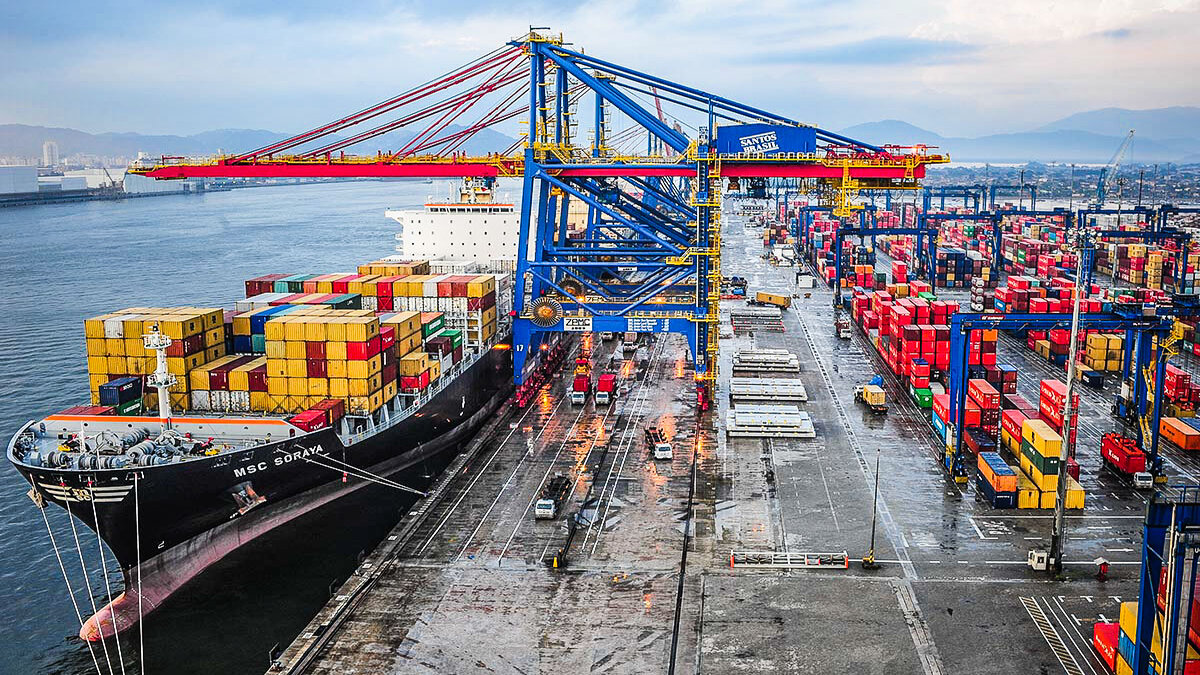
Ministry of Infrastructure States That Deadline for the Privatization of the Port of Santos Is at Its Limit and That the Government Needs to Maintain Transparency in the Process, Besides Highlighting That the Model Should Be Submitted to the TCU Soon for the Continuation of the Project
The new Secretary of Ports of the Ministry of Infrastructure, Mário Povia, warned last Monday, (06/06), about the need to accelerate the privatization of the Port of Santos, located in São Paulo, as the deadline for the process is at its limit. He also stated that the ministry intends to deliver the model of the project to the Court of Accounts of the Union (TCU) soon, as only then will it be possible to proceed with the privatization of the complex.
New Secretary of Ports of the Ministry of Infrastructure Says That Deadline for Privatization of the Port of Santos Is at Its Limit and That He Seeks to Accelerate the Project
In partnership with the National Agency of Waterway Transportation (Antaq), the Federal Government is preparing a major round of privatizations for Brazilian ports over the next few years, aiming to attract new investments for the infrastructure of the locations. Among the complexes that will undergo the process, the Port of Santos is one of the most sought after, due to its high relevance in the national and international port scenario.
However, the privatization project of the site is increasingly delayed and the new Secretary of Ports of the Ministry of Infrastructure says that the deadline for this to happen is almost at its limit. To finally accelerate the process in search of a conclusion, the Ministry of Infrastructure hopes to deliver soon to the TCU the model of privatization that will be used for the Port of Santos.
-
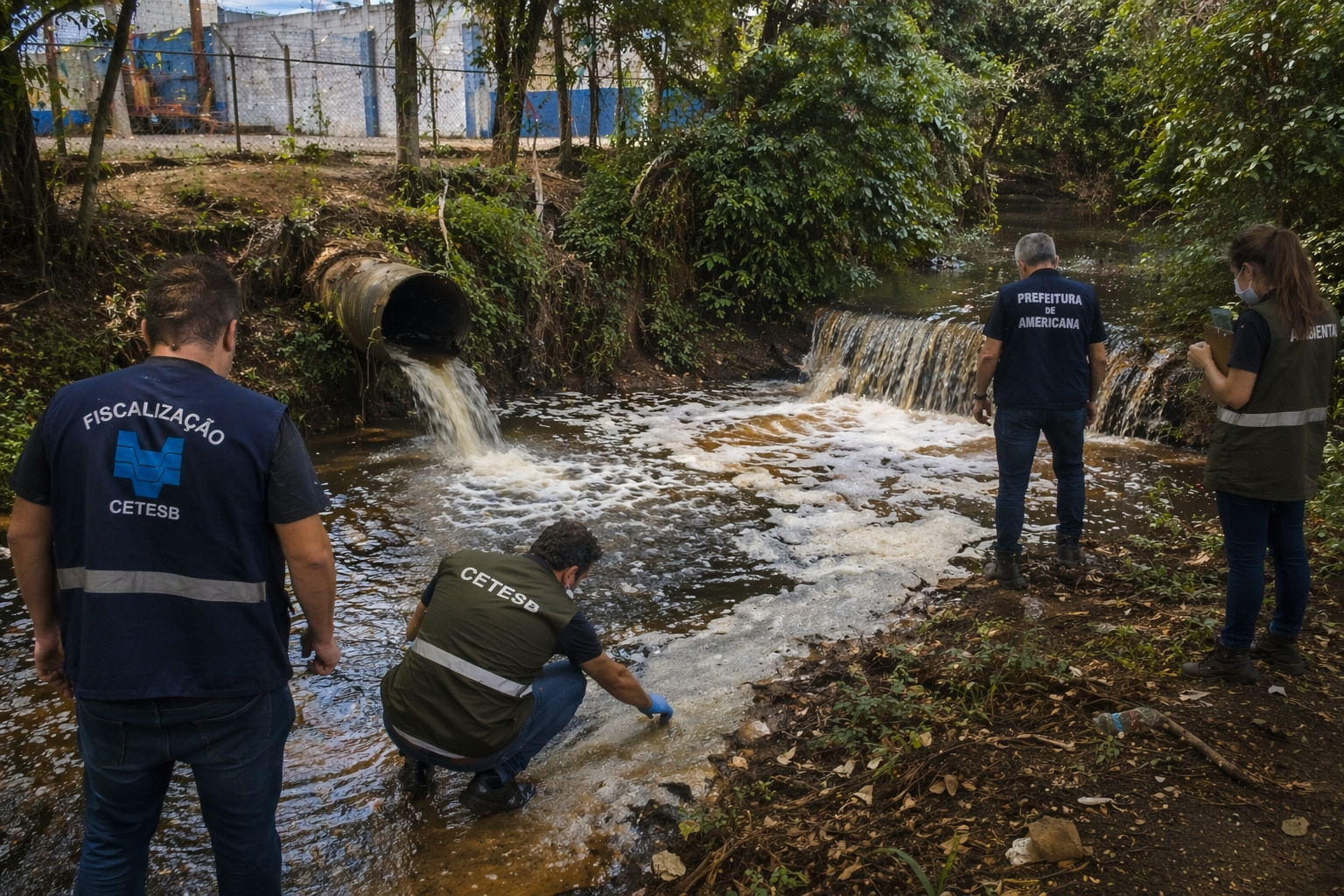
A fine of R$ 115 thousand places Goodyear at the center of an environmental case in Americana after oil and grease appeared in a stream and the company was required to act quickly.
-
A fine of R$ 115 thousand puts Goodyear at the center of an environmental case in Americana after oil and grease appeared in a stream and the company was forced to act quickly.
-
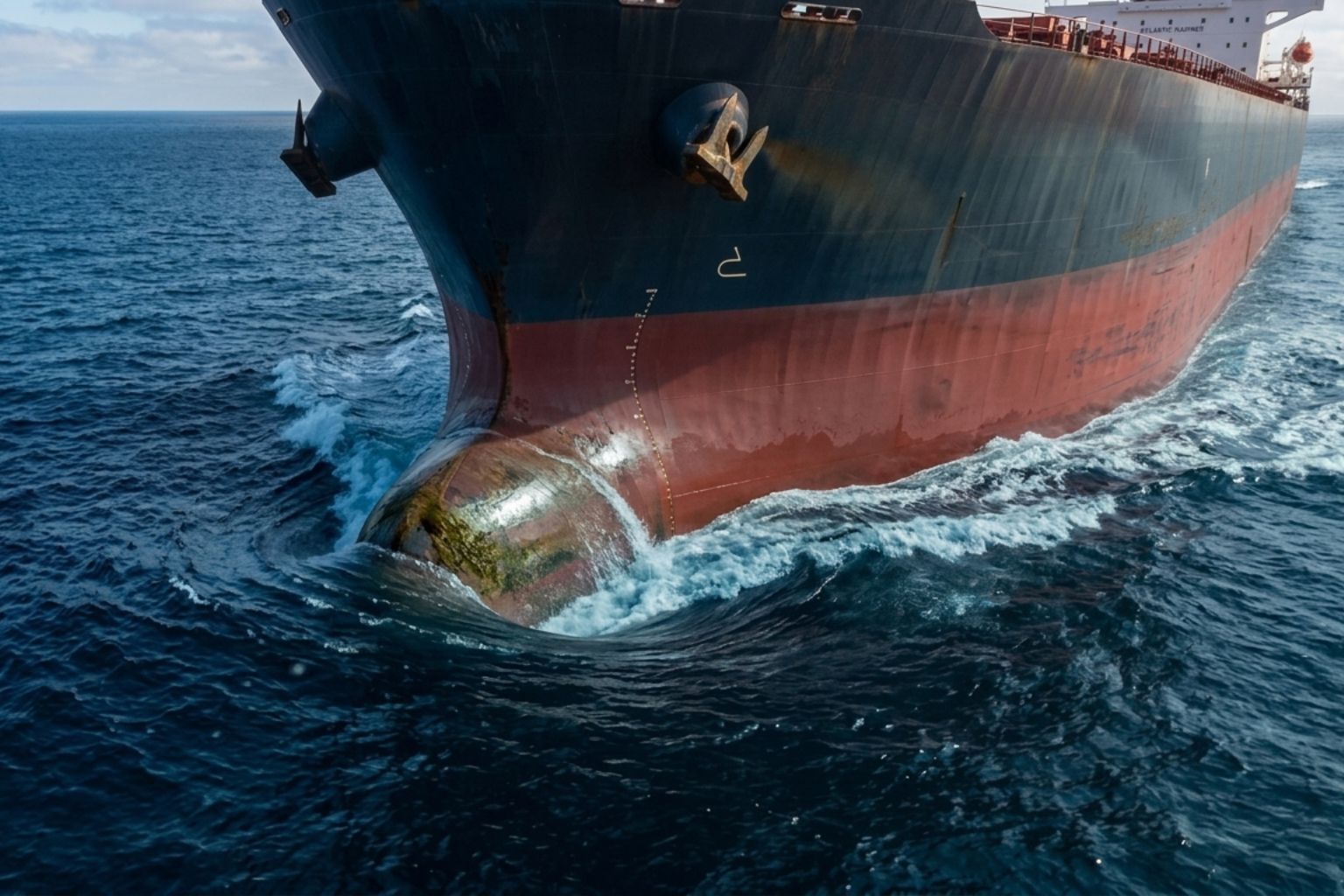
A hidden metal piece in the bow redesigns the water flow, reduces drag, and can save over 10,000 tons of fuel per year; this invisible solution allows giant ships to cut millions in costs without changing engines or routes.
-
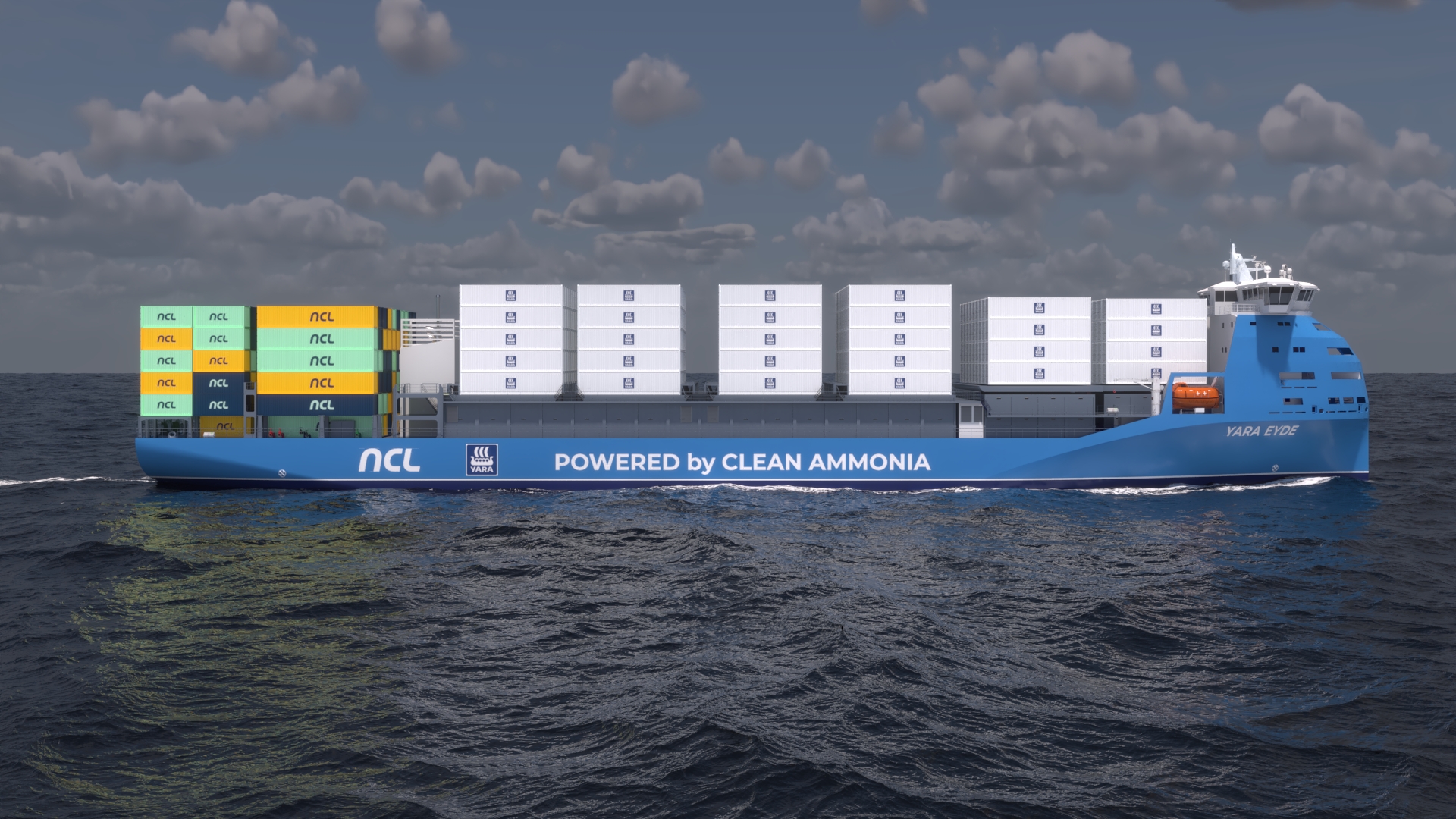
The world’s first container ship powered by renewable ammonia promises to avoid around 11,000 tons of CO₂ per year. The vessel, scheduled to operate in 2026, will connect Norway, Germany, and the Netherlands on one of the shortest and most strategic routes in Europe.
Nevertheless, it is necessary to have a thorough analysis of the possibilities, as the Federal Government seeks to mitigate potential problems and losses to the complex with the chosen model. Thus, Mário Povia stated that it is essential in this moment of political instability that Brazil is currently facing for the ministry to be transparent regarding the privatization model.
Now, the tender with the privatization model will be submitted to the TCU by the end of June, and with that, the Court of Accounts would need to approve the operation within three months for the tender to be published in October, as planned by the government, thus ensuring a perspective of acceleration of the project.
Mário Povia Warns of Possible Extension of the Privatization Auction of the Port Complex to the Year 2023 and Emphasizes That This Is Not the Initial Objective of the Agency
With the completion of the model delivery still this month, the Ministry of Infrastructure hopes to close the auction for the Port of Santos with the TCU still during the year 2022, around the second half of December. However, Mário Povia does not rule out a possible Plan B where the Federal Government may postpone the privatization auction to the year 2023, if the tenders do not come out within the expected timeframe for the project.
Additionally, he recalls that if the deadline is postponed by the Ministry of Infrastructure, the privatization project of the Port of Santos could fall into the hands of a new government. The executive also highlighted: “It is not our Plan A, but it is an important scenario for us as well, to at least finish the model and launch the tender. There is no hidden agenda; we are acknowledging the deadlines that are at the limit, and that we need to grease a strategy with the TCU, and that’s what we will do.”
Now, the Ministry of Infrastructure is putting its efforts together to submit the privatization model to the TCU still this June in the race to finalize the privatization auction of the Port of Santos still in 2022.








Seja o primeiro a reagir!