





 Portuguese
  English
  Spanish
  3 min of reading


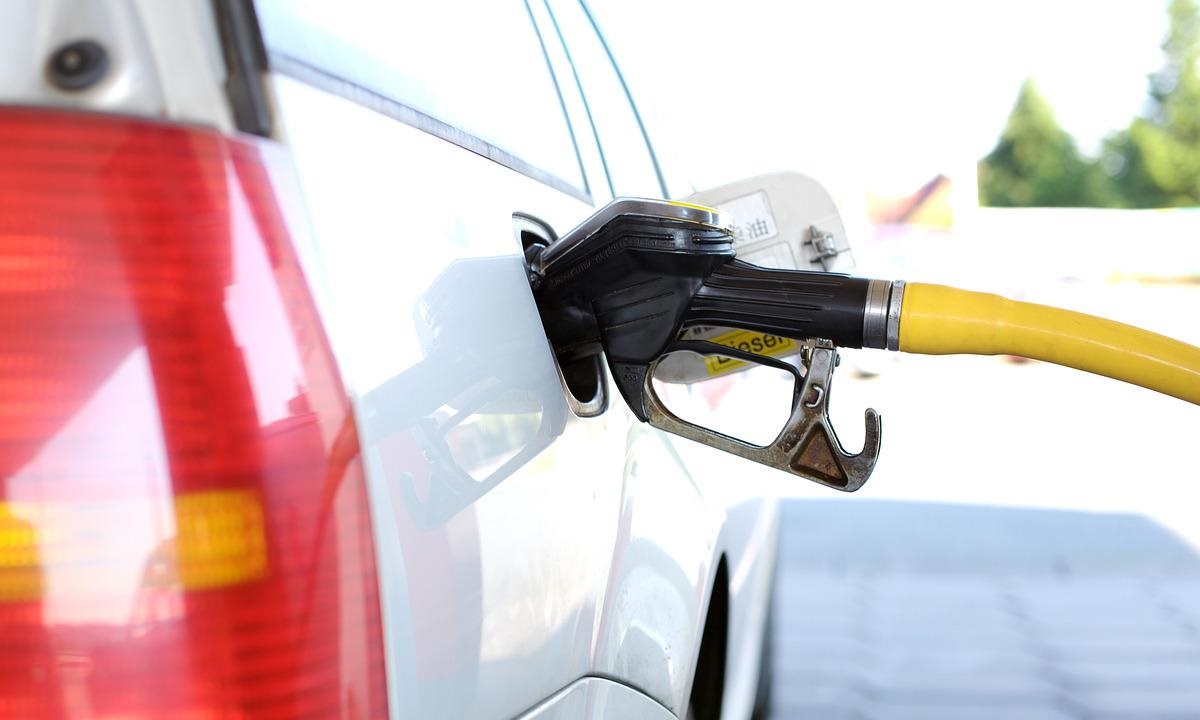
With the Delay, Diesel and Gasoline Prices May Decrease by R$ 0.07, According to Sources from Fuel Distributors
The chance of delaying the implementation of environmental targets by fuel distributors, following a recommendation made by the federal government, could lead to a reduction in the final price of diesel and gasoline, according to CNN.
According to sources from fuel distributors, without the immediate need to pay for carbon credits at this time, diesel and gasoline companies have lower operating costs and should pass this on to consumers. Therefore, in about two weeks, Brazilian consumers may feel a decrease of about R$ 0.07 in gasoline and diesel prices.
Delay Imposed So Fuel Distributors Can Meet Decarbonization Targets
The RenovaBio Committee, made up of members from various ministries and the ANP (National Agency of Petroleum), advised extending the deadline to achieve the target of Decarbonization Credits (CBIOs) by fuel distributors, including gasoline and diesel. The limit, which is currently annual, would be pushed to the end of 2023, about 24 months later.
-
Labubu’s owner, the Chinese company Pop Mart, is making a strong entry into Brazil while combating counterfeit versions of the doll that have already become a global craze and led to lawsuits against illegal sales in several countries.

-
India begins to count 1.4 billion people: the census is the most ambitious in the world, mobilizing 3 million enumerators in 640,000 villages and 9,700 cities, with an app and two phases until 2027.

-
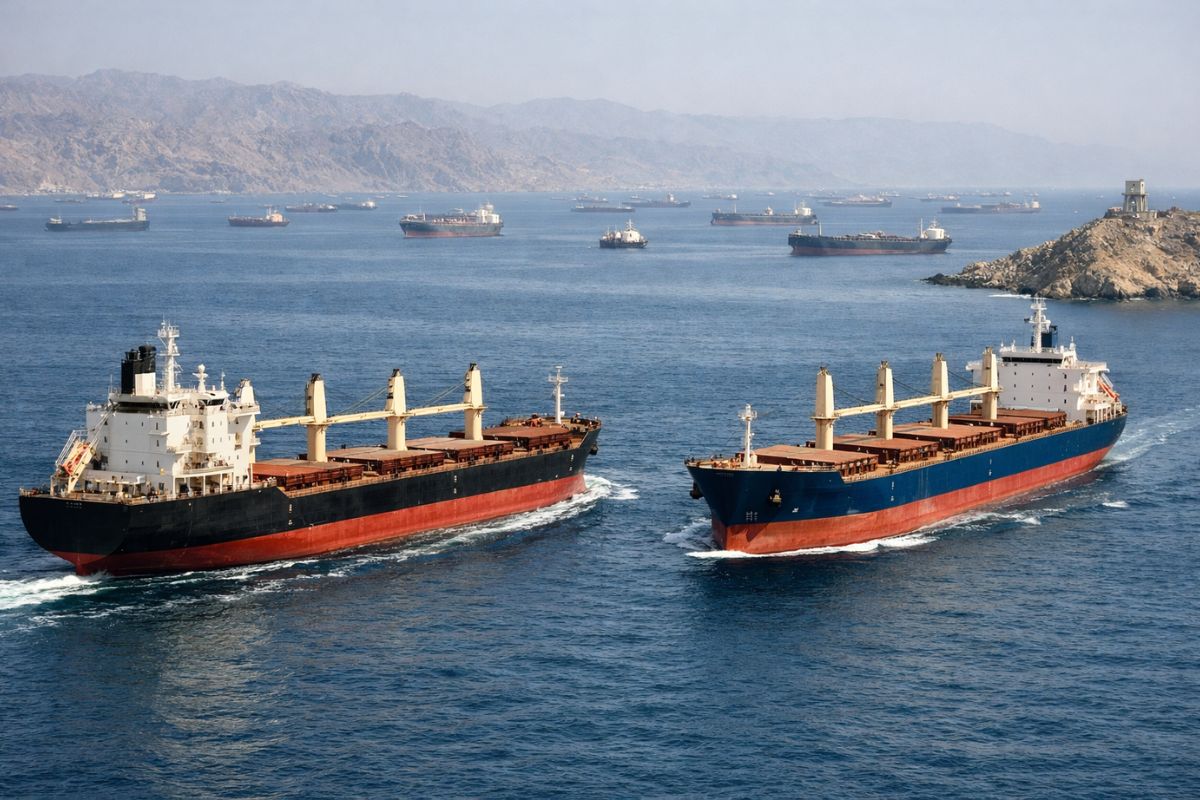
Navios resume transit through Hormuz after ceasefire between Iran, the USA, and Israel: two bulk carriers cross safely, but hundreds remain held in the Persian Gulf, in a strategic corridor through which 20% of the world’s oil passes.
-
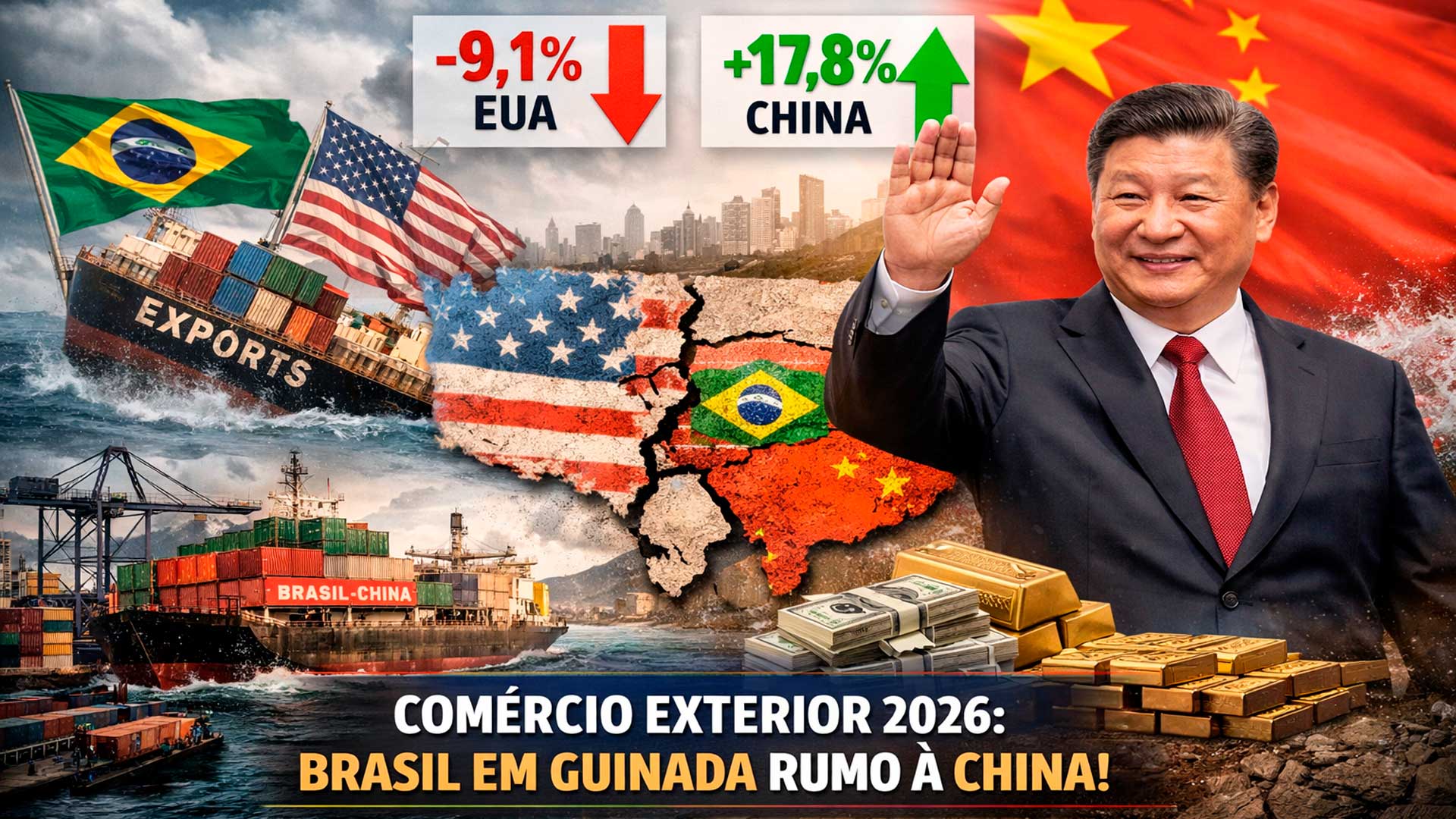
Brazil’s exports to the U.S. plunge for the eighth consecutive time, while China expands its leadership, and this is changing the landscape of foreign trade in 2026.
Fossil fuel distributors will need to acquire credits issued by biofuel plants, especially ethanol, to offset greenhouse gas emissions.
The recommendation was made shortly after the price of CBIOs had increased. “The measure is part of the current context of a state of emergency in Brazil due to the extraordinary and unpredictable rise in the prices of oil, fuels, and their derivatives, such as gasoline and diesel, and the social impacts resulting from it, recognized by the National Congress last Wednesday,” announced the RenovaBio Committee.
In June 2020, the credit was acquired for R$ 15, while in June of this year, it reached R$ 209, according to data from the Sugarcane Observatory, which includes numbers from B3. After the announcement of the possibility of changing the deadline, the price dropped to R$ 123 on Tuesday, the 19th.
According to sources from gasoline, diesel, and other fuels, when a CBIO exceeded R$ 200, the result in fuel prices for consumers was R$ 0.15 per liter. With the decrease, a reduction of R$ 0.07 is expected in the medium term for gasoline and diesel prices, which could reach R$ 0.10 if the value continues to fall.
Each CBIO is equivalent to one ton of carbon dioxide, and the Decarbonization Credit is a measure implemented by RenovaBio (National Biofuel Policy), aimed at fulfilling commitments made by Brazil at COP 21, the United Nations Climate Conference.
CBIO Distributors May Question the Recommendation Made by CNPE
If the delay in environmental targets, resulting in lower diesel and gasoline prices, excites fuel distribution companies, it may create discomfort for CBIO issuers. According to Evandro Gussi, president of Unica (Brazilian Sugarcane Industry Association), the main entity that gathers the certifiers, CBIO companies should express their opposition to the extension at CNPE.
For him, the measure needs to go through a public consultation. “We do not see legal support, legal backing. For us, it is clear that the fulfillment of these targets must be done annually. And we are talking about environmental targets. Postponing this does not seem appropriate to me,” he declared.
The increase in the price of CBIOs prompted the Ministry of Mines and Energy to request an investigation from Cade (Administrative Council for Economic Defense) regarding a “possible infringement of economic order in the negotiations of the asset.”
The president of Unica states that there are no irregularities and that the price follows the market pace, with fluctuations according to the free negotiation of CBIOs.








Seja o primeiro a reagir!