





 Portuguese
  English
  Spanish
 2 min of reading


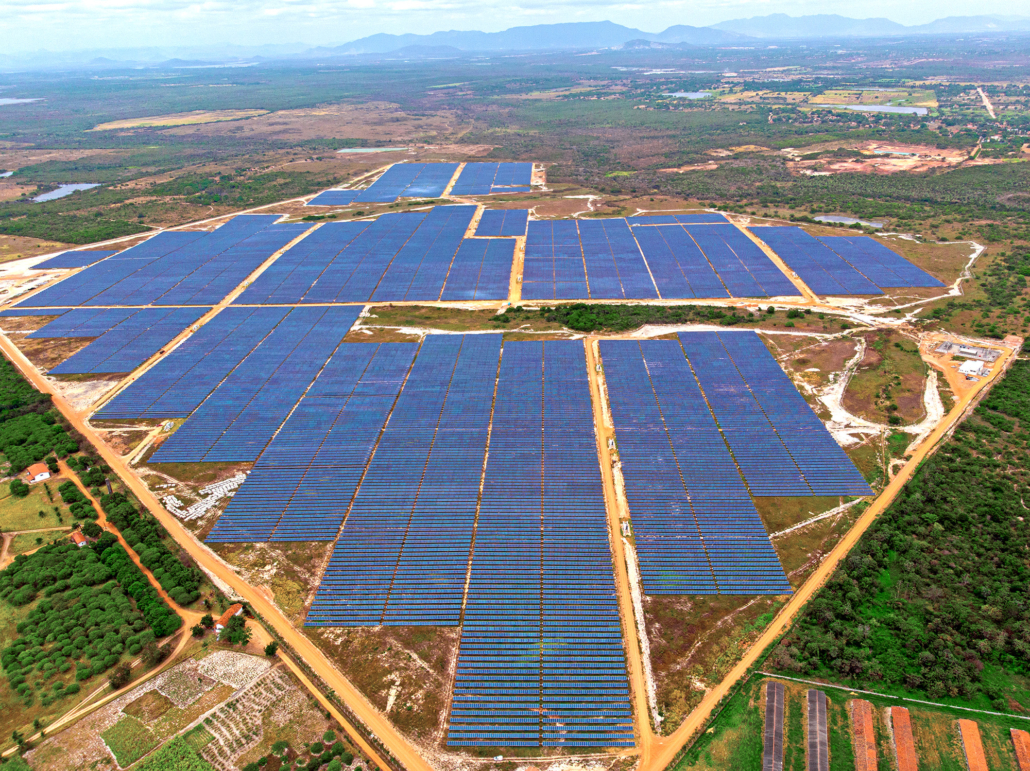
City Hall Requests Authorization to Reach Consensus with the Paraense Energy Company (Copel), on the Investment of the Caximba Solar and Biomass Plant S/A.
The bill for the solar and biomass plant has already been approved; both the city hall and Copel will establish a specifically intentional partnership, of closed capital and endowed with private legal personality, for the implementation and management of UFB Caximba, where the city’s landfill was already located, operational until 2010.
Read Also
According to the justification for the project for the solar plant sent to the City Council, the annual energy production will be around 18,600 MWh, which corresponds to about 10,000 households.
Solar and Biomass Plant Project by the City Hall of Curitiba with Copel is Based on Distributed Generation
According to the city hall and Copel, the project is based on the distributed generation model, in which the units sell the generated energy to the distribution grid and are compensated by the distributor with a credit for the use of the grid. According to the city hall, the energy to be produced by the solar and biomass plant should represent more than 45% of the consumption in municipal buildings.
-
Renewable energy advances over protected areas in Brazil, and a survey by the Energy Transition Observatory reveals silent impacts that challenge environmental conservation and pressure sensitive traditional territories.

-
Rio Grande do Sul accelerates energy transition: State invests in renewable technologies and consolidates decarbonization strategies and pathways to attract billions in new industrial investments.

-
With 160,000 m² of collectors, an area larger than 20 football fields, Silkeborg, in Denmark, hosts a solar thermal plant that heats 19,500 homes and could become the largest solar heating plant in the world.

-
A study reveals the expansion of renewable energy procurement in Brazil and shows how companies are taking advantage of opportunities to reduce expenses, ensure energy efficiency, and strengthen strategic environmental commitments.


Thus, there will be two different units. Copel is responsible for the biomass plant project, which will generate energy from the plant waste produced in the city.
And the municipality, with the support of the C40 Cities Climate Leadership Group (C40), will oversee the planning of the photovoltaic solar plant, which will take the shape of a pyramid and will be built on the compacted garbage mound of the old landfill. The design is said to be the idea of the mayor himself in collaboration with architect Guilherme Klock.










Seja o primeiro a reagir!