Portuguese
  Spanish


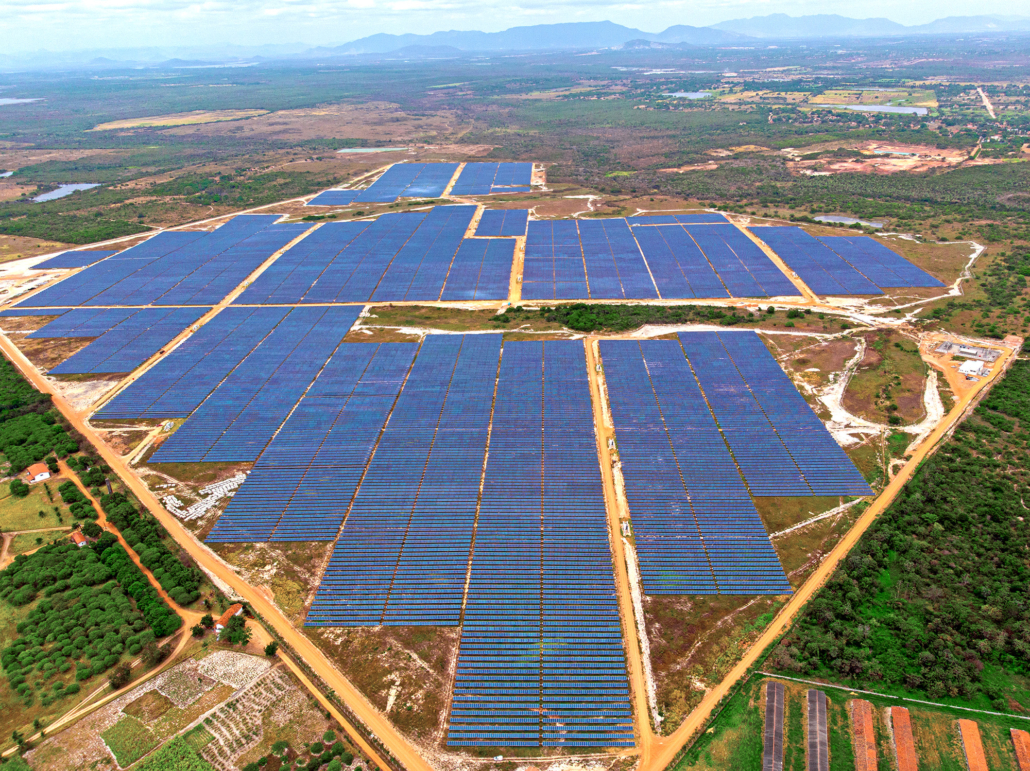

City Hall Requests Authorization to Reach Consensus with the Paraense Energy Company (Copel), on the Investment of the Caximba Solar and Biomass Plant S/A.
The bill for the solar and biomass plant has already been approved; both the city hall and Copel will establish a specifically intentional partnership, of closed capital and endowed with private legal personality, for the implementation and management of UFB Caximba, where the city’s landfill was already located, operational until 2010.
Read Also
According to the justification for the project for the solar plant sent to the City Council, the annual energy production will be around 18,600 MWh, which corresponds to about 10,000 households.
Solar and Biomass Plant Project by the City Hall of Curitiba with Copel is Based on Distributed Generation
According to the city hall and Copel, the project is based on the distributed generation model, in which the units sell the generated energy to the distribution grid and are compensated by the distributor with a credit for the use of the grid. According to the city hall, the energy to be produced by the solar and biomass plant should represent more than 45% of the consumption in municipal buildings.
-
Engie Secures 10-Year Use of 625 MWh in Batteries to Store Excess Solar and Wind Energy in Spain by 2028

-
Giant Batteries Take Center Stage in Chile Auction as Company Offers 960 GWh of Solar Energy for Nighttime Use, Aiming to Stabilize Solar Power Supply
-
After a Year of Success in Switzerland, Solar Railway Attracts Italy’s Interest for Clean Energy Transformation
-
Robots Clean Solar Panels in Desert Power Plants Without Water, Preventing Energy Losses




Thus, there will be two different units. Copel is responsible for the biomass plant project, which will generate energy from the plant waste produced in the city.
And the municipality, with the support of the C40 Cities Climate Leadership Group (C40), will oversee the planning of the photovoltaic solar plant, which will take the shape of a pyramid and will be built on the compacted garbage mound of the old landfill. The design is said to be the idea of the mayor himself in collaboration with architect Guilherme Klock.