





 Portuguese
  English
  Spanish
  3 min of reading



On Friday, July 1, the Indian Ministry of Agriculture announced that the country had a productivity of 27% less than in 2021 due to a lack of rain and June scarcity. Nevertheless, the productivity of sugarcane remained stable and at the same expected levels.
After a period of below-normal rainfall for India, commodity prices have risen again for paddy rice, quoted with a 27% increase over the last 52 weeks. With this in mind, the higher prices charged to consumers are likely to impact the Brazilian economy, causing inflation and a preference among farmers to sell the grain abroad, in order to receive payment in dollars.
So far, Indian farmers have planted only 4.3 million hectares, which is not enough to meet international grain demands. The rains this month would be crucial for rice planting and sector productivity. In order to recover the losses caused by scarcity, the amount of rain required in July will need to be higher.
“India Needs Three Good Rainy Periods,” Says Analyst


One of the traders living in the country, considered one of the largest rice exporters in the world, stated that regions such as West Bengal, Odisha, and Chhattisgarh, where crops are centralized, will need “three good rainy periods for GDP, Gross Domestic Product not to be harmed”.
-
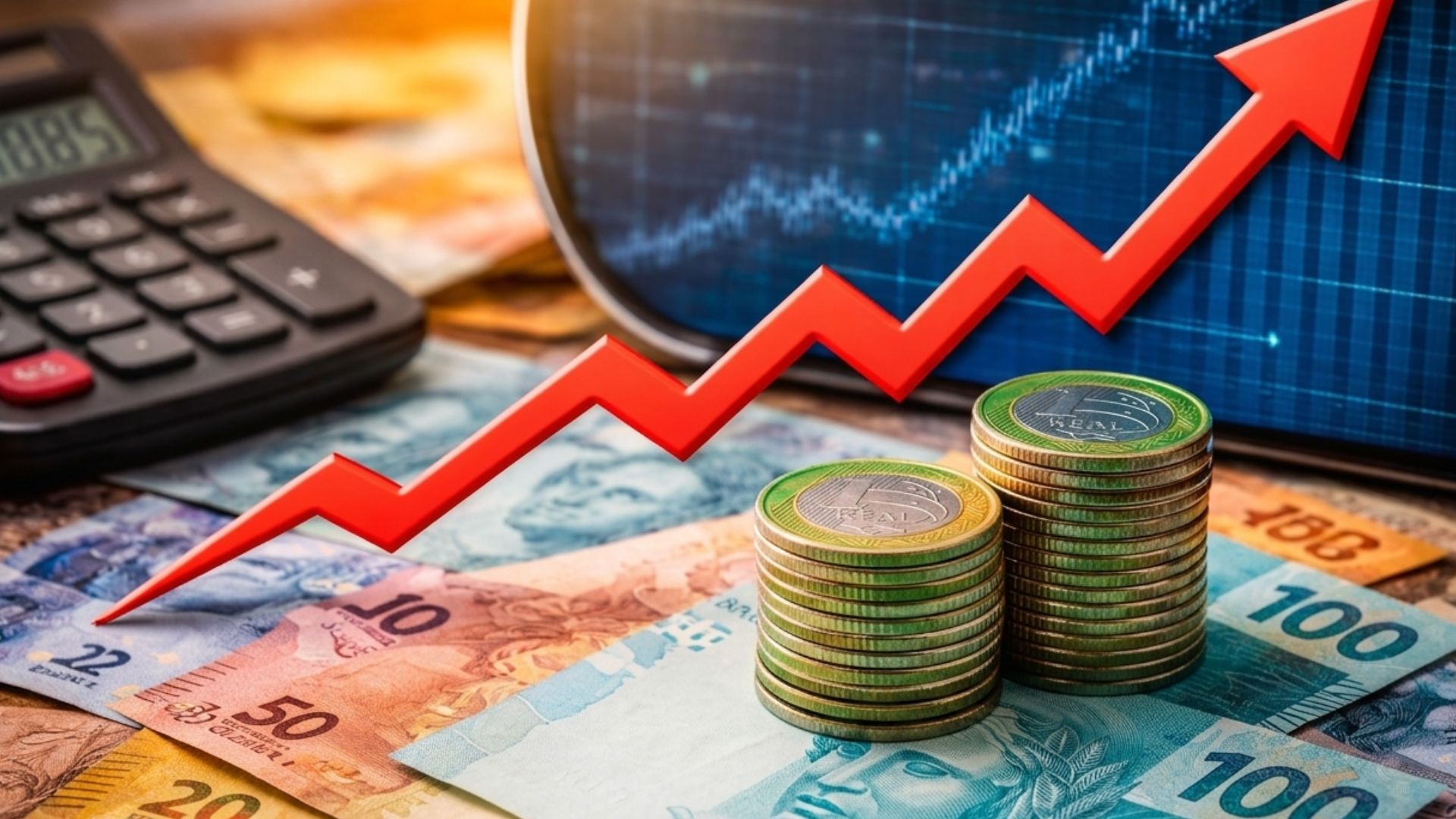
Inflation in March reaches 0.88% according to IBGE and pressures the Brazilian economy, impacting family budgets and requiring more strategic decisions to maintain financial control.
-
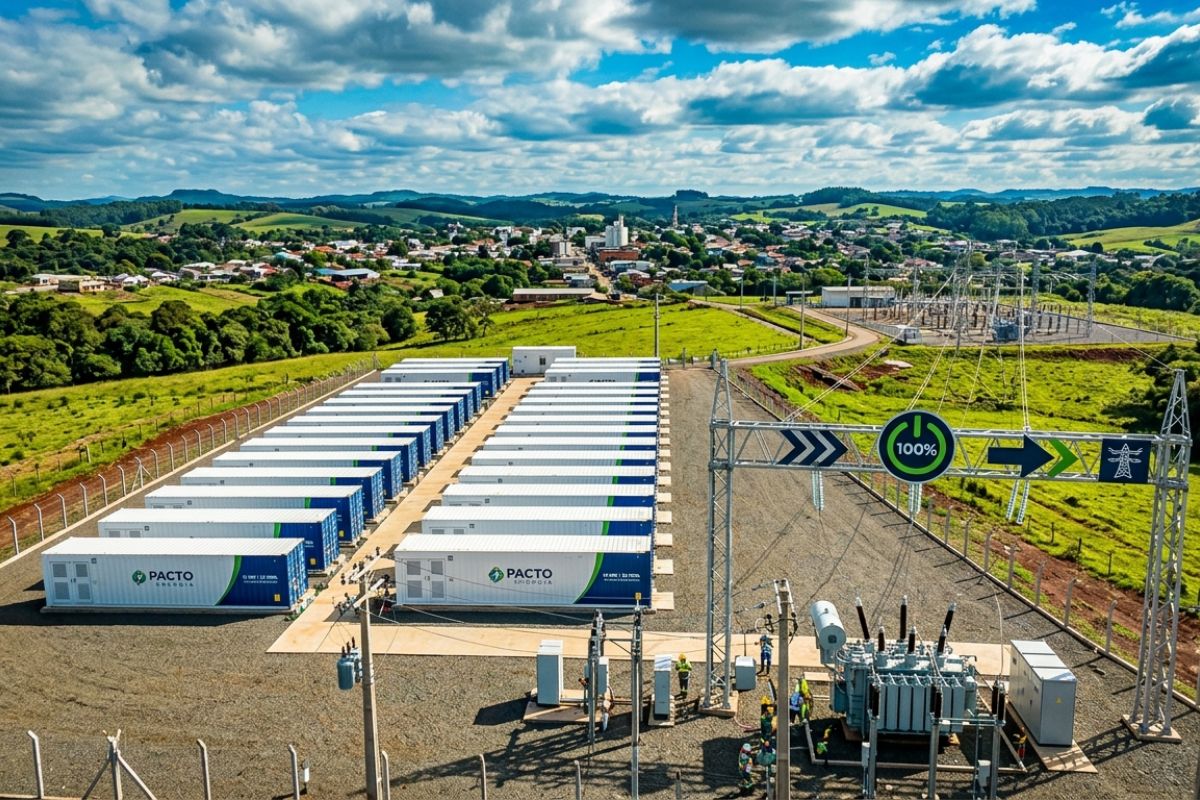
In Paraná, distributor Pacto connects 100% of the load in Coronel Vivida to batteries: a BES of 10 MW and 20 MWh costs just over R$ 30 million and lowers the local tariff now.
-
With a dependence of up to 80% on gas imported from the United States, Mexico is responding with a robust energy strategy, betting on shale gas, creating a scientific committee, and preparing to expand natural gas production to reduce vulnerability and strengthen its energy security in the coming years.

-
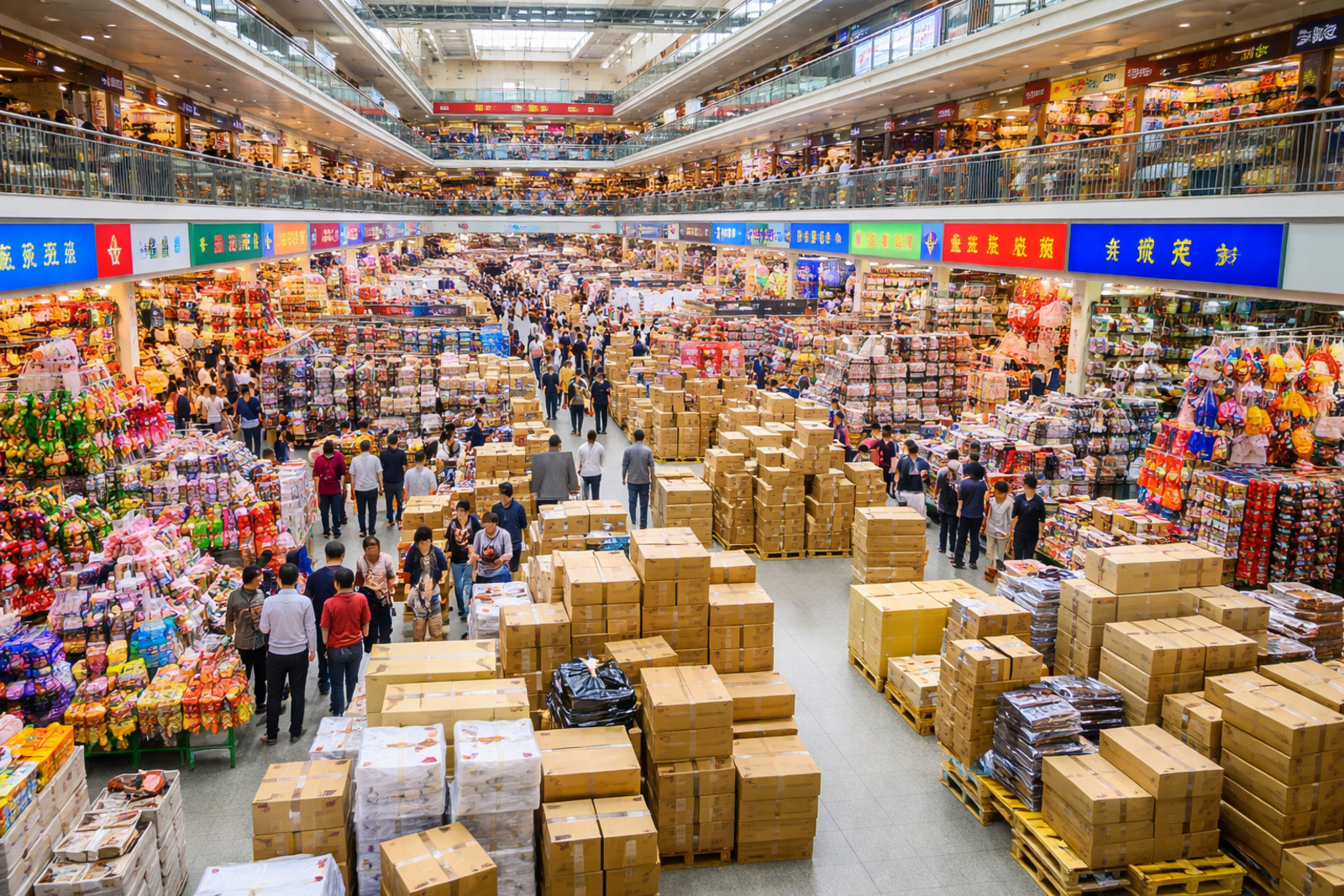
The United States proposes to Brazil a critical minerals agreement with a minimum price to combat Chinese dumping and priority for investment, but the Planalto is blocking the signing out of fear of upsetting China and due to electoral calculations in a year of competition.

The Indian State predicts that if there is low productivity this year, as a way to strengthen internal prices and ensure that the population will not suffer from financial increases in food, they will create sanctions and blockages for exports. This should have also been the attitude taken by the Brazilian government during the pandemic, however, with export restrictions, farmers and large exporters sent products abroad, causing the national population to have to pay more due to stock shortages.
The Ministry of Finance announced, however, that the total area planted with cotton in the country reached 6.4 million hectares, higher than the same period in 2021, when it reached 6.2 billion. The planting of sugarcane, meanwhile, did not grow: it remained stable and stagnated as it is more resistant to lack of water and temperature variations.
Rice Has a Global Increase of 27% and Brazilians Pay High with Dollar at R$ 5.33: In Two Years, Rice Price Hike Has Caused Prices to Soar More Than 100%, 3 Times the International Scale
Even with the Selic rate remaining at 13.7%, the dollar is quoted at R$ 5.33 and may flirt with R$ 6 by the end of the year. With this in mind, Brazilians have to pay even higher prices for rice, which has a global increase of 27%. The average prices charged for 5kg of this food in 2020 were R$ 9, now it is R$ 20, an increase that is higher than 100%, three times the international increase.
It is not only the prices of commodities that impact the market, but also the country’s inflation. Stocks also influence, as a lack of products and high demand cause prices to inflate. Due to a scenario of low productivity, countries tend to restrict their exports to ensure internal stocks and stable prices, as was suggested by the Indian government on Friday, July 1, which reduces stock quantity and increases demand.








Seja o primeiro a reagir!