





 Portuguese
  English
  Spanish
 3 min of reading


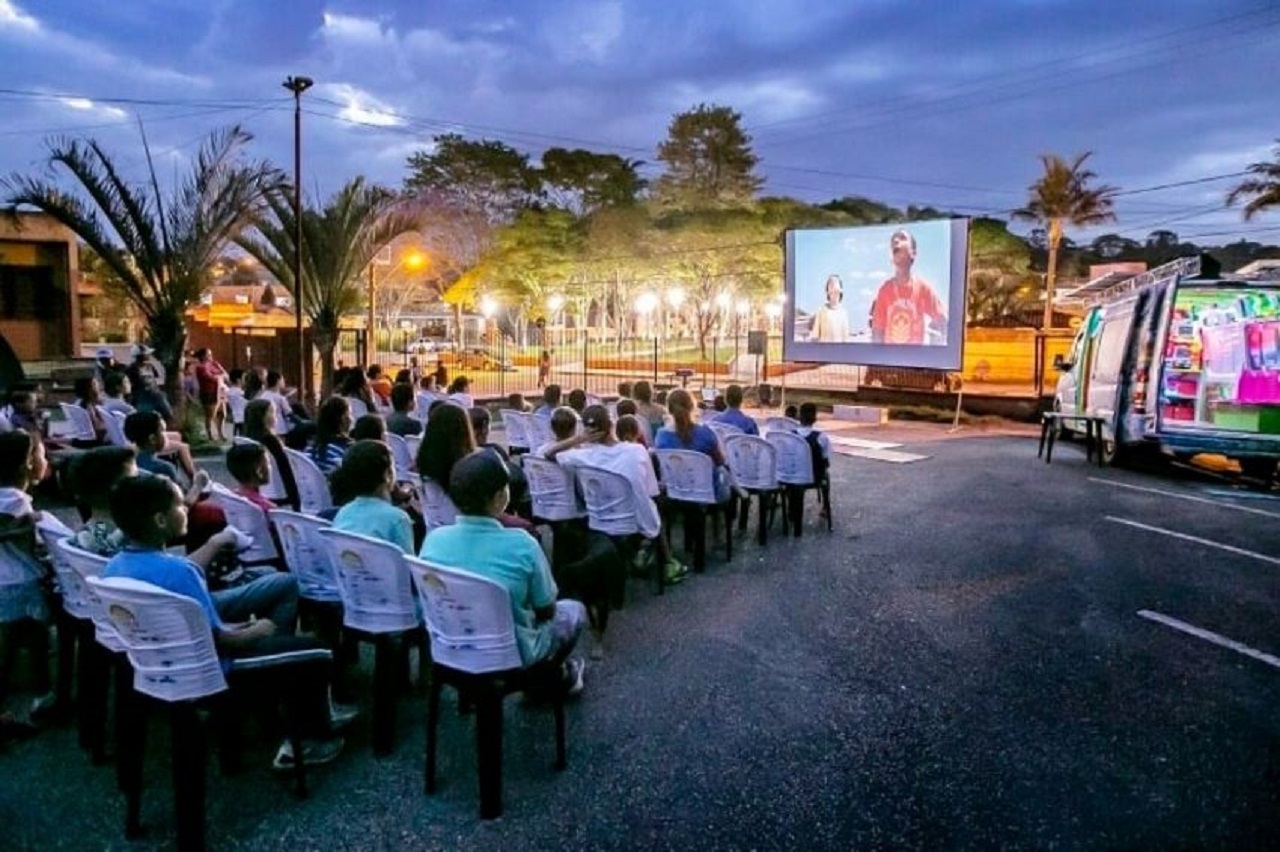
The Cinesolar Has Arrived in SP. The Solar-Powered Cinema Was Present in Monte Alegre do Sul Offering Free Movies Like “Mowgli, The Wolf Boy” and “The Stone Werewolf of Fire”
The Cinesolar, a project that screens movies using solar energy, provided free sessions in Monte Alegre do Sul (SP) last Saturday (5). The screenings took place at Praça Bom Jesus starting at 7 PM. The first feature film shown by the solar-powered cinema was “The Stone Werewolf of Fire,” which was actually produced in the municipality itself in SP. The public also enjoyed the film “Mowgli, The Wolf Boy,” with completely free admission. In addition to offering films using solar energy, the project brings cinema to more remote communities with less access to culture.
Read Other Related News
In Addition to SP, Solar-Powered Cinema Has Arrived in Paraíba
Due to the restrictions imposed by the pandemic, the sessions in SP adhered to all sanitary prescriptions against Covid-19, offering hand sanitizer for hygiene, mandatory mask-wearing throughout the film screenings, and social distancing between chairs.
In total, the solar-powered cinema system consists of 6 photovoltaic panels from Canadian Solar, each 230 W, in addition to 1 inverter of 12 V from Xantrex and 2 charge controllers.
-
Chinese company creates solar cell that breaks the physical limit of silicon with 34.85% efficiency and promises to revolutionize electricity bills with panels that generate 20% more energy starting in 2026.

-
How green infrastructure and renewable energy at the World Cup transform the logistics of the largest sporting event on the planet in North America.

-
The Cagece and UFC project advances in sustainable innovation with biogas by converting waste into renewable energy, reducing environmental impacts, and increasing sanitation efficiency with concrete and measurable results.

-
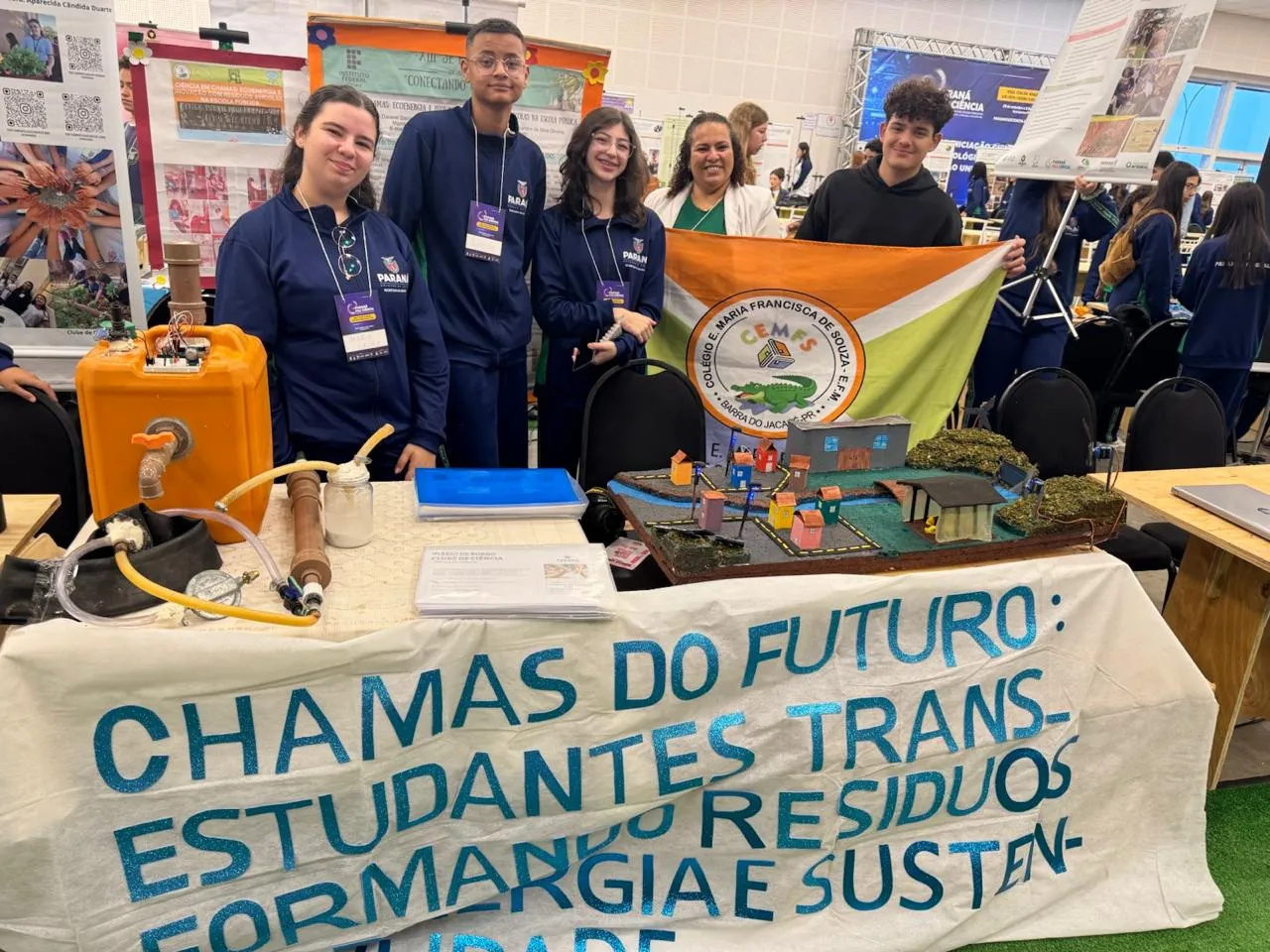
Paranaense students develop a system that transforms farm waste into clean energy and revolutionizes sustainable agribusiness.
The equipment also includes 6 batteries of 240 Ah, capable of storing up to 20 kWh, which provides autonomy of 20 hours for the solar-powered cinema, which has an average power of 1kW. In addition to SP, last month the project also reached Paraíba, with activities conducted in Campina Grande and João Pessoa. The project screened films like “Rio,” “Mowgli, The Wolf Boy,” and Brazilian short films.
Learn How the Solar-Powered Cinema Works
The solar-powered cinema has two vans equipped with solar panels and an energy conversion system. Inside the vehicles, essential materials such as chairs for the audience, sound systems, projectors, among others, are also taken.
After the removal of these equipment, the location becomes a classroom with a permanent exhibition on technology and sciences. In honor of the country’s indigenous peoples, the first Cinesolar unit was named Tupí, and the second unit was named Mahura, which carries stories of ancestors from Africa. In total, the initiative has reached nearly 200,000 people.
About Cinesolar
As mentioned earlier, the focus of the solar-powered cinema is to bring culture to more remote communities that face difficulties accessing cultural facilities. Additionally, the project also introduced the Solar Film Workshop, a video workshop focused on young people and children about sustainability, where a film was produced and screened during the cinema session.
In total, the solar-powered cinema has already conducted more than a thousand sessions spread across over 440 cities in the country, in various regions, including short films with a socio-environmental focus and feature films. In total, more than 300 workshops have been held, providing basic techniques and the elements that compose cinematic language.









Seja o primeiro a reagir!