





 Portuguese
  English
  Spanish
  3 min of reading


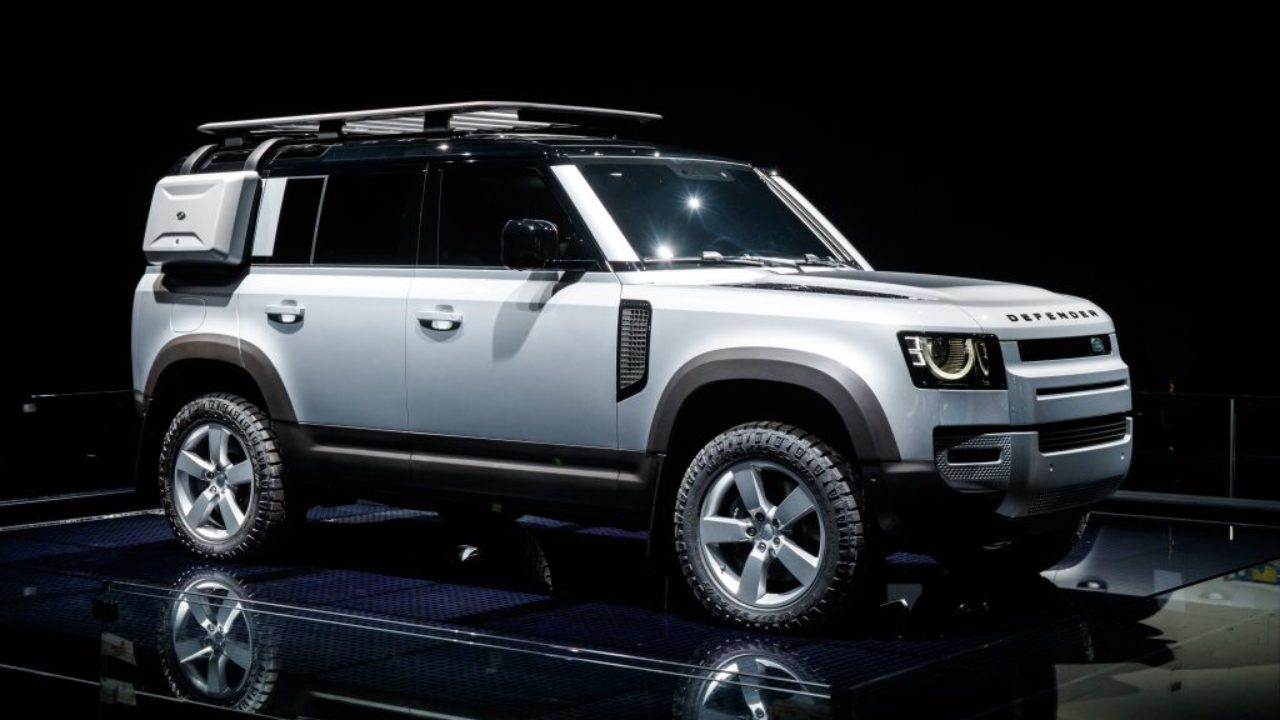
In 2021, Jaguar Land Rover (JLR) had already announced its intention to explore the possibility of using electric drivetrains for its heavier vehicles, with energy produced onboard from hydrogen fuel cells. Currently, the company has advanced with the hydrogen-powered electric Land Rover Defender, being the first model in the group to utilize this technology, developed in collaboration with project partner companies.
The innovation opens up the opportunity to manufacture a sustainable and self-recharging car (hydrogen-powered electric Land Rover Defender). Thus, electric vehicles do not necessarily store the energy required to operate in battery packs; rather, this process is done differently to power the motors. In this sense, JLR has begun testing this alternative, producing electricity onboard through hydrogen fuel cells, storing it in a small battery, which has between 5% to 10% of the capacity that would be necessary if relying solely on accumulators, since fuel cell vehicles require some time to start converting hydrogen into electrical energy.
New JLR Project Offers Hydrogen-Powered Car Possibility
The JLR project has been internally dubbed Zeus and was developed by the group in collaboration with AVL, Marello, and Delta Cosworth. The fuel cell generates 90kW, equivalent to about 122 hp, and is installed at the front of the vehicle, with the Defender featuring two electric motors, one for each axle, boasting 200 hp in each unit. Additionally, the car is equipped with a battery that ensures cold starts, as well as during full acceleration, to help achieve 400 Nm of torque. Moreover, it also offers a capacity of 16.7 kWh, which is housed under the platform, between the front and rear seats.
So far, the group has reported that it is developing a platform for battery vehicles that can easily be converted for fuel cell electric models. In other words, it will be possible to refuel the car with hydrogen. Although many analysts believe that generating electricity from hydrogen is less efficient, it will still be a good alternative for heavy vehicles, such as the Defender. This is because they require long range, even in challenging terrain conditions. With the fuel cell, the Defender avoids carrying between 800 and 1000 kg of batteries, in the case that the pack has a capacity between 120 kWh and 150 kWh. However, at first, it will only be able to operate in one country, specifically in regions with networks of green hydrogen refueling stations, with a purity level close to 100%.
-
Less than a Tera TSI, up to 710 km of range and charging in 9 minutes: the new BYD Song Ultra expands the Chinese brand’s bet on increasingly faster, more technological, and competitively priced electric SUVs.

-
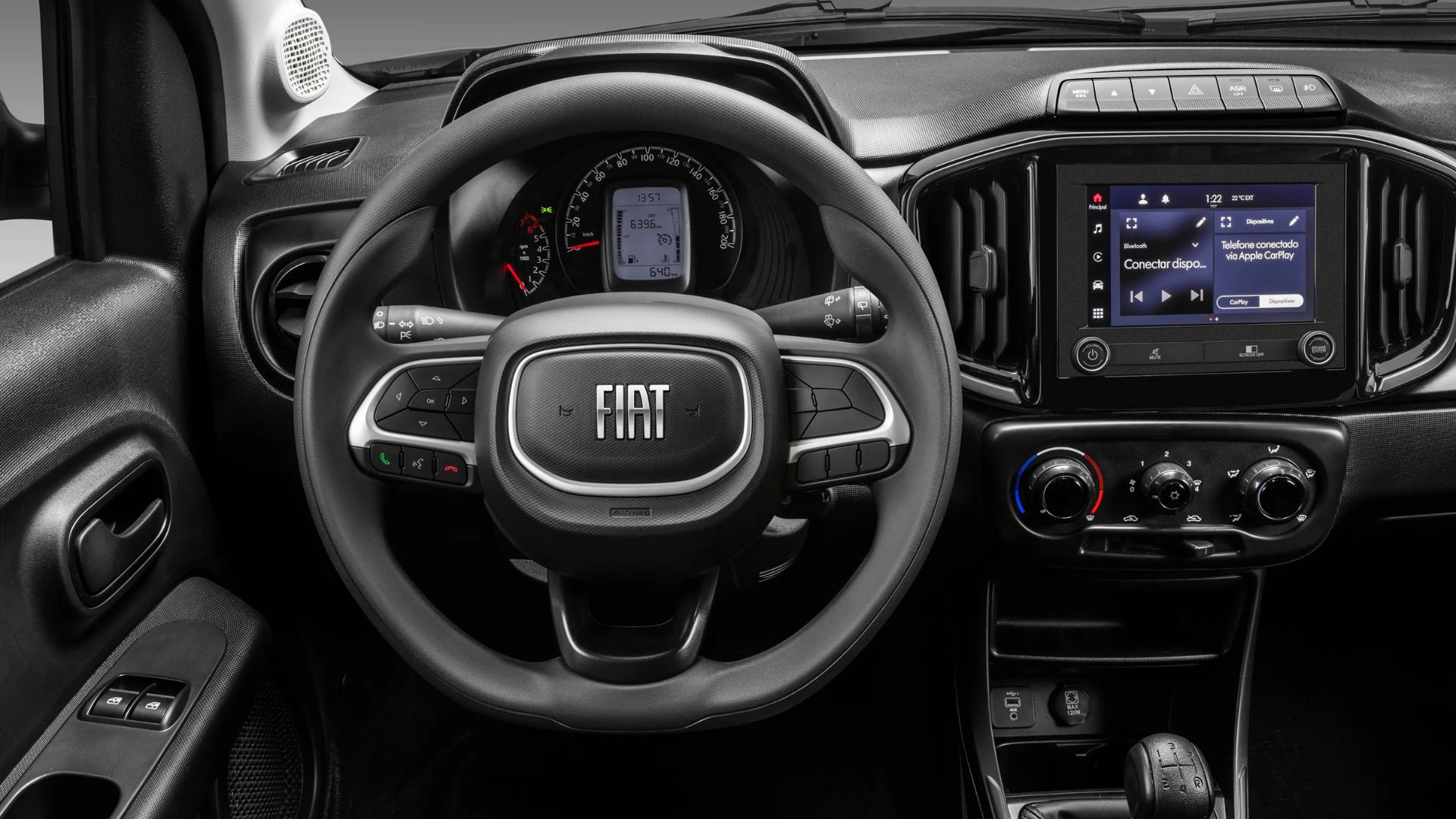
With a 1.0 engine producing 75 hp and costing less than R$ 70,000, Fiat’s car returns to the podium as the cheapest in the country; a temporary promotion for the 2026 Like version reduces the price of the Fiat Mobi.
-
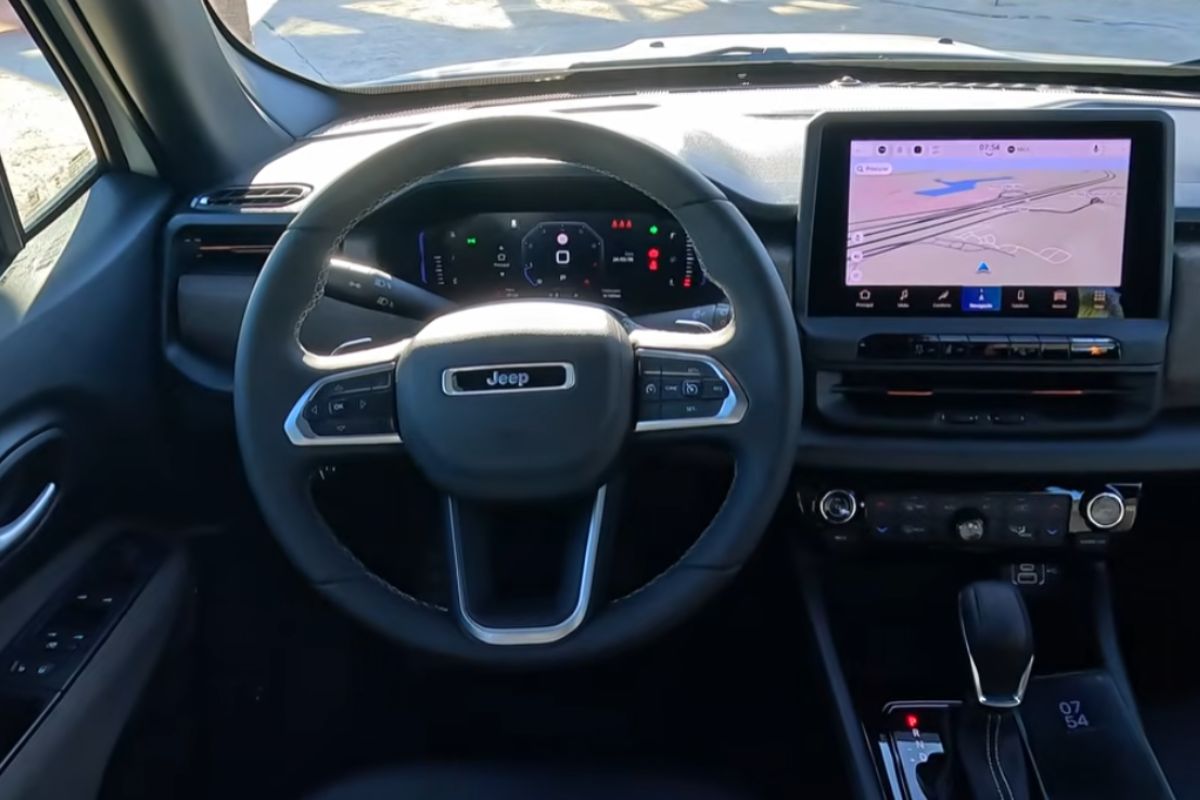
With a mild hybrid system of 48 V, 176 hp and a price of R$ 175,990 in the Sahara version, the new Jeep Renegade changes mostly on the inside, improves slightly in fuel consumption, and remains almost the same car.
-
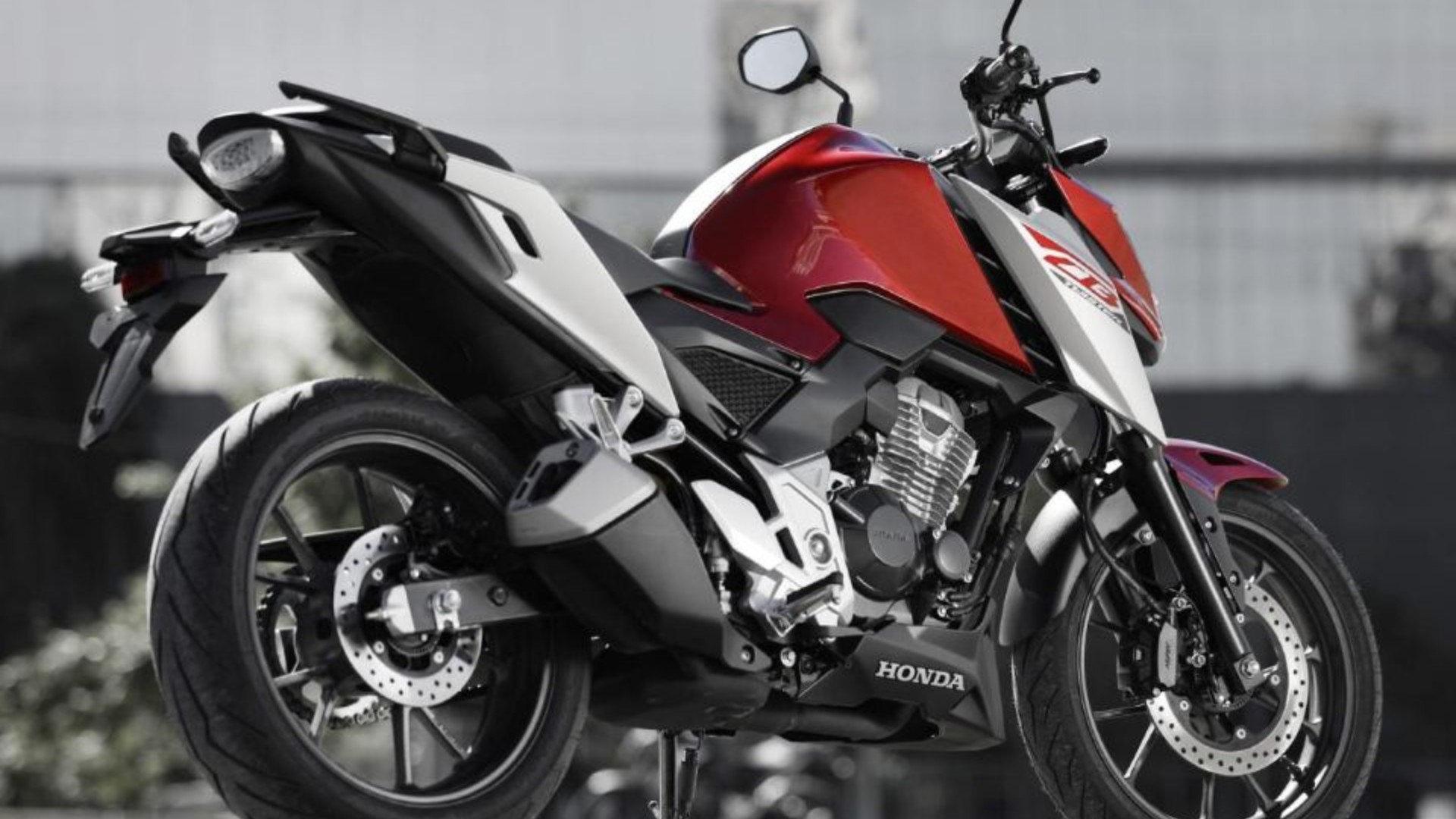
With a 293.5 cm³ engine and a range of up to 400 km with a 14.1-liter tank, the Honda CB 300F Twister 2026 has up to 24.7 hp, an initial price of R$ 25,150, and already exceeds R$ 29,000 in the Fipe Table.

How Do Fuel Cells Work?
The fuel cell, known as Fuel Cells, is a technology that uses hydrogen and oxygen to generate electricity with high efficiency, as well as hot water vapor, resulting from the chemical process in the fuel cell. In short, the importance of fuel cells lies in their high efficiency and the absence of pollutant emissions when using pure hydrogen, making it quite silent.
Thus, the hydrogen, which is its main fuel, can be obtained from various renewable sources, as well as fossil resources, which have a greater environmental impact. Today, the industry believes that fuel cells are a near-term solution for energy generation at the point of consumption, which may include homes, industries, and commercial centers. On the other hand, it will also be possible to use them in cars, motorcycles, airplanes, buses, and even portable devices like laptops and smartphones.








-

Uma pessoa reagiu a isso.