





 Portuguese
  English
  Spanish
  5 min of reading
  137 comments


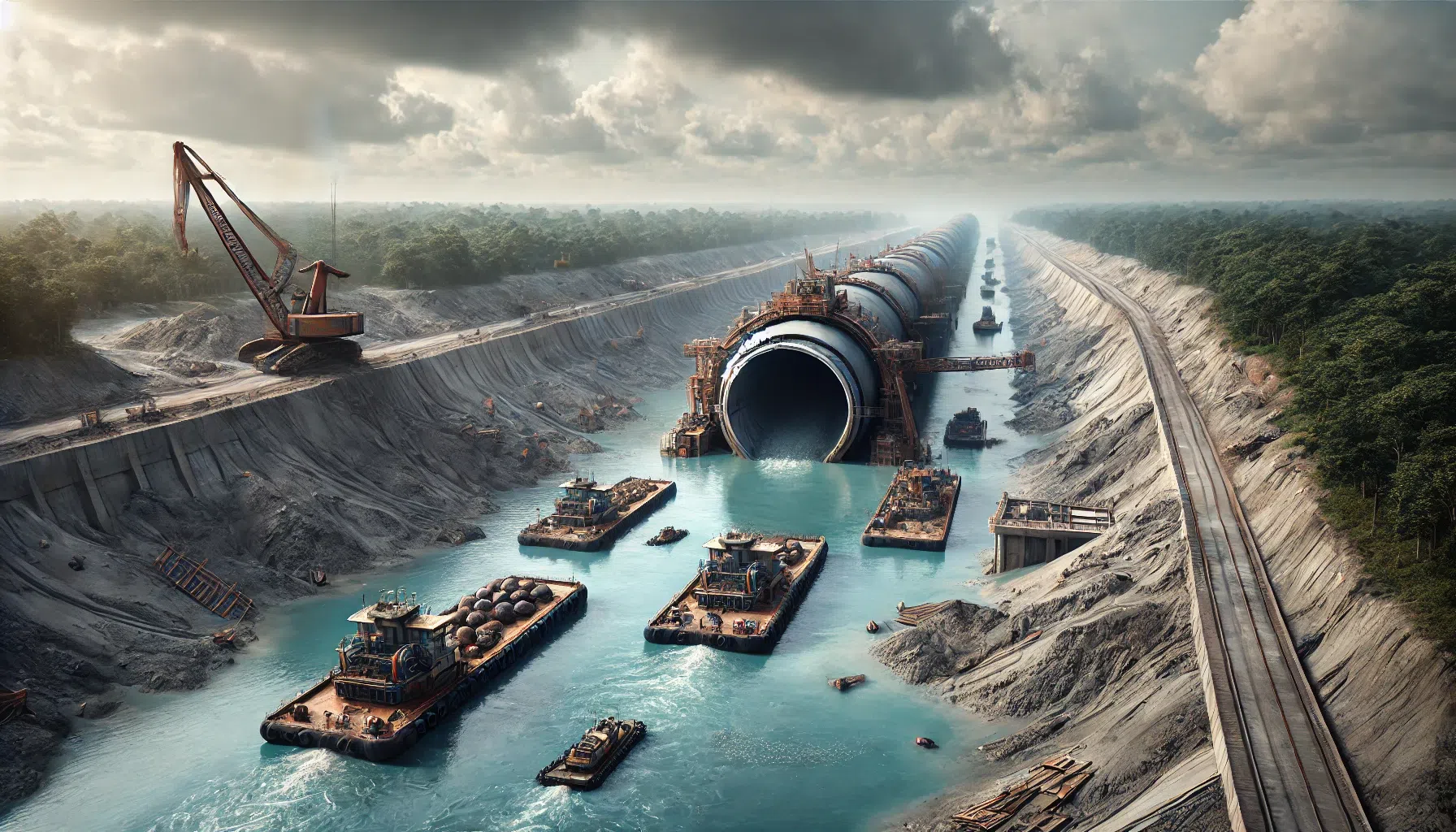


The First Submerged Tunnel in Brazil Promises More Mobility for the Region, but Brings Severe Environmental Impacts. With the Deforestation of Mangroves and Protected Areas of the Atlantic Forest, the Project Threatens Marine Life and Compromises Air and Water Quality, Worrying Experts and Local Residents.
The project for the first submerged tunnel in Brazil, designed to connect the cities of Santos and Guarujá, sparks much curiosity and hope for improving local mobility.
But behind this major infrastructure project, which promises to be a solution for traffic in the region, there is an environmental and social price that worries experts and residents.
The impacts range from the deforestation of protected areas of the Atlantic Forest to the risk of contamination of coastal waters, threatening marine life and even tourism.
-
Elon Musk’s Starship megafrocket puts $8 billion at risk, raises alarms in the market, and could affect technology, mining, and space internet startups in the coming years.

-
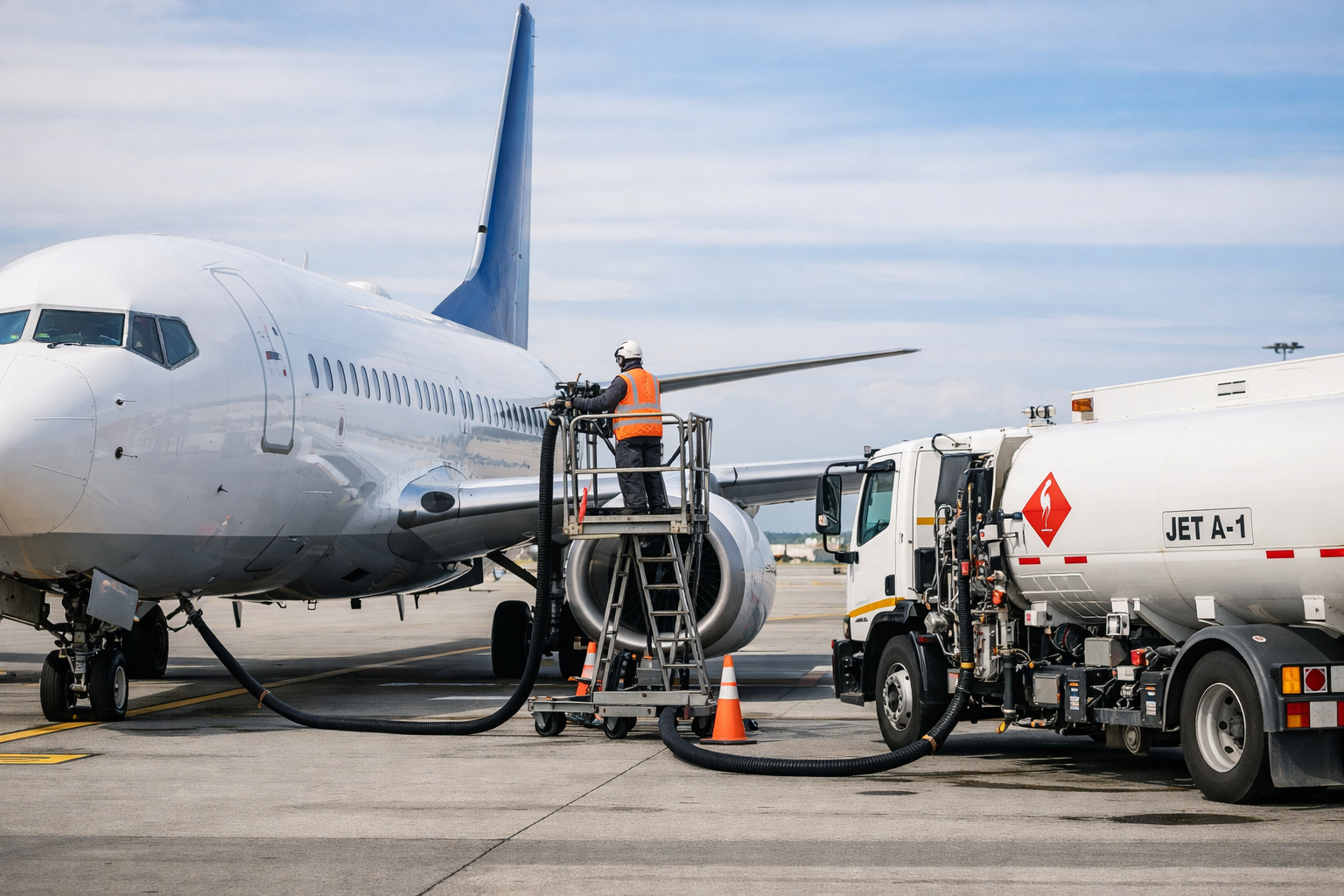
Airfare prices may rise with increasing fuel costs, and the government is considering urgent measures to avoid a direct impact on the wallets of Brazilians.
-
Chocolate prices soar nearly 15% and become a luxury item for Easter 2026, with increases surpassing inflation and changes in Brazilian consumption habits.

-
Created by George Lucas with over $1 billion, a futuristic museum in the shape of a spaceship with 1,500 curved panels is about to open in Los Angeles and will house one of the largest private collections of narrative art in the world.

Environmental Impact and Deforestation
As detailed in the Environmental Impact Report (Rima) prepared by the Foundation Institute of Economic Research (FIPE) at the request of the State Government, the construction of the tunnel anticipates the deforestation of 105,000 square meters of Atlantic Forest, including mangroves and resting vegetation in different stages of preservation.
This number is equivalent to approximately ten football fields and includes 44,000 square meters of mangrove, which will be filled in, including areas within the Environmental Protection Area (APA) of Serra de Santo Amaro.
At this site, it will be necessary to deforest 3,640 square meters of mangrove, which worries environmentalists due to the importance of these ecosystems for biodiversity and coastal protection.
The Diário do Litoral highlights that, in addition to the removal of native vegetation, the work may affect the feeding of green turtles (Chelonia mydas), particularly the young animals that depend on the availability of algae.
The risk increases as the project progresses and may harm the sustainability of various marine species in the region.
Risk to Marine Life
In addition to the impact on vegetation, the work will bring serious implications for marine fauna.
According to FIPE, the construction will increase water turbidity in the Estuary due to dredging the seabed, which will suspend contaminated sediments, including heavy metals discharged by industries in Cubatão over decades.
This movement puts at risk the bathing quality of the beaches in Santos and the health of the animals that inhabit the region.
The increase in turbidity, according to the Diário do Litoral, also raises the risk of collisions of dolphins, porpoises, and whales with boats, as reduced visibility makes safe navigation difficult for these animals.
For tourists and local residents, the project presents an indirect threat to ecotourism, as contact with marine life and environmental preservation are attractions of the region.
Tunnel and the Problems of Pollution and Dust
Another point of concern highlighted in the Rima is the levels of air and water pollution that may increase with construction.
The document explains that the work will generate a significant amount of suspended dust due to excavations, demolitions, and transportation of materials.
In addition, the use of asphalt and chemical mixtures for paving access roads will increase the emission of nitrogen dioxide (NO2) and sulfur dioxide (SO2), pollutants that directly affect air quality in Santos and Guarujá.
The Diário do Litoral points out that noise and vibrations from the machines may be felt in the vicinity of the construction site, impacting the tranquility and quality of life of residents in nearby neighborhoods.
FIPE also warns that these noises can cause settlement in adjacent properties, leading to structural damages and concerns for the local population.
Contamination of the Aquifer
FIPE warns of the risk of contamination of the region’s aquifer, a problem that may have long-term effects on the environment and public health.
According to the report, the sediments removed during the dredging process and installation of the concrete tunnel modules contain heavy materials that may penetrate the soil and compromise the quality of the groundwater.
The possibility of aquifer contamination is an aspect that CETESB, the agency responsible for environmental licensing, will have to monitor rigorously throughout the construction.
According to the Diário do Litoral, this risk is a matter of concern not only for environmental protection agencies but also for the population that uses groundwater for domestic consumption.
Interruption of Port Activities
During the construction phases, traffic in the Estuary Canal will be partially restricted.
The tunnel project includes the installation of cellular modules and backfilling to ensure the safety of the structure.
However, this temporary interruption may affect port logistics, requiring cargo to be redirected to other ports in Southeast and South Brazil.
According to the Diário do Litoral, this redistribution may generate extra costs for companies and interfere with the working routine of the port of Santos, one of the busiest in the country.
Future of the Work and Ongoing Analyses
The Environmental Impact Report prepared by FIPE brings together nine specialists, including engineers, biologists, sociologists, and geologists.
The document is under analysis by CETESB, which conducts public consultations and receives contributions to assess the environmental conditions of the work.
In a statement, the State Secretariat for Partnerships in Investments stated that “the environmental impact studies related to the Santos-Guarujá Tunnel are being analyzed by CETESB within the scope of public consultation, based on contributions received in hearings and recent updates to the project”.
In light of the controversies and environmental concerns, the Santos-Guarujá tunnel raises the question: to what extent is it worth sacrificing natural resources and compromising marine life and public health to ensure improvements in infrastructure?
What other alternatives could meet the region’s mobility needs without compromising the ecosystem?





Quem quer apostar q esses previstos 6 bilhões vão virar um gasto de uns 20 bilhões?
Interessante o comentário aqui feito!!! Pelo visto, na opinião de fez o relatório o projeto só tem pontos negativos. Acorda, caramba!! Não estamos mais na idade da pedra. E os benefícios gerados pelo projeto? Porque são omitidos?? Opinião de quem enxerga com um olho só, mesmo assim míope.
Absurdo pensar em desmatamento. Meu Deus o ar está denso e querem desmatamento nossas florestas. Estamos vivendo um caos no planeta. Quem pode pensar em destruir florestas, sendo que se faz necessários cuidar do nosso planeta. Esta tudo desordenado só Deus para ter piedade de nós. Acordem desmatamento e destruir já deu, parem com essa história.