





 Portuguese
  English
  Spanish
  3 min of reading
  0 comments


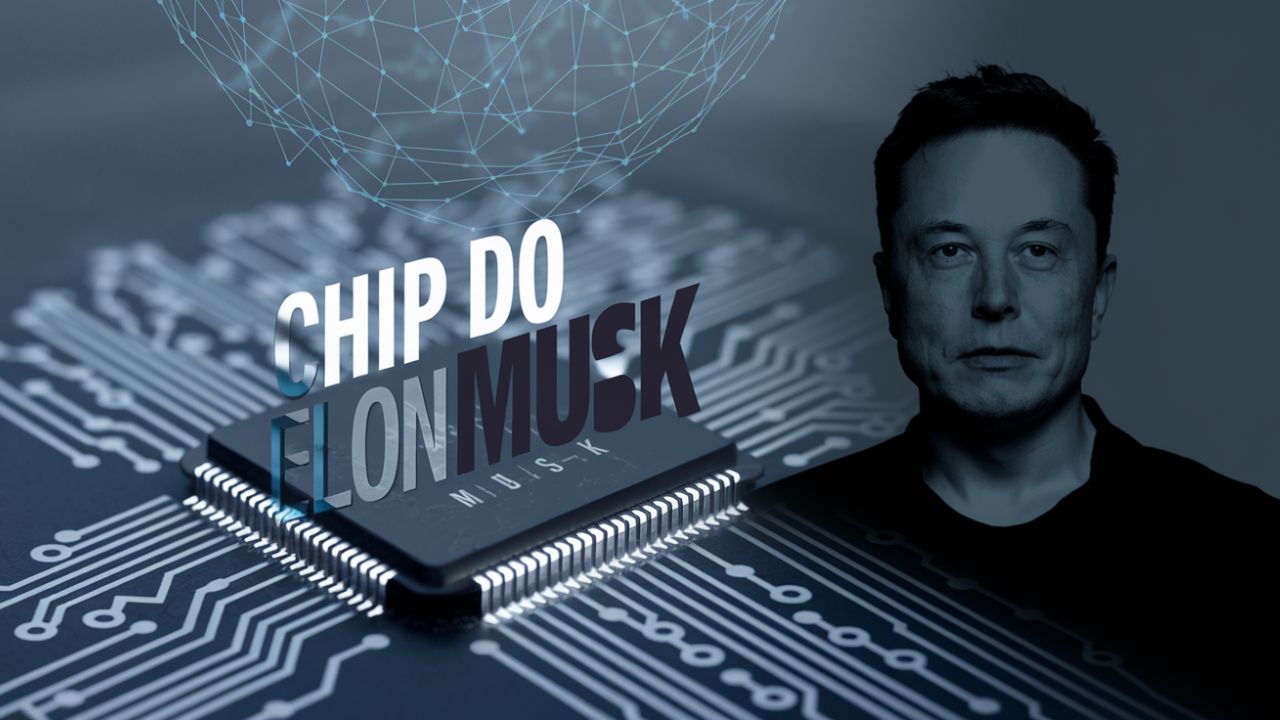
Neuralink Implant in Quadriplegic Patient Allows Cursor Movement Just With Thought. Unique Test Reveals Promising Advance in Neurotechnology, Despite Technical Challenges.
In one of the greatest promises of modern neurotechnology, Neuralink, a company founded by Elon Musk, announced that a quadriplegic patient was able to control a computer just with thought, thanks to a brain chip implanted directly in the brain. The experience was officially announced in March 2025 and represents the first successful public demonstration of the project that started in 2016.
According to O Antagonista and confirmed by the British newspaper The Guardian, the patient is named Noland Arbaugh, is 30 years old, and became quadriplegic after a diving accident in 2016. He was the first human volunteer to receive the N1 chip from Neuralink during a procedure performed in January of this year. Since then, he has used the technology to play chess, browse the internet, and even play video games.
How Does the Neuralink Brain Chip Work?

The N1 chip is a wireless implant, containing about 1,000 ultra-thin electrodes capable of reading and interpreting neural signals emitted by the brain’s movement intentions. These signals are then converted into commands to move a computer cursor. According to Neuralink itself, the initial goal is to allow people with severe paralysis to interact with the digital environment without relying on physical peripherals.
-
INMET danger alert: heavy rains between the 3rd and 4th may drop up to 100 mm/day and winds of 60 to 100 km/h in several regions of Brazil require extra caution.

-
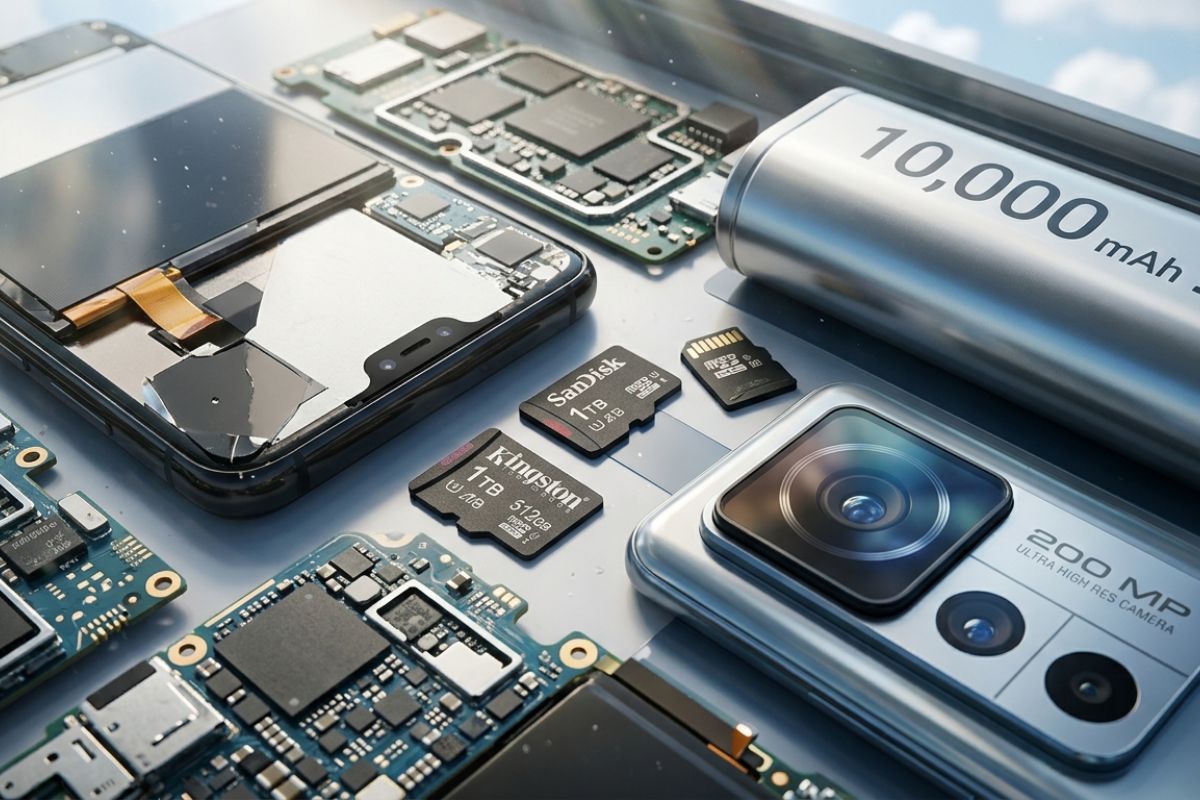
The parts crisis may bring back the drop notch and microSD in 2026; while Windows 11 promises to become lighter, leaks mention batteries of up to 10,000 mAh and 200 MP cameras.
-
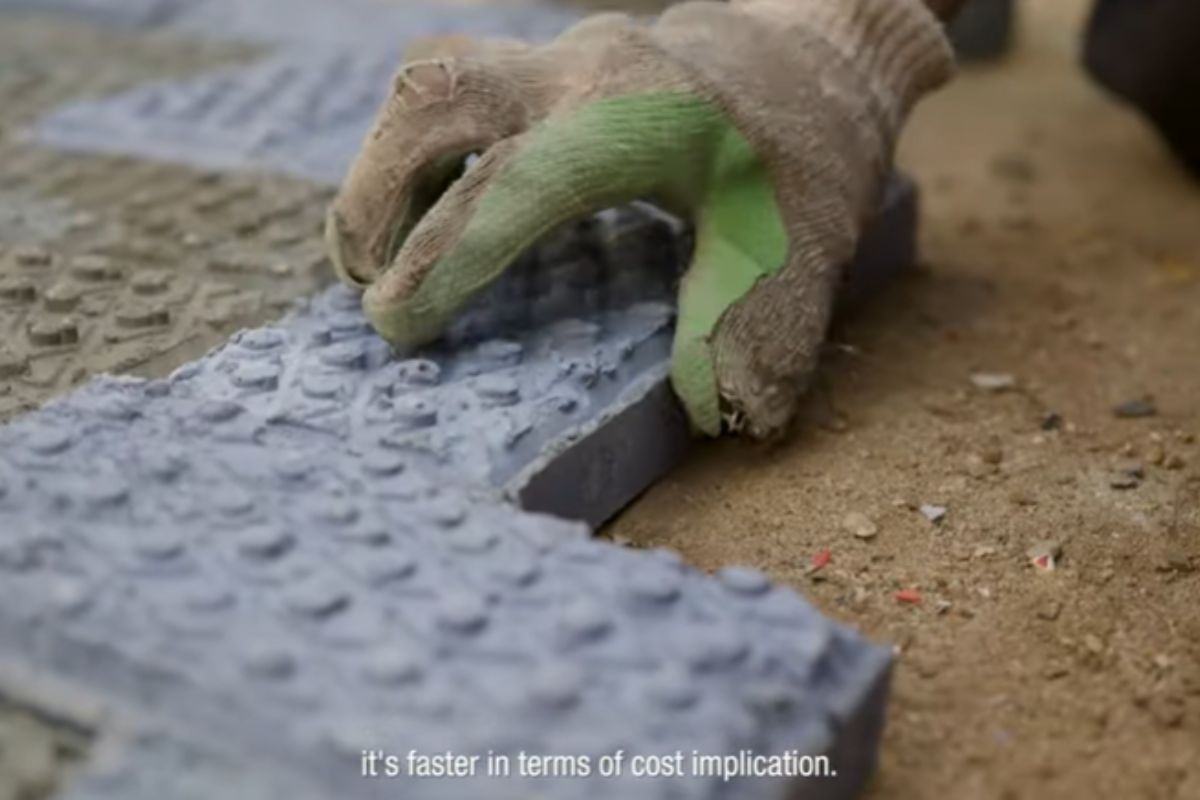
In Kenya, engineer Nzambi Matee created “bricks 2.0” using packaging plastic: a mixture with sand, heated and pressed; they are 5 times more resistant, already have official licensing, and are being used in streets and construction projects.
-
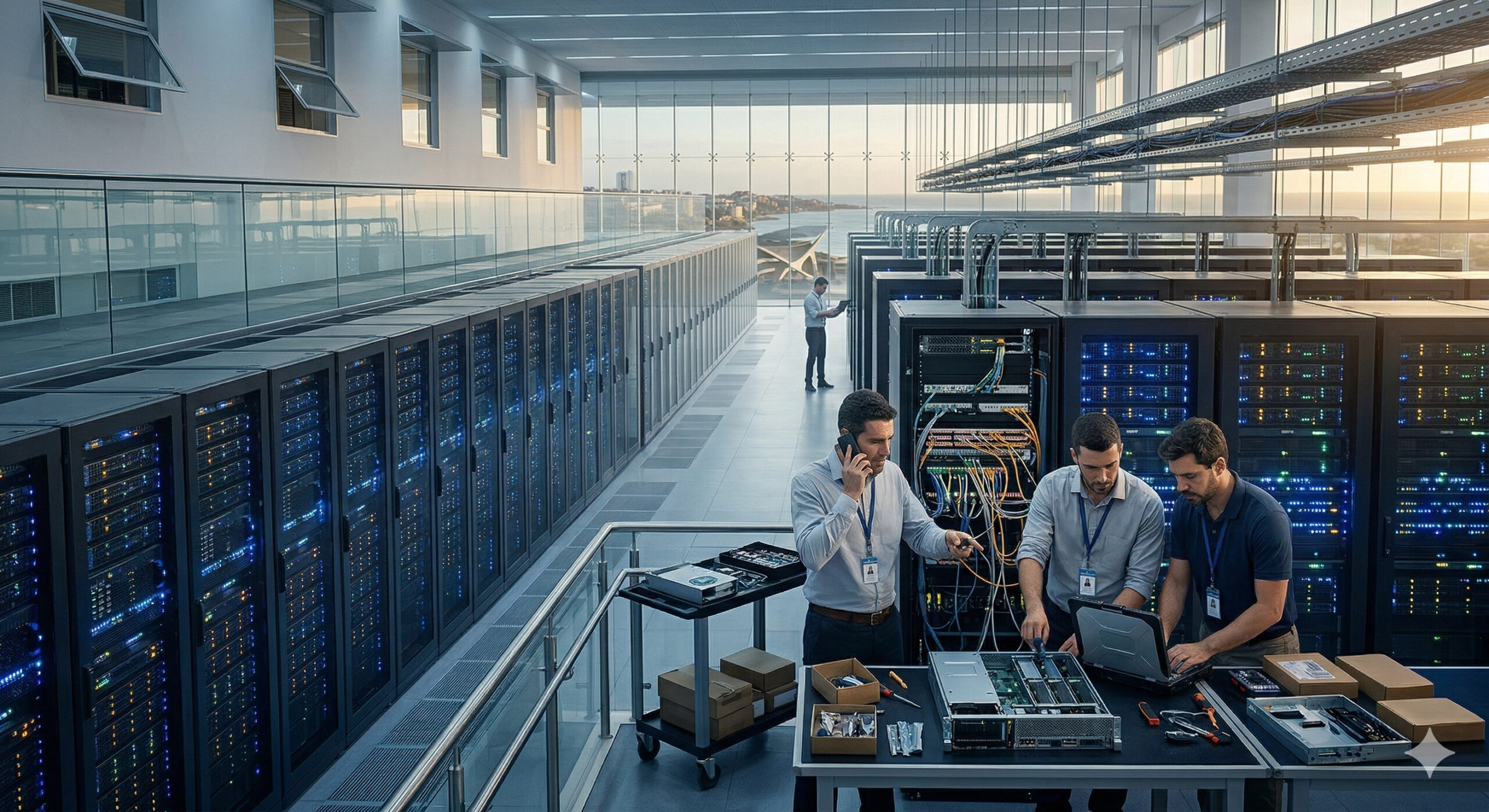
More than 20,000 positions could be opened, and thousands of technicians are starting to be trained in Brazil, as the expansion of data centers creates an urgent race for professionals to keep the internet, cloud, and artificial intelligence running 24 hours a day.

During a live broadcast done by the patient himself, Noland demonstrated in real-time total control of the cursor using only his mind. In his speech, he highlighted: “Before, I needed help for everything. Now, I can do various things by myself for the first time in years,” he reported emotionally.
Technical Complications and System Adjustment
Despite the success, the project was not free from problems. As reported by Reuters, there was an incident where some wires of the chip slightly shifted due to the natural movement of the brain, reducing the effectiveness of neural reading. The issue was corrected with updates to Neuralink’s decoding software, and the patient returned to operating the system normally.
This type of setback raises alarms about the viability and durability of neural implants, especially in biological environments as sensitive as the human brain.
Next Steps: Robotic Arms and Controlling Physical Devices
In addition to the computer cursor, Neuralink is now working on a new phase of clinical trials aimed at connecting the chip to robotic prostheses, enabling patients to move mechanical arms with their minds. The long-term goal, according to Elon Musk, is to provide total autonomy for people with severe motor disabilities.
In November 2024, the company received FDA approval to initiate a feasibility study involving brain-machine interfaces focusing on physical devices. The expectation is that new volunteers with different degrees of spinal cord injury will participate in the next tests, as reported by Business Insider.










Seja o primeiro a reagir!