





 Portuguese
  English
  Spanish
  3 min of reading


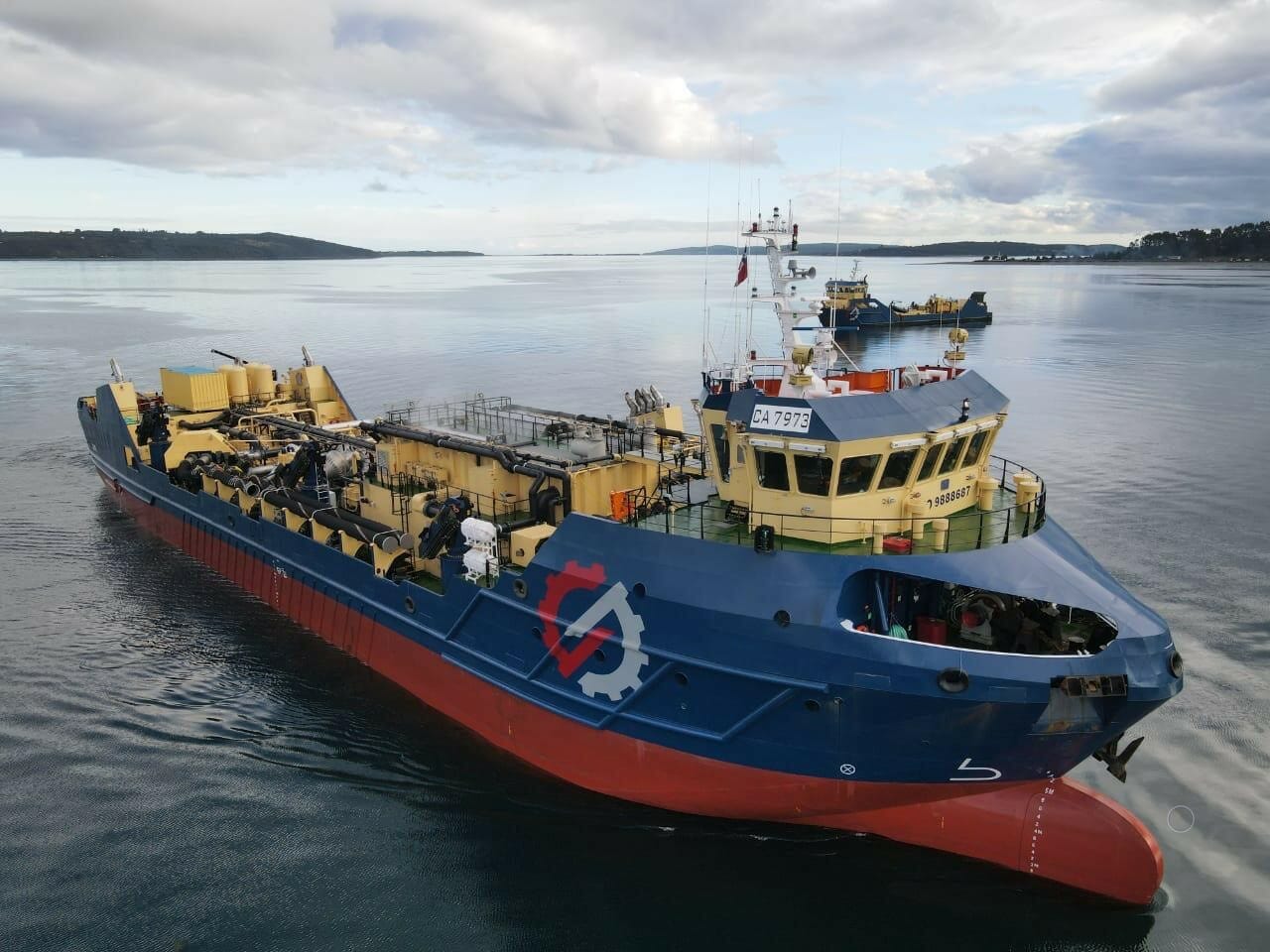
In a Year That Was Difficult for Many Industries, the Aquaculture Sector Stands Out with the Construction of Two High-Quality Wells, One in Brazil and the Other in Norway, and a Boat Specifically Designed for the Chilean Market.
The vessel was designed as one of the most efficient and safe in the market, equipped with state-of-the-art technology and a high level of redundancy. The Detroit Group, responsible for the project, believes that the vessel will do very well for the Chilean industry.
The collaboration between one of the leading wellboat operators in the Chilean market, Naviera Detroit, and one of the largest shipyards in South America, Grupo Detroit Brazil, resulted in the construction of a boat that meets the sanitary requirements of Europe and the Americas. However, the vessel minimizes loading and unloading times and transports salmon quickly and safely. The fish handling and welfare system from Grupo Detroit, which allows the operator to monitor and control all operational variables in real-time, is another advantage of the vessel.
The main challenge in building the vessel was that critical processes needed to be completed in Chile and Brazil. The vessel was built in Brazil and tested in Brazilian waters to ensure performance, navigation safety, and compliance with class protocols before being brought to Chile to complete commissioning and make necessary adjustments before starting operations.
-
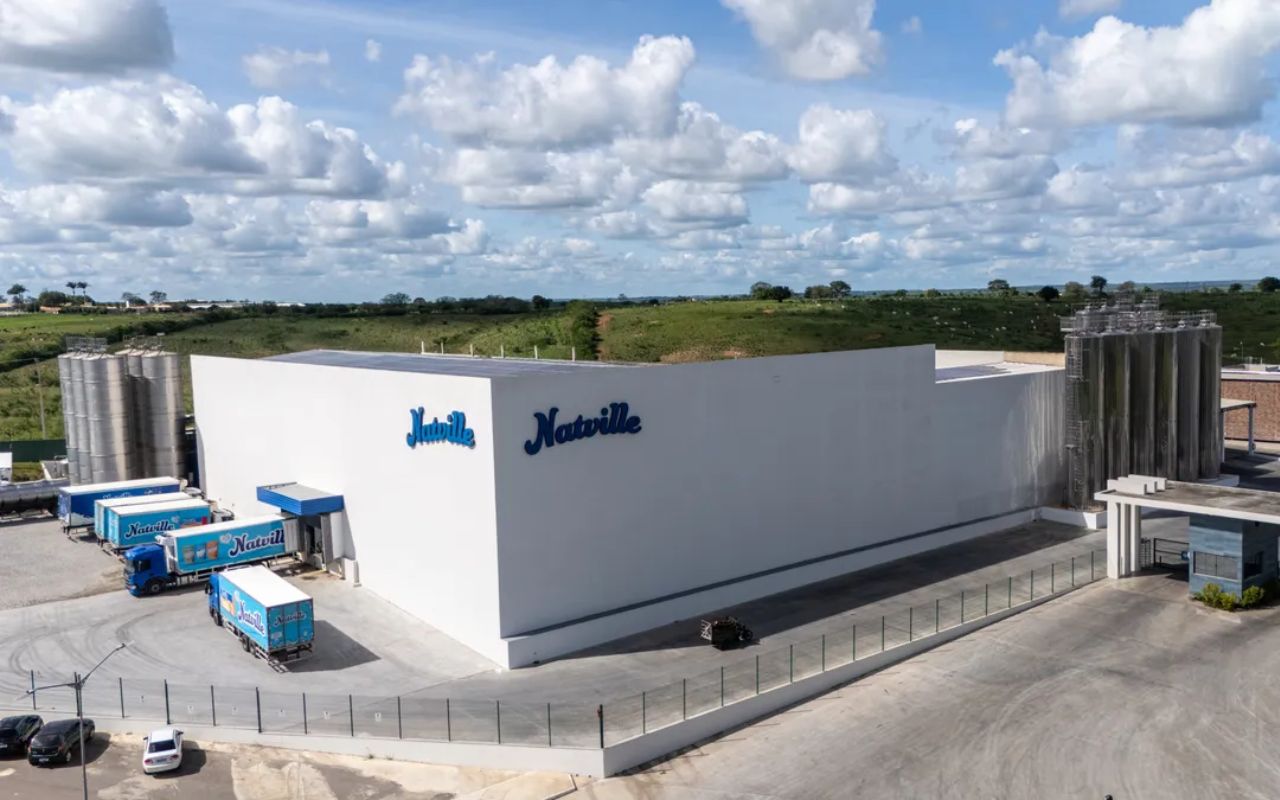
Natville puts R$ 700 million on the table for new factories in the Northeast, generating jobs and boosting the local economy.
-
With 74% of companies facing difficulties in hiring, technicians and engineers in renewable energy are becoming scarce in Brazil and are essential to support the expansion of solar, wind, and green hydrogen projects.

-
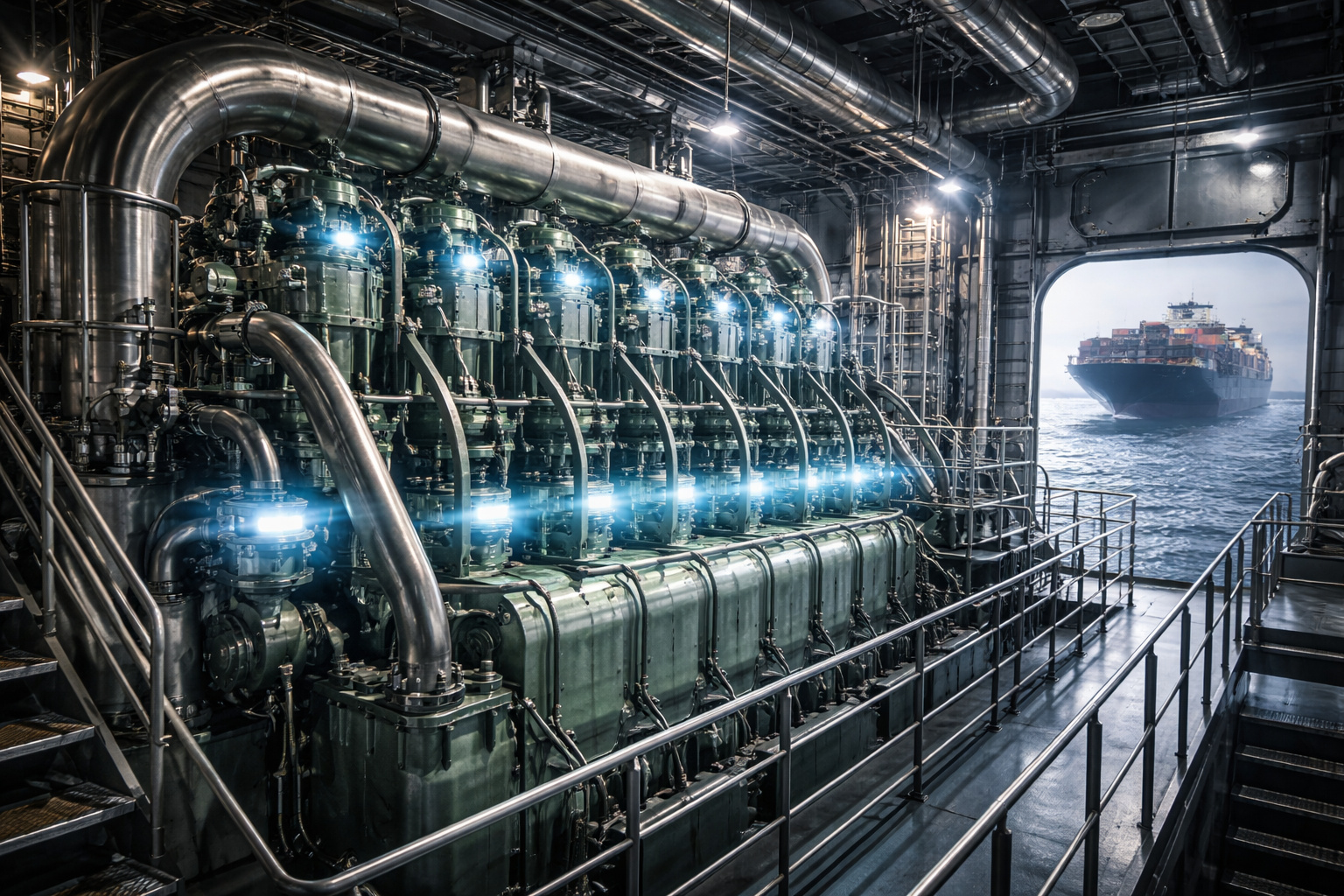
Europe is trying to create an ammonia-powered marine engine without auxiliary fuel, which could unlock the race for giant emission-free ships. The technology aims to eliminate one of the biggest obstacles to clean maritime propulsion.
-
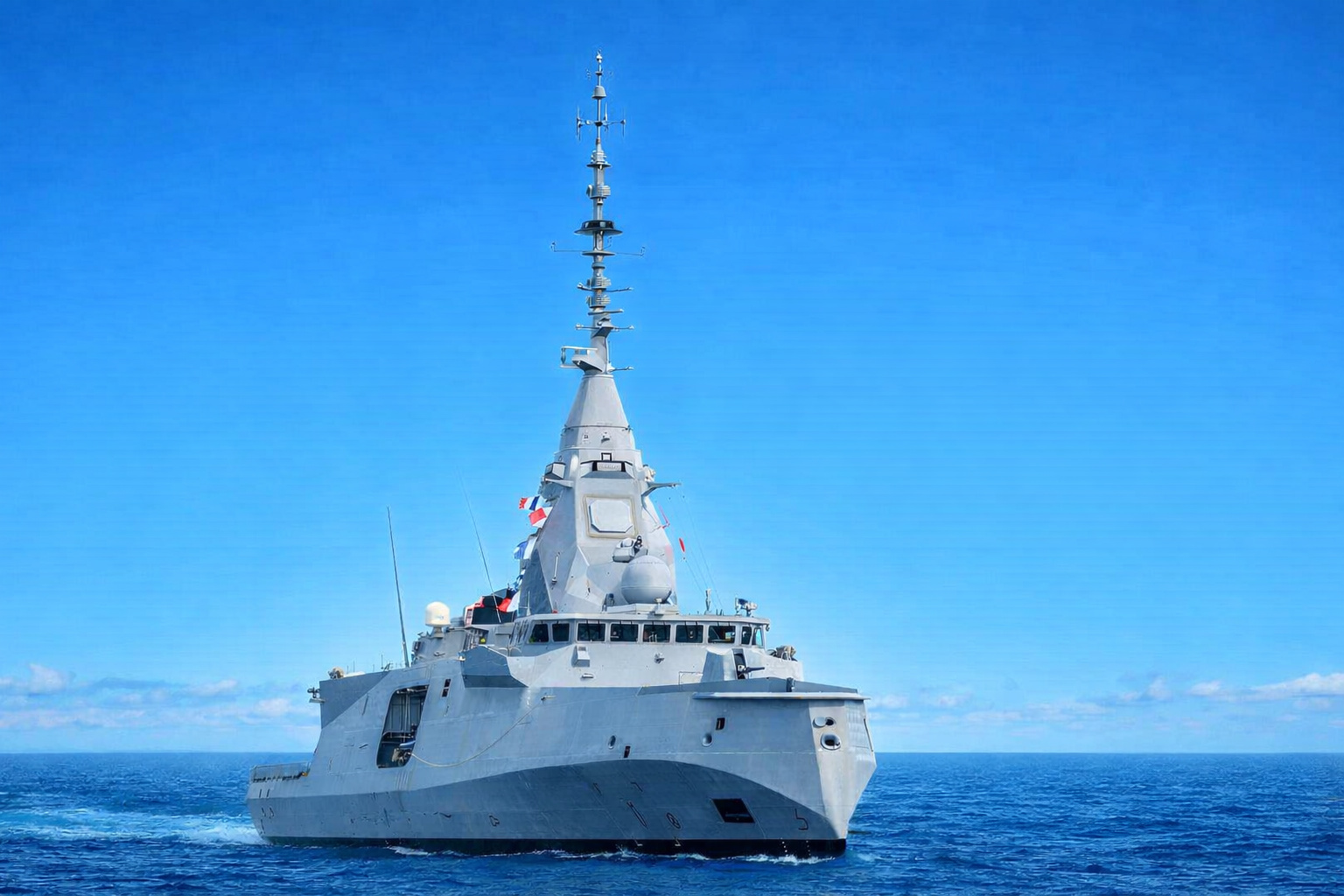
A 4,500-ton frigate with just over 100 crew members, state-of-the-art radar, and cruise missiles is being touted as the new standard of naval warfare in the 21st century.
The fish handling and welfare system was another major challenge during the development and integration of the vessel. However, the effort proved successful, and the results of the system operation exceeded the expectations of the construction team. This new construction is a significant advancement for the Chilean aquaculture industry and a testament to the talent and innovation of the companies in Grupo Detroit.
The Detroit Group, a giant in shipbuilding, announced that fish health and welfare are growing trends and that new emphasis is being placed on these two main aspects. The company stated that compliance with aquaculture health and welfare requirements is the main challenge for wellboat operators and builders.
It is no surprise that historically there has been constant evolution in these requirements and that they are becoming increasingly stringent. The company predicts a trend of increasing global fish protein consumption and, therefore, is set to deliver other vessels built with the same specifications.
The company also reported a promising year in 2022, focusing its construction efforts on four tugs and two wells, with still available capacity, anticipating additional demand in the near future.
Regarding the regional maritime industry, Grupo Detroit Brazil expects steady growth, especially in the service vessel market, driven by the offshore support sector of Oil and Gas, which is holding steady. Thus, the local tugboat market is expanding, leading to increased construction activity in the coming years.
The company believes that the outlook for aquaculture is positive and that this is reflected in the introduction of vessels involved in this supply chain, even amid the pandemic and its effects seen in recent years. There is a good number of vessels entering this market, and the trend is positive.








-

-

2 pessoas reagiram a isso.