





 Portuguese
  English
  Spanish
 3 min of reading


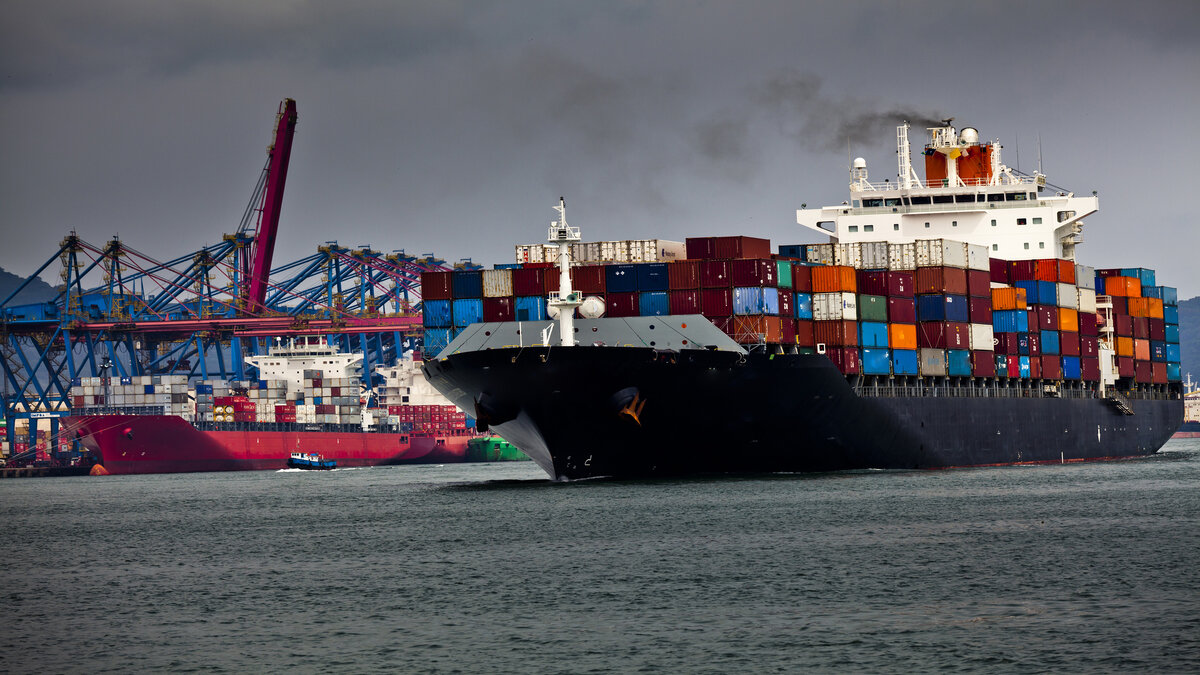
Minfra Is Very Hopeful for the Privatization of the Port of Santos, Which Will Be the Second Largest Under the Bolsonaro Administration, Behind Only Eletrobras, and Will Have Investments of R$ 18.5 Billion for Future Infrastructure After the Auction Is Finalized.
With significant growth in the Port of Santos’ operations in recent years, the current port scenario for this Monday (06/13) is preparing for the privatization of the complex and for a large-scale auction in the future. This is because the Ministry of Infrastructure (Minfra) is anticipating that this will be the second largest privatization of the Bolsonaro government, second only to the privatization of Eletrobras.
Minfra Has Strong Expectations for the Auction of the Port of Santos Privatization, Anticipating the 2nd Largest Under the Bolsonaro Administration, Behind Only Eletrobras
By the end of 2022, the national port sector will witness the privatization of the Port of Santos, the largest complex in Latin America and a gateway for 29% of all commercial transactions in Brazil. For this auction of the port authority’s concession to the private sector, Minfra is very hopeful, projecting that the process will be second only to Eletrobras in terms of the amount to be raised from privatization.
The current strategy of Minfra, along with the National Agency for Waterway Transport (Antaq), is to gather the necessary investments for improvements in the local infrastructure, as the government is unable to meet the needs arising from the strong current growth of the complex.
-
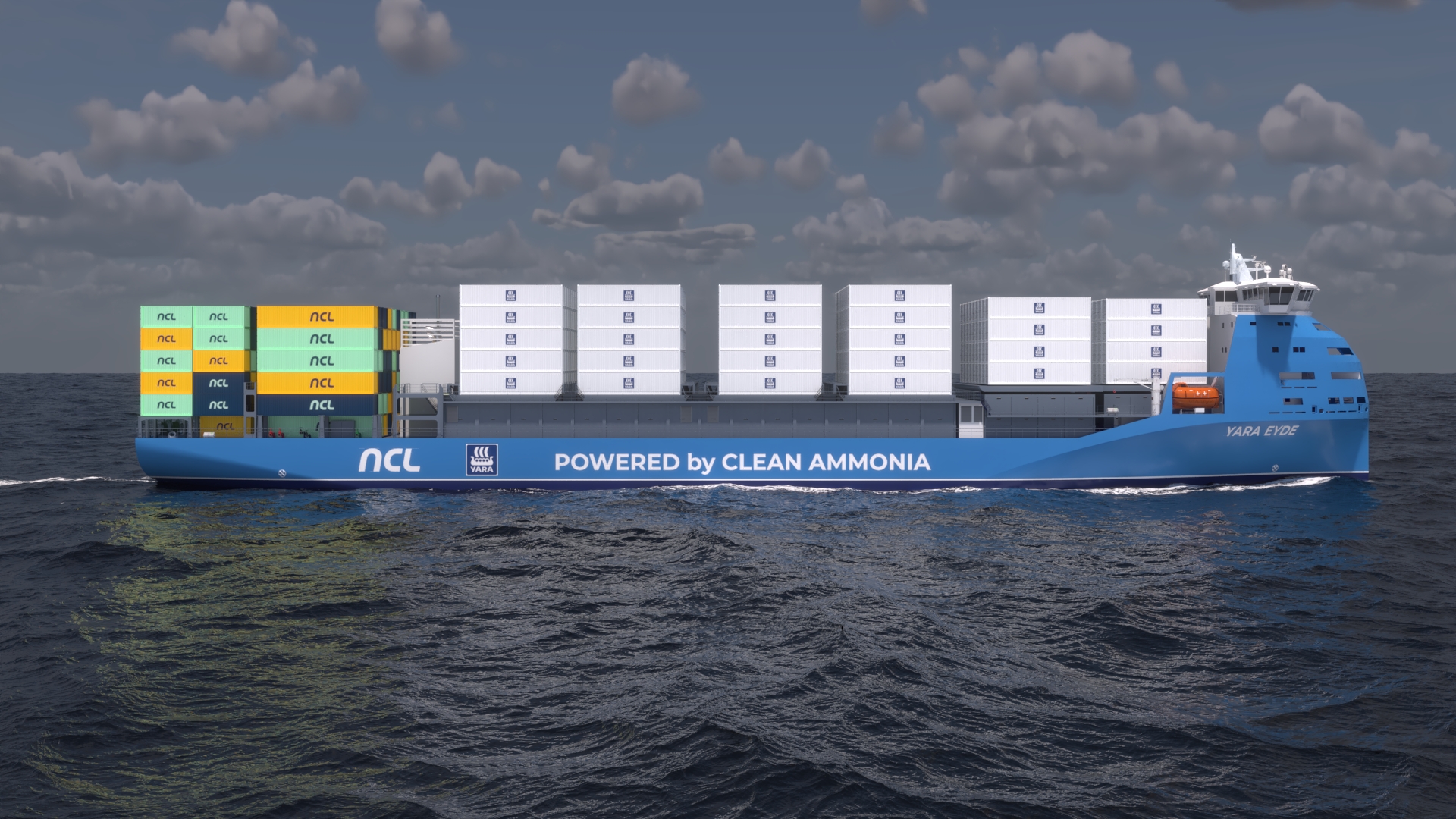
The world’s first container ship powered by renewable ammonia promises to avoid around 11,000 tons of CO₂ per year. The vessel, scheduled to operate in 2026, will connect Norway, Germany, and the Netherlands on one of the shortest and most strategic routes in Europe.
-
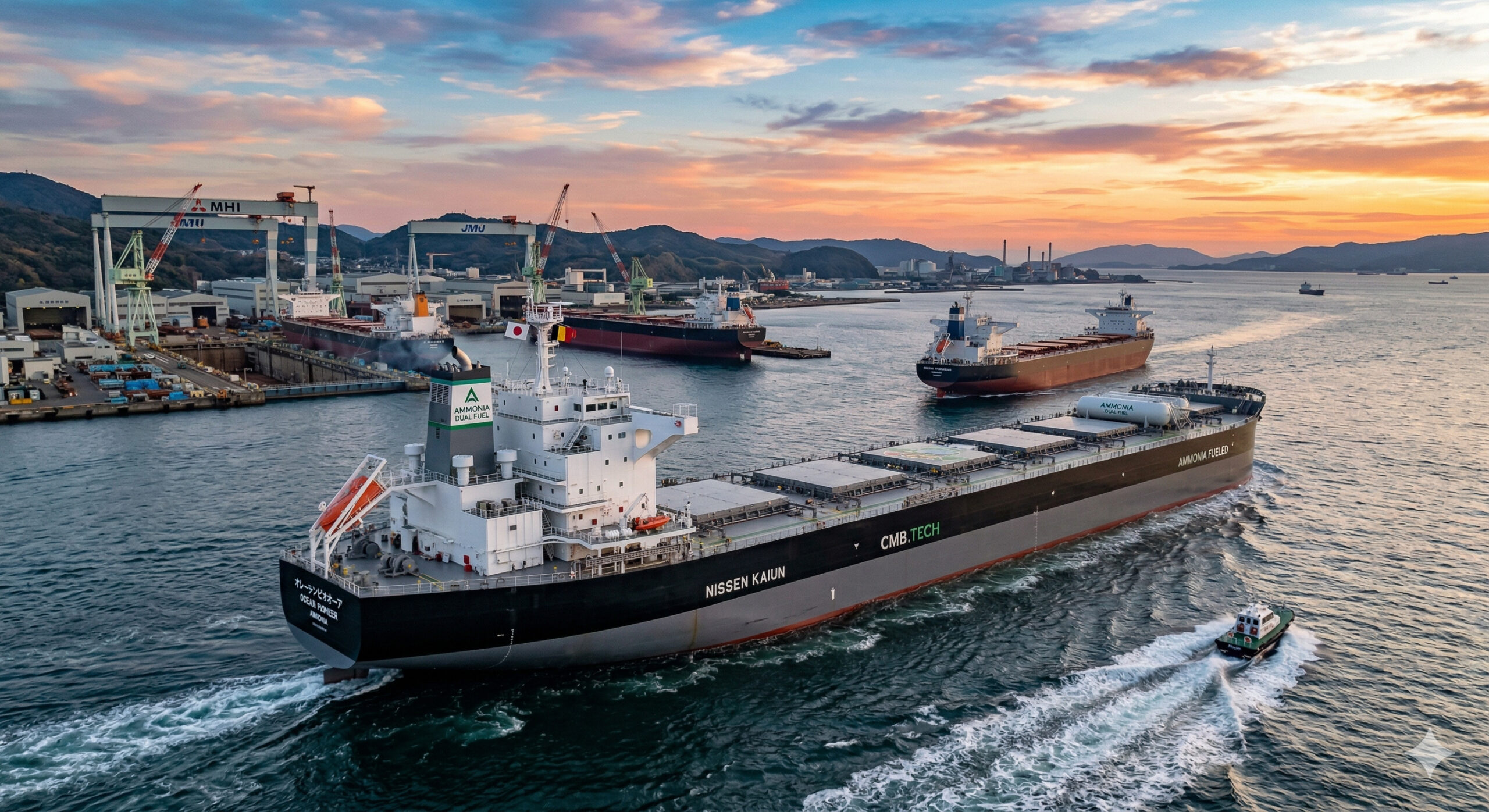
Nine giant ships of up to 210,000 gross tons equipped with dual fuel ammonia engines are being launched by Japan and Belgium. The project includes the world’s first Capesize vessels using this fuel, with contracts of up to 12 years, marking the beginning of a carbon-free ocean fleet starting in 2026.
-
Lack of workers and an aging population: Japan bets on AI robots in factories, logistics, and infrastructure to keep the economy and essential services active.

-
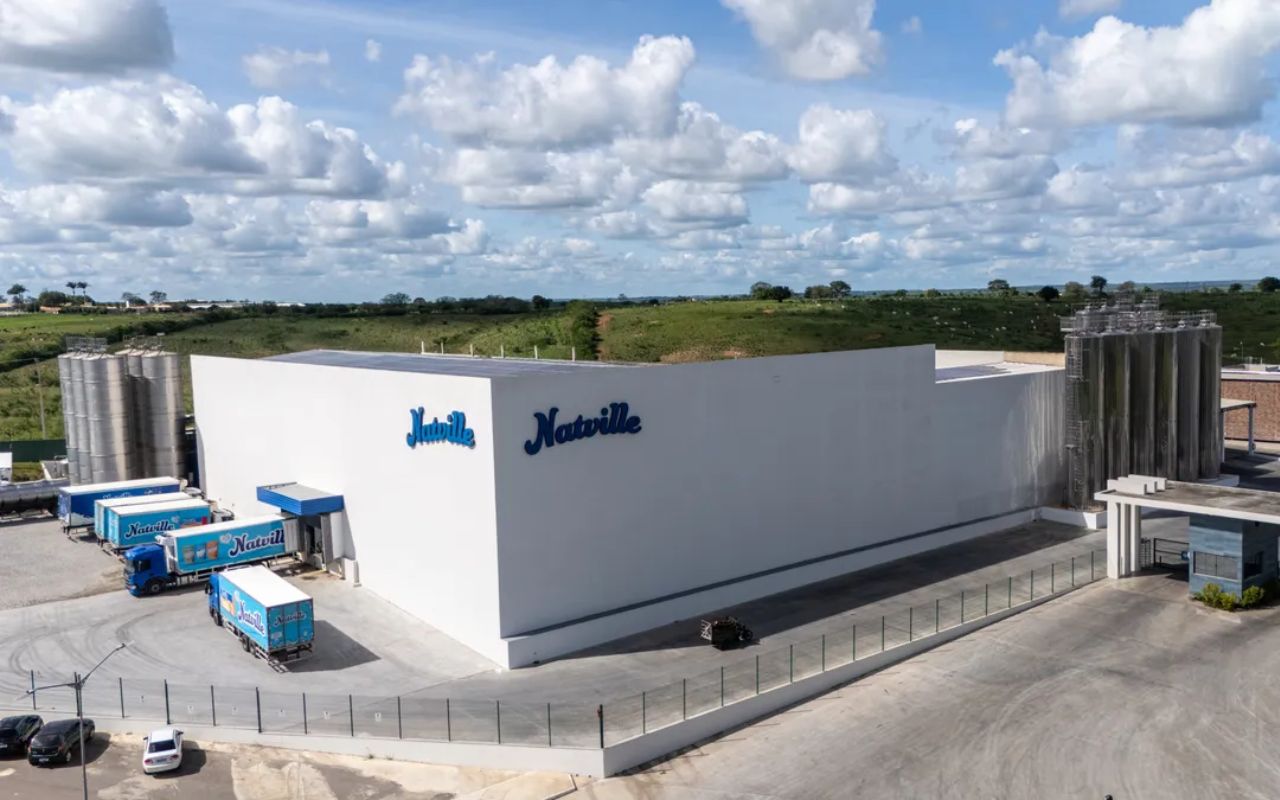
Natville puts R$ 700 million on the table for new factories in the Northeast, generating jobs and boosting the local economy.
Thus, the auction for the privatization of the Port of Santos will involve a contract that stipulates a total investment of R$ 18.5 billion by the company that wins the process, to ensure the necessary improvements for the expansion of the port complex.
The Federal Government has already presented the proposal to several countries, such as the United States, Italy, France, and the United Arab Emirates, and is anticipating the second largest privatization of the Bolsonaro administration, second only to Eletrobras. Consequently, Rafael Furtado, Deputy Secretary of Promotion, Planning, and Partnerships of Minfra, commented on the importance of the privatization auction and emphasized: “It is a unique moment for port transport. We will take a new and secure step to promote the ports, with the participation of the private sector, which will ensure national logistical expansion.”
Privatization Auction Will Raise R$ 18.5 Billion in Investments to Ensure Infrastructure Works Over the Next 35 Years at the Location
The concession period for the Port of Santos, like that of Eletrobras, extends for decades with an expected completion in 35 years, without the possibility of extension.
Thus, the winning company of the auction will be responsible for an investment of R$ 18.5 billion over these three and a half decades in necessary works to ensure a safe expansion, operational efficiency, and logistical quality for the movement of goods at the largest port in Latin America.
Among this billion-dollar investment projected by Minfra for the coming years, R$ 14.1 billion will be allocated to maintenance during the 35 years of the concession, while another portion of R$ 3 billion is reserved for the construction of a submerged canal to connect Santos and Guarujá.
Finally, the remaining R$ 1.4 billion is expected to be invested in works such as new road accesses, port modernization, and deepening the Santos canal, to improve the transportation of goods at the location.
Now, Minfra continues alongside the Federal Government and Antaq to accelerate the process of granting the Port of Santos to the private sector and expects to finalize the auction by the end of the year to achieve a privatization that will be second only to Eletrobras, which was sold for nearly R$ 100 billion.









Seja o primeiro a reagir!