





 Portuguese
  English
  Spanish
  5 min of reading
  10 comments


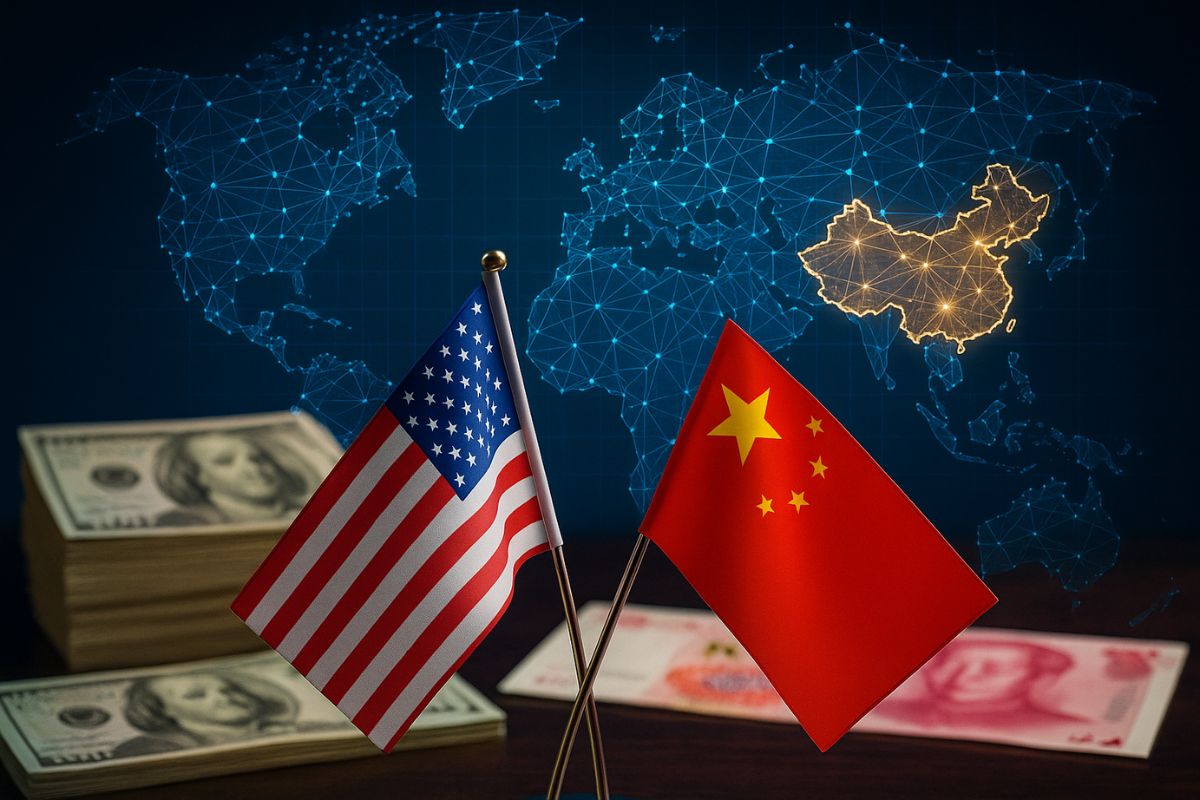


China Accelerates CIPS, System Challenging SWIFT and Potentially Redrawing the Global Financial Map, Threatening Dollar Dominance in Coming Years
Here, the real shock is not the “BRICS currency,” but rather the payment architecture that China is building — which may reduce Washington’s power of influence over global finance. Instead of abruptly replacing the dollar, Beijing is expanding alternatives to the SWIFT system and encouraging settlements in yuan: a quieter, more technical path that has proven to be much more effective so far.
The Strategic Turn: From “BRICS Currency” to Payment Rails
For months, public debate has focused on a hypothetical common BRICS currency. But the real movement is with CIPS (Cross-Border Interbank Payment System), the Chinese network that enables messaging and the settlement of operations in RMB outside of SWIFT. CIPS does not “kill” the dollar; it reduces its dependence by creating parallel rails, especially for trade with Asia, the Middle East, and Latin America. In 2024, CIPS processed ¥175.49 trillion (around US$ 24.5 trillion), a 43% increase from the previous year, with 8.2 million transactions. By March 2025, it had 170 direct participants and 1,497 indirect ones, reaching 119 countries.
Does It Work in Practice? Market Signals
Adoption is advancing through foreign trade. Southeast Asia’s largest bank, DBS, reported a 30% increase in settlement flows in yuan for Chinese exporters in 2024 and growing demand from partners in the Middle East and Latin America. This shows that real companies are already optimizing costs and reducing currency risks by using the rails created by Beijing, even with the dollar still prevailing.
-
“No one will make us change the Pix,” says Lula after the US report.

-
Lula responds directly to Trump and says that Pix is from Brazil and will not change under pressure from anyone, after a report from the United States pointed out the Brazilian payment system as an American trade barrier.

-
Amazon has just announced a new fee on all deliveries, and your online purchases will become more expensive starting April 17, including for those buying from the United States here in Brazil.

-
He sold his share for R$ 4 thousand, saw the company become a giant worth R$ 19 trillion, and missed the opportunity of a lifetime.


The Geopolitical Vector: Sanctions, Dollar, and “Dedollarization”
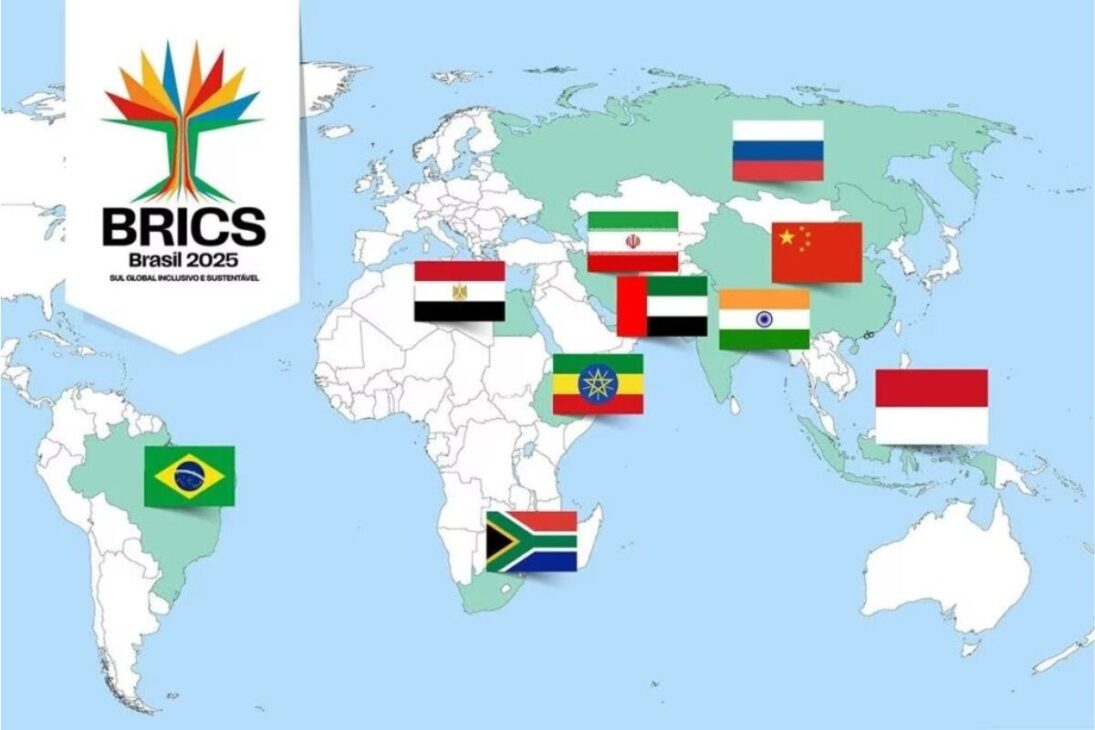
Since 2022, financial exclusion and asset freezes have increased the risk of “dollar weaponization.” This has encouraged the construction of independent infrastructures (Russia’s SPFS, China’s CIPS). Moscow has already expanded its network to over 550 institutions in 24 countries, and there are advances in functional interconnection between SPFS and CIPS, creating resilience against sanctions. None of this dethrones the dollar now, but it diversifies channels and reduces the coercive capacity of the United States.
mBridge: The Multilateral Experiment with CBDC
Meanwhile, China and regional partners are promoting the mBridge Project, a cross-border payment platform based on central bank digital currencies (CBDCs) for interbank use. Following tests with real transactions, the project reached the MVP phase in 2024. The Bank for International Settlements (BIS) exited the operation, which is now led by the participating central banks (China, Hong Kong, Thailand, United Arab Emirates, and more recently, Saudi Arabia). Although it does not yet replace SWIFT, it already demonstrates that instant multi-currency settlement without correspondent banks is technically feasible.
The U.S. Political Response: Tariffs and Pressure
The issue for Donald Trump is not so much the “BRICS currency,” but the fear of loss of influence if a parallel system gains strength and diminishes the role of the dollar. The former president even threatened with 100% tariffs on BRICS countries if they create mechanisms that circumvent the U.S. currency, which could politically increase the cost of adopting a common currency and, paradoxically, accelerate the coordination of payment alternatives.
What Changes for Businesses and Banks?
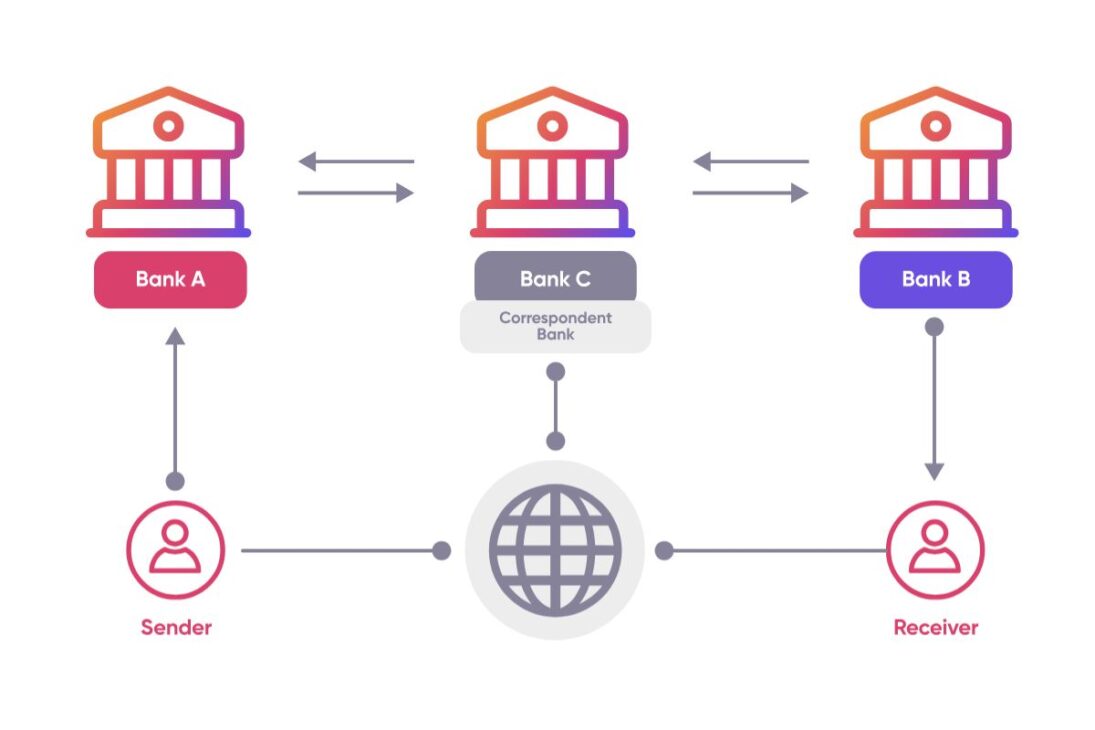
Costs and Timelines. CIPS allows direct settlements in RMB with fewer intermediaries, reducing fees and speeding up transfers. Where it was previously necessary to send messages via SWIFT and settle in dollars, it is now possible to bill and pay in RMB, especially in trade chains where China is a dominant supplier or customer. Sanction Risk. For countries subject to financial measures, diversifying rails reduces vulnerability to messaging or settlement blockages. Liquidity. Although the yuan still has less market depth than the dollar, China has increased swap lines and RMB clearing banks to boost the currency’s supply in international markets.
What Is Not Happening (and Needs to Be Clarified)
There is currently no operational “BRICS currency.” The political and technical consensus to create a common currency is far off: heterogeneous economies, different exchange rate regimes, and divergent economic policy priorities. The most likely path is the regionalization of payments (increased use of local currencies in trade) and the coexistence of multiple systems — with the dollar still dominant due to market size and legal security.
Risks and Limits of the Chinese Strategy
Technological Dependence and Governance. CIPS is growing, but many participants still have strong exposure to the American financial system, which prevents it from being “sanction-proof” should intermediaries limit operations. Interbank CBDCs. mBridge has demonstrated technical viability but still faces questions about governance and adoption; surveys indicate limited enthusiasm and the BIS no longer supports it. Standardization. Meanwhile, SWIFT is modernizing its messaging (ISO 20022), and Western projects like Agorá are exploring improvements with tokenized money over the current infrastructure.
What to Watch in the Next 12 to 24 Months
- Participation of Trade in RMB in strategic routes (energy with the Gulf, commodities with Latin America).
- Expansion of CIPS Participants and establishment of new RMB clearing banks.
- Integration between SPFS and CIPS and its effective use by mid-sized banks.
- Advances of mBridge (new members, pilots with larger amounts) against the progress of SWIFT/Agorá.
- Reactions from Washington: secondary sanctions, new compliance rules and/or incentives to modernize payments within the dollar system.
The “problem” for Trump is not an nonexistent BRICS currency, but the consolidation of infrastructure that allows trading and settling outside the dollar-dominated ecosystem. If CIPS continues to grow and mBridge matures, the financial coercion power of the U.S. does not disappear but tends to dilute at the margins — and in geopolitics, margins that move tens of trillions of yuan make all the difference.







Do jeito que a China é deve tá fabricando dólar já.
O mundo hoje não pode mais ser subordinado a qualquer país.
Os USA sempre teve o controle do sistema financeiro, lá passa todo tipo de irregularidades, desde que pague a parte dos Americanos. Narcotráfico, autocratas, ditadores, mafiosos, etc. Sempre usam o sistema Americano.
Hoje em dia tem que os países negociarem em suas moedas ou qualquer meio que acharem bom para eles. Soberania é fundamental.
Tomara que tenha varios sistemas de transações e negócios e cada um use o melhor no momento. Concorrência é bom!
Temos que parar com vassalagem em relação aos Americanos, não somos mais colônias.
Brasil é soberano e nosso povo tem coragem, não vamos aceitar chantagem nem traidores.
Viva nossa soberania.
Em análise, tem que verificar que a China está com crise no sistema financeiro, verifique que um dos maiores bancos lá entrou em falência.
Por isso é usado o sistema do dólar.
Outro ponto são os cartéis do tráfico que aproveitam o sistema chinês para contrabandear.
Não trata de direita e esquerda e sim segurança.
O Lula é um **** expiatório que que implantar o sistema comunista, isso está na contra-mão do mundo , uma vez que esse sistema coloca seu país em opressão.
Não duvide que isso já está acontecendo no Brasil, onde os cartéis do tráfico já tem seus tentáculos nas cortes e em seus sistema judiciário, só veja e leia o quanto estão sendo solto.
Lembre que se vc não tem segue em andar na rua, se tem medo de ser assaltado, algo está errado