





 Portuguese
  English
  Spanish
 4 min of reading
  0 comments


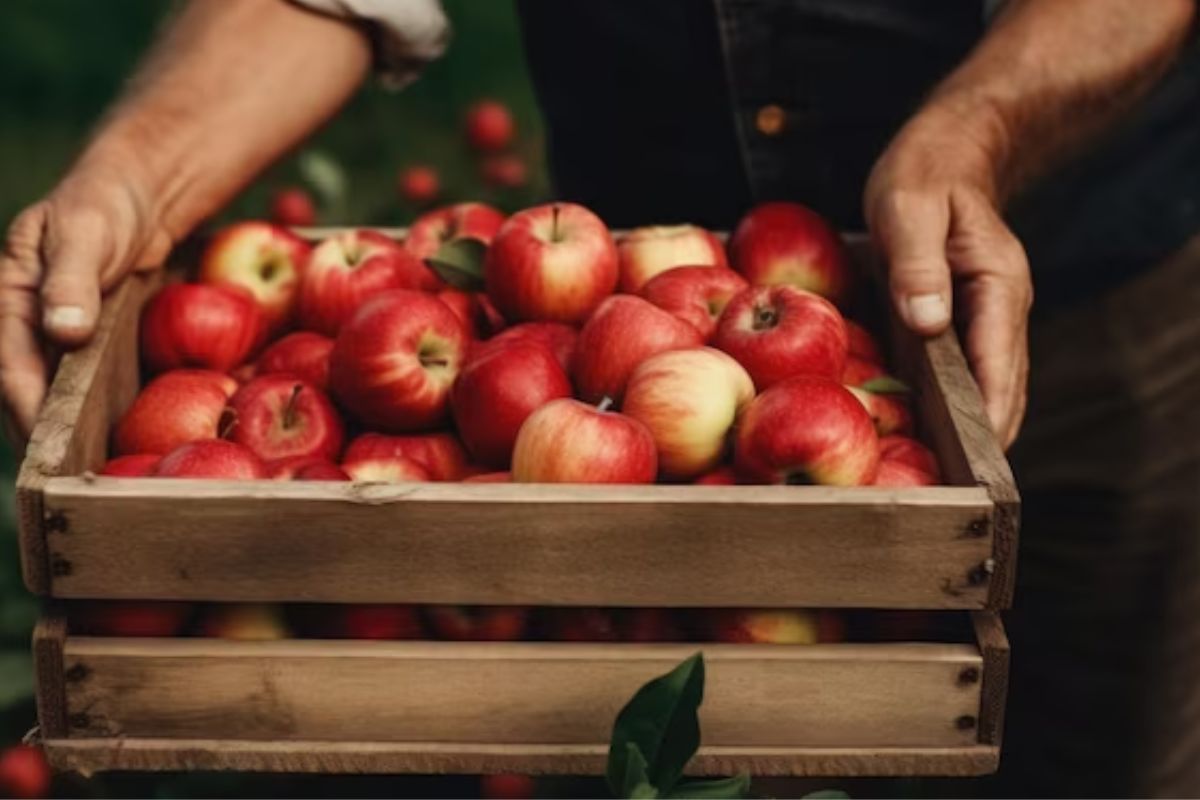
Apple Production in Santa Catarina Should Register Significant Growth in the 2025/26 Harvest. Epagri Estimates Point to Productivity Gains and Good Perspectives for Producers and Consumers
Apple production in Santa Catarina is experiencing a moment of optimism. The estimate released by Epagri/Cepa for the 2025/26 harvest indicates that the State should produce approximately 615 thousand tons, a volume 28% higher than the previous cycle, according to an article published.
Even with a reduction of 0.3% in the cultivated area, the average productivity is expected to grow by 28.4%, reaching 35.7 thousand kilos per hectare.
These numbers not only reinforce Santa Catarina’s prominence in the national fruit growing scene but also indicate direct impacts on the domestic market and the income of farmers.
-
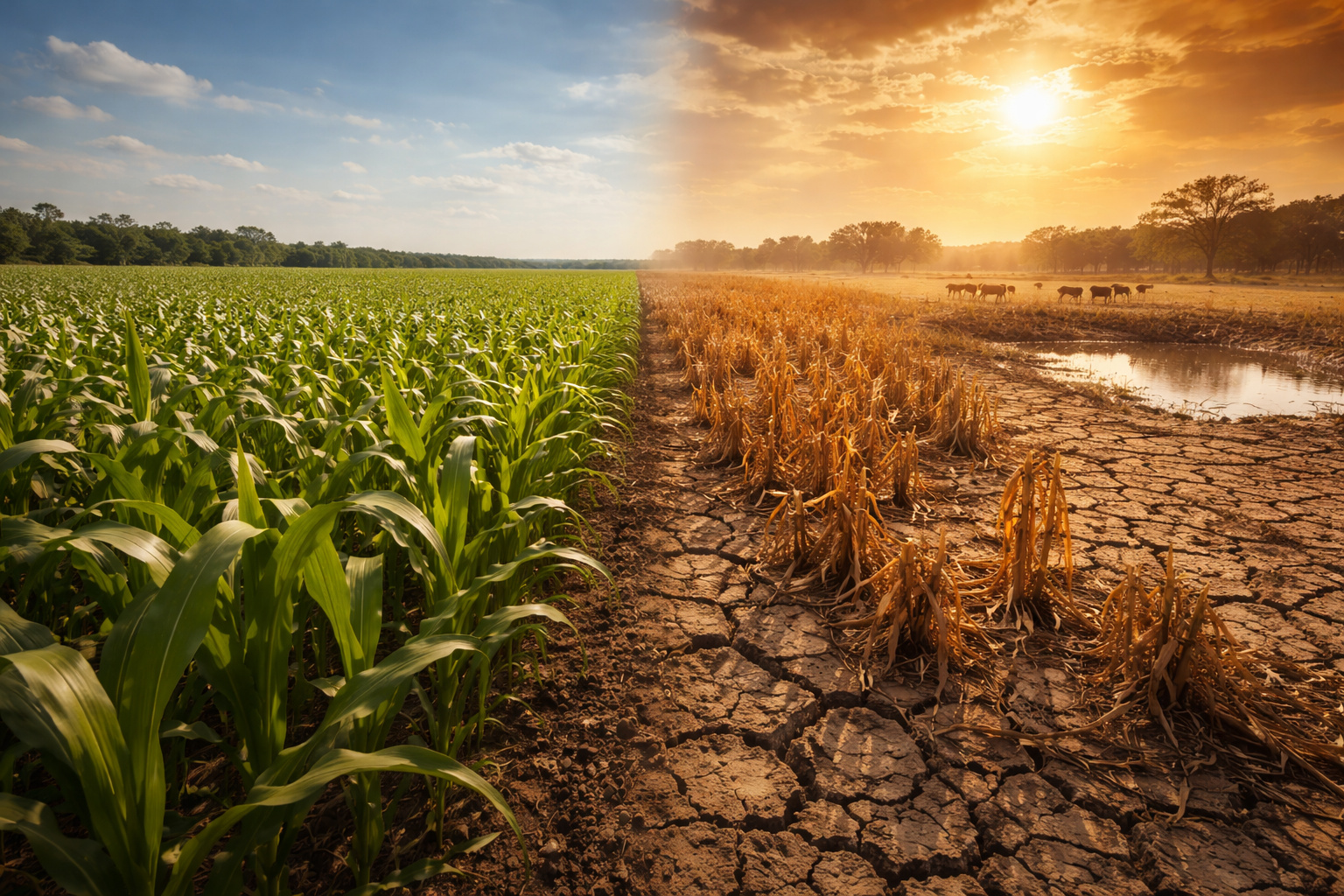
Extreme heat is already invading crops, reducing productivity and putting pressure on livestock, fishing, and forests worldwide, and data from the FAO shows that the increase in temperatures has shifted from being a climate risk to a direct threat to global food production.
-
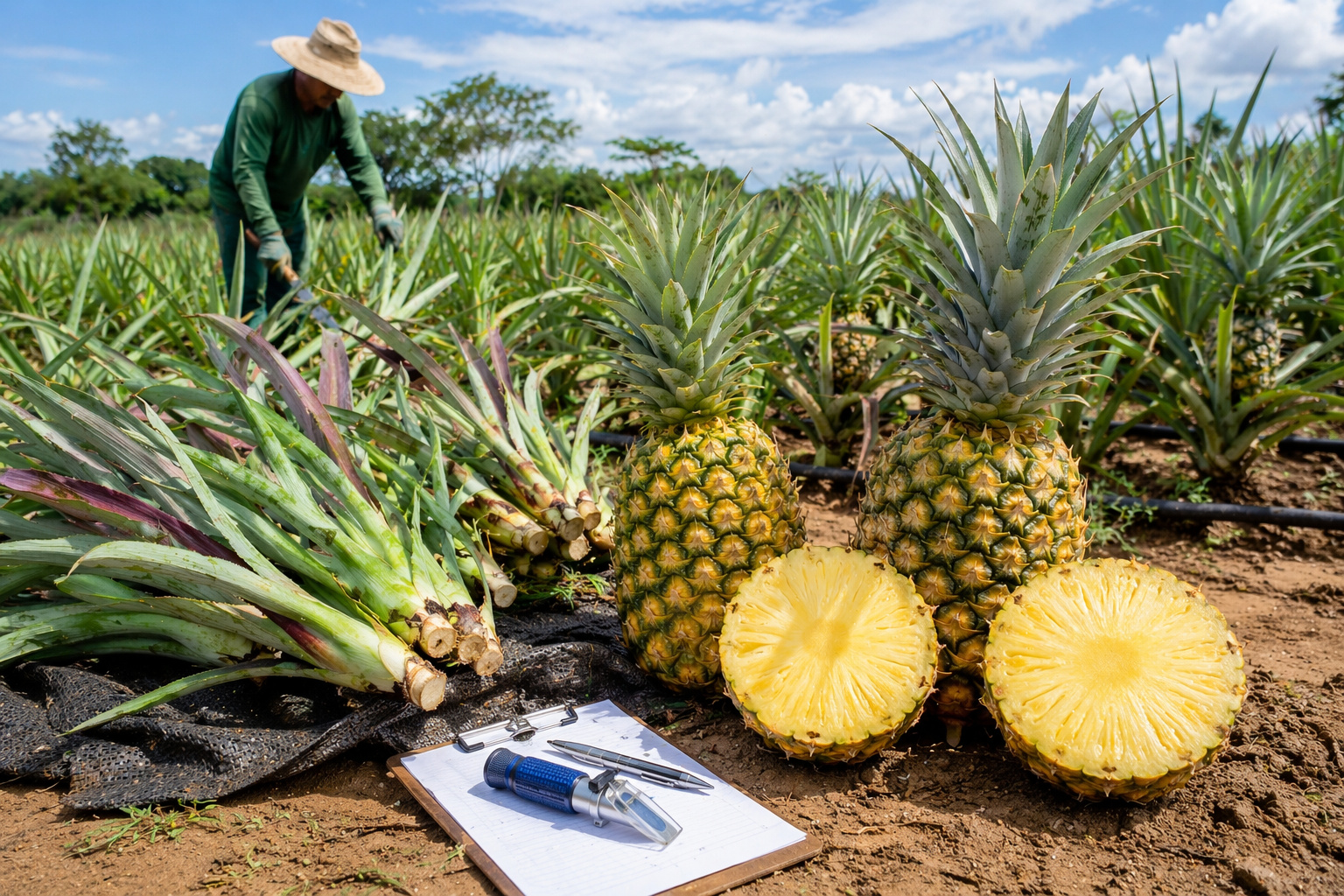
Spine-free pineapple, sweeter and more resilient: Mato Grosso develops new cultivars that promise to reduce losses from fusariosis and increase productivity in the field.
-
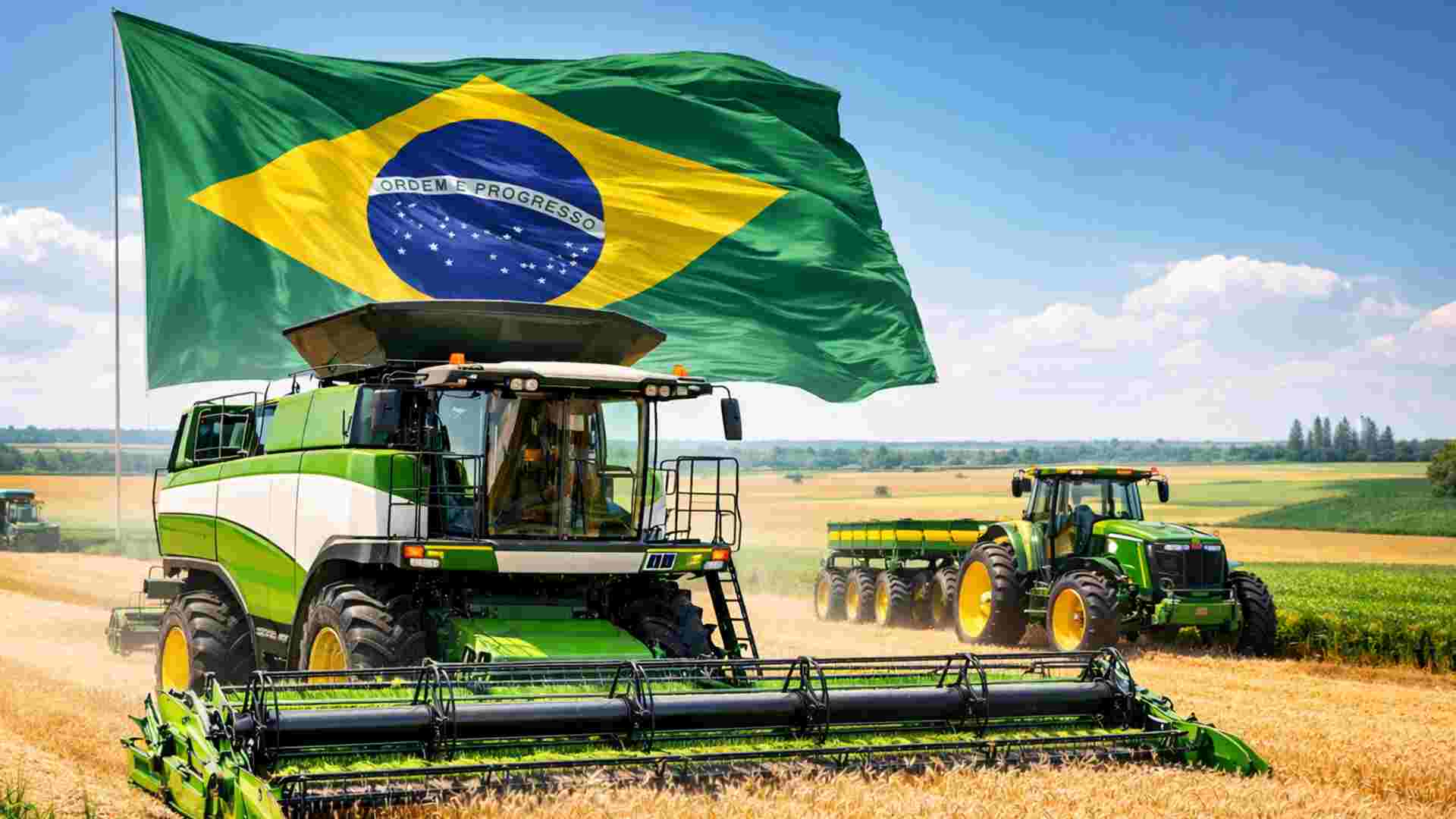
BNDES releases R$ 129 million for CNH Industrial Brazil to create more modern agricultural machines, with eight projects that include harvesters, accessible tractors, and a planter capable of applying seeds, fertilizers, and inoculants all at once in the Brazilian field.
-
From manual harvesting to robotics: Vacaria, the apple capital, becomes an Embrapa laboratory in Semear Digital, with point-to-point mapping, pest traps, traceability, and 2D orchards to combat labor shortages.
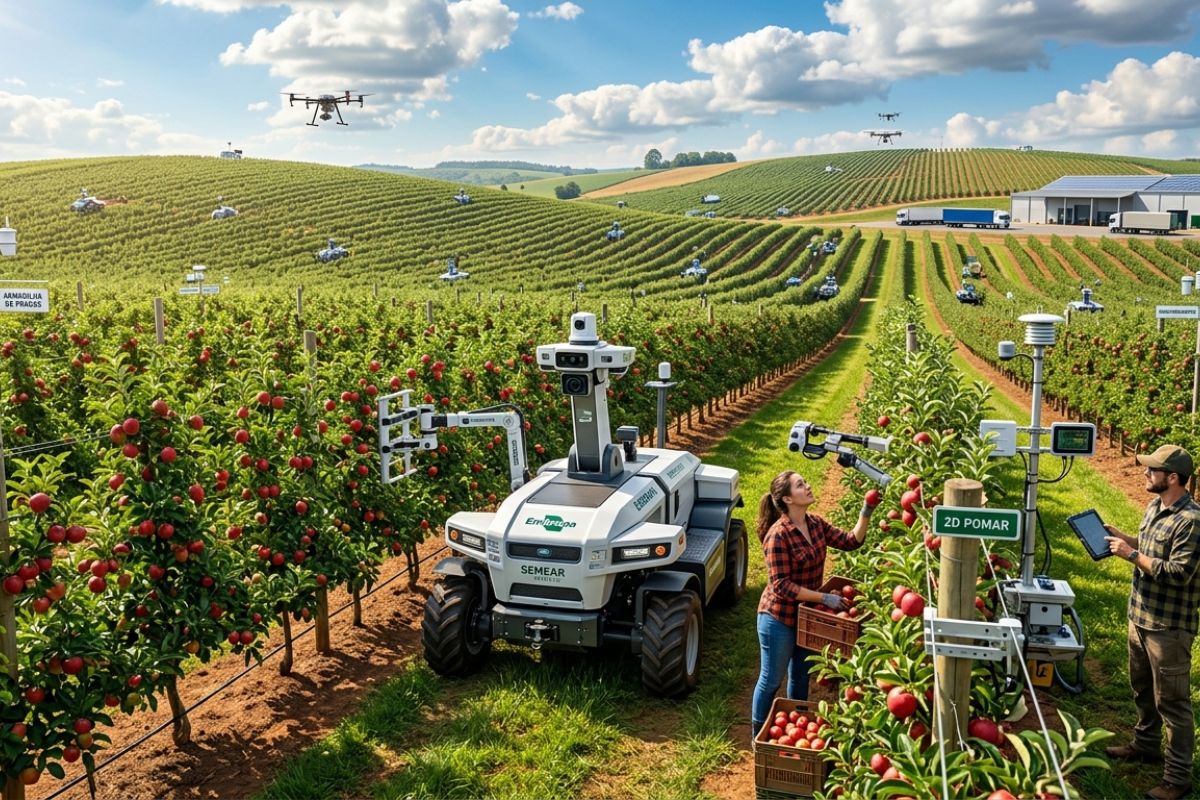
The survey, conducted in September 2025, projects favorable conditions for both traditional varieties Fuji and Gala as well as for the economic development of the main producing regions, such as Campos de Lages, Joaçaba, and Curitibanos.
Fuji Variety Leads Apple Production in Santa Catarina and Strengthens Market
Apple production in Santa Catarina is directly associated with the Fuji variety, which is responsible for 53.8% of the cultivated area and 51.2% of the total harvest estimate.
Right behind is the Gala variety, with 44.3% of the area and 47.2% of production. The so-called early apples account for 1.9% of the area and 1.6% of the state production.
In Campos de Lages, a region that concentrates 83.1% of the apple production in Santa Catarina, the climate favors the development of the fruit, ensuring a quality product that supplies both the domestic and international markets. In Joaçaba, the share reaches 11.2%, and in Curitibanos, 5.6%.
With this increase in volume, the expectation is that prices will be more competitive for consumers, while the higher productivity can ensure a more comfortable profit margin for farmers.
Apple Harvest in Santa Catarina Grows and Impacts Agriculture with New Economic Projections
The growth of apple production in Santa Catarina occurs alongside the release of data on other agricultural crops in the State.
According to Epagri, corn is expected to have a 0.83% increase in the cultivated area, totaling 2.25 million tons. The expected productivity is 8,735 kg/ha, the second best in the historical series.
In bean production, the planted area is expected to decrease by 5.67%, but the projected productivity of 2,061 kg/ha will lead to a 5.36% increase in total production, which is expected to reach 67.3 thousand tons.
Tobacco is also gaining ground: the cultivated area increases by 3.94%, reaching 97,126 hectares, with a production of 233,782 tons, an increase of 3.49%.
These numbers show that the performance of apples is part of a broader context of agricultural diversification.
Even so, experts warn of the risk of a decrease in grain prices, such as soybeans and corn, due to the excess of domestic supply.
Prospects for Apple Production in Santa Catarina in the Climatic and Market Scenario
The increase in apple production in Santa Catarina is related not only to technological advancements but also to more favorable climatic conditions.
Epagri/Cepa emphasizes that, unlike in other years, frosts did not harm the crops, allowing the harvest to reach positive projections.
According to Glaucia Padrão, socioeconomics and rural development analyst, farmers should remain attentive to market behavior.
With the increased supply of grains and its impact on prices, apples may gain more competitive space, but it requires strategic planning.
“The expectation is that market analysis and regional decisions will guide cultivation choices and allow for more secure planning for the new harvest,” said the researcher.
This guidance reinforces that the current performance of apples depends not only on productivity but also on the balance between supply, demand, and production costs.
Producing Regions Expand Productivity and Strengthen Apple Production in Santa Catarina
Apple production in Santa Catarina remains concentrated in traditional regions but with significant productivity gains. In Campos de Lages, where the largest share of the harvest is located, producers project record yields.
The favorable microclimate and the adoption of modern techniques, such as the use of adapted rootstocks and controlled management, enhance the results.
In the North and Vale do Itajaí, where crops such as banana predominate, which is expected to reach 770 thousand tons in the 2025/26 harvest, producers are also keenly watching apple performance, as the agricultural diversity of the region favors economic balance.
Meanwhile, rice, which set records in 2024/25, faces a 1.29% decrease in area and a 4.91% decrease in productivity, returning to levels considered normal. This fluctuation reinforces the importance of apples as a stability alternative in the agricultural sector of Santa Catarina.






Seja o primeiro a reagir!