





 Portuguese
  English
  Spanish
 5 min of reading
  2 comments


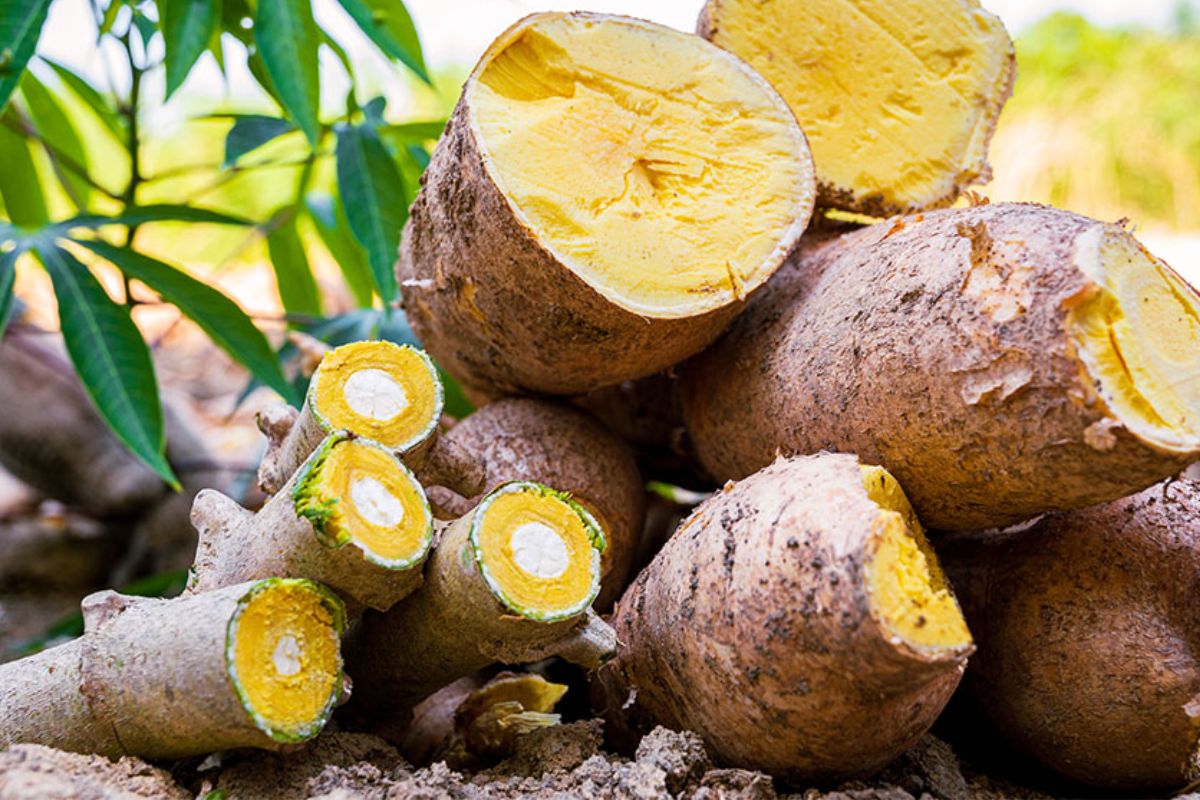


The New BRS Jacundá Cultivar, Launched by Embrapa, Promises to Significantly Increase Cassava Production in Amazonas with Rural Sustainability Practices
Cassava production in Amazonas is experiencing a historical moment with the launch of the BRS Jacundá cultivar, developed by Embrapa Amazônia Ocidental and officially presented on October 9th, in Manaus.
This new variety promises to increase the average state yield by up to 300%, reaching about 30,000 kilograms per hectare, according to a report published.
The difference lies not only in productivity but also in adaptation to the Amazonian climate and soil, as well as resistance to pests and diseases.
-
Scientists create a “molecular sponge” that transforms dirty water and even water from the Dead Sea into potable water using only sunlight and without consuming any electrical energy.

-
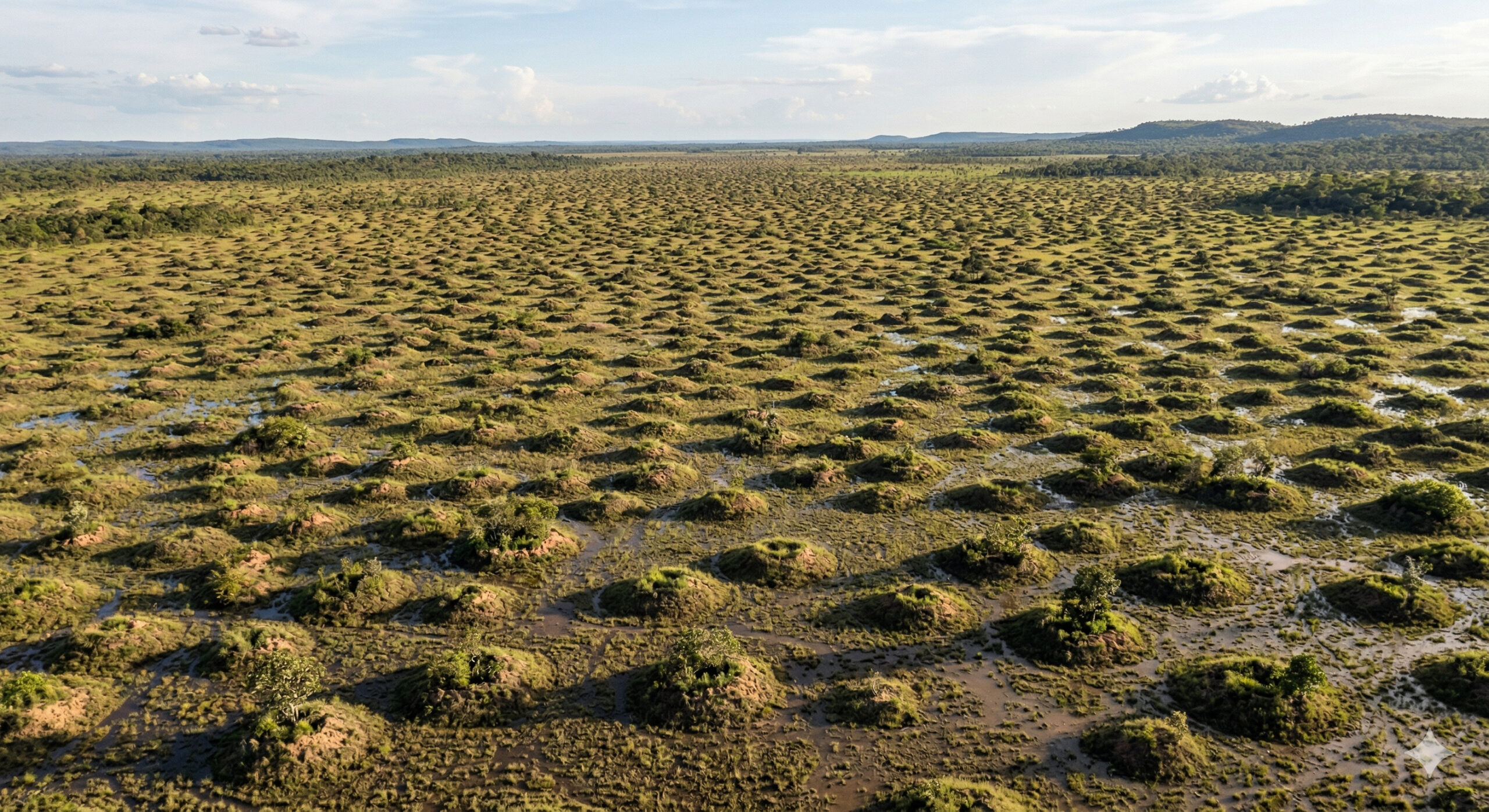
In the Brazilian Cerrado, the fields of murundus spread thousands of mounds up to 20 meters in diameter and over 1.5 meters in height in almost regular patterns over waterlogged soils, and the most accepted explanation points to termites reshaping the land for centuries until creating a landscape that looks drawn from above.
-
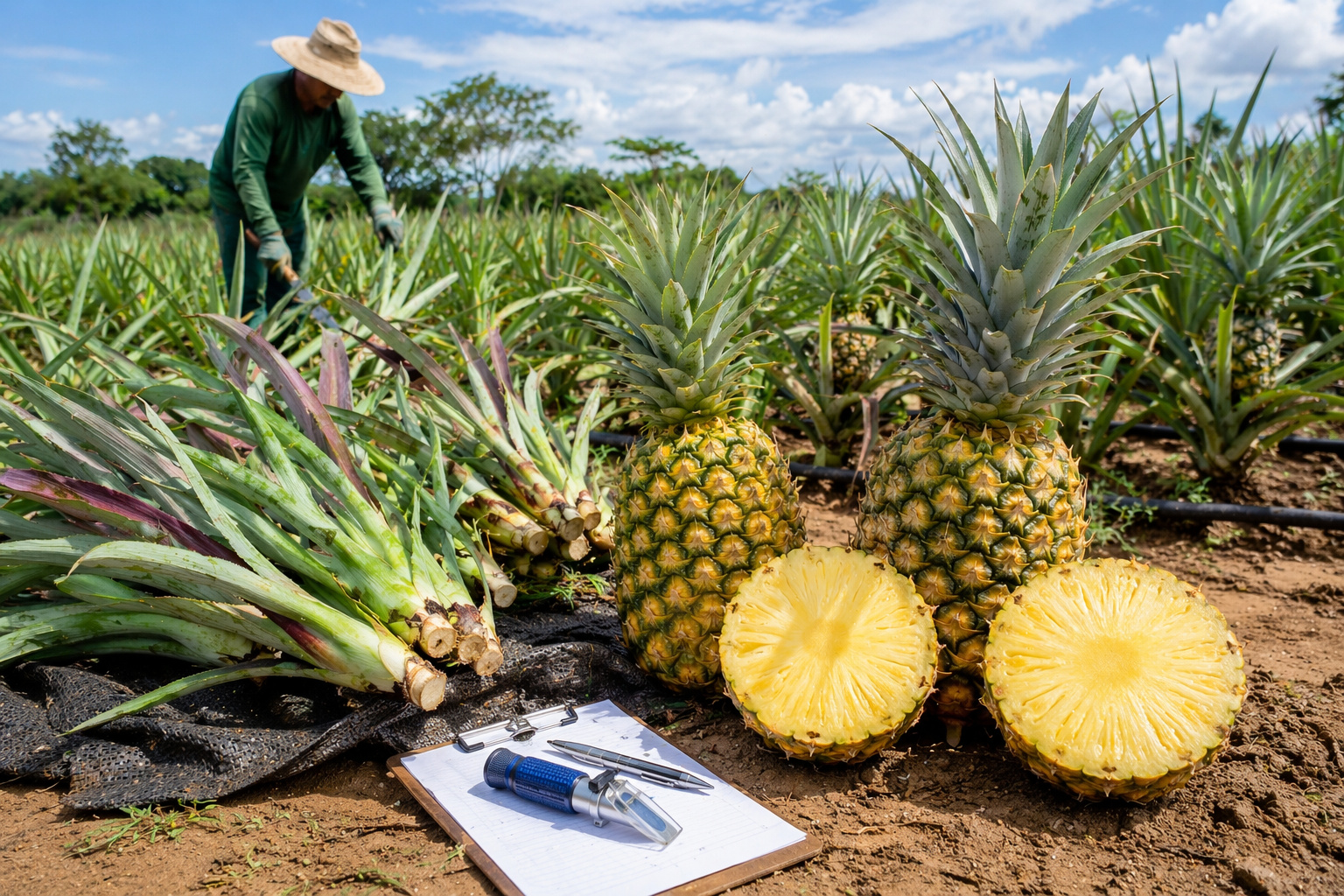
Spiny-free pineapple, sweeter and more resilient: Mato Grosso develops new cultivars that promise to reduce losses from fusariosis and increase productivity in the field.
-
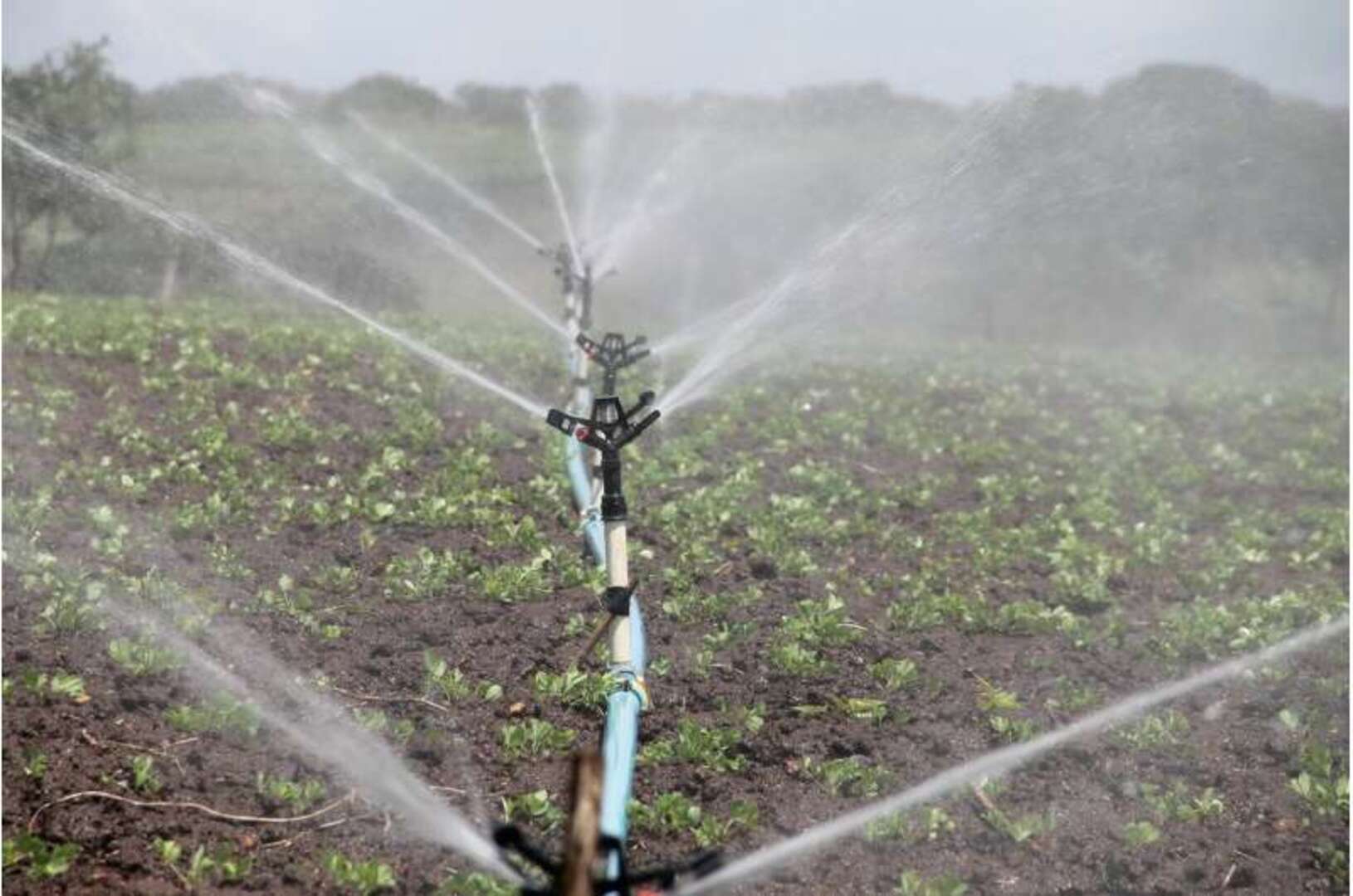
Supply crisis in the Colorado River Basin raises concerns about the limits of consumption reduction amid extreme drought.
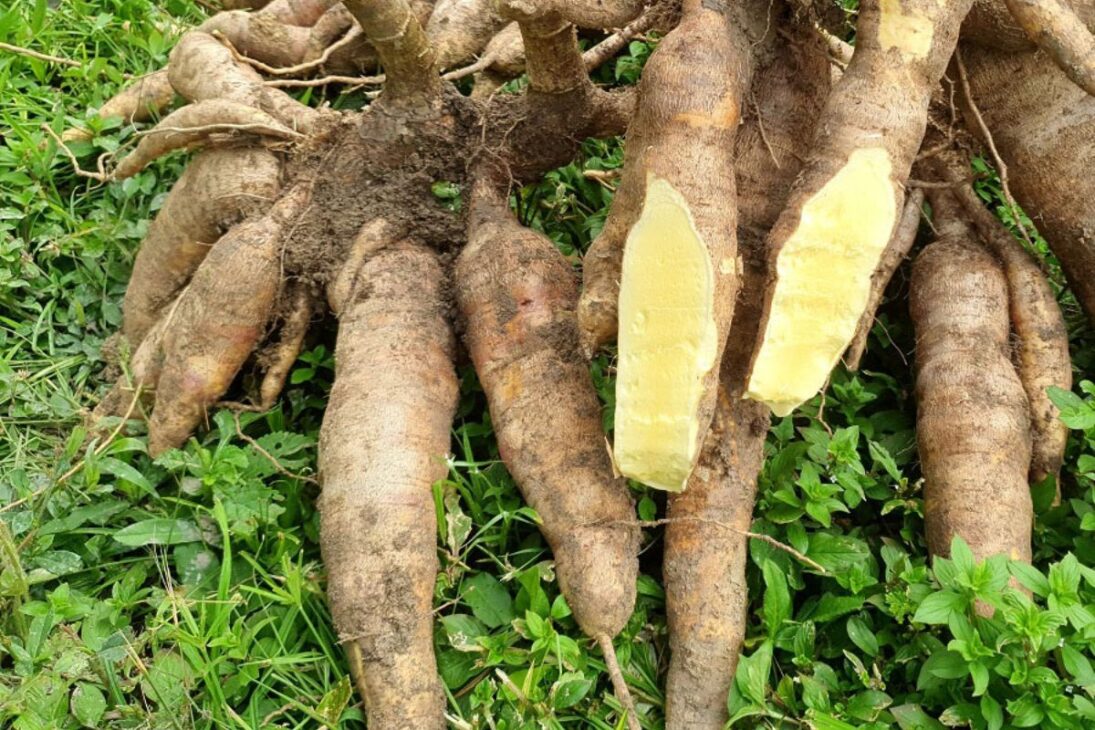
The yellow pulp, a distinctive feature of the variety, directly meets the preferences of local consumers who value the table flour made from roots of this color.
The launch event is expected to gather farmers, technicians, and public institutions, marking the beginning of a new phase for the regional agricultural sector, with increased cassava production in Amazonas.
Focusing on sustainability and diversification, BRS Jacundá is the result of more than two decades of research and genetic improvement conducted by Embrapa, initiated back in 1997, in the municipality of Uarini.
BRS Jacundá Cultivar from Embrapa Revolutionizes Cassava Production in Amazonas
The BRS Jacundá cultivar from Embrapa was created to meet the specific conditions of the Amazon, especially in upland areas, where cassava cultivation is essential for rural livelihood.
The work began over twenty years ago when researchers collected genetic material in Uarini, in the Médio Solimões region, and incorporated it into the Active Germplasm Bank of Embrapa Amazônia Ocidental.
Since then, the cultivar has undergone rigorous testing for yield, stability, and resistance. The mass selection method used allowed for the identification of more productive and pest- and disease-resistant plants.
The DHE (Distinctiveness, Uniformity and Stability) tests confirmed the consistency of the new variety.
While the state average productivity is 10,560 kg/ha, BRS Jacundá achieves over 30,000 kg/ha, a leap of 183% in production.
According to researcher Ferdinando Barreto, this performance reinforces the importance of the cultivar as a tool to further strengthen cassava production in Amazonas, especially in the micro-regions of Tefé, Uarini, and Alvarães.
In addition to high productivity, the BRS Jacundá cultivar from Embrapa contributes to food security, as cassava is an essential source of carbohydrates for low-income rural communities.
The increase in supply and improvement in the quality of the final product have the potential to increase the income of family farmers and invigorate local flour and tucupi agro-industries.
Yellow Pulp Cassava for Flour Values Regional Tradition
Yellow pulp cassava for flour is a symbol of Amazonian food culture.
In the state, the preference for the yellowish color is linked to the tradition of producing table flour and other derivatives, such as tucupi, with characteristic texture and flavor.
BRS Jacundá was developed taking this cultural aspect into account. Its naturally yellow pulp not only preserves local habits but also ensures greater commercial acceptance.
Embrapa researchers highlight that this agronomic characteristic was one of the most valued criteria by farmers during the selection phases of the new variety.
In addition to the desired color, cassava has a high starch content, good consistency, and easy processing, which favors its use in both flour and other regional by-products.
Another highlight is that cassava production in Amazonas with this new variety helps reduce dependence on a few cultivars, such as the traditional “Catombo,” which is widely cultivated and today exposed to risks of genetic erosion.
The diversification provided by BRS Jacundá helps preserve genetic variability and reduce environmental vulnerabilities.
Upland Planting in Amazonas Ensures Higher Yield
Upland planting in Amazonas is one of the main differentiators of the new cultivar. BRS Jacundá was developed specifically for these conditions, in contrast to floodplain areas where intense flooding and drought make management difficult.
The cultivation should preferably take place at the beginning of the rainy season, between November and December, but it can be extended to other months, as long as they do not coincide with dry periods.
The ideal density is 10,000 plants per hectare, with a spacing of 1 meter by 1 meter, which optimizes soil use and favors uniform growth.
Harvesting is recommended between eight and ten months after planting, which can be extended up to twelve months, depending on local conditions.
The initial growth of the crop is slower; therefore, it is recommended to interplant with fast-growing species that can protect the soil and reduce erosion.
By adapting to upland planting in the state, BRS Jacundá directly contributes to increasing cassava production in Amazonas, reducing transportation and input costs.
Moreover, the plant’s natural resistance to pests and diseases decreases the need for pesticides, promoting significant economic and environmental gains.
Crop Rotation in Cassava and Sustainable Agricultural Productivity
Crop rotation in cassava is a low-cost practice that promotes ecological balance and improves the yield of plantations.
In the case of BRS Jacundá, this strategy is essential to maintain sustainable agricultural productivity, avoiding soil degradation and pest buildup.
Embrapa recommends alternating cassava cultivation with grasses such as corn and sorghum, and legumes such as cowpea, mucuna, tephrosia, and Flemingia.
When cassava is repeatedly cultivated in the same area for more than two years, the soil suffers physical, chemical, and biological degradation, which negatively impacts productivity.
Rotation with other species allows for nutrient recovery and reduces root diseases. Additionally, these practices avoid the need to deforest new areas, contributing to environmental conservation.
Cassava production in Amazonas based on crop rotation and good management practices represents an important advancement for sustainable rural development.
Combining the use of the BRS Jacundá cultivar with crop rotation techniques, soil management, and planned harvesting, farmers can achieve significant productivity and income gains without compromising the environment.
In summary, the integration of Embrapa’s BRS Jacundá cultivar, yellow pulp cassava for flour, upland planting in Amazonas, crop rotation in cassava, and sustainable agricultural productivity forms a set of solutions that consolidates a new level for cassava production in Amazonas, strengthening the food and economic security of farming families in the region.








Um aumento de 10590 kg/ha para 30.000 kg/ha representa uma variação percentual de 183% e não 300%
Obrigado pela observação. Vou corrigir na matéria…