Portuguese
  Spanish


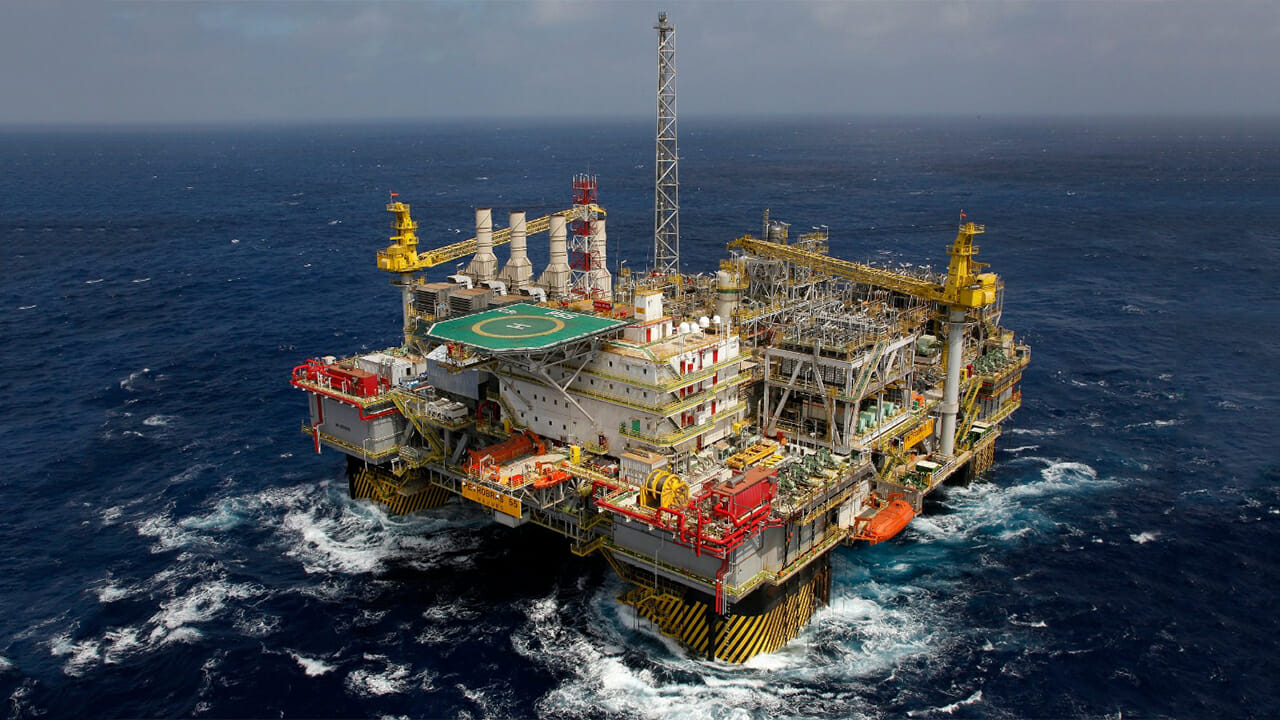

The Pre-Salt Will Play a Crucial Role in This Formidable Oil Production Growth, Accounted for More Than 70% of National Production.
On the Horizon of the Brazilian Oil Market, a Substantial Increase in Oil Production Is Foreseen. Within a Decade, an Increase of Up to 80% Is Expected in the Oil Production in Brazil, Raising Current Production from 3 Million to an Impressive Figure of 5.4 Million Barrels per Day by 2029, According to Information from Metrópoles.
Advances in Pre-Salt Exploration
The Key to This Production Boom Does Not Rely on Speculation or New Areas Yet to Be Explored, but on Improved Efficiency in Currently Explored Areas and the Installation of New Production Platforms.
This Formidable Growth Will Center Crucially on the Pre-Salt, Which Accounts for More Than 70% of National Production. These Deep and Ultra-Deep Water Reserves, About 7,000 Meters Below Sea Level, Have the Potential to Become the Main Driver of Brazilian Oil Production.
-
Oil production grows in Rio, but reserve replacement raises a warning sign

-
Petrobras is expected to complete the drilling of the Morpho well in the Foz do Amazonas in August 2026, the first well in the Equatorial Margin, an oil frontier that the ANP estimates at more than 30 billion barrels and could redraw the map of Brazil.

-
Oil returns to the center of concerns with tension between the US and Iran

-
IEA reduces forecast for global oil demand in 2026 after impacts of the Middle East crisis
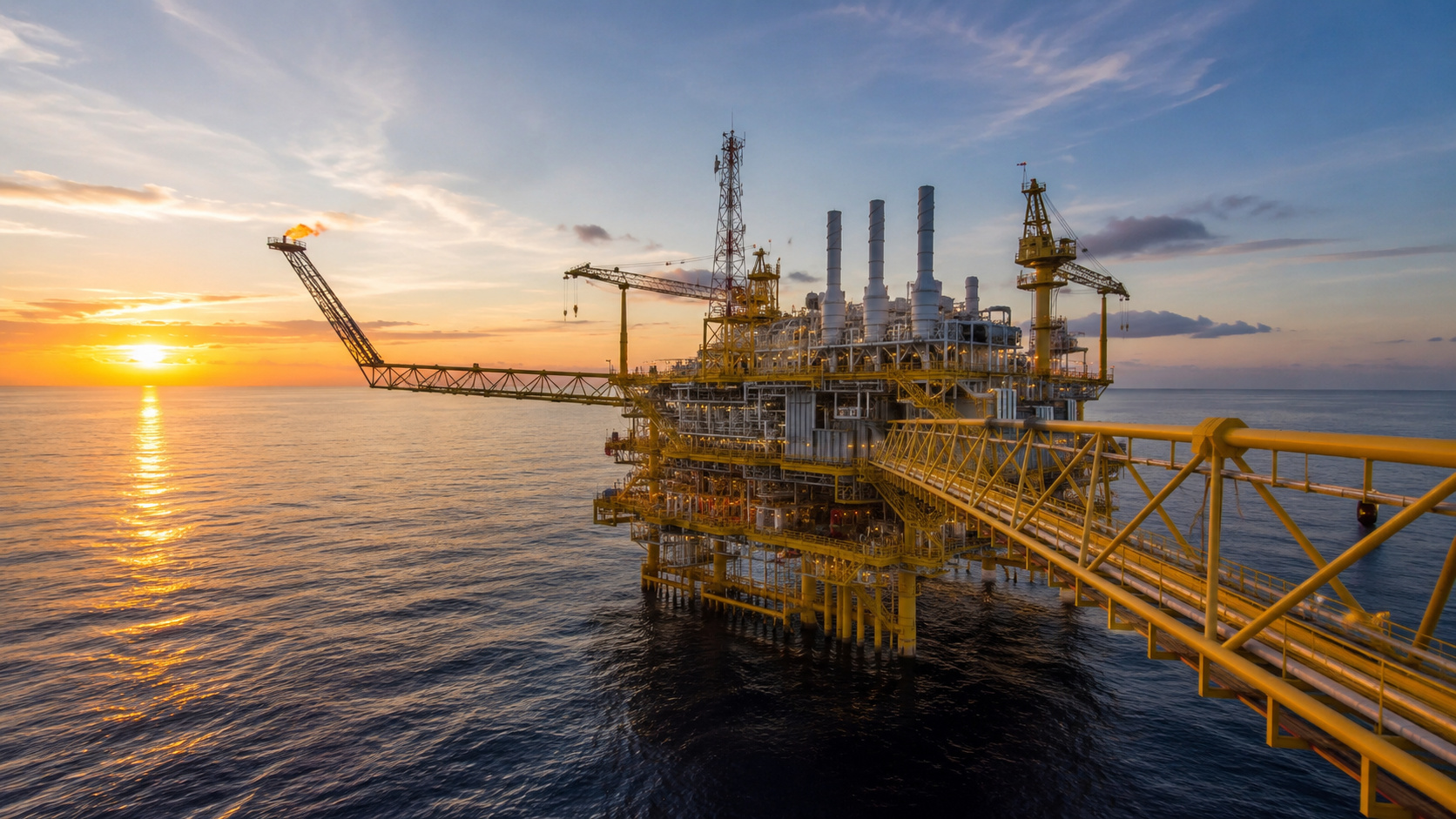


The Crown Jewel of Brazilian Oil
Highlighting This Scenario Is the Búzios Field, the Pre-Salt Giant of the Santos Basin. This Field, the Largest in the World in Deep Water, Recently Reached the Milestone of 1 Billion Barrels of Oil in Just Five Years of Production.
Today, the Búzios Field Has an Average Daily Production of 700,000 Barrels, but This Number Is Expected to Double in the Next Five Years. To Contextualize, Brazil’s Total Production Last Year Was 3 Million Barrels per Day.
The Oil and Gas Sector Already Accounts for 15% of Brazil’s Industrial Gross Domestic Product, Generates About R$ 170 Billion in Taxes, and Employs Approximately 1.5 Million People Across the Production Chain. With the Acceleration of Oil Production in Brazil, These Numbers Are Expected to Grow Substantially.
This Growth Will Transform Brazil, Currently the Ninth Largest Oil Producer in the World, into One of the Five Largest Producers on the Planet in the Next Decade. Unlike Other Oil Powers Marked by Tensions and Conflicts, Such as the Middle East, Russia, and Some African Countries, Brazil Can Provide a More Stable Supply Source.
Sustainability in Oil Production
Although Oil Exploration May Raise Environmental Concerns, It Is Worth Noting That the Carbon Intensity of Brazilian Oil Production Is Below the Global Average. This Is Particularly Evident in Fields Such as Tupi and Búzios, Where It Is Below 10 Kilograms of CO2 per Barrel of Oil Equivalent. In Comparison, In Canada, This Value Exceeds 40 Kilograms.
In a World Transitioning to Cleaner Energy Sources, Demand for Oil Will Remain Strong Until 2050, According to Experts. Furthermore, Oil Plays an Essential Role in Sectors Such as Textiles and Pharmaceuticals, Where Viable Substitutes Do Not Yet Exist. In This Context, Oil Production in Brazil Appears Not Only Strategically Relevant but Also Economically Promising.