





 Portuguese
  English
  Spanish
 5 min of reading
  0 comments


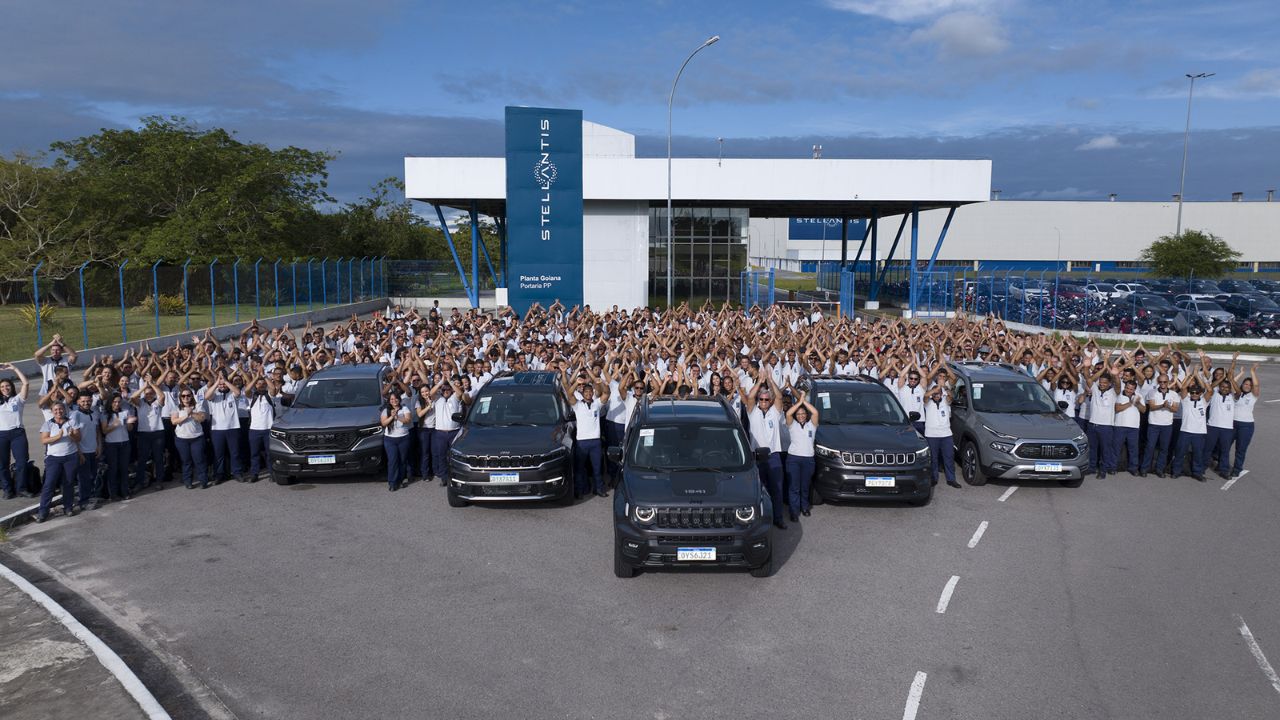
With 5G, AI, and Software Exported to Europe and the USA, Complex in Goiana Became a Global Reference and Transformed the Economy of the Northeast.
What was once a landscape dominated by sugarcane fields in Pernambuco now houses one of the most advanced automotive complexes on the planet. The most modern factory of Stellantis in the world, located in Goiana (PE), not only reaches the impressive mark of one thousand vehicles produced per day, but has also established itself as a hub of innovation that reverses the traditional flow of technology. Software developed in Recife, just a few kilometers from the assembly line, is now the “brain” of cars sold in the demanding markets of Europe and the United States.
This industrial ecosystem, which completed a decade of operation, is a practical example of Industry 4.0, combining a private 5G network, artificial intelligence for quality control, and a flexible production model that manufactures five different models from three distinct brands on the same line. More than just assembling cars, the Pernambuco hub has become a driver of socioeconomic transformation and a strategic asset for Stellantis’s future electrification in Brazil, backed by a new investment cycle of R$ 13 billion.
The Engine of Industry 4.0: How Technology Redefined Production
The designation of the most modern factory of Stellantis is no exaggeration. From its inception, the Automotive Polo of Goiana was designed under the concept of Manufacturing 4.0, where the integration between digital systems, robotics, and human capital achieves maximum efficiency. According to Folha de Pernambuco, one of the most notable differentiators is the pioneering implementation of a private 5G network, in partnership with TIM and Accenture. This high-speed, low-latency infrastructure is the backbone that enables the operation of advanced technologies in real time, serving as a true laboratory for the future of industrial production.
-
Less than a Tera TSI, up to 710 km of range and charging in 9 minutes: the new BYD Song Ultra expands the Chinese brand’s bet on increasingly faster, more technological, and competitively priced electric SUVs.

-
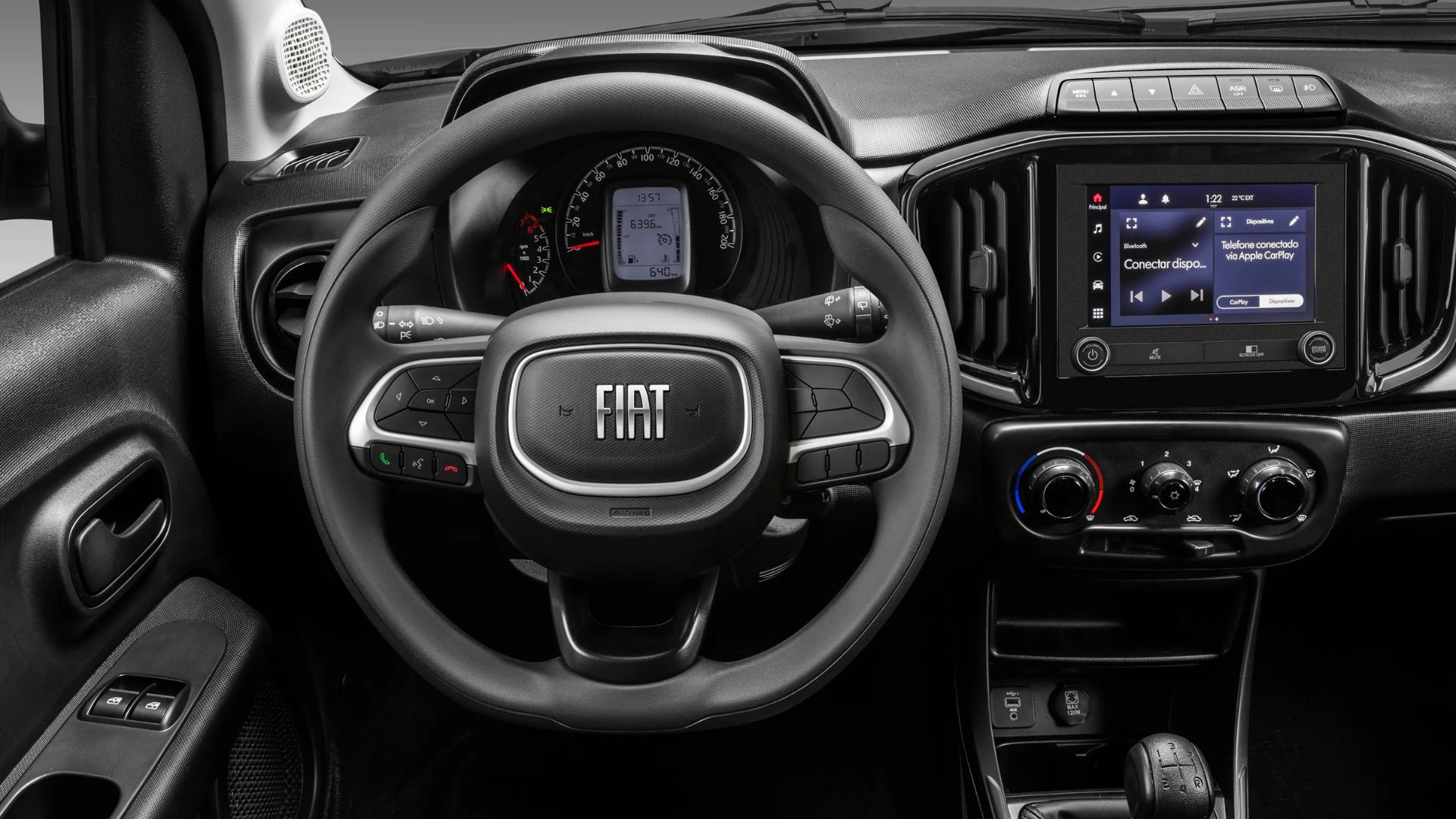
With a 1.0 engine producing 75 hp and costing less than R$ 70,000, Fiat’s car returns to the podium as the cheapest in the country; a temporary promotion for the 2026 Like version reduces the price of the Fiat Mobi.
-
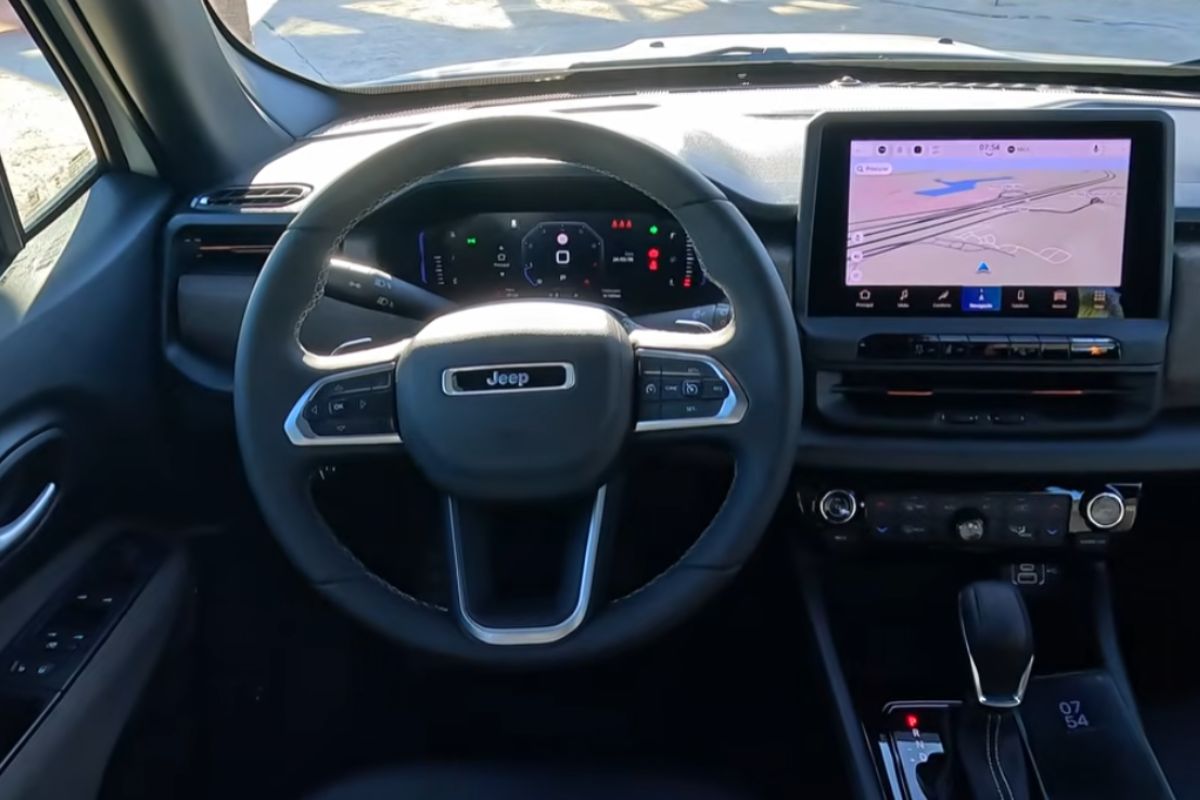
With a mild hybrid system of 48 V, 176 hp and a price of R$ 175,990 in the Sahara version, the new Jeep Renegade changes mostly on the inside, improves slightly in fuel consumption, and remains almost the same car.
-
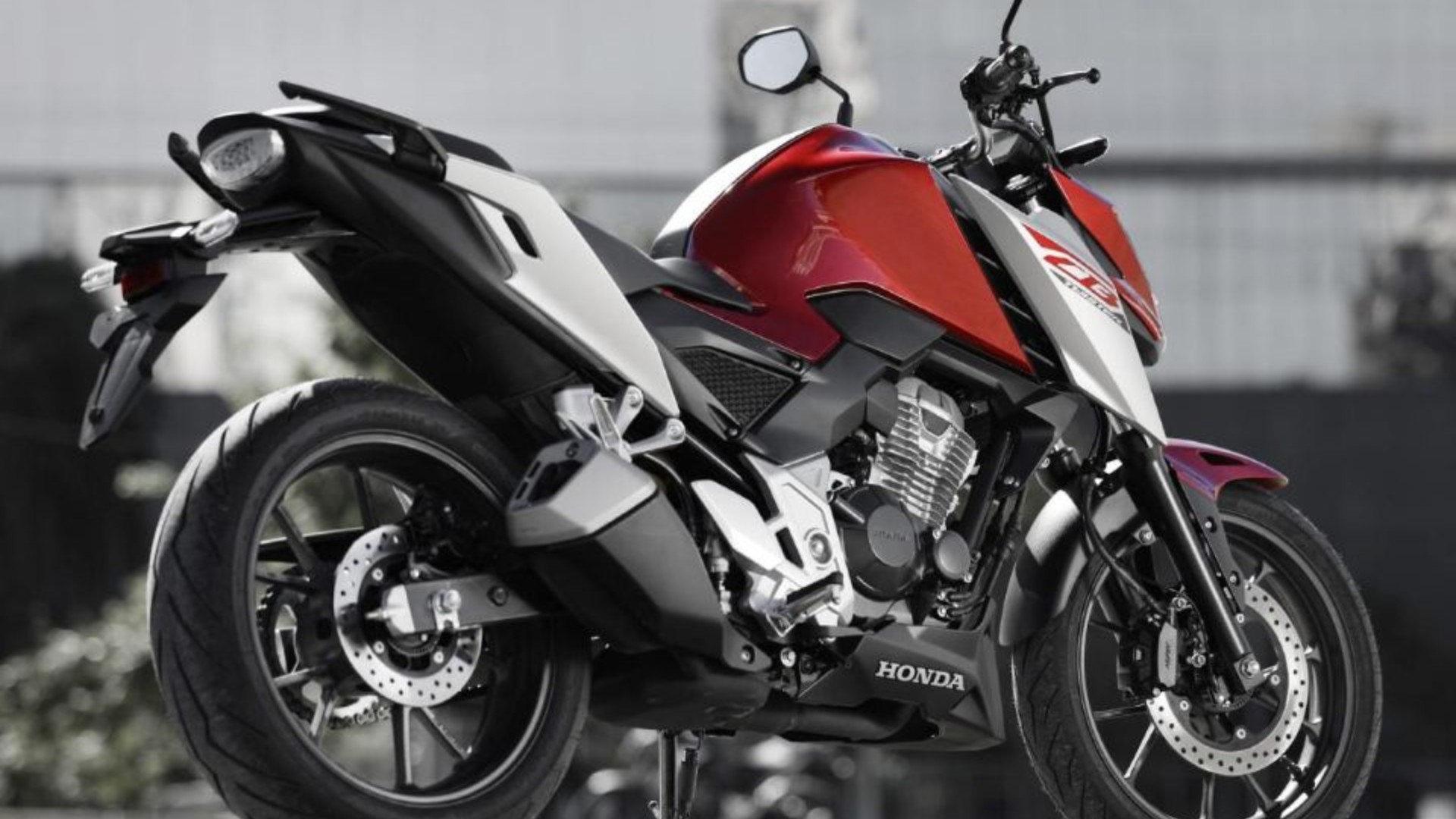
With a 293.5 cm³ engine and a range of up to 400 km with a 14.1-liter tank, the Honda CB 300F Twister 2026 has up to 24.7 hp, an initial price of R$ 25,150, and already exceeds R$ 29,000 in the Fipe Table.

In practice, this technology translates into an unimaginable quality control. High-resolution cameras, connected via 5G, transmit images to artificial intelligence systems that validate the assembly of components with millimeter precision. An example cited by Folha de Pernambuco is the verification of emblems: with over one hundred variations of models, the computer vision system instantly identifies and confirms whether the correct emblem has been applied, virtually eliminating the margin for human error. Additionally, the virtualization of processes allows for more than 2,000 hours of digital simulations to be conducted before any physical change on the line, optimizing costs and time.
From the Northeast to the World: The Export of Brazilian Intelligence


Perhaps the most surprising facet of the success of the Pernambuco complex is its ability to export high-value-added technology. As detailed by the Movimento Econômico portal, this export does not involve machines, but rather intellectual property. In Recife, the Stellantis Software Center operates, a center of excellence that develops 80% of all propulsion software for the company’s combustion engines globally. This means that the code managing the engine and transmission of vehicles sold in the United States and Europe is created by Brazilian engineers.
This fact represents a historical inversion of the flow of knowledge, where the Brazilian subsidiary not only adapts but creates fundamental technology for the parent company. Iconic vehicles such as the Jeep Grand Cherokee and models from Alfa Romeo run with over five million lines of code developed in Pernambuco, as pointed out by Movimento Econômico. The center is now expanding its capabilities to develop software for electrified vehicles, positioning the region as an even more crucial pillar for Stellantis’s technological future.
The Economic Impact: From Sugarcane Fields to a Billion-Dollar Industrial Hub
The arrival of Stellantis has redefined the economic structure of Pernambuco. According to data from Abra Jeep, the contribution of the municipality of Goiana to the state Gross Domestic Product (GDP) jumped from 1% to 4.8% after the factory’s installation. The complex generates over 14,700 direct jobs and is responsible for a supply chain that supports more than 60,000 jobs, with over 90% of the workforce coming from the Northeast region. The industry, which previously had minimal participation, now accounts for 48% of the local GDP.
This transformation was made possible by the concept of “Automotive Hub”, which from the beginning integrated a supplier park (Supplier Park) around the main factory. This strategy, essential for mitigating the high logistical costs of the region, attracted 38 supplier companies to Pernambuco, with the goal of reaching 100 by 2030. This localized ecosystem not only ensures the efficiency of the just-in-time operation but also amplifies economic development, creating a robust and self-sufficient production chain in the heart of the Northeast.
The Future is Bio-Hybrid: R$ 13 Billion for the Next Decade
Looking to the future, Stellantis is betting even higher on the success of Goiana. The company announced a new investment cycle of R$ 13 billion for the period from 2025 to 2030, aimed at modernization, development of new technologies, and launching six new models. The information, reported by Abra Jeep, highlights that this is one of the largest recent investments in the national automotive industry and positions the plant as a protagonist in the company’s decarbonization strategy.
The pillar of this new phase will be the Bio-Hybrid technology. Starting in 2026, Goiana will begin producing vehicles that combine electrification systems, such as mild hybrids (MHEV), with flex engines optimized for ethanol. This approach is a practical and adapted electrification path for Brazilian reality, leveraging the potential of biofuels to reduce carbon emissions in a scalable manner. With the preparation to adopt new global platforms like the STLA Medium, the most modern factory of Stellantis is ready to lead the next revolution of the automotive industry in Brazil.
The trajectory of the Automotive Polo of Goiana demonstrates that the combination of strategic investment, technological innovation, and qualified human capital can create an industrial excellence center anywhere in the world. More than just an efficient assembly line, the plant has established itself as an ecosystem that generates wealth, knowledge, and redefines Brazil’s role in the global automotive chain.
Do you agree with this change? Do you think it impacts the market? Leave your opinion in the comments; we want to hear from those who live this in practice.







-

-

-

-

-

-

286 pessoas reagiram a isso.