





 Portuguese
  English
  Spanish
 5 min of reading


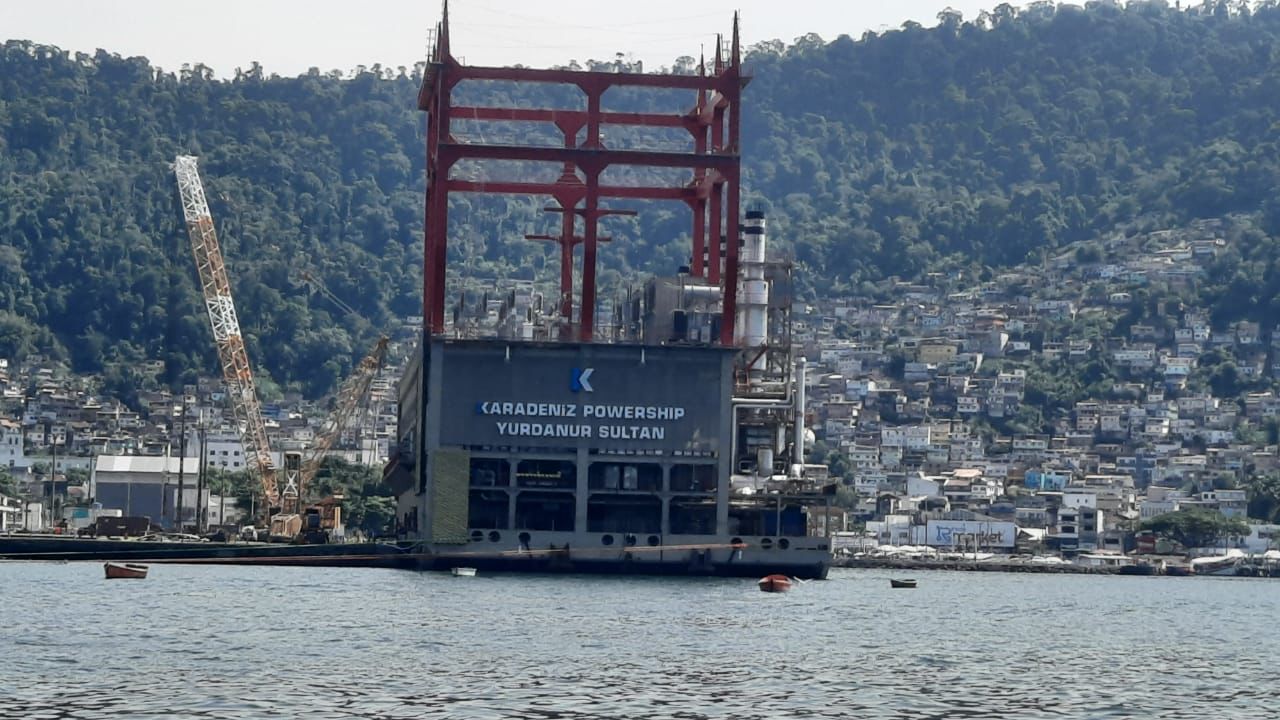
Of The 4 Floating Plants Built By The Turkish Company, One Is Already Docked At The Port Of Angra Dos Reis With No Study On Environmental Consequences
Over R$ 3 billion was invested for the installation and operation of 4 floating thermoelectric power plants powered by gas in Sepetiba Bay, near the Port of Itaguaí, in the western zone of the municipality of Rio de Janeiro (RJ). The equipment was constructed by the Turkish company Karpowership, under a contract with the State Government. One of the plants is already docked at the Port of Angra dos Reis, and three others are on their way. The project has great energy potential, but no environmental impact study has been presented, and environmentalists are already predicting disasters for marine life. Understand the whole controversy.
Watch The Video And Operation Of A Thermoelectric Power Plant Anchored In Angra Dos Reis
Information indicates that the State Environmental Control Commission – Inea authorized the installation of the 4 floating thermoelectric plants in Sepetiba Bay, arguing that there is no need for Karpowership to present the environmental impact report since the activity would not potentially cause significant consequences and is a temporary project that is easy to demobilize.
The decision to waive the study, however, has been strongly criticized by environmentalists, prompting the Federal Public Ministry to file a lawsuit against the floating thermoelectric project. In addition to the plants, 36 transmission towers are to be installed, most of which will be in the industrial district of Sepetiba and 7 others will remain on barges. According to the project, the complex has the capacity to produce 560 megawatts of energy, but is classified by environmental experts as having a high pollution potential.
-
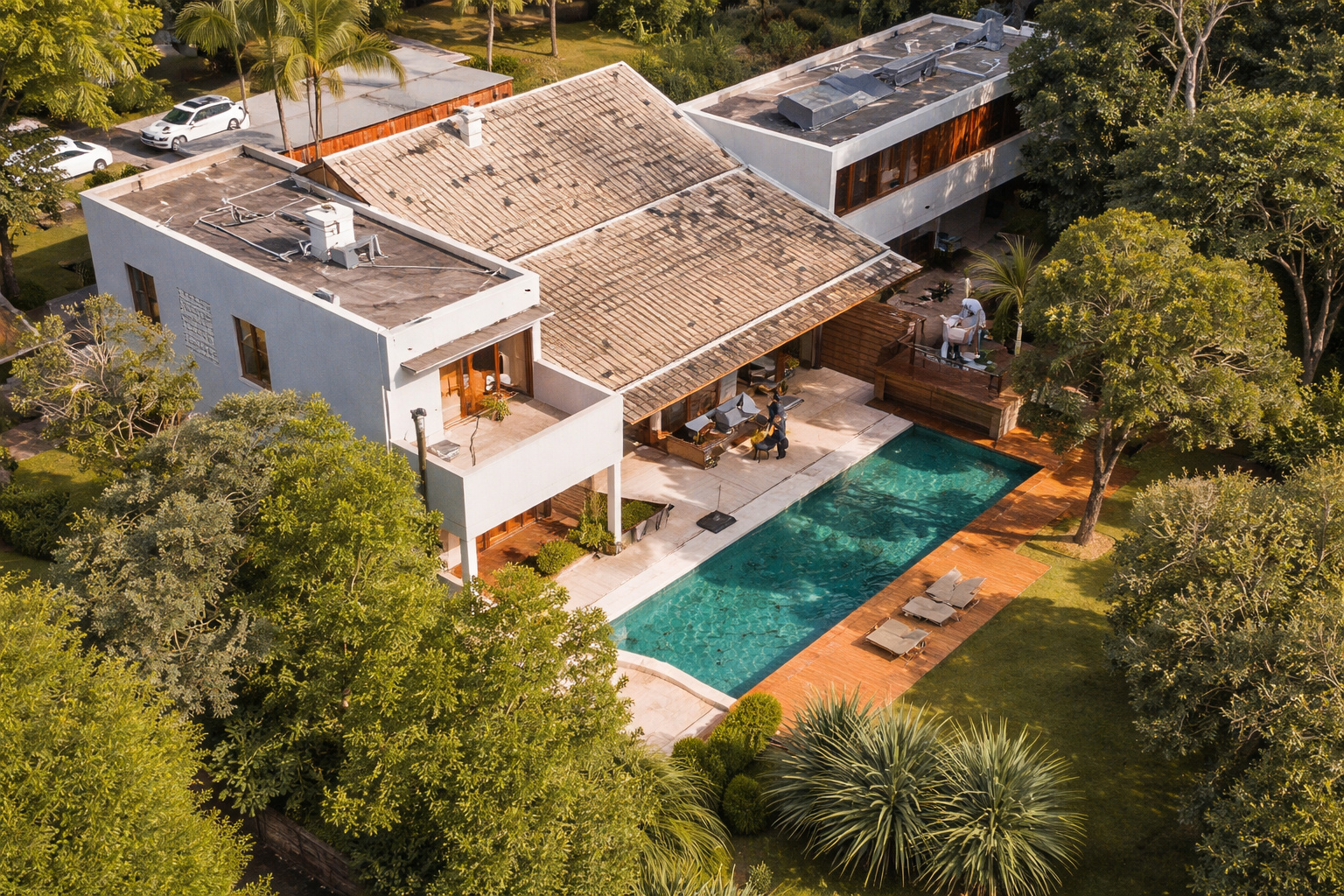
Viih Tube, former BBB contestant and millionaire, lives in a mansion worth R$ 8.5 million with a heated artificial lake, two cinemas, a complete spa, and a giant playroom of 120 m² for the couple’s children.
-
Labor shortages in the construction industry in the United States surge, and 499,000 workers need to be urgently hired to fill open positions and support ongoing large-scale projects.

-
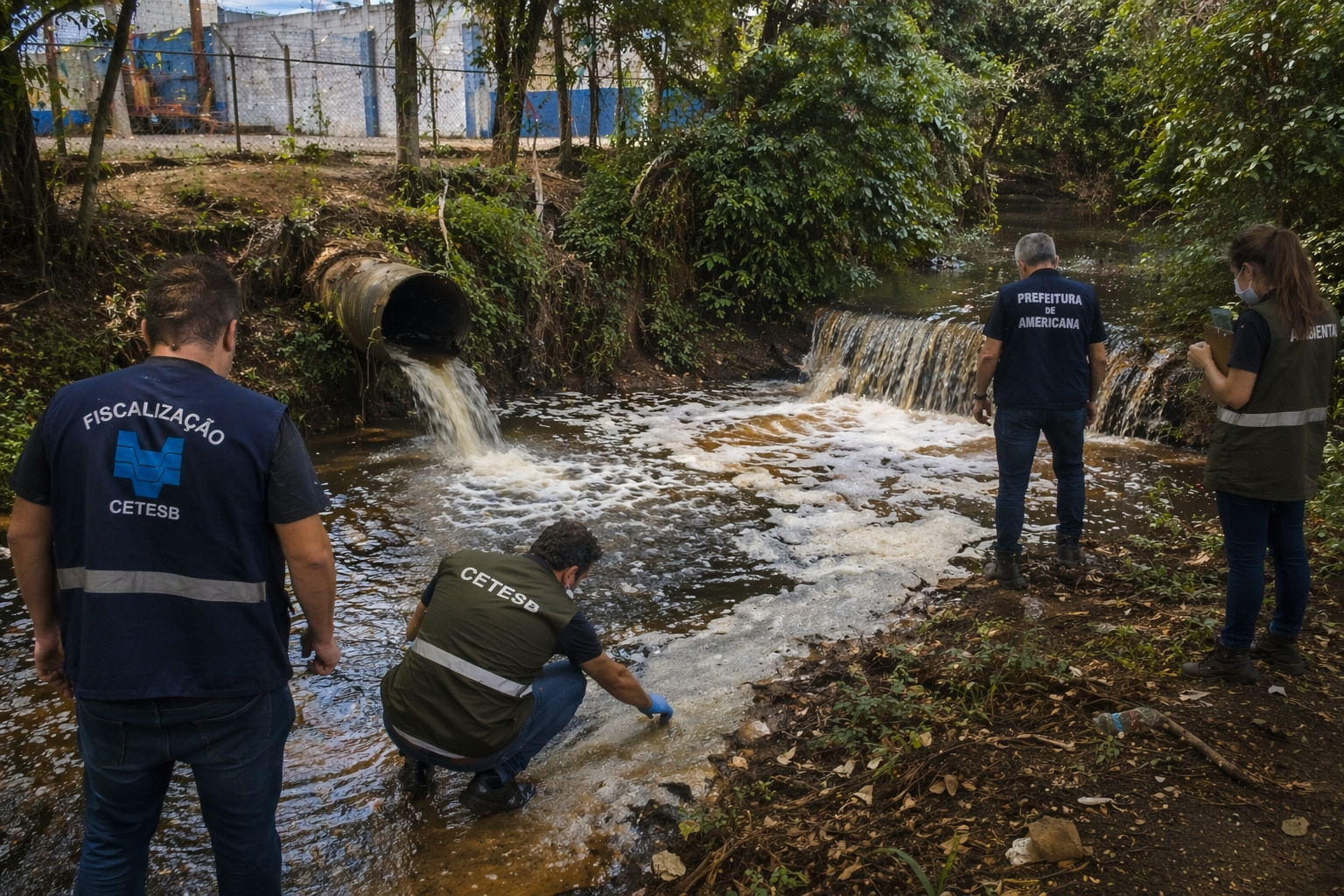
A fine of R$ 115 thousand places Goodyear at the center of an environmental case in Americana after oil and grease appeared in a stream and the company was required to act quickly.
-
A fine of R$ 115 thousand puts Goodyear at the center of an environmental case in Americana after oil and grease appeared in a stream and the company was forced to act quickly.
In addition to the action to annul the floating thermoelectric plants, the Federal Public Ministry in Rio de Janeiro has already requested the courts to annul the installation permit for the transmission towers on land. In other words, a new chapter of the controversy is created every moment.
The Billion-Dollar Project Was Developed At The Peak Of The Water Crisis
Karpowership brought the thermoelectric plants to Sepetiba as it was the winner of the emergency auction by the National Electric Energy Agency (Aneel) for contracting reserve electric energy. The bidding took place on October 25, 2021.
Energy from wind, solar, and thermoelectric plants powered by diesel oil, fuel oil, biomass, and natural gas was contracted to ensure the continuity and security of the electric energy supply in Brazil.
Karpowership’s supply period runs until December 31, 2025, for the Southeast, Central-West, and Southern regions, which were most affected by the lack of rain, draining reservoirs of hydroelectric plants, causing the most significant water crisis in the last 9 decades, and forcing the country to activate thermoelectric plants and promote electricity price increases.
What Do The Involved Parties Say About The Controversy?
The Executive Director of the Arayara Institute, Nicole Oliveira, claims that the waiver of an environmental impact study was exchanged for a series of studies after the barge is implemented. “They want to monitor water and air quality knowing the project will have already been implemented,” she comments.
Fish ecology specialist, Francisco Gerson de Araújo, warns that the operation of the thermoelectric plants will increase the water temperature in the bay, thus threatening marine fauna. “These thermoelectric plants will release about 6 cubic meters per second of water at 15 degrees above what they will capture, in a location with currents that carry the water into the bay,” he explains.
According to the specialist, if the temperature of Sepetiba Bay rises, it will impact the eggs and larvae of fish that use the site as a nursery. Inea has stated that it has not yet been notified by the Federal Public Ministry and, therefore, will only comment when appropriate regarding the action and the controversy.
Karpowership Says It Is Within Standards
Karpowership clarifies that it was one of the winners of the reserve energy auction, held by Aneel in October 2021, which aims, according to the federal government’s strategic planning, to ensure the energy supply for the country in the long term. The project became the winner in an auction promoted by EPE/Aneel within the standards set by MME.
The Turkish company has over 25 years of expertise in the energy sector and follows the environmental licensing process determined by Inea (State Institute of the Environment). All environmental impact studies required by the environmental agency are being conducted and will be presented along with the socio-environmental compensation program defined in the CECA resolution.
The CECA’s decision regarding the implementation of an Environmental Impact Study (EIA/RIMA) does not exempt, under any circumstances, Karpowership from presenting technical studies that assess the potential socio-environmental impact of the enterprise.
The project will only begin operations after the entire licensing process, with all studies duly submitted and approved by the licensing authority. All operations follow the best sustainability practices, meeting all Brazilian legislation standards, including international standards established by the World Bank.
Karpowership further clarifies that its energy generation project has a low environmental impact due to the absence of construction and assembly, as in traditional land-based thermal plants, so it does not permanently alter the environment. The vessels will be anchored in the Organized Port Area of Sepetiba, a location designated for ship activities, for 44 months and will then be demobilized, that is, completely removed, and the site will be fully restored to its current condition. There will be no operations in any area of environmental conservation.
The ship’s engine generators use technology developed in Finland and Germany, countries recognized for producing state-of-the-art engineering, in addition to the equipment operating with high energy efficiency and low emissions.
Karpowership emphasizes that seawater is used only to cool the engines and returned at temperatures within the standards set by Conama’s resolution. The project will also include a continuous monitoring program of water and marine sediment quality, as well as analysis of benthic and planktonic organisms, fish fauna, and cetaceans. Additionally, underwater noise, impacts on fishing activities, and maritime traffic and its signaling will be evaluated.







Seja o primeiro a reagir!