





 Portuguese
  English
  Spanish
  2 min of reading
  0 comments


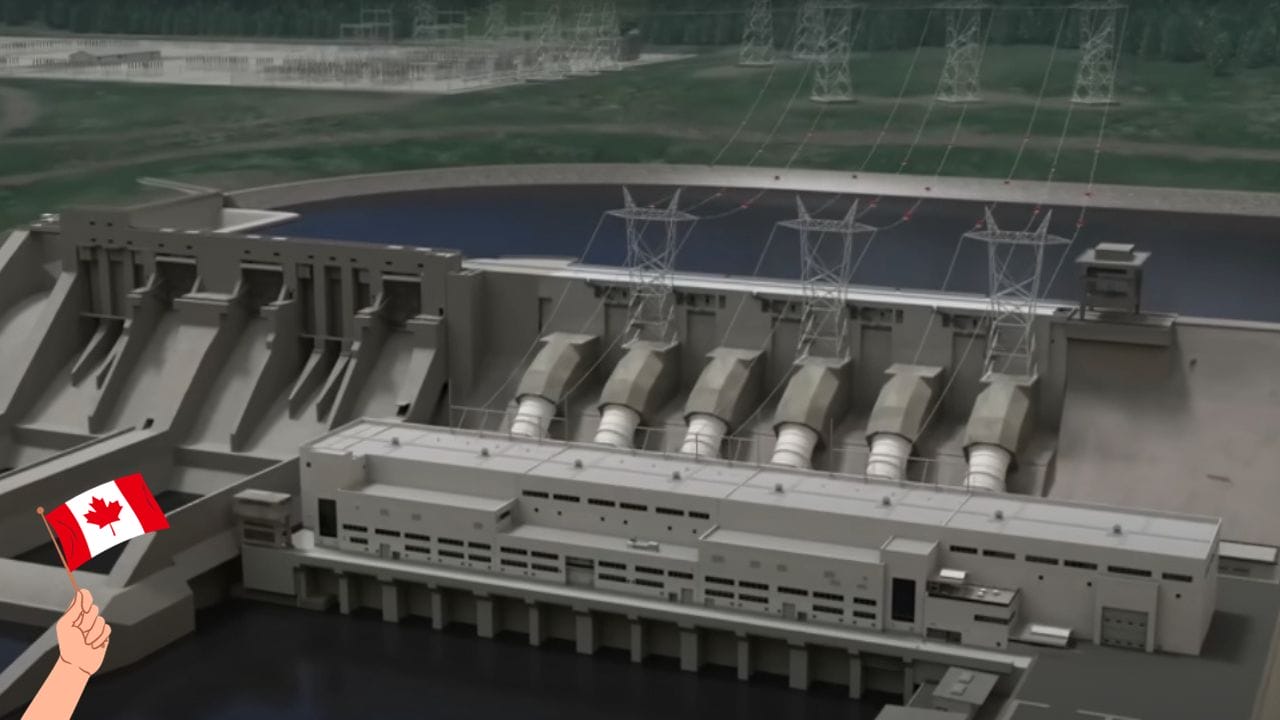
The Ambitious US$ 11 Billion Hydroelectric Project in British Columbia Represents a Major Advance in the Search for Renewable Energy in Canada.
Canada is about to make a significant leap toward sustainable energy with the US$ 11 billion green energy project in the province of British Columbia, known as the Site C Hydroelectric Project. This project, which is the largest hydroelectric venture in the region since 1984, stands out as an innovative response to the growing global demand for renewable energy.
Located 14 km southwest of Fort St. John in northeastern British Columbia, Site C will be the fourth largest hydroelectric power plant in the province, with a projected capacity of 1,100 megawatts and an estimated annual output of 4,600 GWh. It is expected to provide constant energy for approximately 450,000 homes in British Columbia, promoting a safe, renewable, and affordable energy source.
The Construction of the New Hydroelectric Plant in Canada
The construction of Site C includes an earth-fill dam 60 meters high and 1,500 meters long, in addition to six vertical-axis Francis turbines of 183 megawatts each. The generated energy will be channeled through a system of tunnels and spillways, and the project also includes the creation of an 83 km long reservoir, covering a total surface area of 9,330 hectares.
-
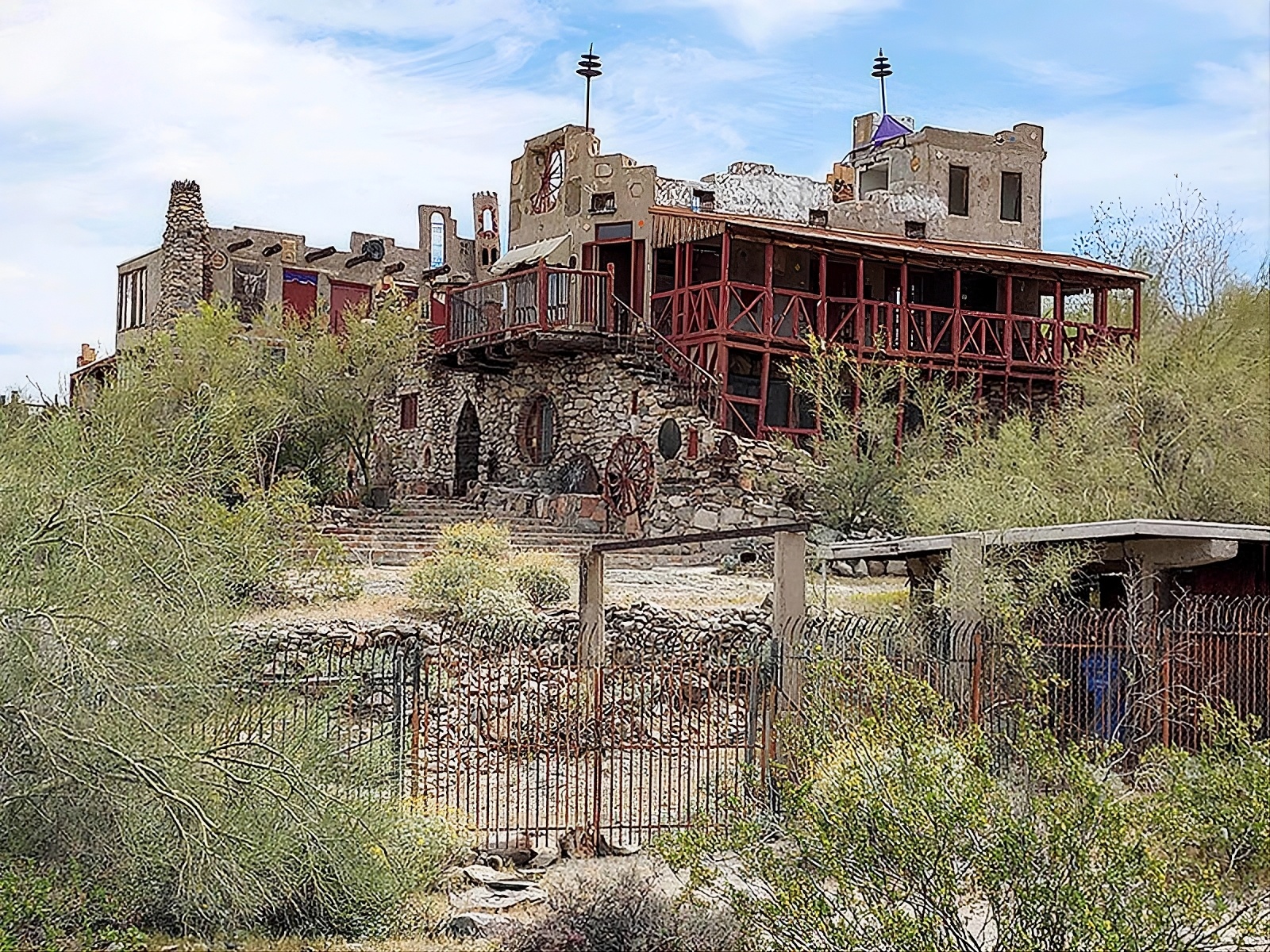
Without a blueprint, without an engineer, and using scrap from the dump, a father spends 15 years building an 18-room castle for his daughter, featuring tram tracks, 13 fireplaces, and over 700 m², which may now be demolished.
-
A megaproject worth R$ 89 billion is advancing in Iraq and promises to change the game in global trade by creating a new corridor between Asia and Europe, reducing traditional routes and repositioning the country as a logistics powerhouse.

-
Goodbye bedside table: floating shelves become a trend in 2026 by freeing up space in the bedroom, improving circulation, bringing visual lightness, and integrating technology without taking up floor space.

-
Israel, Greece, and Cyprus signed an agreement in 2020 to transport gas from the Mediterranean to Europe via a 1,872 km pipeline, but Turkey claimed sovereignty over part of the maritime route, and the project never materialized.

This green energy project is crucial for Canada’s sustainable energy strategy, aiming to significantly reduce CO2 emissions. It is estimated to avoid the emission of 30 to 70 million metric tons of CO2 into the atmosphere, marking a crucial advance in the fight against climate change and global warming. See some images of the site below.


Naturally, the Project Faces Challenges
However, Site C has faced controversies and opposition due to its environmental impact, including flooding agricultural lands and concerns about construction costs and future electricity demand. Despite these challenges, the provincial and federal government approved the project after a three-year environmental review, highlighting the need to complete construction to avoid a US$ 4 billion debt.
The construction of the project will create approximately 35,000 jobs, with an estimated impact of US$ 160 million on the local GDP and US$ 3.2 billion on the provincial GDP. Slated for completion in 2025, the project is already 90% complete and represents a milestone in hydroelectric power generation in Canada.
In summary, the Site C project is a key piece in Canada’s green energy portfolio, promising to provide clean and renewable energy for at least a century, while facing significant challenges related to the environment and logistics.




Seja o primeiro a reagir!