Portuguese
  Spanish


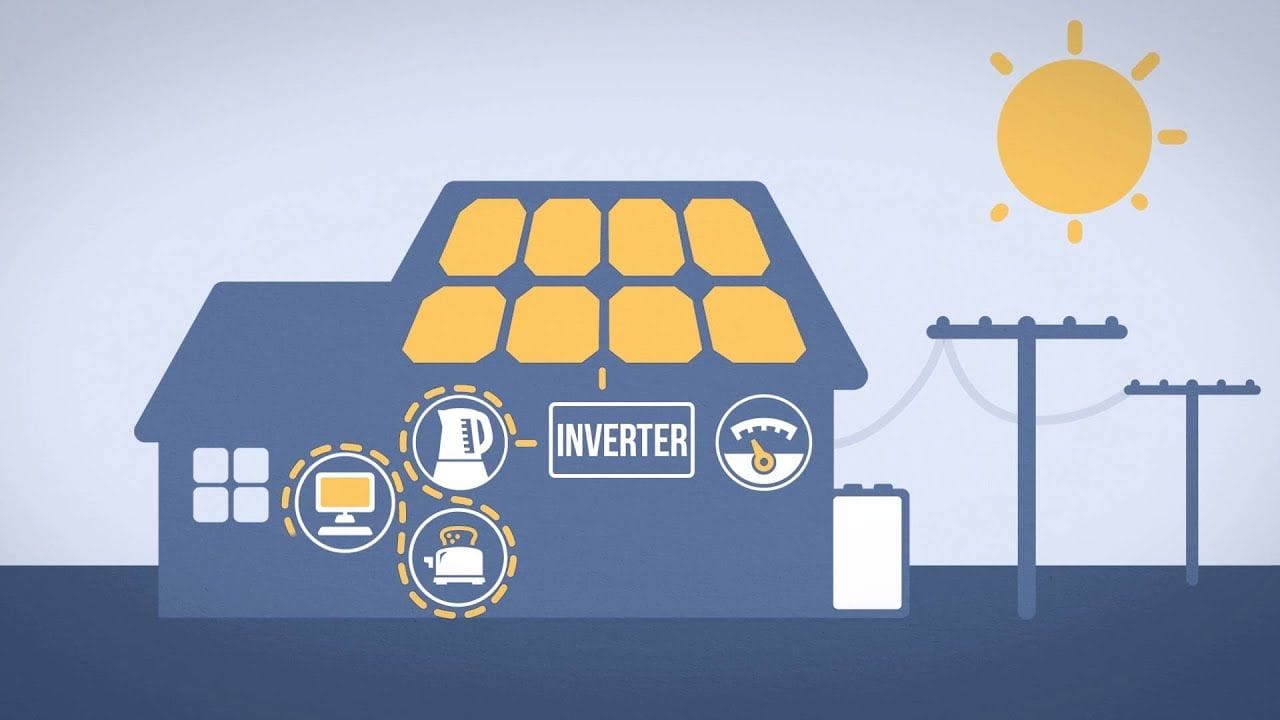

Discover How Many Batteries Are Needed to Keep a Home Fully Powered by Solar Energy and Independent from the Electric Grid.
The quest for energy autonomy, especially through off-grid solar energy systems, has grown significantly. With the ability to store solar energy in batteries, many wonder: how many batteries are needed to completely escape and abandon the electricity bill?
For an average consumption of 200 kWh/month, which equals about 6.7 kWh per day, the battery calculation depends on several factors, such as the desired autonomy of the system, the voltage of the battery bank, the allowable depth of discharge, and the type of battery chosen.
Considering an autonomy of two days and a depth of discharge of 30%, the system would need a storage capacity of 44.7 kWh. To convert this into amp-hours (Ah), which is the common measure for battery capacity, this value is divided by the voltage of the battery bank. In a 24-volt system, this would result in 1,860 Ah.
-
Fired during apartheid and with a little borrowed money, an electrician started with a borrowed truck and transformed electrical services into a group connected to energy, real estate, and infrastructure in South Africa.

-
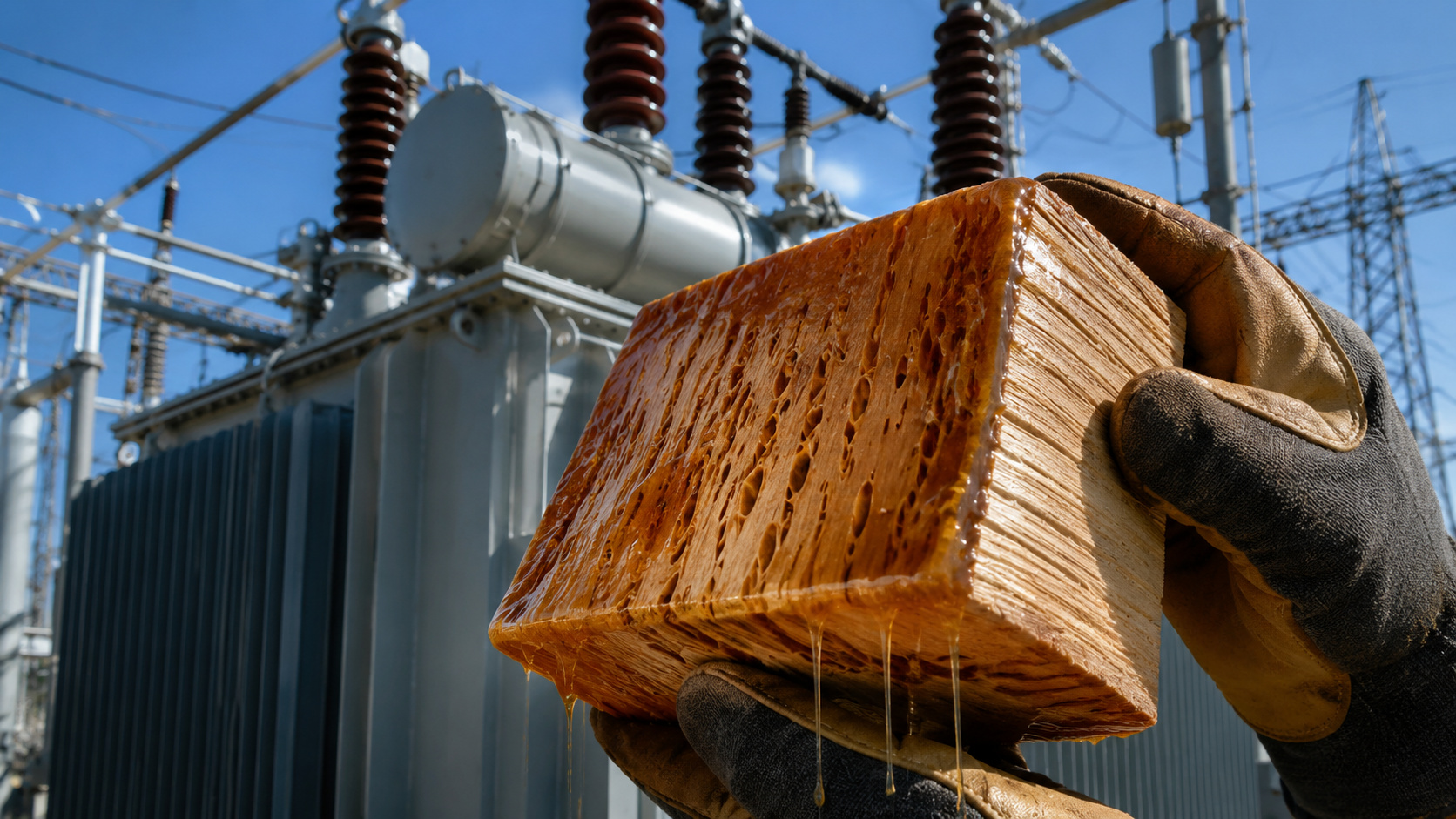
Wood has ceased to be just a construction material in Yale research and has become insulation for electrical transformers that face intense heat, aging, and increasing pressure from the renewable energy-powered grid.
-
More than 1,000 residents of a remote island in Kiribati now have clean water and electricity with solar systems operated by the community itself.
-
Ceará brings together 7 giants and R$ 66 billion to transform Pecém into the largest green hydrogen hub in Brazil, with final decisions expected by the end of 2026.



Using lead-acid batteries of 220 Ah, approximately 9 batteries in parallel would be needed. Since each battery is 12 volts and the system requires 24 volts, two batteries in series would be necessary. Therefore, the total number of batteries needed would be 18.
This analysis is crucial for understanding the viability of disconnecting from the electric grid. It is important to note that the cost of batteries, which in Brazil is around R$ 1,500 each for the model mentioned, can be a significant limiting factor. Additionally, the lifespan of the batteries, which can vary from 3 to 4 years, implies recurring costs of replacement and maintenance.
As battery technology continues to advance, the high cost and the need for frequent maintenance remain challenges for those seeking total independence from the conventional electric grid through off-grid solar energy systems. This type of system is especially relevant in areas where the electric grid is unstable or nonexistent, but it requires careful planning and consideration of the costs involved.